카주브스키 호수 최고의 라이딩 경로
4.8
(4)
89
자전거 타는 사람
14
라이딩
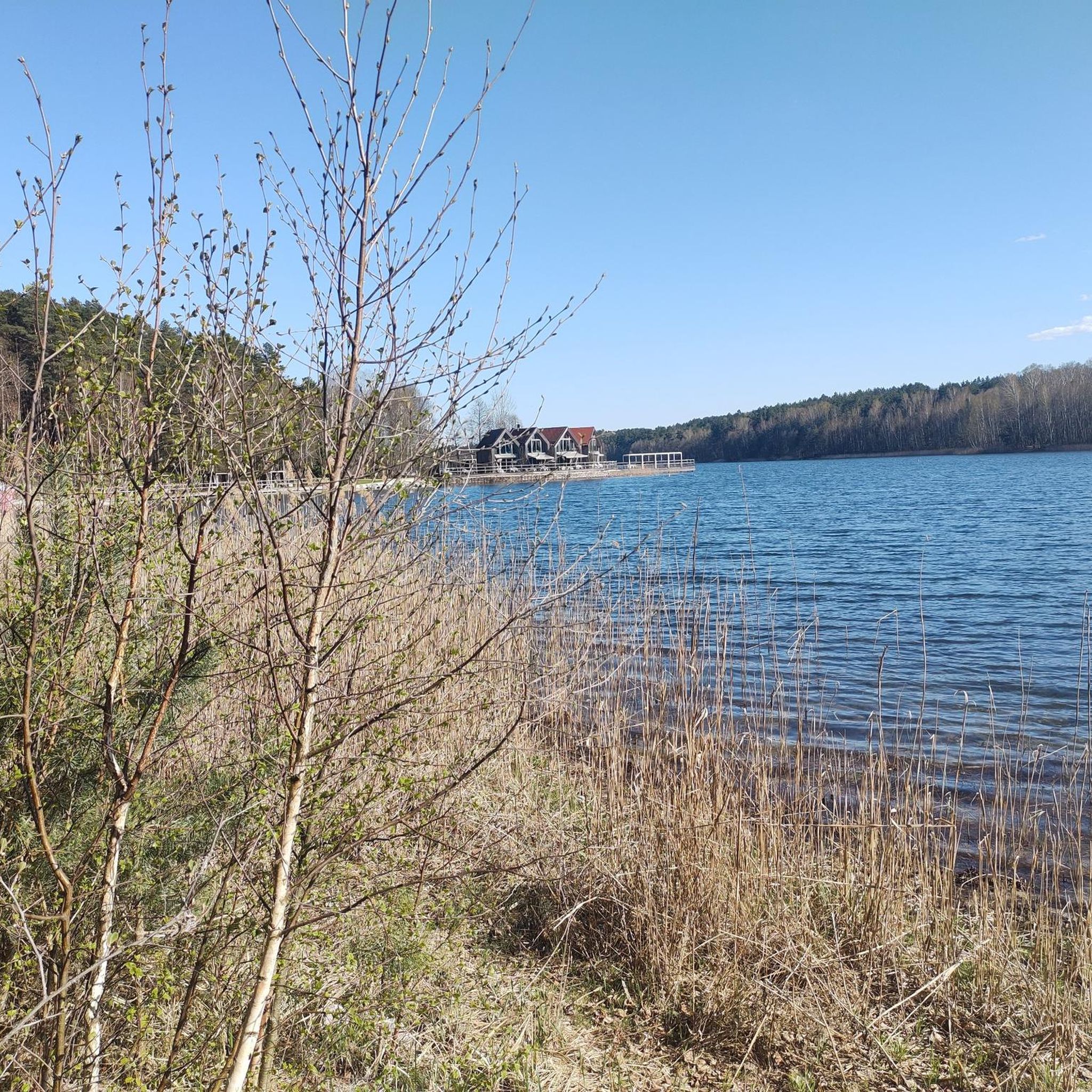
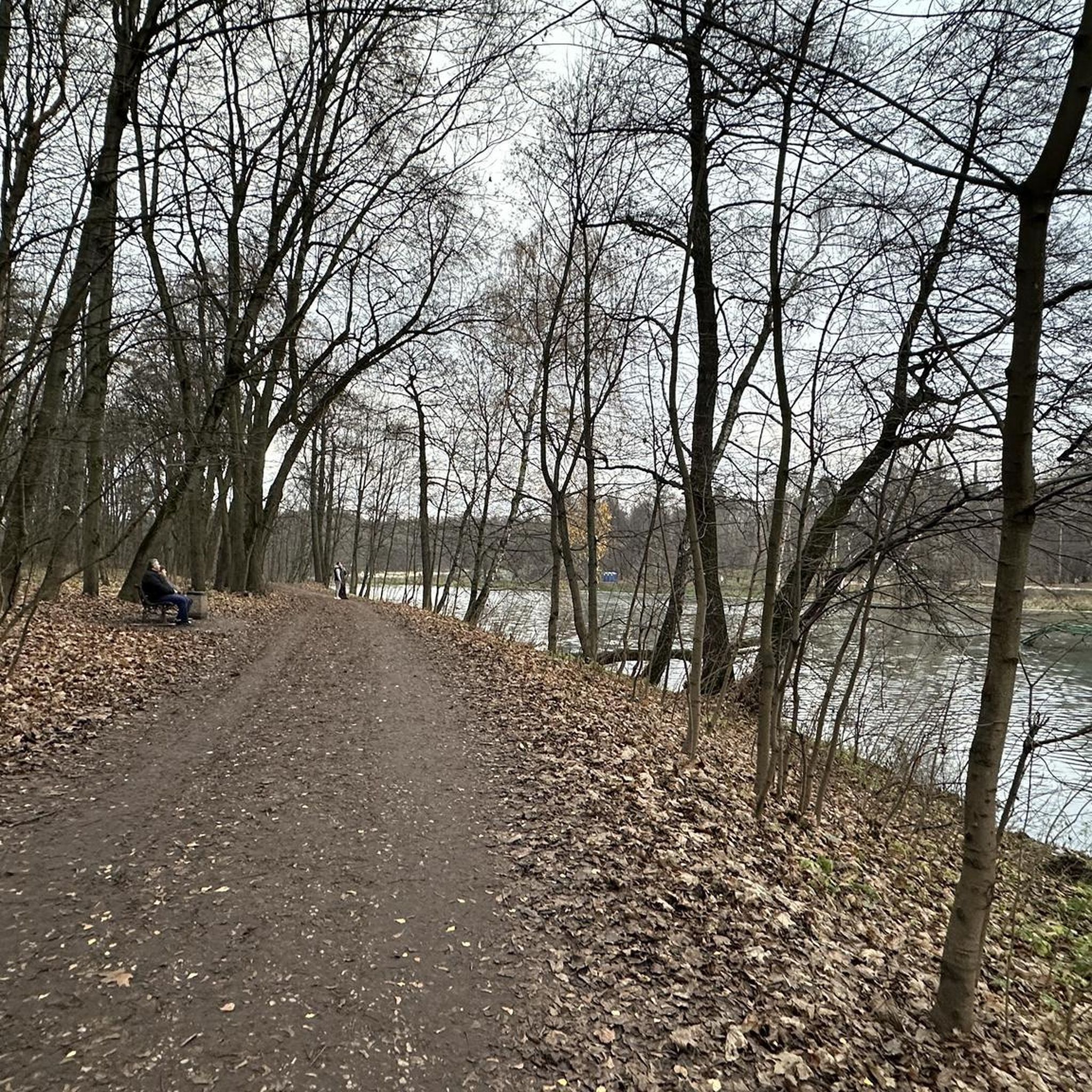
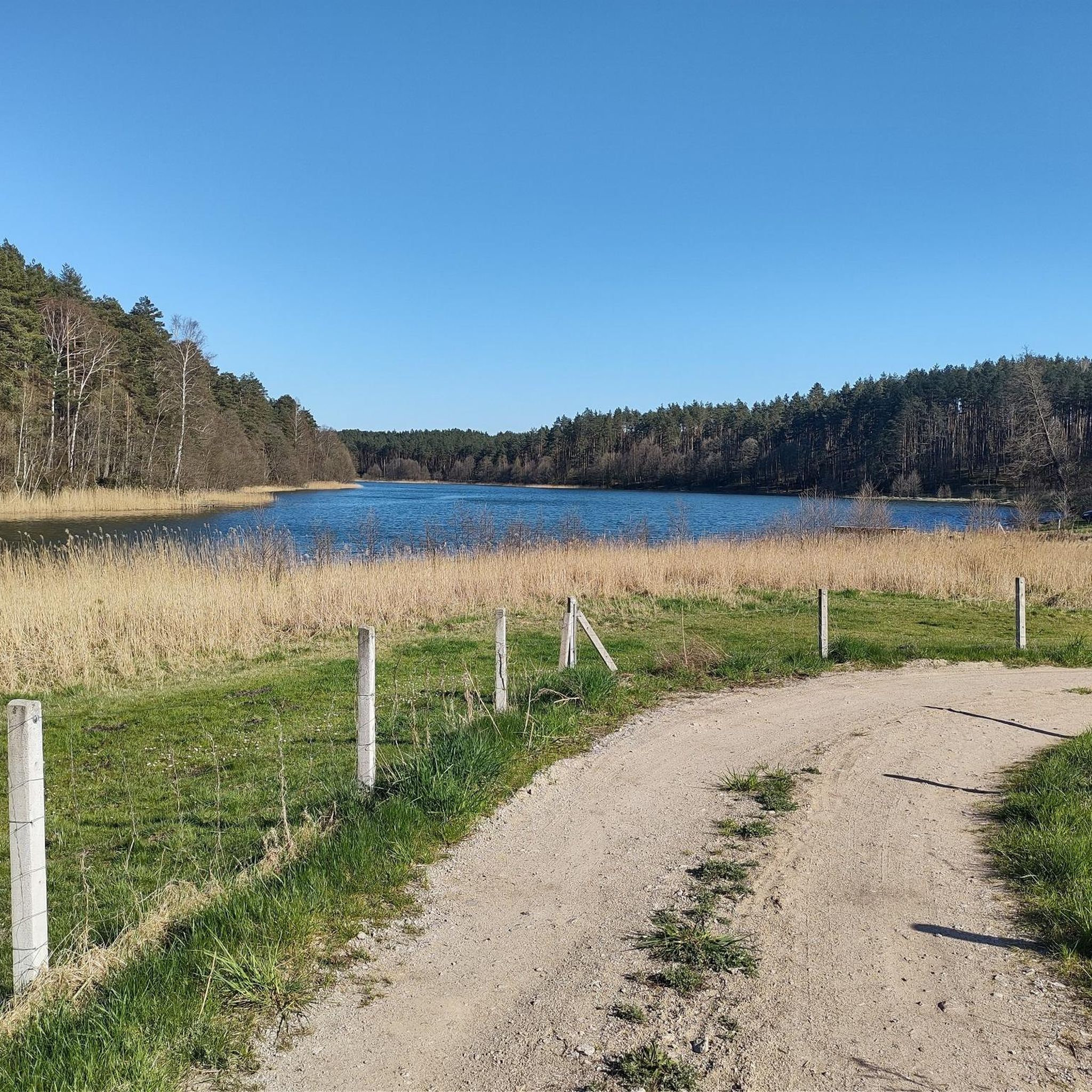
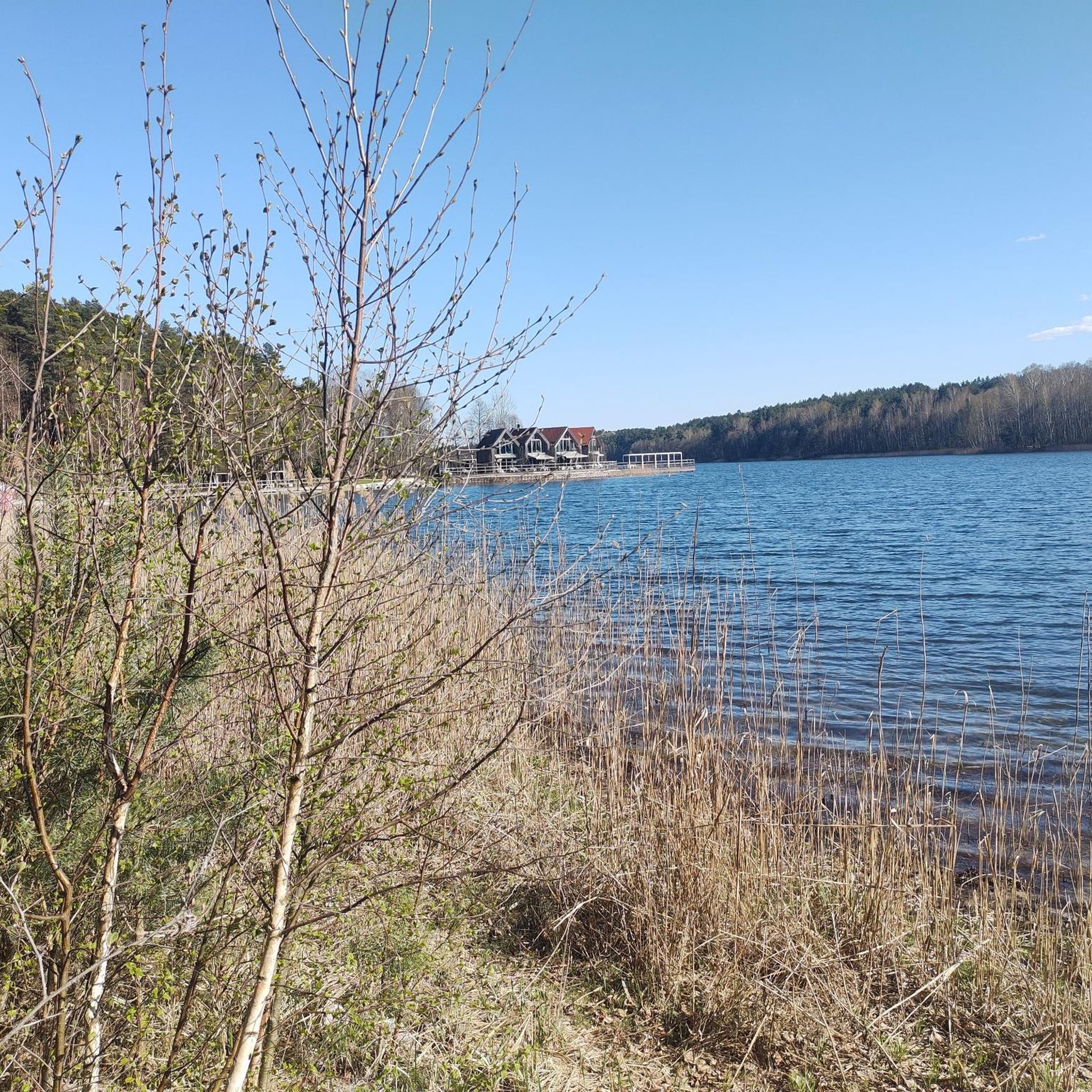
카주브스키 호수 최고의 로드 사이클링 경로를 찾으시나요? 그렇다면 아름다운 Kościerzyna 호수 주변의 라이딩 컬렉션을 아래에서 살펴본 후, 카주브스키 호수의 여러 가지 모습을 직접 만나보세요.
마지막 업데이트: 8월 22, 2026
8
자전거 타는 사람
52.9km
02:06
220m
220m
보통 도로 자전거 타기. 좋은 체력 필요. 지면 대부분이 잘 포장되어 있고 라이딩하기 쉬움.
5.0
(1)
6
자전거 타는 사람
76.1km
03:09
330m
330m
보통 도로 자전거 타기. 좋은 체력 필요. 투어 중 라이딩하기 어려운 비포장 구간이 있을 수 있음.

무료 회원 가입
7
자전거 타는 사람
54.0km
02:07
200m
200m
보통 도로 자전거 타기. 좋은 체력 필요. 지면 대부분이 잘 포장되어 있고 라이딩하기 쉬움.
6
자전거 타는 사람
48.7km
02:16
260m
260m
보통 도로 자전거 타기. 좋은 체력 필요. 투어 중 라이딩하기 어려운 비포장 구간이 있을 수 있음.
4
자전거 타는 사람
60.6km
02:26
350m
350m
보통 도로 자전거 타기. 좋은 체력 필요. 지면 대부분이 잘 포장되어 있고 라이딩하기 쉬움.
더 다양한 경로와 다른 탐험가들의 추천을 살펴보세요.
무료 회원 가입
이미 komoot 계정이 있나요?
투어 추천은 다른 사람들이 komoot에서 완료한 수천 개의 활동을 바탕으로 구성되어 있습니다.
오늘 무료 계정으로 시작하세요
다음 모험이 기다리고 있어요.
로그인 또는 가입하기

커뮤니티 팁

At the beginning, the asphalt is poor, but the further you go, the better it gets!
0
0

The Knights Hospitaller Castle in Skarszewy - a Gothic, 14th-century castle located in Skarszewy, Pomeranian Voivodeship. The castle towers over a bend of the Wietcisa River. It was built in the years 1320-1334 by the Order of St. John, on the site of an older stronghold.
0
0
For centuries, the most important place in every city has been the market square. Usually, when locating new cities, new streets were designed with reference to the market axis. The most important facilities for the residents were also located here, such as the seat of the municipal authorities and the municipal well. Similarly, in Skarszewy, for centuries the market square was the central square where fairs, games, protests and executions took place. Tenement houses of the city's richest inhabitants were also built around the market square and the best shops were opened.
0
0
Church of St. Maksymilian Maria Kolbe in Skarszewy - a Roman Catholic parish church located in Skarszewy, Pomeranian Voivodeship, originally an Evangelical temple. It belongs to the Skarszewa deanery of the Pelplin diocese.
0
0
The parish was established in 1250. In that year, the Bishop of Kujawy, Michał Gadziemba, bought the town from Sambor II. With the establishment of the parish, the first wooden church was built. The second one, also made of wood, was consecrated in 1590. In 1892-1894, a new church was built, made of red brick, in the neo-Gothic style. The builder was priest. parish priest Jan Wierciński. The previous one, made of wood, was demolished. When World War II broke out, Fr. parish priest Józef Sobisz, along with most of the inhabitants of Wysino, was displaced, and the church building was turned into a transit camp for deported Poles. During the occupation, the church was not open for religious worship. After the war, the first services were held in the cemetery mortuary. All parish buildings, including the church, were dilapidated and neglected.
0
0

In 2013, the inhabitants of Skarszewo became famous for an extraordinary feat: they even managed to repeat their own history. They alluded to the events of September 1741. It was then that the Evangelical community in the city got permission to build a Protestant temple. The Pomeranian voivode at the time, and also the starost of Skarszewo, gave the Evangelicals only one day to carry out the works. They managed! It was then that a half-timbered congregation was established, partly erected on the basis of the city wall. According to reports, some of the wooden structures were secretly built outside Skarszewy, thanks to the help of the inhabitants of Gdańsk. The church, erected on the night of September 14-15, survived until the 19th century. The temple, called by the inhabitants the "24-hour church", can still be admired today: on the initiative of priest Dariusz Leman, the local parish priest, a replica of the church was built. In the Skarszewski Center for Historical Expositions, you can also see the elements of the church equipment built in 1741: for example candlesticks, a pew or a purse for collecting offerings. And on the anniversary of the historic events - September 14-15, 2013 - the current inhabitants of Skarszewo managed to repeat the feat of their predecessors: it took them exactly 23 hours and 48 minutes! It was possible thanks to the involvement of many enthusiasts, builders and just ordinary residents.
1
0
It was built in the years 1320-1334 by the Knights Hospitaller on the site of an older hillfort. In 1370, the castle was acquired by the Teutonic Knights, and the care over it was carried out by the head of Tczew. During the Thirteen Years' War, the building passed from hand to hand, in 1466 it was given to the Poles. From 1613, the Pomeranian voivodes resided in the castle. In 1629, the building was partially destroyed by the Swedes. In 1772, after being taken over by the Prussian authorities, the castle was ruined. In the 19th century, it was converted into a residential building and a warehouse. From the oldest building, the cellars and the walls of the ground floor of a residential building have survived to our times. In the eighties of the last century, the Wysoki castle was rebuilt as the seat of the Municipal Cultural Center.
0
0

in the square in front of the church there is a monument to Pope John Paul II
0
0


더 살펴보기
다른 지역의 최고의 로드 사이클링 경로를 살펴보세요.
