20의 만자나레스가지 명소 & 주요 장소
만자나레스에는 둘러볼 만한 장소가 많답니다. 하이킹 또는 사이클링을 좋아한다면 만자나레스에 숨겨진 20
가지 보석을 만날 수 있을 거예요. 이 지역의 주요 명소를 살펴보면서 다음 모험을 계획해보세요.
마지막 업데이트: 10월 10, 2026
누에스트라 세뇨라 데 라스 니에베스 성지
하이라이트 • 종교적 장소
번역자 Google •
팁에 의해

플라사 데 에스파냐
하이라이트 • 역사적 장소
The surroundings of the Plaza de España is the most …
번역자 Google •
팁에 의해
이런 장소를 발견하려면 지금 가입하세요
최고의 싱글 트랙, 봉우리 및 다양한 흥미로운 야외 장소에 대한 추천을 받아보세요.
Venta de Borondo
하이라이트 • 역사적 장소
번역자 Google •
팁에 의해
아순시온 성모 교회
하이라이트 • 종교적 장소
번역자 Google •
팁에 의해
오늘 무료 계정으로 시작하세요
다음 모험이 기다리고 있어요.
만자나레스 주변의 다른 모험

커뮤니티 팁

What to see in Membrilla Church of Santiago el Mayor A 15th-century Flamboyant Gothic church, meticulously restored. Highlights include its imposing tower, chapels, and decoration with plant and geometric motifs. Hermitage of Cristo del Espino A place of devotion surrounded by nature, ideal for a peaceful stroll and enjoying panoramic views. Historic Center and Plaza del Sitio Cobblestone streets, traditional La Mancha architecture, and a lively square where you can experience local life. Ethnographic Museum and Municipal Art Gallery Perfect for learning about local history and culture.
2
0
La Venta de Borondo is a historic inn located between Bolaños de Calatrava and Manzanares, in the province of Ciudad Real, Castilla-La Mancha. Built in the 16th century, this inn is known for its typical period architecture, with a rectangular floor plan, two floors, a turret on one corner, and a central courtyard. It is believed that La Venta de Borondo may have inspired Miguel de Cervantes in his work "Don Quixote de la Mancha," as these inns were common during long voyages of the time. Currently, the inn is used as a farmhouse and second home.
12
0
The Venta de Borondo is a historic inn located between Bolaños de Calatrava and Manzanares, in the province of Ciudad Real, Castilla-La Mancha. Built in the 16th century, this inn is known for its typical period architecture, with a rectangular floor plan, two floors, a turret on one corner, and a central courtyard. It is believed that the Venta de Borondo may have inspired Miguel de Cervantes in his work "Don Quixote de la Mancha," as these inns were common during long voyages of the time. Currently, the inn is used as a farmhouse and second home.
14
0
Among these buildings we find an irregularly shaped bullring. It is worth knowing. Today the Plaza de Toros closed for works.
20
0
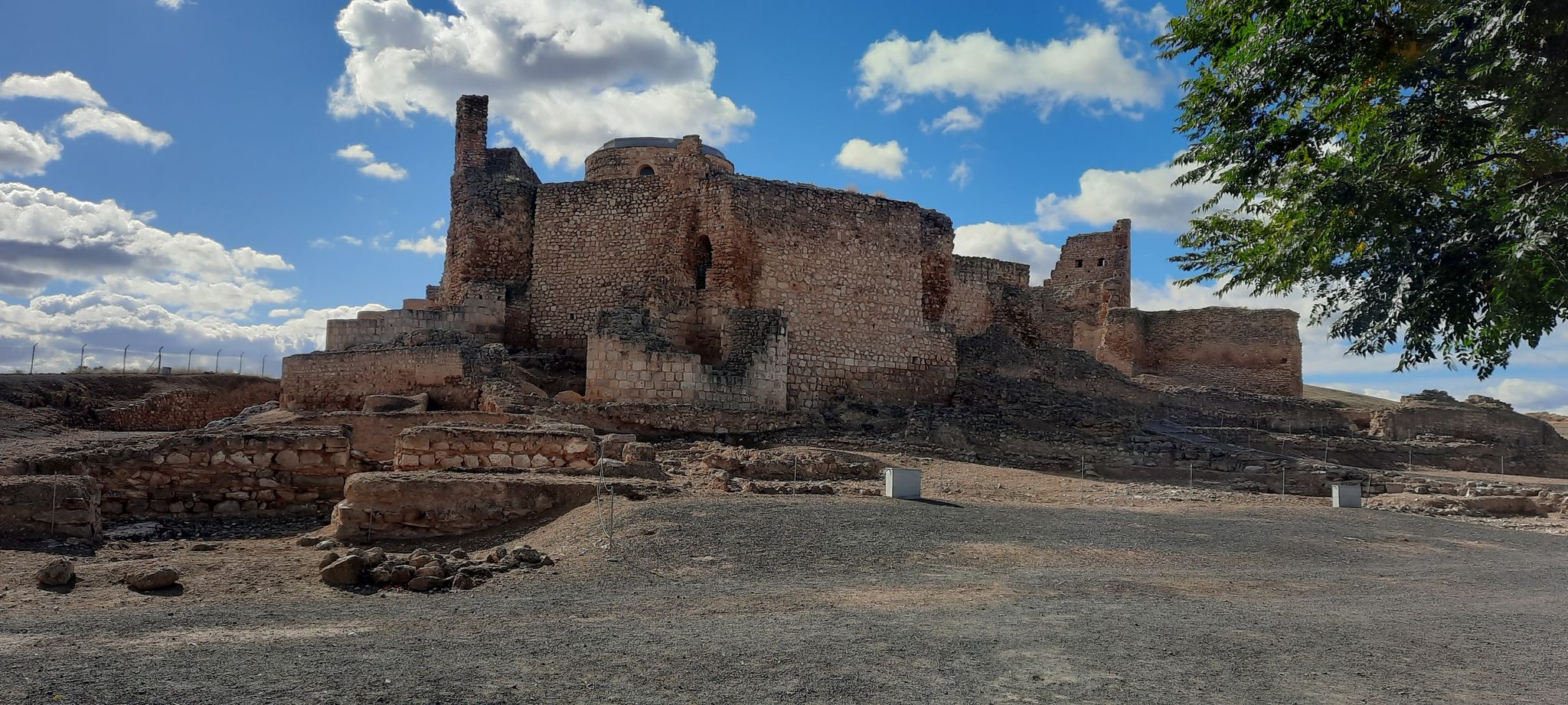
The origins of the town of Membrilla can be traced back to an ancient Greek colony settled in this place known as Marmaria. Marmaria was already inhabited a long time before, all sources point to the mound that housed the Castillo del Tocón, today known as the Virgen del Espino Hermitage. Over time it would become known as Marmellaria, in the Middle Ages it would be Membriella, from where it would become La Membrilla.
5
0
Between Almagro and Valdepeñas is the La Mancha town of Moral de Calatrava, on the border of the Campo de Calatrava region. This town presents us with beautiful natural landscapes and an urban layout that has been declared a Historic-Artistic Site for being a clear example of popular architecture. Without forgetting the church of San Andrés, built between the 15th and 16th centuries, it is in a fabulous state of preservation.
19
0

Moral de Calatrava is a small town in the Campo de Calatrava region with a deep history that goes back to prehistoric times. It is located on an old Roman road between Mérida and Levante. Today I recommend you stop for tapas in the Plaza de España and admire the magnificent San Andrés Apóstol Parish.
4
0
The Parish Church of Nuestra Señora de la Asunción, located in the Plaza de la Constitución, forms an architectural complex of great beauty with the arcades that surround it and the Town Hall of the town. It dates from the 16th century. It has a beautiful Plateresque portal with a tympanum and fan-shaped trumpets. The reliefs of the Assumption, the figure of God the Father and the musical angels stand out. The interior is simple and austere in a single nave with an octagonal apse and a tower at its feet. It has a 1,200 m2 Latin cross plan and is framed by five side chapels. Currently in rehab.
4
0
만자나레스 주변에서 가장 인기 있는 명소


더 살펴보기
찾고 있는 하이라이트를 아직 못 찾으셨나요? 다른 지역의 주요 명소 가이드를 확인해보세요:
