즈드비츠노 최고의 사이클링 경로
4.7
(208)
925
자전거 타는 사람
39
라이딩
즈드비츠노에 자전거 라이딩을 할 수 있는 경로는 많은데, 어디서 출발해야 할지 모르시겠다고요? 아름다운 호수를 구경할 수 있도록 가장 멋진 경로를 알려드릴게요. 망설이지 말고, 마음에 드는 즈드비츠노 사이클링 경로를 아래에서 찾아보세요.
마지막 업데이트: 8월 25, 2026
5.0
(2)
18
자전거 타는 사람
20.9km
01:47
120m
120m
초급용 자전거 라이딩. 모든 체력 수준에 적합. 대부분 포장된 지면. 실력과 관계없이 누구나 갈 수 있음.
3.0
(1)
10
자전거 타는 사람
38.8km
02:53
190m
190m
보통 자전거 타기. 좋은 체력 필요. 대부분 포장된 지면. 실력과 관계없이 누구나 갈 수 있음.

무료 회원 가입
5.0
(2)
14
자전거 타는 사람
18.0km
01:16
100m
100m
초급용 자전거 라이딩. 모든 체력 수준에 적합. 대부분 포장된 지면. 실력과 관계없이 누구나 갈 수 있음.
5.0
(1)
4
자전거 타는 사람
22.7km
01:41
130m
130m
초급용 자전거 라이딩. 모든 체력 수준에 적합. 대부분 포장된 지면. 실력과 관계없이 누구나 갈 수 있음.
2
자전거 타는 사람
12.5km
00:55
60m
60m
초급용 자전거 라이딩. 모든 체력 수준에 적합. 대부분 포장된 지면. 실력과 관계없이 누구나 갈 수 있음.
더 다양한 경로와 다른 탐험가들의 추천을 살펴보세요.
무료 회원 가입
이미 komoot 계정이 있나요?
투어 추천은 다른 사람들이 komoot에서 완료한 수천 개의 활동을 바탕으로 구성되어 있습니다.
오늘 무료 계정으로 시작하세요
다음 모험이 기다리고 있어요.
로그인 또는 가입하기

커뮤니티 팁

이곳 풍경 속으로 구불구불 흘러가는 '필라프카' 강을 건널 때의 고요하고 아름다운 분위기.
0
0

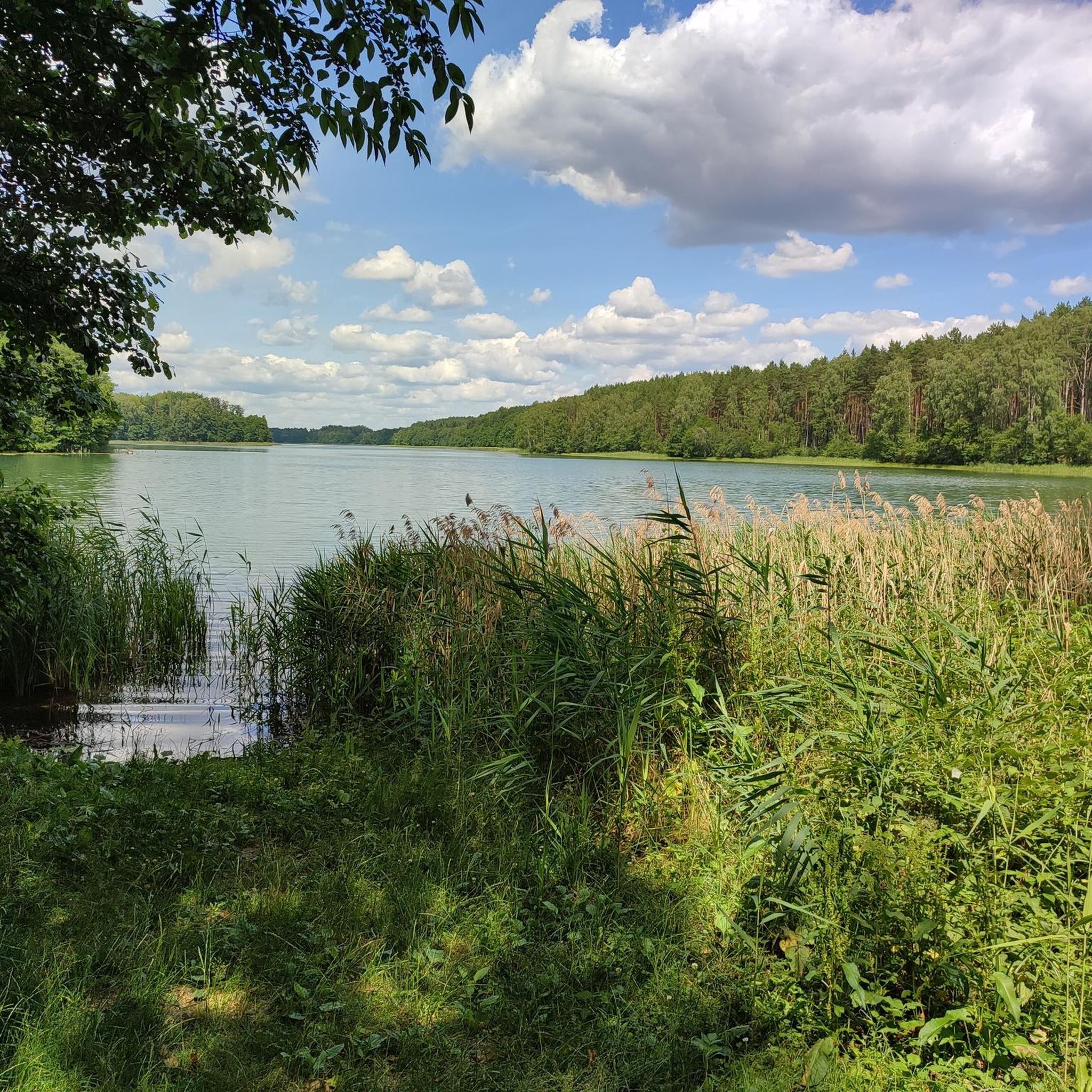
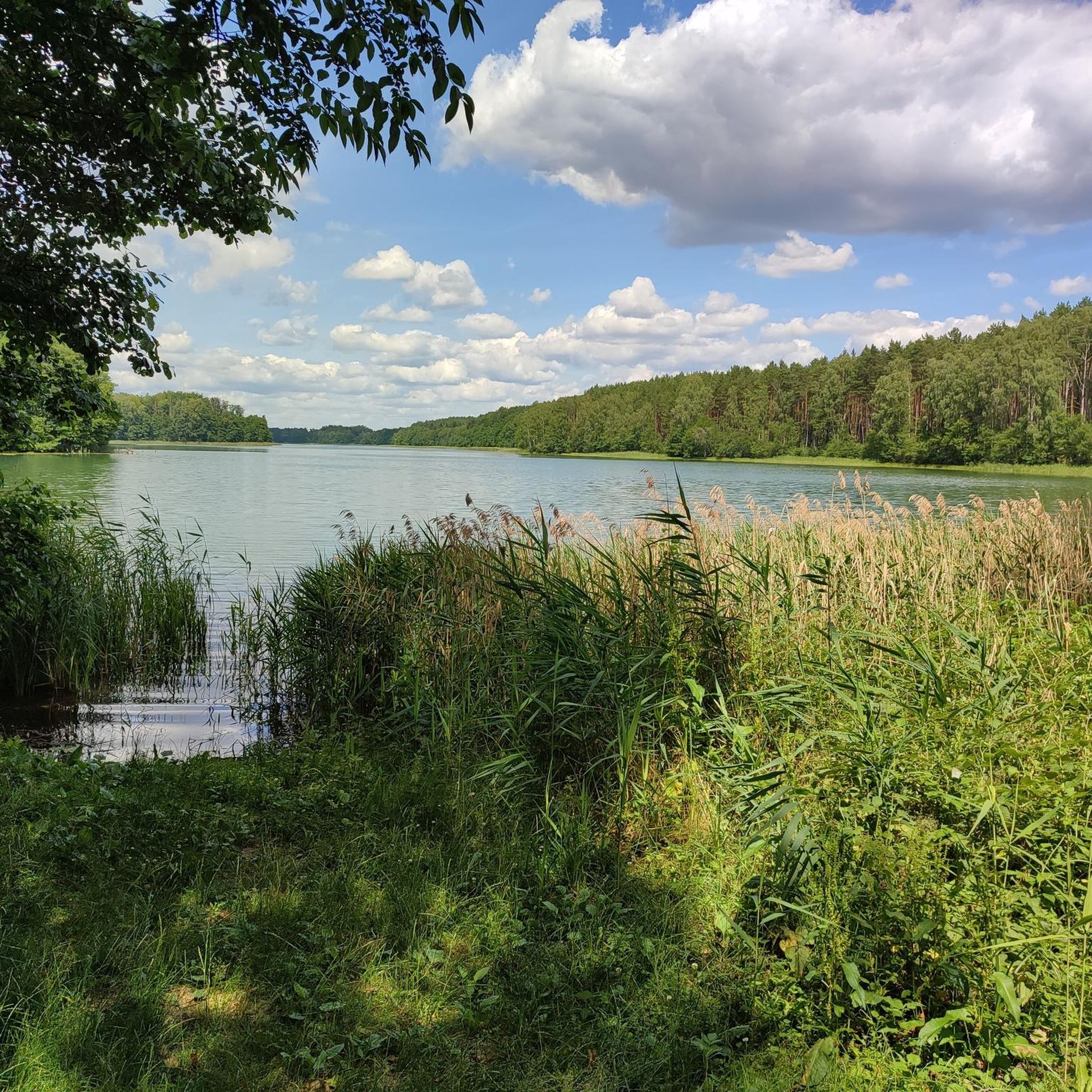
Lake Zamkowe in Wałcz is an attractive reservoir with an area of 133 ha and a depth of up to 41 m. The proximity of the city makes it a popular place for recreation and water sports - there is a marina here, and the use of motorboats is allowed. Anglers will find many interesting sites here, and the lake is regularly stocked. It is worth combining a visit to the water with a visit to the nearby church of St. Anthony. Cyclists will appreciate the easy access and interesting views, especially on the northern side of the lake.
3
0

The establishment of the open-air museum is connected with the decision made in 1980 to create the Central Remembrance Region of the 1st Polish Army in the Zdbice area. The plan had a very broad program and consisted of the intention to create a kind of panorama of the battles of 1945. Some of the works were carried out (e.g. on Lake Smolne and in Zdbice), others were never implemented. The army was involved in the creation of the project, among others. One of the elements of the Remembrance Region was the creation of a large open-air museum of combat and engineering equipment used by the Polish side during the battles for the Pomeranian Wall. It was organized along the eastern slope of the Zdbiczno Lake gutter, slightly to the northwest of the village. The intention was for the exhibition to illustrate the attack of one of the battalions of the 12th Infantry Regiment on the German positions and fortifications located on the other bank of the river. On the Polish side, rifle trenches and earthen combat bunkers were made. A large amount of mobile equipment was also exhibited: mortars, cannons, tanks and Katyushas (some of them did not take part in the fighting for this area at all). A large parking lot and pavilions for tourists were set up by the road. Ultimately, a monumental monument to the conquerors of the Pomeranian Wall was to be built here, which was never built. An approximately three-kilometer educational trail was marked out from the parking lot along the German fortifications to the Morzyca farm. The area around the open-air museum is rich in memorabilia of World War II - combat bunkers and bunkers. In the summer of 2012, the open-air museum was very neglected. The pavilions by the parking lot were in ruins, and only three exhibits of the equipment by the parking lot remained: a T-34 tank, a howitzer and an anti-aircraft gun. However, there was a Room of National Remembrance located in the centre of the village with an exhibition entitled Forest as a Witness to the Battle of the Pomeranian Wall – objects evidencing the destruction of the tree stand in 1945 (e.g. shrapnel stuck in tree trunks), weapons and ammunition, photographs, maps and soldier documents were exhibited here.
0
0

The impressive dam on the "Dobrzyca" river is a remnant of the Pomeranian Wall, also known as the Stargard Wall, a line of defensive fortifications built by the Germans during World War II, stretching for several hundred kilometers in the northern part of Poland.
0
1

It is a neo-Gothic temple, erected in the years 1863-1865, consecrated in 1866. Four bells, a side altar with a silver covering, chasubles with gold and silver embroidery made in 1620 and 1717, six silver candlesticks made in 1733, two small silver reliquaries, a chalice with an inscription have been preserved from the old church. The paintings of St. John painted in 1816 and the Last Supper (renewed in 1818) and Saint Michael and the Deposition of Jesus into the grave. In 1866, the painter Stankiewicz painted three paintings
1
2
The church was built as a Protestant church in the years 1902-1907 in the neo-gothic style.
1
1

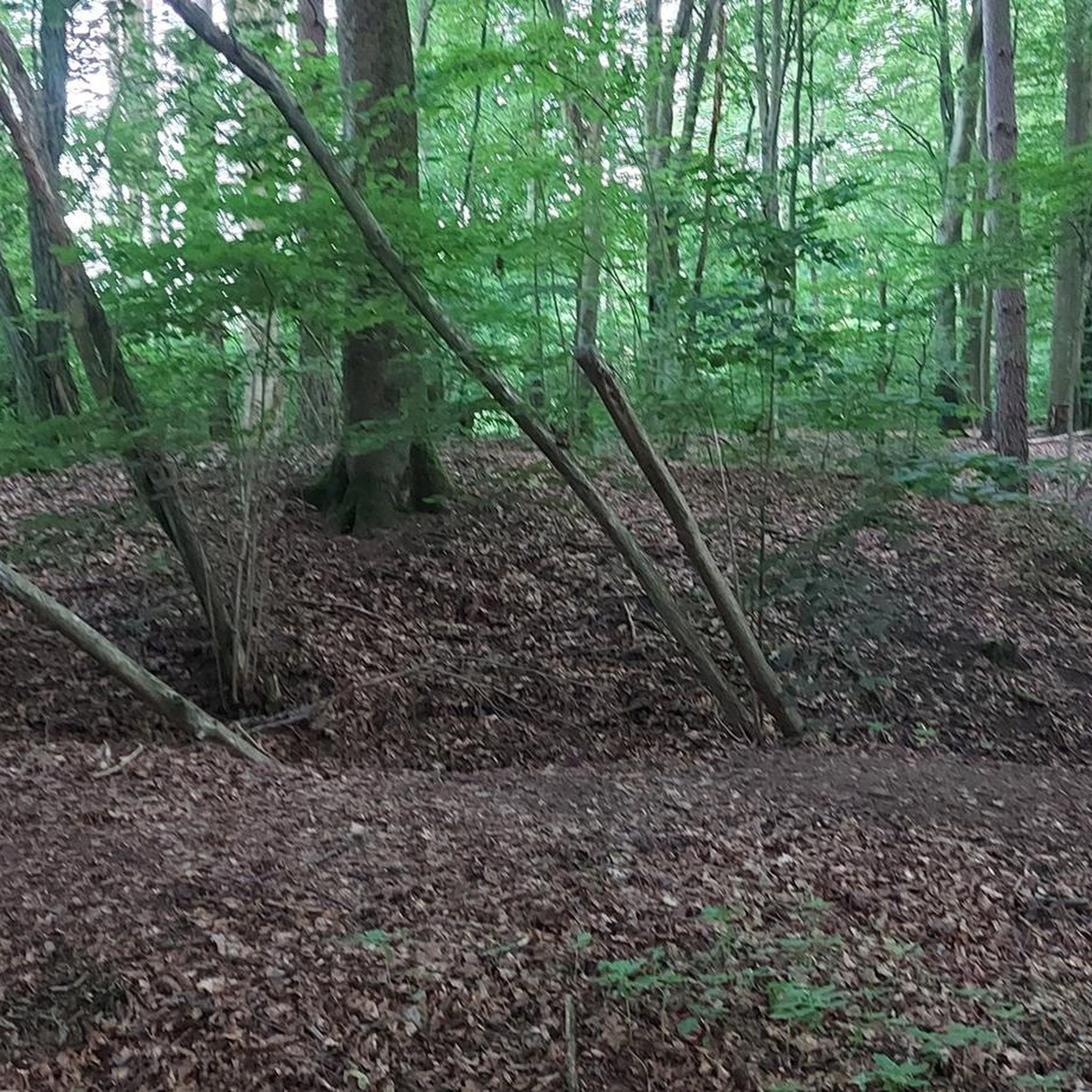
A gravel path meandering through the trees.
1
0


더 살펴보기
다른 지역의 최고의 자전거 경로를 살펴보세요.
