4.8
(110)
1,147
자전거 타는 사람
92
라이딩
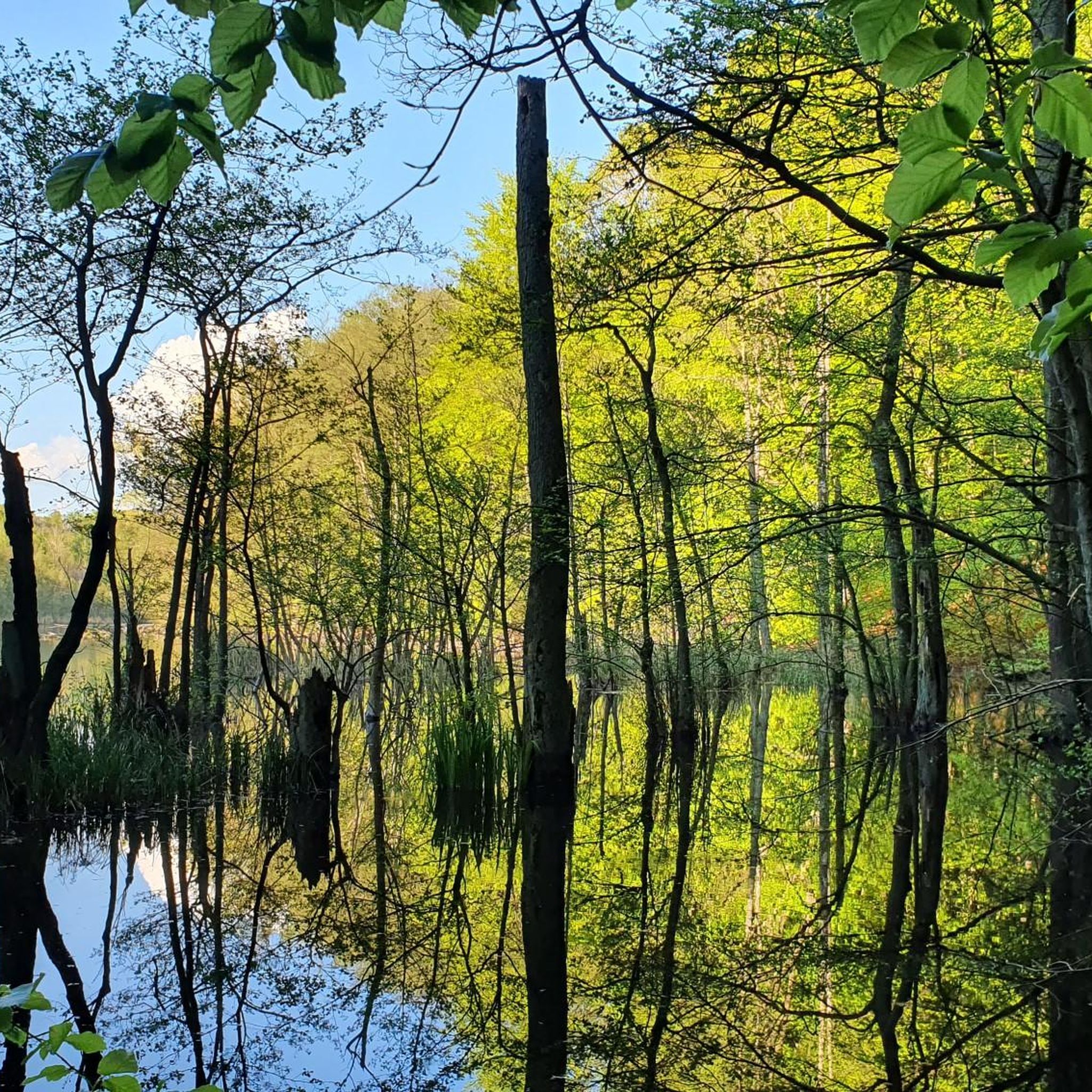
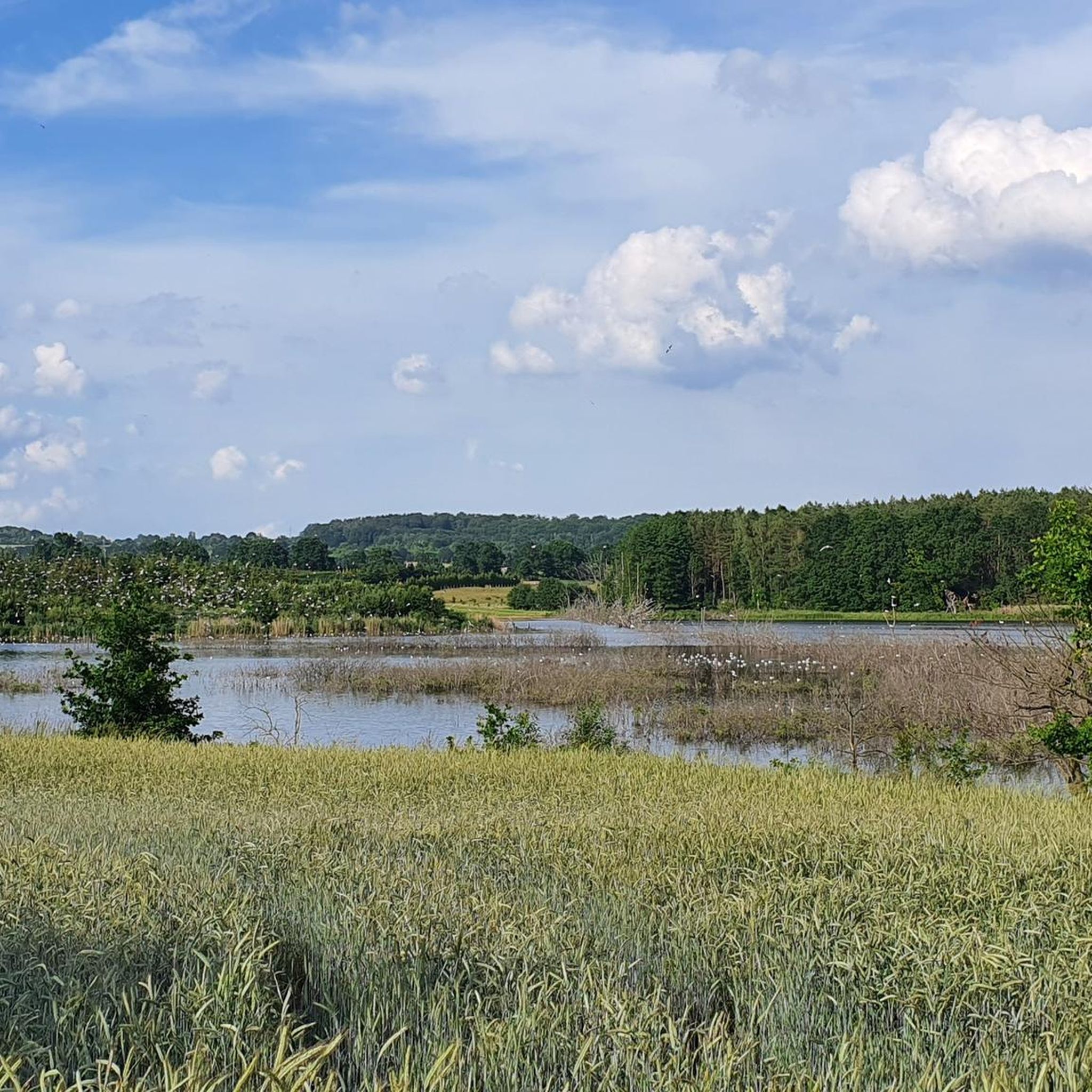
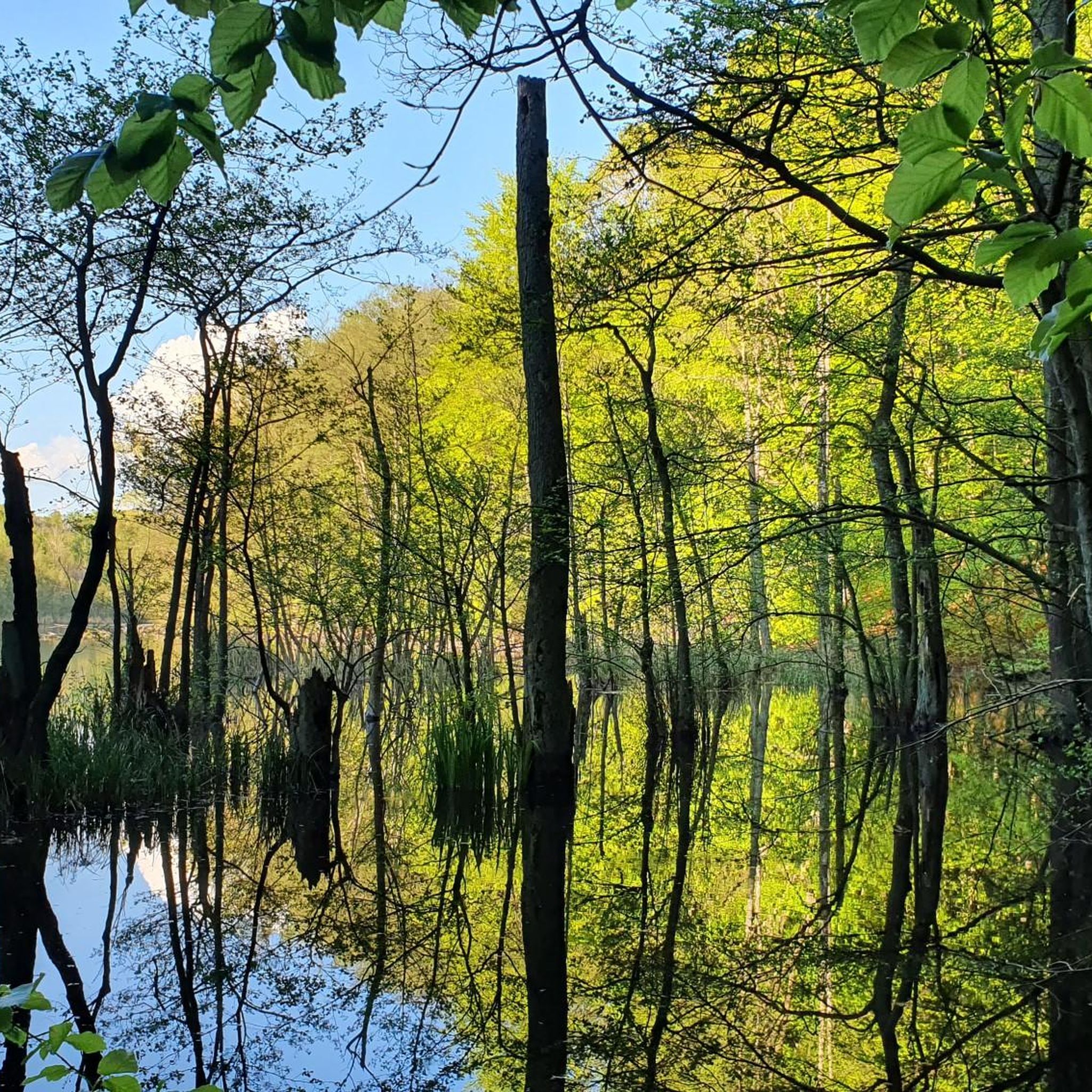
산악자전거 코스는 Piasecznik Wielki 주변의 다양한 자연 경관, 특히 그림 같은 Piasecznik Wielki 호수를 특징으로 하는 지역에 자리 잡고 있습니다. 더 넓은 지역에는 Bukowe Hills와 광활한 너도밤나무 숲(Puszcza Bukowa)이 포함되어 있으며, 울창한 숲, 강 계곡, 완만한 언덕을 제공합니다. 이러한 지형은 비포장 숲길부터 자갈길까지 다양한 산악자전거 코스를 제공하여 여러 경험 수준에 적합합니다.
마지막 업데이트: 3월 29, 2026
6
자전거 타는 사람
19.1km
01:46
350m
350m
보통 산악 자전거 타기. 좋은 체력 필요. 뛰어난 라이딩 실력이 필요함.
4.6
(11)
119
자전거 타는 사람
56.7km
05:00
900m
900m
어려운 산악 자전거 타기. 우수한 체력 필요. 뛰어난 라이딩 실력이 필요함.
무료 회원 가입
4.0
(2)
20
자전거 타는 사람
25.8km
01:32
190m
190m
보통 산악 자전거 타기. 모든 체력 수준에 적합. 뛰어난 라이딩 실력이 필요함.
4.0
(2)
12
자전거 타는 사람
20.5km
01:19
160m
160m
보통 산악 자전거 타기. 모든 체력 수준에 적합. 뛰어난 라이딩 실력이 필요함.
17
자전거 타는 사람
18.8km
01:47
360m
360m
보통 산악 자전거 타기. 좋은 체력 필요. 뛰어난 라이딩 실력이 필요함.
더 다양한 경로와 다른 탐험가들의 추천을 살펴보세요.
무료 회원 가입
이미 komoot 계정이 있나요?
투어 추천은 다른 사람들이 komoot에서 완료한 수천 개의 활동을 바탕으로 구성되어 있습니다.
오늘 무료 계정으로 시작하세요
다음 모험이 기다리고 있어요.
로그인 또는 가입하기
A former chalk and marl mine operated by the nearby "Stern" Portland cement factory, founded in 1862 and owned by the Toepffer family. In 1925, a sudden flood of groundwater through a layer of permeable sand led to the quarry's opening. The quarry quickly filled with water. People were immediately evacuated. The quarry was flooded. Emerald Lake was created, which owes its color and name to the high calcium carbonate content in the water and the reflection of light from the chalk bed. In good weather, railway wagons and even workers' tools can still be seen at the bottom of the lake. A concrete bridge, part of the railway track used to transport chalk output to the nearby cement plant, still stands near the lake today.
0
1
The Groński boulder is an erratic boulder: a colossus. It has been a natural monument since 1956. And who was Groński? Stanisław Groński was a Polish mountaineer and a pioneer of tourism in the Szczecin region, as you will learn from the information placed on the boulder itself. Mr. Groński died a tragic death during an expedition to Mont Blanc in 1957.
0
0
Carl Ludwig Gené (born May 8, 1820 in Kossenblatt, died June 16, 1893 near Szczecin) – German forester of French origin He studied at the Forstakademie in Eberswalde. In the years 1849–1855 he held the position of district forester in Inowrocław, and from 1863 in Śmierdnica near Szczecin. In 1870 he discovered lignite deposits near Kłobuck. He was a lover of the Beech Forest and a discoverer of its natural, landscape and tourist values. He marked out new roads and walking trails in its area and designated viewpoints. He also discovered numerous erratic boulders and monumental trees. Around 1870, on the grounds of the forest nursery established in 1823 in Glinna, he began planting rare and original species of trees, which consequently led to the creation of a dendrological garden that exists to this day. He died on June 16, 1893 in the Bukowa Forest, shot by a poacher. In 1894, the Bukowa Forest Lovers' Society funded a monument to Carl Ludwig Gené, located on Piekielnik Hill in the Bukowa Forest.
1
0
Groński's boulder was protected as a natural monument in 1956. Previously, it was called the Aleksander Świętochowski Stone or Bolkowy Głaz, in honour of Bolesław Krzywousty. The boulder is 1235 cm in circumference, 450 cm long and about 150 cm high. It also has a hole for placing an explosive charge. In 1959, a plaque was placed on the boulder with the inscription "In memory of Stanisław Groński, a leading Polish mountaineer, a pioneer of tourism in the Szczecin Region. He died in the Mount Blanc massif in August 1957." Stanisław Groński was a very colourful character. He was passionate about the mountains, which was partly due to his origins. He was the son of a Tatra juhas. He went on many expeditions to the Alps and the Atlas Mountains in Morocco. During World War II, he supported partisans from the Polish Underground State. Later, fate brought him to Szczecin. He settled there with his family. Even though he worked for the Polish State Railways, he was completely absorbed by local studies. He became an expert and a bard of Western Pomerania. He never forgot about the mountains, and they never forgot about him. He died in 1957 while traversing Mont Blanc. The boulder bearing his name in the Bukowa Forest is not the only one. His memory was also honored with symbolic plaques in the Julian Alps, at the Tatra Symbolic Cemetery near Osterwa and at the cemetery in Chamonix.
1
1
Carl Ludwig Gené (born May 8, 1820 in Kossenblatt, died June 16, 1893 near Szczecin) – German forester of French origin He studied at the Forstakademie in Eberswalde. In the years 1849–1855 he held the position of district forester in Inowrocław, and from 1863 in Śmierdnica near Szczecin. In 1870 he discovered lignite deposits near Kłobuck. He was a lover of the Beech Forest and a discoverer of its natural, landscape and tourist values. He marked out new roads and walking trails in its area and designated viewpoints. He also discovered numerous erratic boulders and monumental trees. Around 1870, on the grounds of the forest nursery established in 1823 in Glinna, he began planting rare and original species of trees, which consequently led to the creation of a dendrological garden that exists to this day. He died on June 16, 1893 in the Bukowa Forest, shot by a poacher. In 1894, the Bukowa Forest Lovers' Society funded a monument to Carl Ludwig Gené, located on Piekielnik Hill in the Bukowa Forest.
2
1
Morowce are stones, dated to the end of the 18th century, which are commonly believed to have once marked the border between the lands of the Szczecin and Gryfino counties. There are 6 of them in the Bukowa Forest. You can also hear a mention that Morowce were placed to protect against the epidemic of plague, smallpox, and cholera.
0
1
Passage under the old viaduct of the A6 motorway, which was originally intended to connect Berlin with Königsberg (German: Königsberg) on the eastern border of the country, running through the so-called Polish Corridor.
0
1
다른 지역의 최고의 MTB 트레일를 살펴보세요.
무료로 가입하기