경로

플래너

기능

업데이트

App

로그인 또는 가입

앱 다운로드

로그인 또는 가입

로그인 또는 가입

경로
사이클링 경로
폴란드
더 낮은 실레 지아 Voivodeship
Wołów

돌리나 예지에르지시

돌리나 예지에르지시 최고의 사이클링 경로

4.6

(416)

1,574

자전거 타는 사람

116

라이딩

돌리나 예지에르지시 최고의 사이클링 경로를 지나며 멋진 자연공원을 만나보세요. 지금부터 가장 멋진 경로를 소개해드릴게요. 망설이지 말고, 돌리나 예지에르지시에서 즐기고 싶은 자전거 라이딩을 아래에서 찾아보세요.

마지막 업데이트: 5월 23, 2026

5.0

(1)

4

자전거 타는 사람

#1.

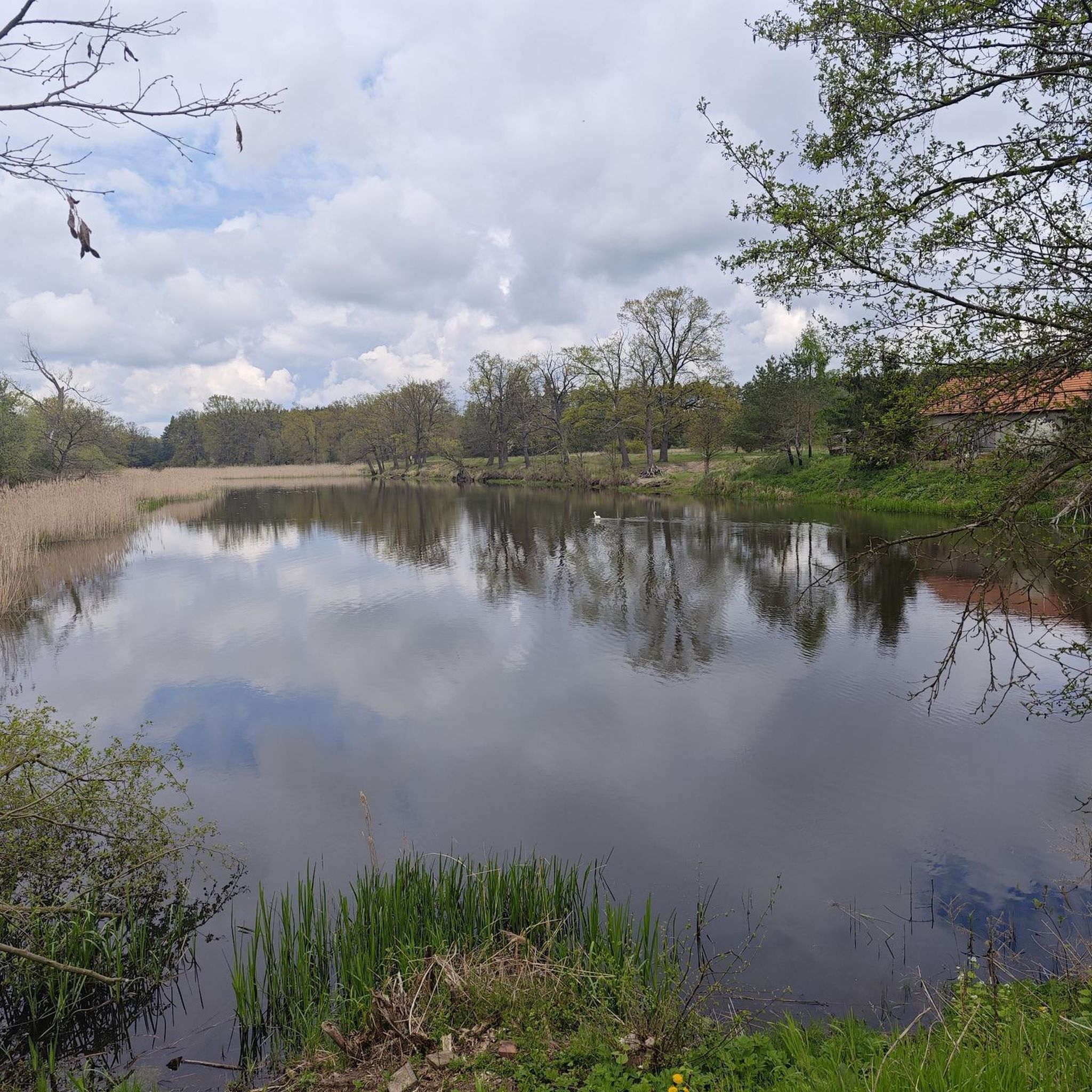
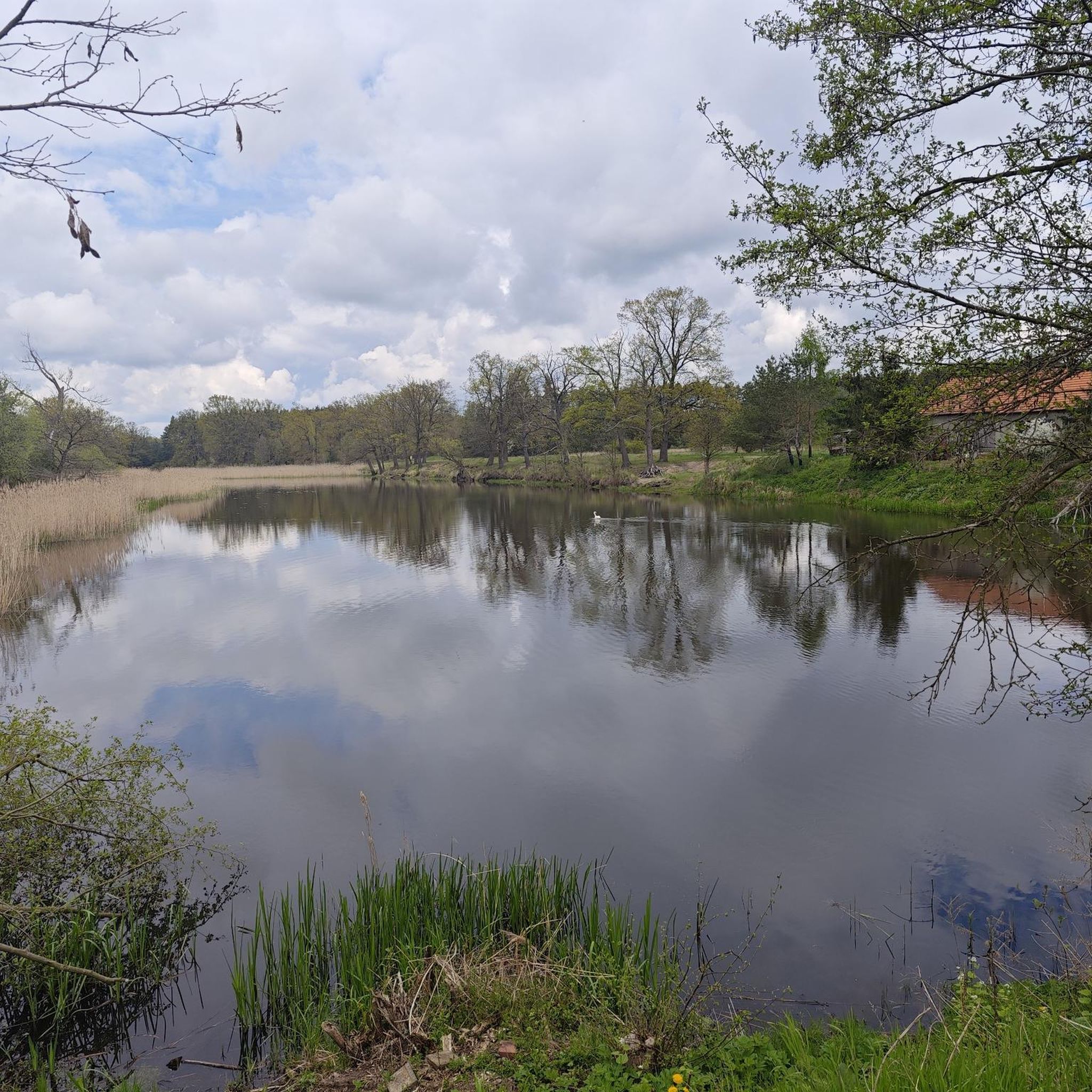
Gmina Wołów에서 출발하는 예지에지차 계곡의 연못 – 포트홀이 있는 자갈길 순환 코스

30.6km

02:15

100m

100m

보통 자전거 타기. 좋은 체력 필요. 대부분 포장된 지면. 실력과 관계없이 누구나 갈 수 있음.

기기에서 길안내

휴대폰으로 전송

저장

보통

초급용 자전거 라이딩. 모든 체력 수준에 적합. 대부분 포장된 지면. 실력과 관계없이 누구나 갈 수 있음.

초급
guide_signup
저희가 komoot 모바일 앱로 길을 안내해 드리겠습니다.
무료 komoot 계정로 끝없는 야외 모험을 손쉽게 찾고, 맞춤 설정하며 길안내할 수 있어요.

무료 회원 가입

보통 자전거 타기. 좋은 체력 필요. 대부분 포장된 지면. 실력과 관계없이 누구나 갈 수 있음.

보통

보통 자전거 타기. 좋은 체력 필요. 대부분 포장된 지면. 실력과 관계없이 누구나 갈 수 있음.

보통

보통 자전거 타기. 좋은 체력 필요. 대부분 포장된 지면. 실력과 관계없이 누구나 갈 수 있음.

보통
무료 회원 가입 후 돌리나 예지에르지시 주변 라이딩 경로를 112개 더 확인하세요

더 다양한 경로와 다른 탐험가들의 추천을 살펴보세요.

무료 회원 가입

이미 komoot 계정이 있나요?

투어 추천은 다른 사람들이 komoot에서 완료한 수천 개의 활동을 바탕으로 구성되어 있습니다.

오늘 무료 계정으로 시작하세요

다음 모험이 기다리고 있어요.
로그인 또는 가입하기

돌리나 예지에르지시 주변 인기 장소

돌리나 예지에르지시 하이킹

돌리나 예지에르지시 로드 사이클링 경로

돌리나 예지에르지시 MTB 트레일

돌리나 예지에르지시 주변 그래블 라이딩

돌리나 예지에르지시 러닝 트레일

커뮤니티 팁

Tomek
1월 4, 2026, Cyclist Shelter on the Odra Loop

Covered rest area.

번역: Google

0

0

The abbey grounds are accessible, allowing you to explore every nook and cranny. The abbey itself can also be explored inside. I highly recommend it 😀👍

번역: Google

0

0

Pricey, but the location somewhat justifies it, with a provincial Italian feel. The food is okay, and the local beer is good. It's hard to find a seat on weekend afternoons, but it's a bit cheaper during the week, but still quite crowded.

번역: Google

1

0

Premium gravel and a beautiful forest, in places overgrown with large ferns, which looks phenomenal.

번역: Google

0

0

A Brief History of the Cistercian Abbey in Lubiąż The Cistercian Abbey in Lubiąż is one of the largest and most important monastic complexes in Central Europe. The beginnings of monastic settlement in Lubiąż date back to the 11th century, when the Benedictines probably had their establishment here. However, the real flourishing of the monastery began with the arrival of the Cistercians in 1163 from Pforta in Thuringia. They were brought by Duke Bolesław the Tall, who gave them lands in Lubiąż. The Cistercians, known for their diligence and management skills, quickly developed the monastery estates, establishing farms, fish ponds and mills. The abbey became an important economic, cultural and religious centre in Silesia. During the Middle Ages, Lubiąż was one of the richest and most influential Cistercian monasteries in Europe. Its abbots played a significant role in the political and ecclesiastical life of the region. Valuable manuscripts were created here, craftsmanship developed, and the monastery library gathered rich collections. The period of the Hussite Wars in the 15th century brought considerable destruction and the decline of the abbey. The monastery was burned down and plundered, and the number of monks decreased significantly. A revival took place in the second half of the 15th century and lasted through the 16th century, but on a smaller scale than during the period of glory. The real revival and Baroque reconstruction of the abbey took place in the 17th and 18th centuries. Monumental buildings were built at that time, such as an impressive church, library, refectory and abbots' palace. With the secularization of the monastic property in Prussia in 1810, the Lubiąż Abbey was dissolved. The monastery property was taken over by the Prussian state, and the buildings served various functions - from a psychiatric hospital, through warehouses, to barracks. Many valuable works of art and books were dispersed or destroyed. After World War II, Lubiąż found itself within the borders of Poland. The condition of the buildings was dramatic – the monastery was neglected, devastated and gradually fell into ruin. It was only in recent decades that intensive conservation and revitalization work was undertaken. Since 1989, the management of the abbey was taken over by the Lubiąż Foundation, which, together with the Ministry of Culture and National Heritage and EU funds, is conducting extensive renovation work. Thanks to this, it is gradually regaining its former glory and is being made available to visitors. Currently, the Cistercian abbey in Lubiąż is one of the greatest tourist attractions in Lower Silesia and a testament to the rich history of the region.

번역: Google

2

0

A Brief History of the Cistercian Abbey in Lubiąż The Cistercian Abbey in Lubiąż is one of the largest and most important monastic complexes in Central Europe. The beginnings of monastic settlement in Lubiąż date back to the 11th century, when the Benedictines probably had their establishment here. However, the real development of the monastery began with the arrival of the Cistercians in 1163 from Pforta in Thuringia. They were brought by Duke Bolesław the Tall, who gave them lands in Lubiąż. The Cistercians, known for their diligence and management skills, quickly developed the monastery estates, establishing farms, fish ponds and mills. The abbey became an important economic, cultural and religious centre in Silesia. During the Middle Ages, Lubiąż was one of the richest and most influential Cistercian monasteries in Europe. Its abbots played a significant role in the political and ecclesiastical life of the region. Valuable manuscripts were created here, craftsmanship developed, and the monastery library gathered rich collections. The period of the Hussite Wars in the 15th century brought significant destruction and decline to the abbey. The monastery was burned and plundered, and the number of monks decreased significantly. Rebirth occurred in the second half of the 15th century and lasted through the 16th century, but on a smaller scale than during the period of glory. The real rebirth and Baroque reconstruction of the abbey took place in the 17th and 18th centuries. Monumental buildings were built at that time, such as an impressive church, library, refectory and abbots' palace. With the secularization of the monastic property in Prussia in 1810, the Lubiąż Abbey was dissolved. The monastery property was taken over by the Prussian state, and the buildings served various functions - from a psychiatric hospital, through warehouses, to barracks. Many valuable works of art and books were dispersed or destroyed. After World War II, Lubiąż found itself within the borders of Poland. The condition of the buildings was dramatic – the monastery was neglected, devastated and gradually fell into ruin. Only in recent decades have intensive conservation and revitalization works been undertaken. Since 1989, the management of the abbey has been taken over by the Lubiąż Foundation, which, together with the Ministry of Culture and National Heritage and EU funds, is conducting extensive renovation works. Thanks to this, it is gradually regaining its former glory and is being made available to visitors. Currently, the Cistercian abbey in Lubiąż is one of the greatest tourist attractions in Lower Silesia and a testimony to the rich history of the region.

번역: Google

2

0

Europe's largest abbey. Only a small part can be visited; the rest is still in ruins. But it's a beautiful complex.

번역: Google

0

0

largest abbey in Europe

번역: Google

0

0

돌리나 예지에르지시 주변에서 가장 인기 있는 경로

돌리나 예지에르지시 교통량 없는 자전거 라이딩

돌리나 예지에르지시 주변에서 가장 인기 있는 명소

Places to see

Store rating

komoot 모바일 앱으로 영감을 받아보세요

무료 komoot 계정로 끝없는 야외 모험을 손쉽게 찾고, 맞춤 설정하며 길안내할 수 있어요.

또는

지금 komoot에 가입하세요

Store rating

더 살펴보기

다른 지역의 최고의 자전거 경로를 살펴보세요.

WołówBrzeg DolnyObszar Chronionego Krajobrazu Doliny Odry레제르와트 우로치스코 브르조시Wińsko

근처 어드벤처 가이드

레제르와트 우로치스코 브르조시 즐길거리

background

새로운 정복을 위한 준비를 하세요

무료로 가입하기

탐험하기
경로경로 플래너기능하이킹MTB 트레일로드 사이클링 경로바이크패킹사이트맵
앱 다운로드
소셜 미디어에서 팔로우하기

© komoot GmbH

개인 정보 보호 정책