4.5
(20)
284
자전거 타는 사람
67
라이딩
브리에바에 있는 멋진 산악자전거 라이딩 경로를 따라 어디로 가 볼까요? 브리에바에 있는 MTB 경로 컬렉션 중에서 가장 멋진 장소를 아래에서 살펴보세요.
마지막 업데이트: 4월 8, 2026
5.0
(1)
30
자전거 타는 사람
54.9km
04:30
660m
660m
어려운 산악 자전거 타기. 좋은 체력 필요. 뛰어난 라이딩 실력이 필요함. 투어 중 자전거를 끌고 가야 하는 구간이 있을 수 있음.
11
자전거 타는 사람
60.1km
04:28
660m
650m
보통 산악 자전거 타기. 좋은 체력 필요. 실력과 관계없이 누구나 갈 수 있음.
무료 회원 가입
5.0
(1)
7
자전거 타는 사람
38.9km
03:17
770m
770m
보통 산악 자전거 타기. 좋은 체력 필요. 실력과 관계없이 누구나 갈 수 있음.
7
자전거 타는 사람
50.2km
04:15
930m
930m
어려운 산악 자전거 타기. 우수한 체력 필요. 뛰어난 라이딩 실력이 필요함.
4
자전거 타는 사람
30.8km
02:28
380m
380m
어려운 산악 자전거 타기. 좋은 체력 필요. 뛰어난 라이딩 실력이 필요함. 투어 중 자전거를 끌고 가야 하는 구간이 있을 수 있음.
더 다양한 경로와 다른 탐험가들의 추천을 살펴보세요.
무료 회원 가입
이미 komoot 계정이 있나요?
투어 추천은 다른 사람들이 komoot에서 완료한 수천 개의 활동을 바탕으로 구성되어 있습니다.
오늘 무료 계정으로 시작하세요
다음 모험이 기다리고 있어요.
로그인 또는 가입하기

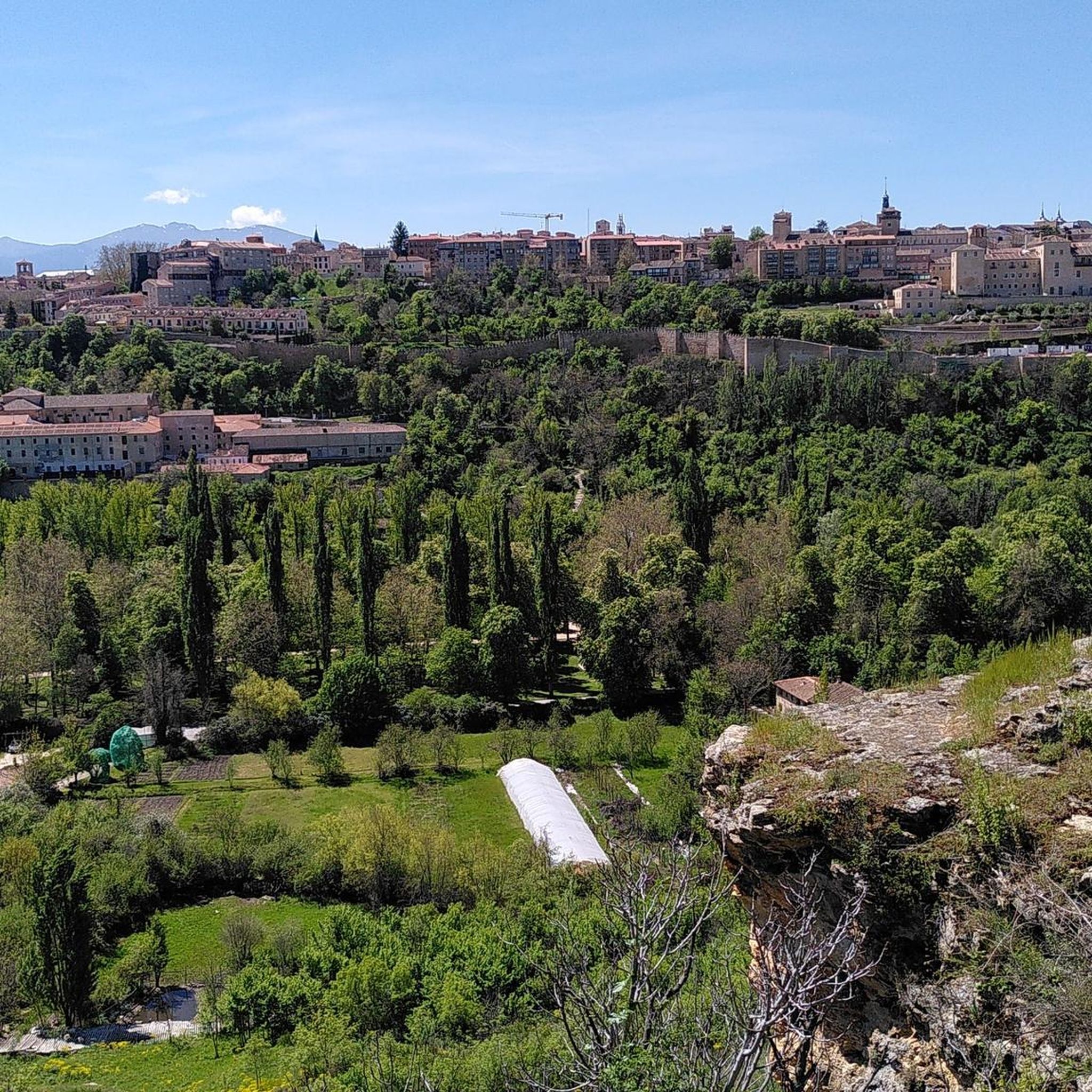
The Segovia Aqueduct is an impressive architectural structure dating back to the 1st century AD and was built by the Romans during their occupation of Hispania. Its main function was to supply water to the city of Segovia, transporting it from the mountains to the city centre. The aqueduct carries water from the Fuenfría spring, located in the mountains about 17 kilometres from the city, to the centre of Segovia. The water is collected in a cistern called El Caserón and then carried through a channel of ashlars to a second tower known as Casa de Aguas. After travelling for more than 15 km, it reaches the city. The Segovia Aqueduct is a heraldic symbol of the city and one of the most impressive works that the Romans left behind in their vast empire. If you ever have the chance to visit it, I highly recommend you do. It's truly amazing! 😊🏛️
8
0
The Segovia Aqueduct is an impressive architectural structure dating back to the 1st century AD and was built by the Romans during their occupation of Hispania. Its main function was to supply water to the city of Segovia, transporting it from the mountains to the city centre. The aqueduct carries water from the Fuenfría spring, located in the mountains about 17 kilometres from the city, to the centre of Segovia. The water is collected in a cistern called El Caserón and then carried through a channel of ashlars to a second tower known as Casa de Aguas. After travelling for more than 15 km, it reaches the city. The Segovia Aqueduct is a heraldic symbol of the city and one of the most impressive works that the Romans left behind in their vast empire. If you ever have the chance to visit it, I highly recommend you do. It's truly amazing! 😊🏛️
5
0
The Segovia Aqueduct is an impressive architectural structure dating back to the 1st century AD and was built by the Romans during their occupation of Hispania. Its main function was to supply water to the city of Segovia, transporting it from the mountains to the city centre. The aqueduct carries water from the Fuenfría spring, located in the mountains about 17 kilometres from the city, to the centre of Segovia. The water is collected in a cistern called El Caserón and then carried through a channel of ashlars to a second tower known as Casa de Aguas. After travelling for more than 15 km, it reaches the city. The Segovia Aqueduct is a heraldic symbol of the city and one of the most impressive works that the Romans left behind in their vast empire. If you ever have the chance to visit it, I highly recommend you do. It's truly amazing! 😊🏛️
5
0
The Segovia Aqueduct is an impressive architectural structure dating back to the 1st century AD and was built by the Romans during their occupation of Hispania. Its main function was to supply water to the city of Segovia, transporting it from the mountains to the city centre. The aqueduct carries water from the Fuenfría spring, located in the mountains about 17 kilometres from the city, to the centre of Segovia. The water is collected in a cistern called El Caserón and then carried through a channel of ashlars to a second tower known as Casa de Aguas. After travelling for more than 15 km, it reaches the city. The Segovia Aqueduct is a heraldic symbol of the city and one of the most impressive works that the Romans left behind in their vast empire. If you ever have the chance to visit it, I highly recommend you do. It's truly amazing! 😊🏛️
5
0
The Segovia Aqueduct is an impressive architectural structure dating back to the 1st century AD and was built by the Romans during their occupation of Hispania. Its main function was to supply water to the city of Segovia, transporting it from the mountains to the city centre. The aqueduct carries water from the Fuenfría spring, located in the mountains about 17 kilometres from the city, to the centre of Segovia. The water is collected in a cistern called El Caserón and then carried through a channel of ashlars to a second tower known as Casa de Aguas. After travelling for more than 15 km, it reaches the city. The Segovia Aqueduct is a heraldic symbol of the city and one of the most impressive works that the Romans left behind in their vast empire. If you ever have the chance to visit it, I highly recommend you do. It's truly amazing! 😊🏛️
6
0
Path that goes up to the Watchtower.
0
0
The patronage of this episcopal church (cathedral) "Nuestra Señora de La Asunción" (sometimes also called "Santa Maria Asunción", in German-speaking countries it is called "Mariä Himmelfahrt") refers to one of the many memorial or feast days in honor of the Mother of God Mary in the church year. It goes back to the feast of her bodily assumption into heaven, which the (Catholic) Church celebrates annually on August 15th. In Orthodox churches, the feast is celebrated under the name "Maria Entschläfung". In more rural areas, it is part of local custom - depending on the region - that on this day bundles of herbs are collected by the population and blessed in the festive service.
3
0
다른 지역의 최고의 MTB 트레일를 살펴보세요.
무료로 가입하기