20의 칼자다 데 칼라트라바가지 명소 & 주요 장소
칼자다 데 칼라트라바에는 둘러볼 만한 장소가 많답니다. 하이킹 또는 사이클링을 좋아한다면 칼자다 데 칼라트라바에 숨겨진 20
가지 보석을 만날 수 있을 거예요. 이 지역의 주요 명소를 살펴보면서 다음 모험을 계획해보세요.
마지막 업데이트: 8월 25, 2026

이런 장소를 발견하려면 지금 가입하세요
최고의 싱글 트랙, 봉우리 및 다양한 흥미로운 야외 장소에 대한 추천을 받아보세요.
무료 회원 가입
라 바타네라 암각화 유적지
하이라이트 • 역사적 장소
번역자 Google •
팁에 의해
Peñaescrita의 암각화
하이라이트 • 역사적 장소
번역자 Google •
팁에 의해
오늘 무료 계정으로 시작하세요
다음 모험이 기다리고 있어요.
로그인 또는 가입하기

커뮤니티 팁

The Batanera Waterfall and Shelter is located in the Alcudia Valley and Sierra Madrona Natural Park. Route 10.- LAS LASTRAS- LA BATANERA
16
0

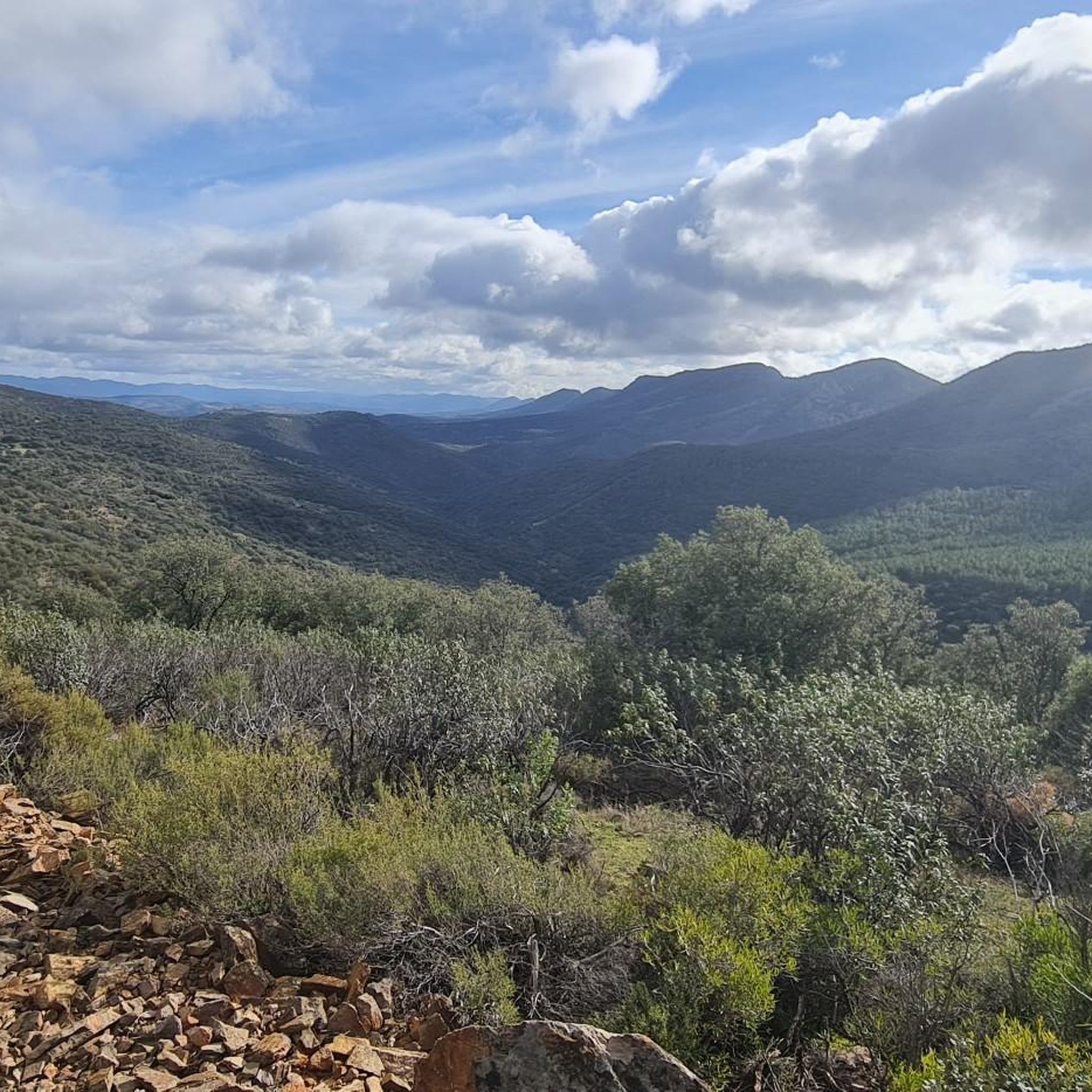
The Sierra Madrona has this, spaces like the Cascada de la Batanera, a river that forms a waterfall full of life and charm, ideal for passing by and cooling off!
2
0
Area where stones appear in the background and where there are a group of rock paintings that show us how old these areas are, already inhabited since time immemorial.
0
1
Located at the foot of the Monument to the Miner, an imposing bronze sculpture, the work of Pepe Noja, which represents the mining history of the city, borders the volcanic area of Campo de Calatrava and in its vicinity is the Valley of Alcudia. Mining activity is of special importance with the Mining Museum, a building that surrounds an old headframe and simulates a coal selection workshop. On its two floors, the museum discourse addresses the transformation of Puertollano into an industrial city due to the discovery of coal. The mining tradition of this town is very present in its different corners, such as the Castillete de Santa María, which welcomes its visitors at the entrance to the city. It is also worth seeing the Monument to the Miner, mentioned above and located on the Cerro de Santa Ana, from which we will obtain a fantastic panoramic view of the city and its surroundings.
7
0

Puertollano is a Spanish town in the province of Ciudad Real, in the autonomous community of Castilla-La Mancha. Traditionally it has been associated with oil shale and coal mining and industry. The area in which Puertollano is located was inhabited since prehistoric times, finding archaeological remains that correspond to Homo heidelbergensis and Homo antecessor. The city was born during the Middle Ages, linked to the repopulation process of Castile during the 13th century. In the 16th century, Puertollano received the rank of town, a privilege granted by Felipe II. At that time Puertollano is an important agricultural and livestock center. The demographic consolidation of the city occurs at the end of the 19th century, with the development of coal mining and the inauguration of the train line between Madrid and Badajoz. Its cultural heritage corresponds mainly to religious buildings, such as the church of Nuestra Señora de la Soledad (14th century), the church of the Virgen de Gracia (15th century) and the church of La Asunción (16th century). There is also a mining museum, and an old medicinal sour water spa, known as the Casa de Baños and which today is a municipal office for citizen assistance.
3
0
A well-known place in the vicinity of Fuencaliente, where in the same place, you can enjoy a beautiful waterfall and shelters with cave paintings, all surrounded by the mountains and nature that characterize the Sierra Madrona.
32
0
La Batanera Waterfall: Route 10 'Las Lastras-La Batanera' (Fuencaliente)
31
0
They are located in the municipality of Fuencaliente and are one of the largest and best preserved groups of schematic cave paintings on the Iberian Peninsula. They appear in quartzite rock shelters located south of Ciudad Real province, in the foothills of Sierra Morena, at 920 meters. of altitude.
30
0
칼자다 데 칼라트라바 주변에서 가장 인기 있는 명소


더 살펴보기
찾고 있는 하이라이트를 아직 못 찾으셨나요? 다른 지역의 주요 명소 가이드를 확인해보세요:
