몰리나 최고의 워킹 & 하이킹 경로
4.2
(132)
567
등산객
43
하이킹
정확한 경로를 찾는 것이 때로는 어렵지만 몰리나에서 하이킹을 하면 다양한 경치를 마음껏 감상할 수 있답니다. 몰리나에서 가장 멋진 하이킹과 워킹 중에서 마음에 드는 활동을 시작해보세요.
마지막 업데이트: 8월 18, 2026
4.5
(4)
10
등산객
7.82km
02:08
120m
120m
보통 하이킹. 좋은 체력 필요. 실력과 관계없이 누구나 쉽게 갈 수 있는 길.
4.28km
01:12
90m
90m
초급용 하이킹. 모든 체력 수준에 적합. 실력과 관계없이 누구나 쉽게 갈 수 있는 길.

무료 회원 가입
3.5
(4)
20
등산객
5.30km
01:23
30m
30m
초급용 하이킹. 모든 체력 수준에 적합. 실력과 관계없이 누구나 쉽게 갈 수 있는 길.
4.5
(11)
20
등산객
7.33km
02:06
170m
170m
보통 하이킹. 좋은 체력 필요. 실력과 관계없이 누구나 쉽게 갈 수 있는 길.
4.3
(3)
8
등산객
27.1km
09:00
910m
910m
어려운 하이킹. 우수한 체력 필요. 대부분 갈 수 있는 길. 미끄러지지 않게 조심해야 함.
더 다양한 경로와 다른 탐험가들의 추천을 살펴보세요.
무료 회원 가입
이미 komoot 계정이 있나요?
투어 추천은 다른 사람들이 komoot에서 완료한 수천 개의 활동을 바탕으로 구성되어 있습니다.
오늘 무료 계정으로 시작하세요
다음 모험이 기다리고 있어요.
로그인 또는 가입하기
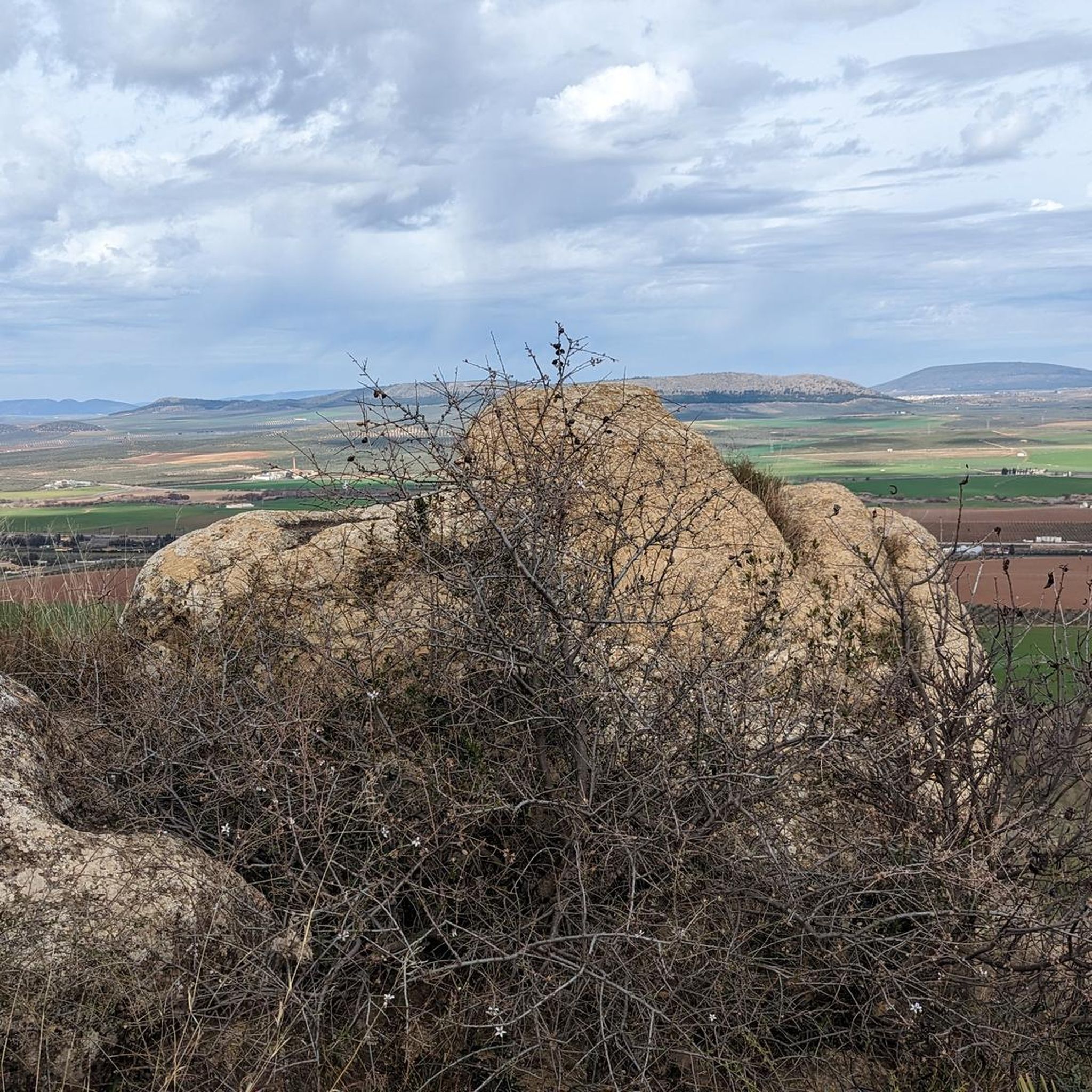
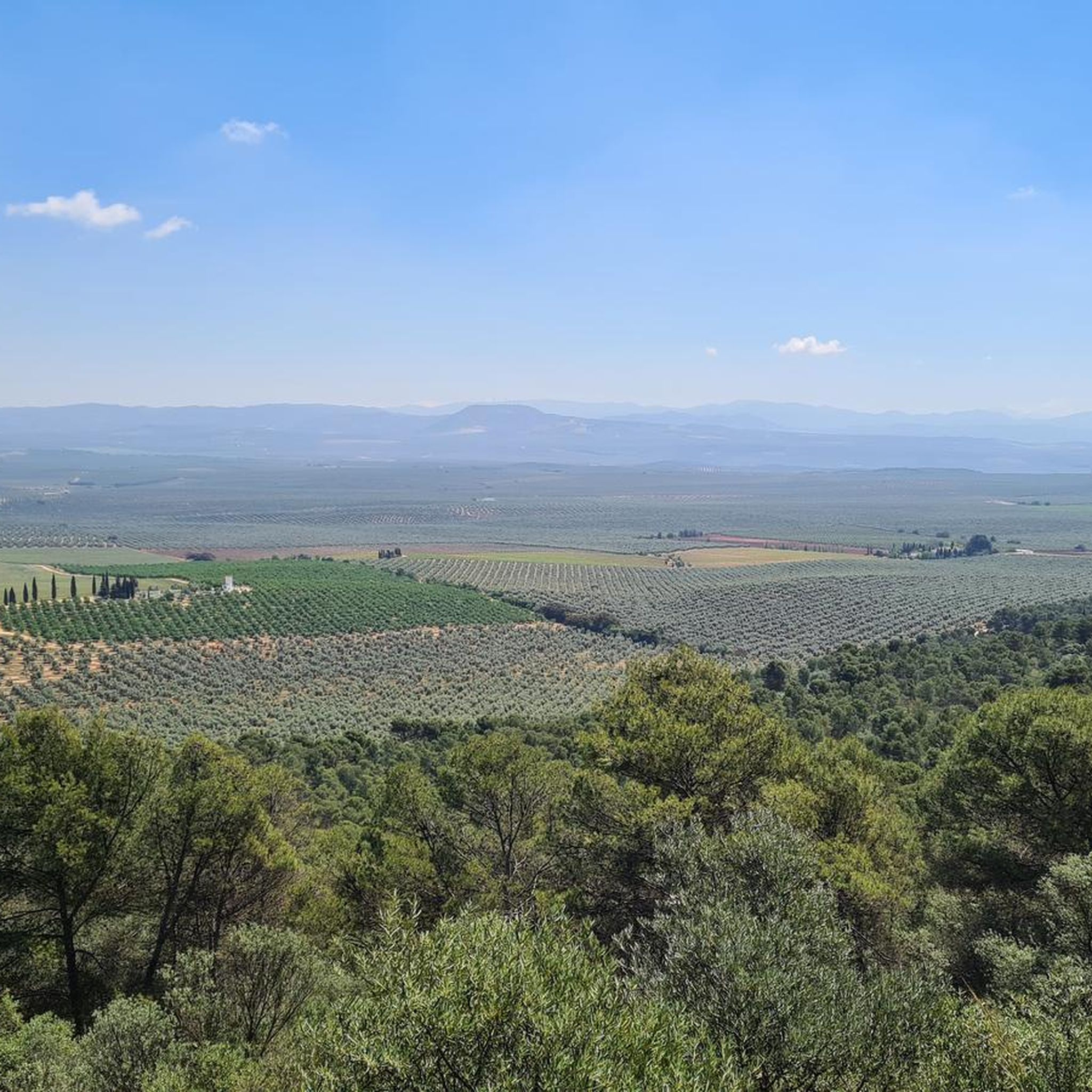
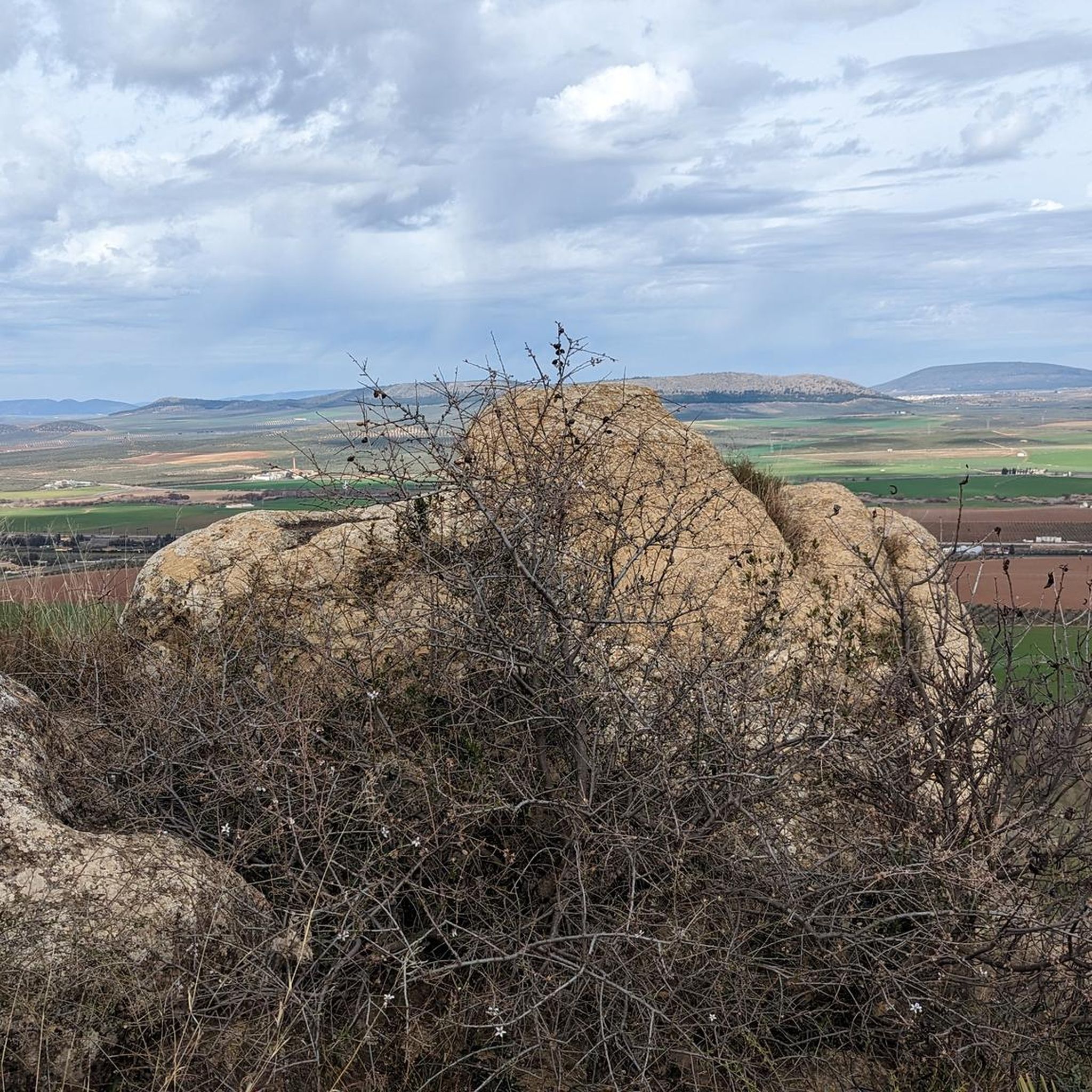
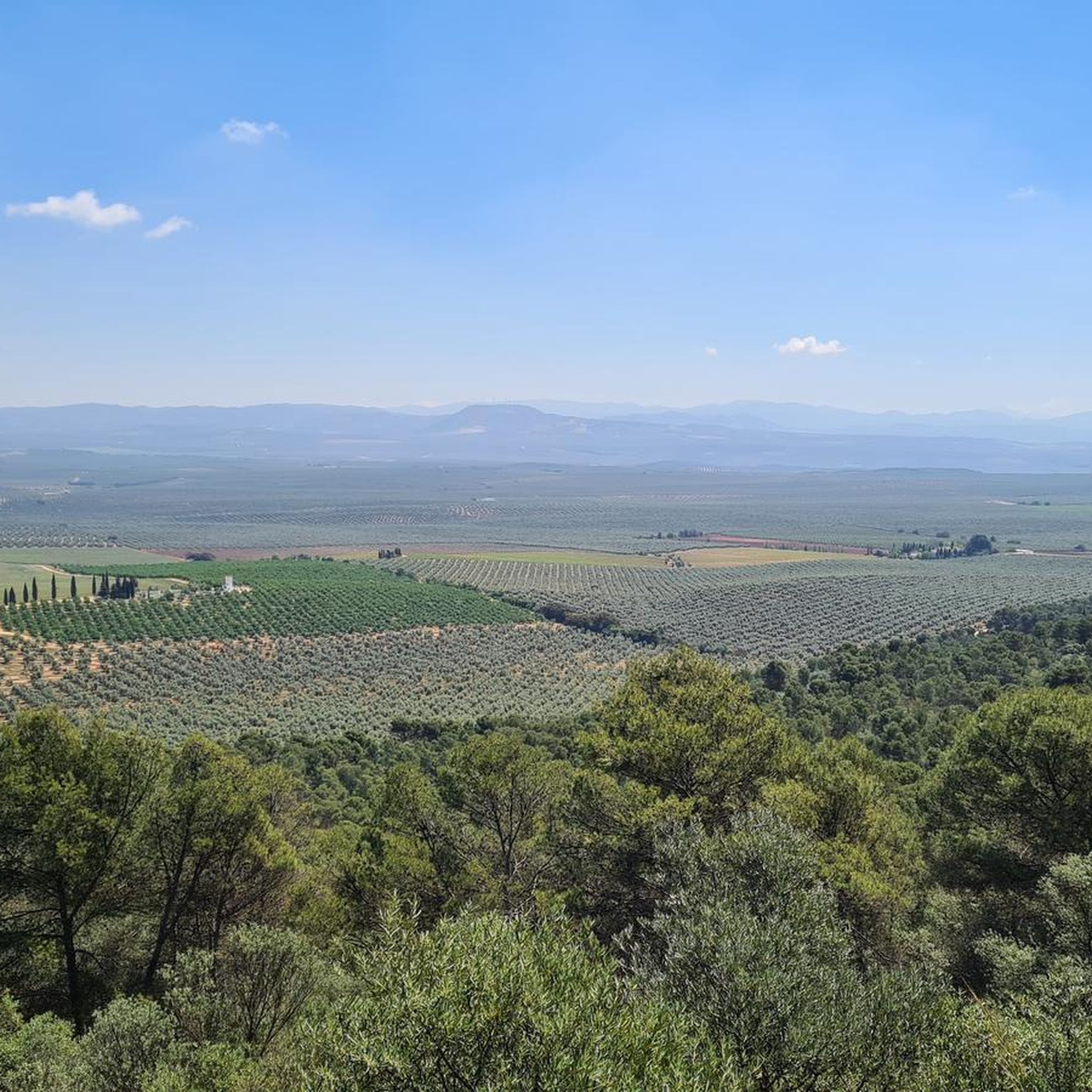
커뮤니티 팁

이 지형을 통과하는 길은 걷기에 정말 환상적이며 감탄을 금할 수 없습니다.
0
0

The Mirador Niña de Antequera offers excellent views over the eastern part of the old town of Antequera and the surrounding mountains.
0
0

The Laguna de Fuente de Piedra provides an important habitat for large flamingo colonies and is one of the most significant breeding grounds for this bird species in Europe. The shallow salt lagoon offers ideal conditions for the birds, allowing them to be observed there in large numbers, especially during the warmer months.
1
0

The Alcazaba de Antequera is a 14th-century Moorish fortress in the heart of the Andalusian city of Antequera. Built on the remains of an ancient Roman settlement, it served as a defensive fortification during the Muslim rule, protecting the city and the surrounding valley. After the Christian conquest in 1410 by Infante Ferdinand of Castile, the fortress became a key strategic point in the Kingdom of Castile. The imposing Torre del Homenaje (Tower of Homage) is particularly impressive, one of the largest keeps in Andalusia, offering panoramic views of the city, the Peña de los Enamorados (Peño de los Enamorados rock formation), and the surrounding landscape. A bell tower was later added to the tower, housing a large bell dating from 1582. Within the walls, remnants of residential buildings, cisterns, and fortifications can still be seen. Today, the Alcazaba is open to the public, offering a fascinating glimpse into the history of Antequera and Andalusia through its panoramic views and audio guides.
1
1
The Conjunto Arqueológico Dólmenes de Antequera (Antequera Dolmens Archaeological Site) is one of the most important prehistoric sites in Europe and is located on the outskirts of Antequera in Andalusia, directly on the Carretera de Málaga (Málaga Highway). The site comprises three large megalithic tombs – the Dolmen de Menga, the Dolmen de Viera, and the Tholos de El Romeral – as well as the two natural monuments Peña de los Enamorados and El Torcal de Antequera. Together, they have formed a UNESCO World Heritage Site since 2016, uniquely demonstrating the connection between humankind, architecture, and landscape. The Dolmen de Menga is the largest structure in the site and is among the most impressive megalithic tombs in Europe. It was built between approximately 3800 and 3600 BC and consists of enormous stone blocks assembled to form a long burial chamber. Particularly noteworthy is its alignment with the rock Peña de los Enamorados, suggesting a symbolic or ritual significance. Human remains and grave goods were found inside. Just a few meters away is the Dolmen de Viera, which is somewhat smaller and more classically constructed. It was built between approximately 3500 and 3000 BC and is oriented precisely to the east, so that sunlight falls directly into the burial chamber at the equinox. The third structure, the Tholos de El Romeral, lies about four kilometers away and dates from the Copper Age, around 2500 BC. Its circular shape and corbelled vault distinguish it from the older dolmens and represent a further development of the architectural techniques of that time.
0
0
The city gate of Antequera was built in 1749 in the Baroque style, demolished in the 19th century, and faithfully reconstructed in the 1990s. Today, the Puerta de Estepa is a symbolic gateway to the city.
3
0
The historic fountain is located in the center of Fuente de Piedra. Its origins date back to a natural spring known since ancient times. This spring was venerated by the Romans as Fons Divinus – "Divine Spring" – because its water was believed to have healing powers, particularly against gallstones. The name of the place, "Fuente de Piedra" ("Stone Spring"), derives directly from this spring. Over the centuries, it has remained a central landmark in the community. In the 1990s, the spring was uncovered and restored in the area of today's Plaza de la Constitución, so that today it serves as a historic landmark commemorating the town's Roman origins and long tradition.
0
0
몰리나 주변에서 가장 인기 있는 명소


더 살펴보기
다른 지역의 최고의 하이킹를 살펴보세요.
