라펠구아라프 최고의 워킹 & 하이킹 경로
4.6
(572)
3,906
등산객
141
하이킹
정확한 경로를 찾는 것이 때로는 어렵지만 라펠구아라프에서 하이킹을 하면 다양한 경치를 마음껏 감상할 수 있답니다. 라펠구아라프에서 가장 멋진 하이킹과 워킹 중에서 마음에 드는 활동을 시작해보세요.
마지막 업데이트: 10월 11, 2026
14
등산객
11.5km
03:31
320m
320m
보통 하이킹. 좋은 체력 필요. 대부분 갈 수 있는 길. 미끄러지지 않게 조심해야 함.
4.7
(3)
13
등산객
13.6km
03:45
220m
220m
보통 하이킹. 좋은 체력 필요. 실력과 관계없이 누구나 쉽게 갈 수 있는 길.

4.0
(1)
15
등산객
7.20km
02:21
320m
320m
보통 하이킹. 좋은 체력 필요. 대부분 갈 수 있는 길. 미끄러지지 않게 조심해야 함.
4.0
(2)
14
등산객
6.72km
01:51
110m
110m
초급용 하이킹. 모든 체력 수준에 적합. 실력과 관계없이 누구나 쉽게 갈 수 있는 길.
5
등산객
15.6km
04:58
580m
580m
보통 하이킹. 좋은 체력 필요. 대부분 갈 수 있는 길. 미끄러지지 않게 조심해야 함.
더 다양한 경로와 다른 탐험가들의 추천을 살펴보세요.
이미 komoot 계정이 있나요?
투어 추천은 다른 사람들이 komoot에서 완료한 수천 개의 활동을 바탕으로 구성되어 있습니다.
오늘 무료 계정으로 시작하세요
다음 모험이 기다리고 있어요.

커뮤니티 팁

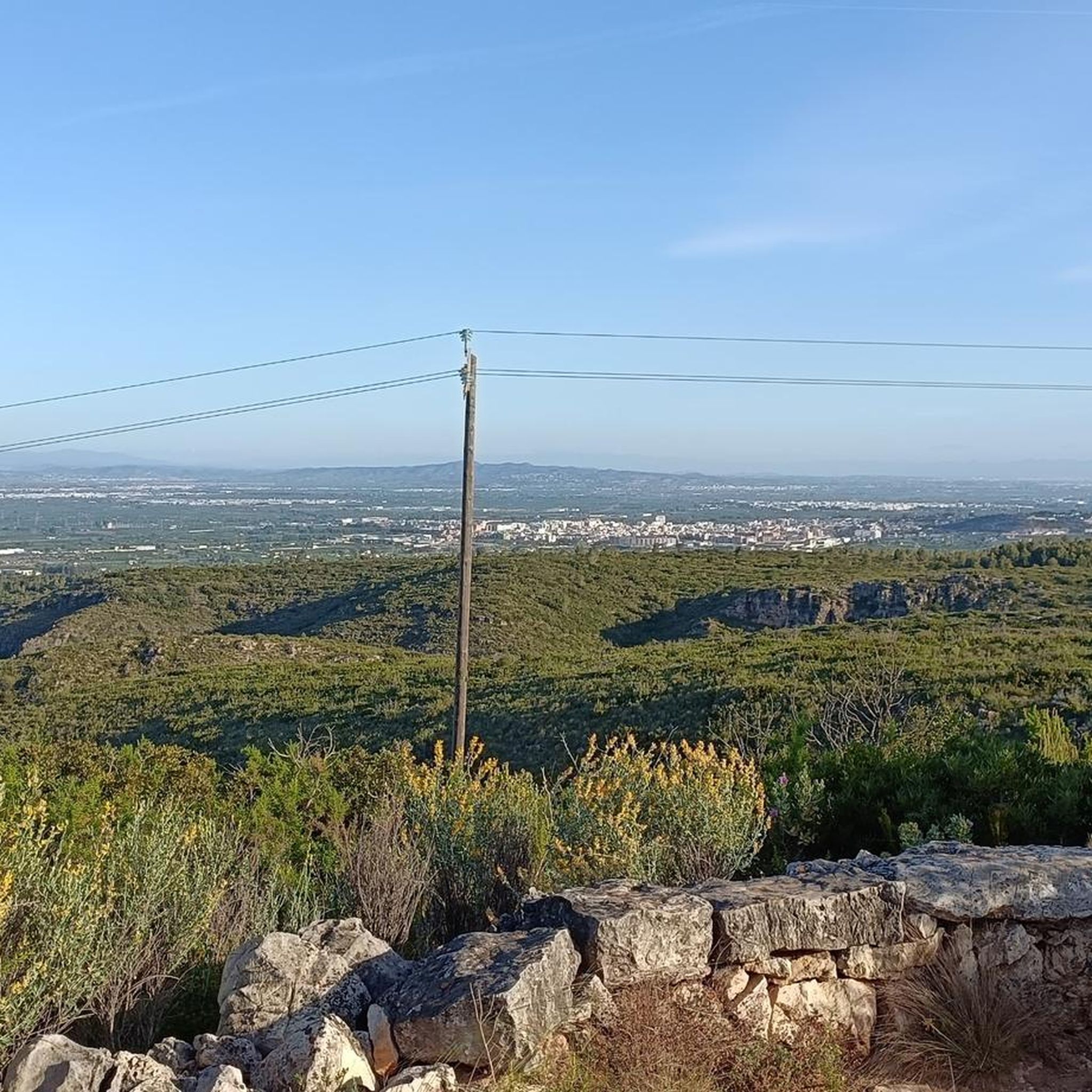
With a height of 631 m, it is the highest point in the Sierra. From here we have magnificent views, also to the lowest peak: El Cim delBuscaró or Buixcarró.
1
0
One of the highest peaks in the Serra de Quatretonda (in the province of Valencia). Also called Cim del Buixcarró, it is 559 m high. It will surprise you with the 360º panoramic views.
1
0
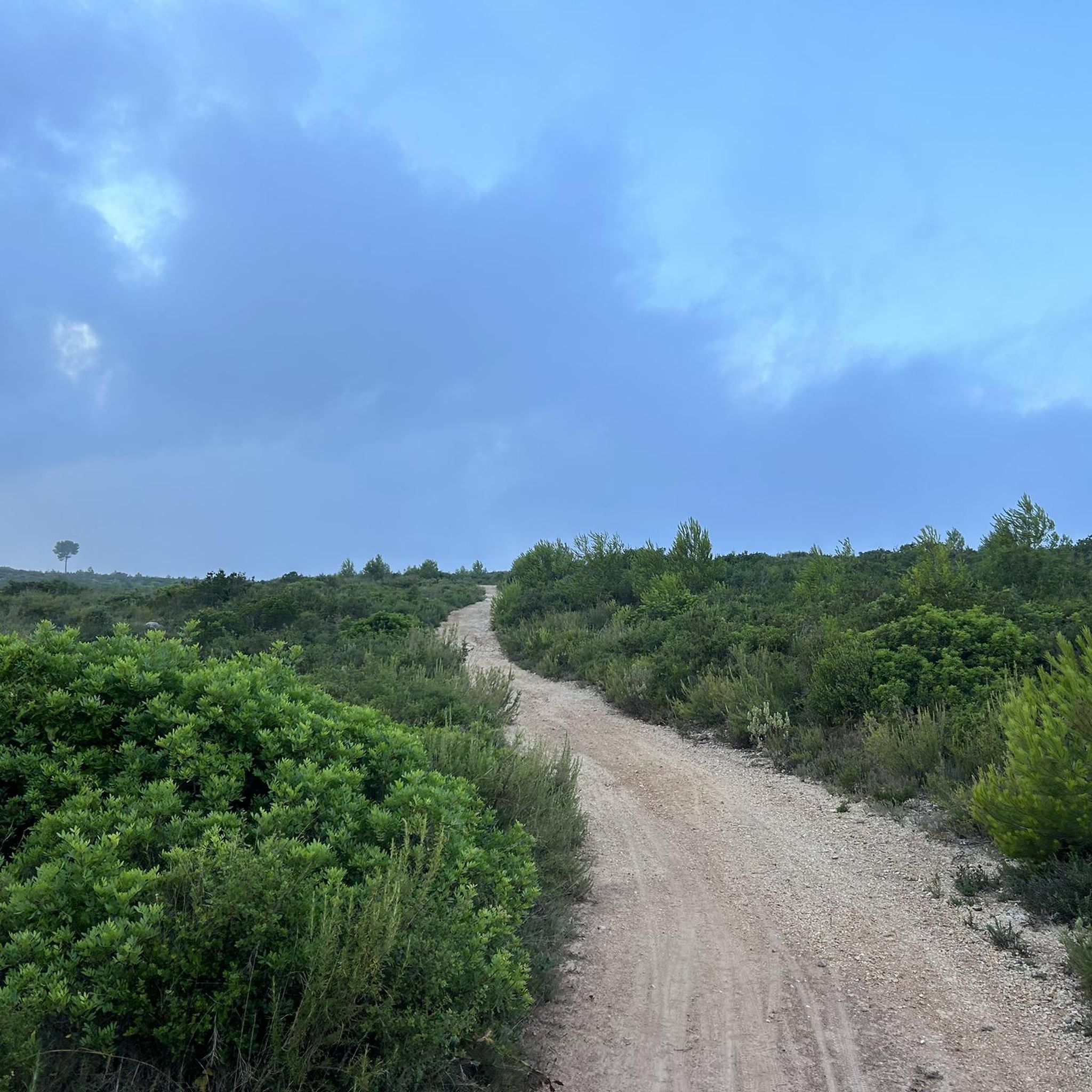
Nice path that takes us from the town of Pinet to the top of Buscaró. It is signposted, so you will get there without any problem. Enjoy these Valencian mountains and let the only footprint you leave be that of your boots.
1
0

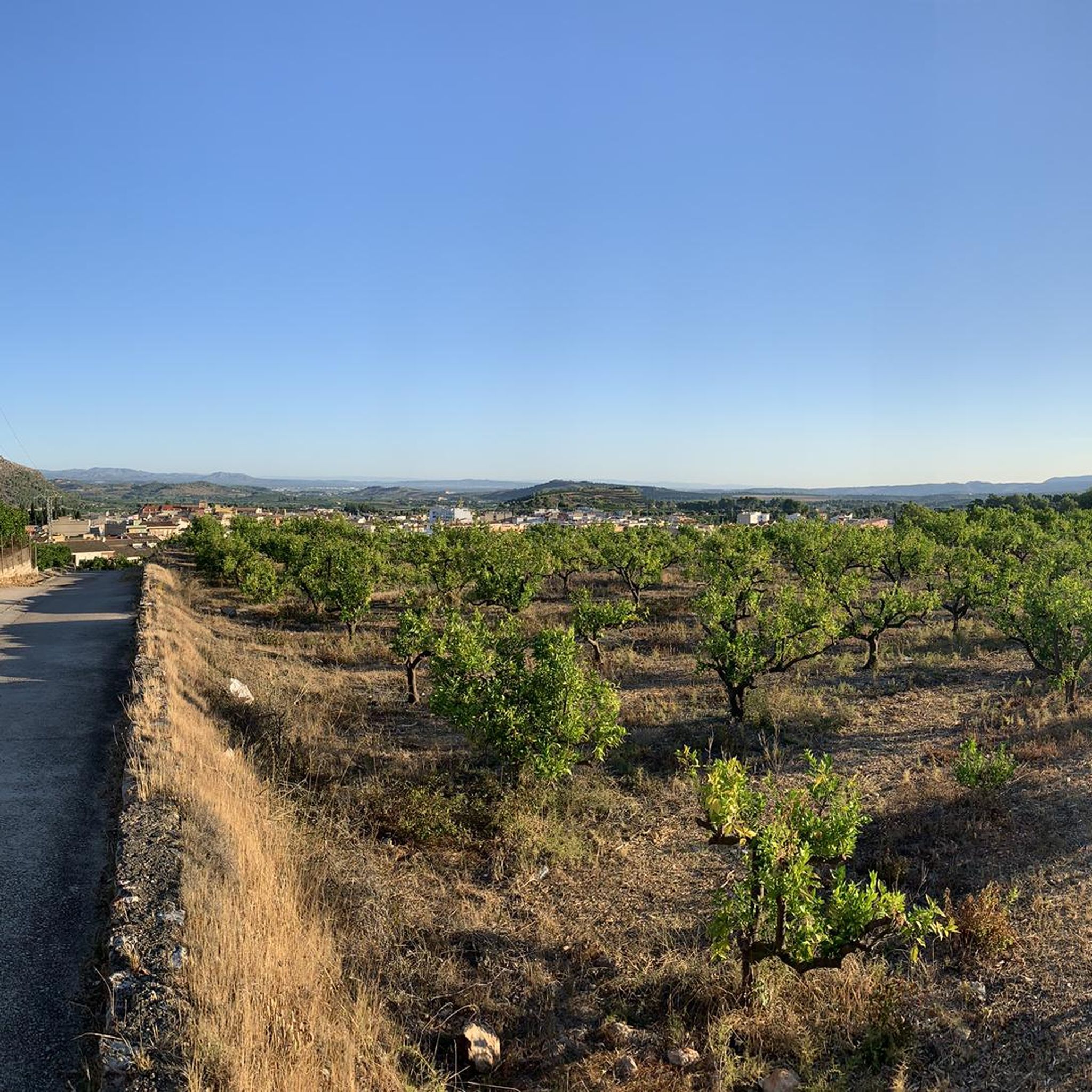
The temperature was just below 30 degrees and that was fine for this walk, which was most of the time in the sun. The first part of the walk was more challenging than the second part. In this case that was good because of the temperature. There were no other people taking this walk, so it was very quiet. There were some nice views to other places like Xativa.
2
0

The Quatre Camins quarry, also known as the Llosar dels Francs, is an archaeological site 500m away. of the Roman villa, known as Villa Cornelius, located in Partida dels Franks. These are quarries that, according to some scholars (such as the archaeologist Miquel Ramon Martí), could be considered the most important of the Roman period in the Iberian Peninsula. The commercialization of the marble extracted from these quarries was the main source of wealth for the Iunii family, of the Galeria Tribe, owners of the plantation and the Cornelius town. The transport of the stone was done through the carriladas, that is to say, grooves in the rocks that channeled the wheels of the carts, which can still be seen on the road that leads from Énova to Barxeta. The planter has preserved marks that show that the marble was extracted forming rectangular blocks. These large blocks were transported in oxcarts to the town, where the work of stonemasons or stonemasons continued, who would fragment them and shape them into specific pieces, according to the order that needed to be served. This marble was used to make tombstones, monuments of different sizes and even slabs to pave the Roman theater in Zaragoza or the plinths of the Romanesque door of the Cathedral of Valencia.
1
0
It is advisable to take advantage of rail transport to travel to the starting point of the planned routes on foot or by bike. From L'Énova you can take interesting routes on foot through its territory and also by bike through the regions of Ribera and Costera.
2
0
Underground passage to cross the train tracks on foot or by bike.
2
0
Villa Cornelius is a Roman villa, located in the municipality of l'Énova, in the region of Ribera Alta, in an area known as "Els Alters". The discovery of the site was due to chance, since the remains of the villa were found when, in September 2003, work began prior to the construction of the AVE Madrid- Valencia. It is a rural villa, between 2,600 and 3,000 square meters, located very close to the Via Augusta (on a plain between the river Sucro (Xúquer) and its tributary the river Magre) and the old Saetabis (Xàtiva), in the Tarraconensis province, belonging to the patrician Publius Cornelius Iuniani (whose name had to give rise to the toponym of the later population, Iunianus). The villa was built at the end of the 1st century AD (specifically between the years 65 and 75) and ended its use in the second quarter of the 5th century AD. Throughout this period, in which the villa was dedicated to the exploitation and processing of flax, several reforms were carried out both in the house and in the production area. It had to be abandoned enough that part of the roof of the residential buildings fell and remained on the floors (which contained mosaics), sealing them and allowing their conservation to this day. At present, the villa is covered again, after having extracted valuable mosaics.
2
0
라펠구아라프 주변에서 가장 인기 있는 명소


더 살펴보기
다른 지역의 최고의 하이킹를 살펴보세요.
