20의 줄리엔가지 명소 & 주요 장소
줄리엔에는 둘러볼 만한 장소가 많답니다. 하이킹 또는 사이클링을 좋아한다면 줄리엔에 숨겨진 20
가지 보석을 만날 수 있을 거예요. 이 지역의 주요 명소를 살펴보면서 다음 모험을 계획해보세요.
마지막 업데이트: 8월 30, 2026


이런 장소를 발견하려면 지금 가입하세요
최고의 싱글 트랙, 봉우리 및 다양한 흥미로운 야외 장소에 대한 추천을 받아보세요.
무료 회원 가입

생브리스의 로지 드 가르데페
하이라이트 • 기타
번역자 Google •
팁에 의해
루이 14세 왕이 공인한 교회
하이라이트 • 기타
번역자 Google •
팁에 의해

무료로 가입하여 줄리엔 주변의 더 많은 명소를 발견하세요.
무료 회원 가입
이미 komoot 계정이 있나요?
오늘 무료 계정으로 시작하세요
다음 모험이 기다리고 있어요.
로그인 또는 가입하기
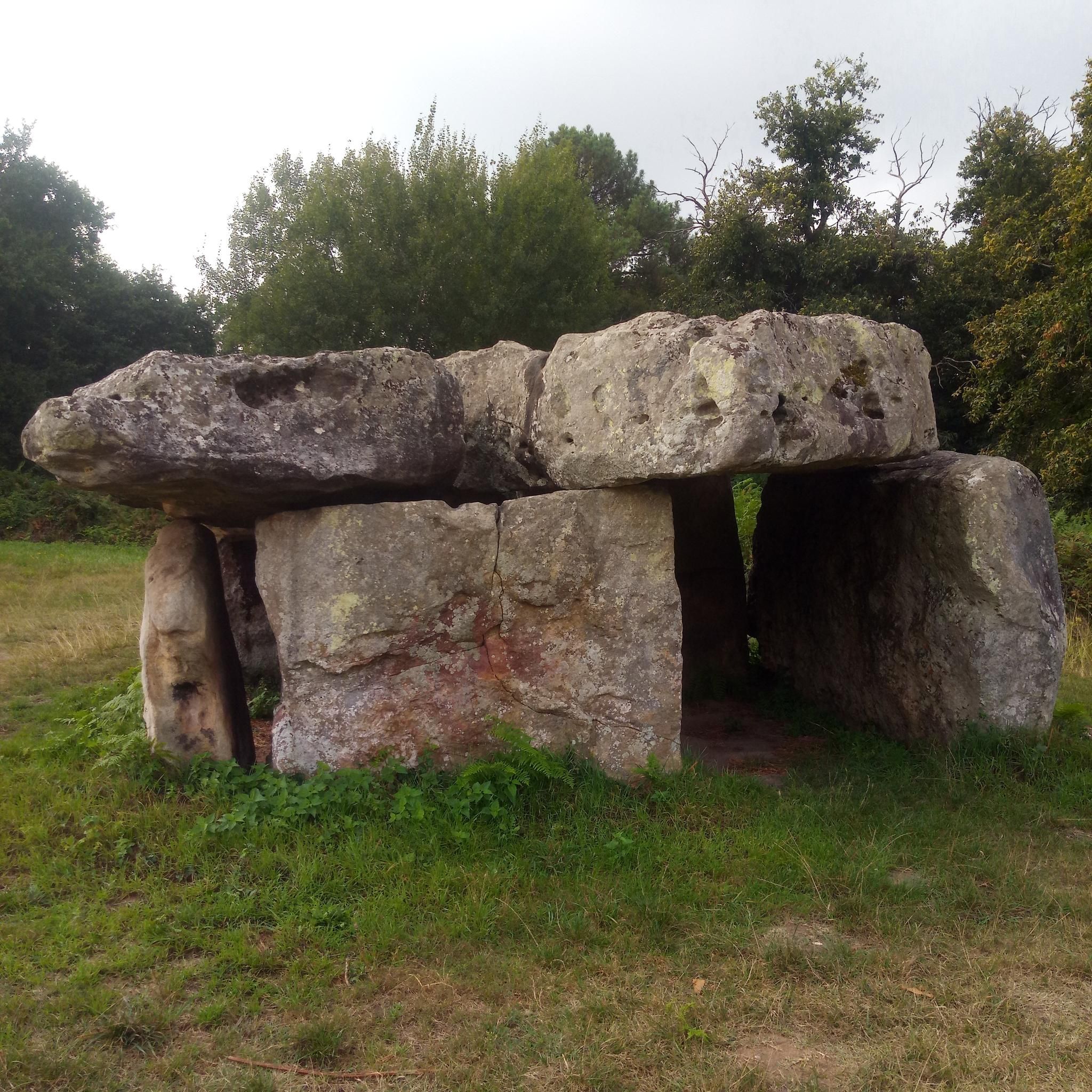

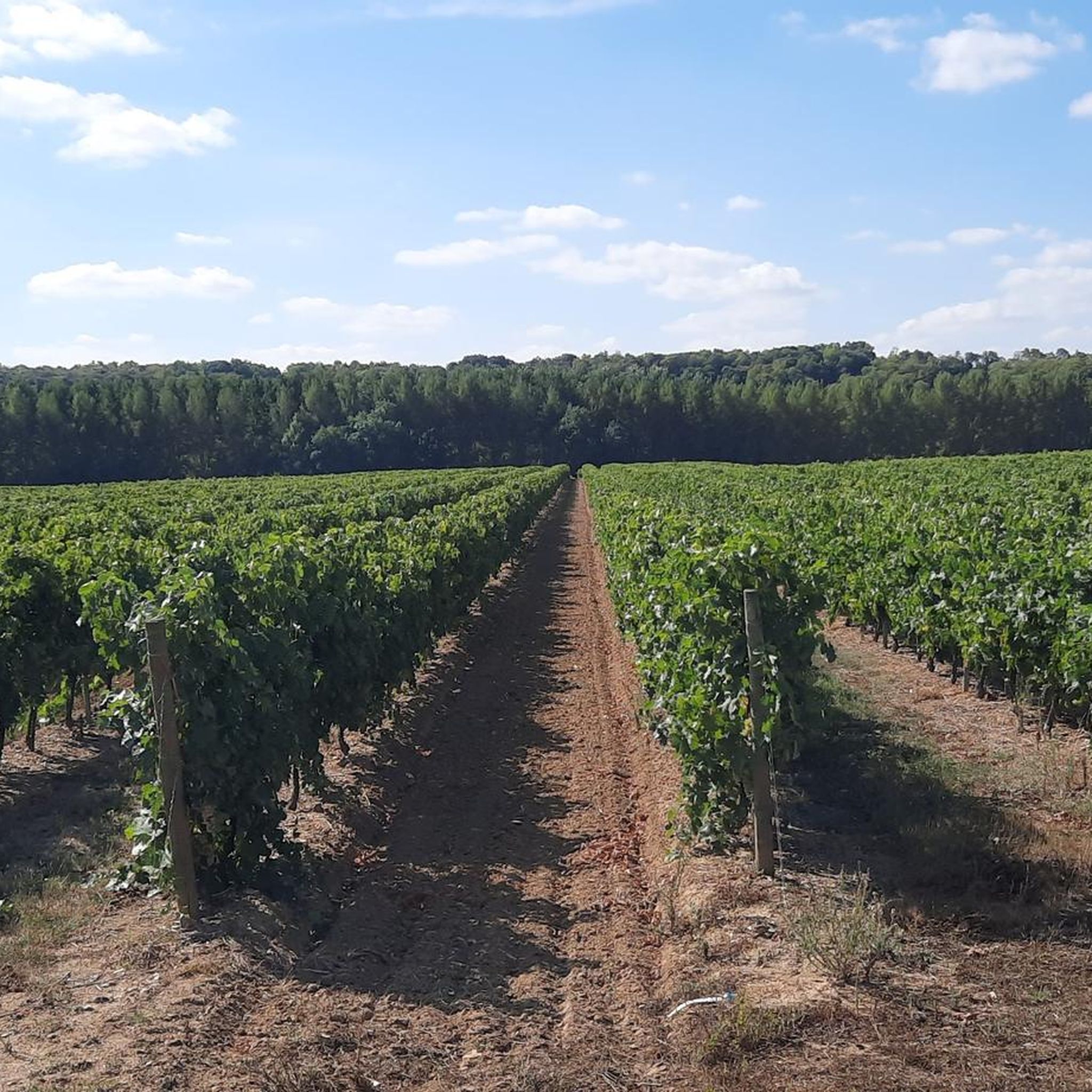
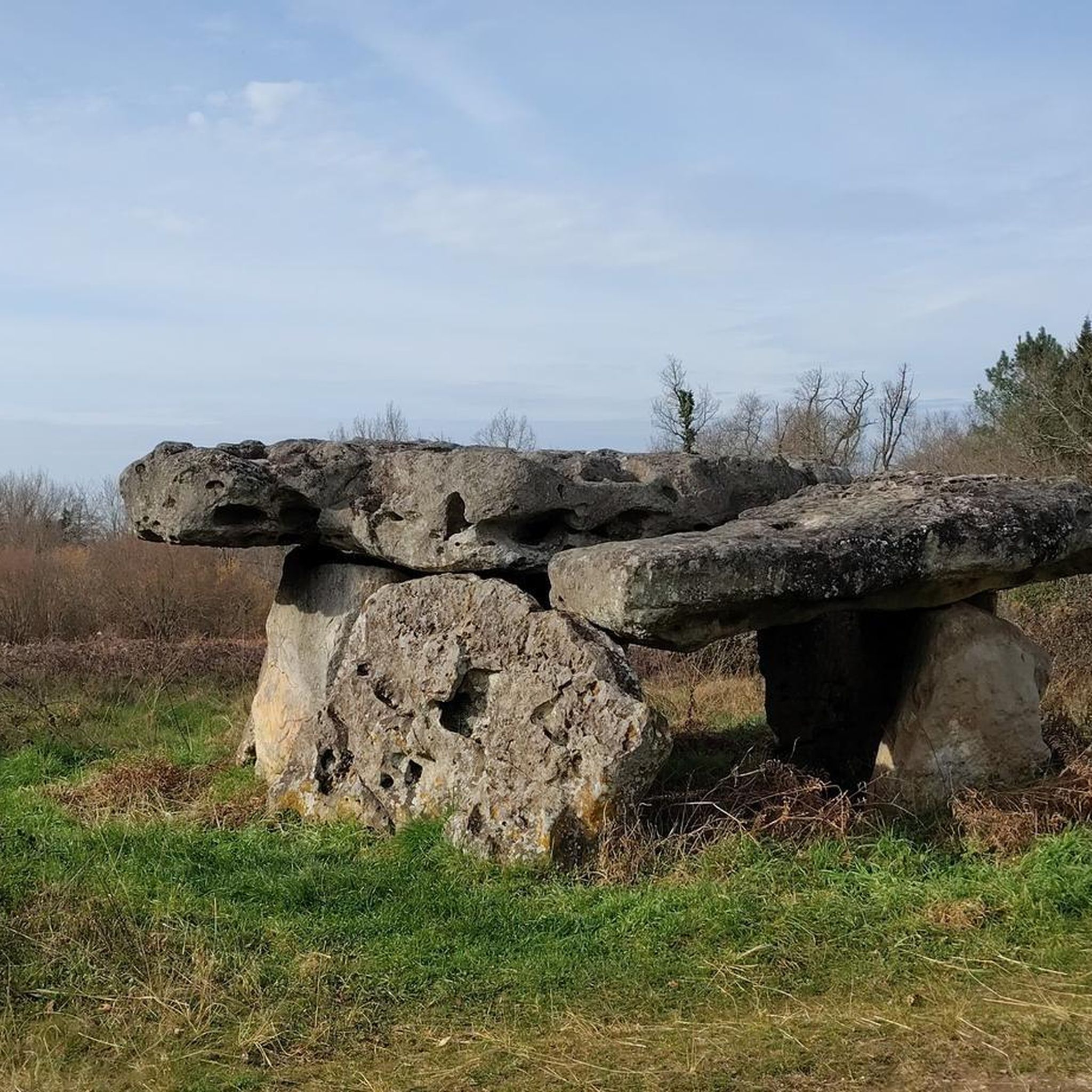
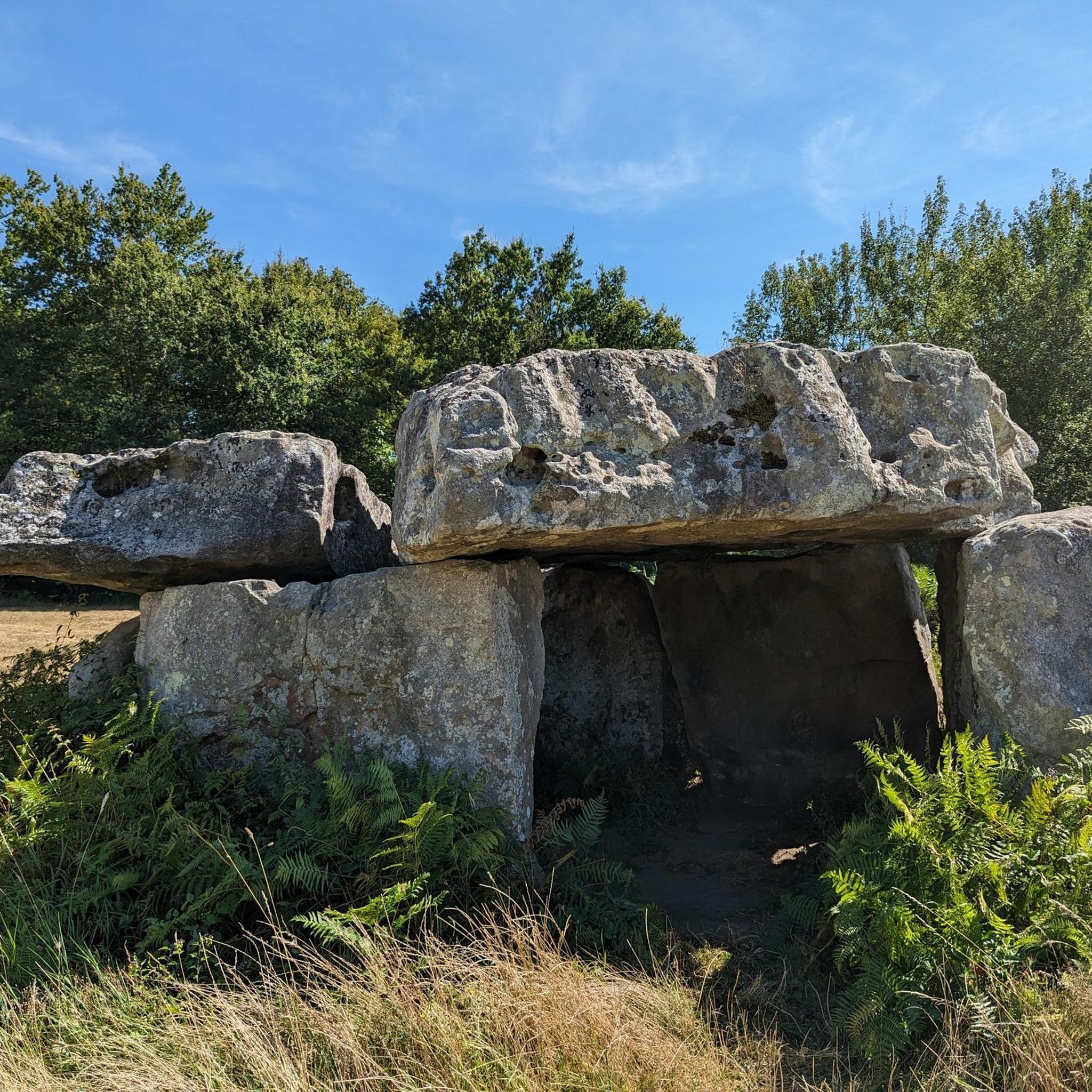

커뮤니티 팁

The Charente in this sector is lined with many castles, the area is rich thanks to the production of Cognac and Pineau.
0
0

Bourg-Charente castle is a 17th century mansion. Nestled on a rocky promontory, it is located a few kilometers from Cognac. It also houses the remains of a medieval fortress. Acquired in the 20th century, this château houses cellars for producing Grand Marnier. It can be visited from Monday to Friday from 8 a.m. to 5 p.m.
0
0

It is in this castle that the cognac cellars of the Marnier-Lapostolle family are located, used for the production of Grand Marnier cognac.
4
0

Castle with a fairly compact architecture, rich in details and various corbels that seem to come out of a Walt Disney story. It doesn't look very well maintained, what a pity!
0
1

Abbey of Saint-Étienne de Bassac, (Sancti Stephani de Bassaco vel Bassacensis, Bassacum): Monks of the order of Saint-Benoît, united in 1666 to the Congregation of Saint-Maur. It was founded at the beginning of the 11th century by one of the Princes of Angoulême, called Guadardus de Lorichis, in honor of St-Etienne, the first martyr, according to what is reported in the acts of the life of Grimourd (bishop of 'Angoulême), but in the history of Angoulême it is said that it was founded by Wardrard de Jarnac, and his wife Rixende. Be that as it may, the church and the regular places having been destroyed by the heretics, the Benedictines of the congregation of St Maur who were introduced there, restored everything, and had a beautiful church built. The Abbot has the collation of a few simple priories, and the appointment to a few parishes. • Foundation in the 11th century. Church rebuilt from 1247 to 1286. • Defensive works at the end of the 14th century. • Abbey burnt down by the Anglo-Saxons in 1434. • Reconstruction in the second half of the 15th century. • Abbey plundered by the Protestants between 1564 and 1569. • Maurist reform introduced in 1666 after the abbey had been abandoned for nearly a century: rehabilitation and restoration until 1746 (conventual building, guest room, etc.). • Abbey sold as national property during the Revolution. • Destruction of the Gothic cloister in 1820. • Major restoration work on the church and abbey buildings during the 19th and 20th centuries. Many times transformed over the course of congregations and historical events, it mixes Romanesque, Gothic, Baroque and Classical styles. Listed as a Historic Monument, the Saint-Étienne de Bassac abbey today unveils a rectangular abbey church consisting of 4 bays and a flat chevet. Gothic in style, it has however retained the bases of the original walls and has domed rib vaults. Romanesque, the bell tower is not lacking in charm, just like the apse and the 13th century chapel pierced by a bay and covered with a ribbed vault. The 17th century convent buildings are also still visible. Like several other religious sites around the world, the abbey of Saint-Étienne de Bassac had a “Gate of Mercy” in 2015-2016; door which, on the margins of the Holy Doors open every 25 years or according to the exceptions fixed by the pope during the course of the holy years or Jubilees, was established at the abbey of Saint-Étienne de Bassac following the desire of Pope Francis to see the Jubilee of Mercy spread all over the world. In short, this Door, like all the other doors of Mercy, supports the Holy Doors in their roles in the Jubilee of Mercy proclaimed by Pope Francis from December 8, 2015 to November 20, 2016 In addition, the Saint-Étienne abbey now hosts retreats, and also has an approval to receive green classes. Opening hours: Monday: 09:00 – 18:30 • Tuesday: 09:00 – 18:30 • Wednesday: 09:00 – 18:30 • Thursday: 09:00 – 18:30 • Friday: 09:00 – 6:30 p.m. • Saturday: 9:00 a.m. – 6:30 p.m. • Sunday: 9:00 a.m. -6:30 p.m.
0
0

Gondeville is noted in 1252, during an exchange between Jean Rot, squire, lord of Châteauneuf and Sallomon de Gondeville, knight. The lords of Gondeville have been known since the 13th century. They had the right of high, medium and low justice. In compensation for work carried out on the Charente, they had obtained the right to collect a bushel of salt on each barge of salt going up the course of the river. They came under the lordship of Bouteville. But Gondeville was not a parish and depended on that of Saint-Même. Towards the end of the 14th century, lived Foulques de Gondeville who was succeeded by his son Armand. Then came Jean Bouterouhe, whose daughter Agnès, married Guillaume de Cruc. The latter thus became lord of Gondeville and left this lordship to his heirs. His granddaughter, Magdeleine de Cruc, ceded Gondeville to Jean de La Rochebeaucourt, younger son of the house of Saint-Même and received in exchange the land of Courpignac, in Saintonge (May 10, 1590). In the early years of the 17th century, the heirs of Jean de La Rochebeaucourt sold the land of Gondeville to Samuel de Lanauve, adviser to Parliament, which was acquired in 1655 by Pierre Laisné, sieur du Chardonneaux. In 1664, he had a lawsuit with Isaac de Culant, lord of Saint Even, about the enclave of Gondreville, which he succeeded in having erected into a parish. In May 1683, he reiterated his request to King Louis XIV for a church to be built in the town. It was finally built by his son-in-law Mr de Nanclas in 1700 and thanks to a grant of 1000 pounds granted by the King. It was demolished by the storm of February 20, 1879 between 1879 and 1880 under the direction of architect Augustin Landry. New restorations took place at the beginning of the 20th century, in particular according to the plans of the architect Luis Martin.
0
0
The Château de Garde-Épée in Saint-Brice is built on the edge of a plateau overlooking the Charente in the distance. In January 1553, Sieur Ancelin, a merchant, bought this fief from the Marquis de Caravaz (the Marquis de Carabas in Perrault's tale) with permission to build a crenellated house there with a gigantic flight, fish pond and warren. Around the middle of the 17th century, Jean Ancelin having died childless, his heirs sold the domain of Garde-Épée to a Mr. Richard, who was still the owner in 1698. Finally the house of Garde-Épée passed into the family of Jarnac de Garde-Épée, which still owns it today with the abbey of Châtre, through a private company, the Société de Garde-Épée, whose main shareholder is Henri de Jarnac. On the right, before the entrance, the imposing round flight has 2600 putlogs. It is covered with a pepperbox roof with three skylights and dates from 1553. The arms of the Ancelins are visible above the door. The entrance is imposing with a carriage entrance surmounted by a long curtain wall crowned with merlons. The buildings form a vast quadrilateral. The house which occupies the north side was rebuilt at the end of the 18th century with two levels under a low roof; it is extended by two single level wings. The courtyard has a curious well covered with a roof. The castle has been listed as a historical monument since October 30, 1973.
0
0
줄리엔 주변에서 가장 인기 있는 명소


더 살펴보기
찾고 있는 하이라이트를 아직 못 찾으셨나요? 다른 지역의 주요 명소 가이드를 확인해보세요:
