아시에르 쉬르 누에르 최고의 라이딩 경로
4.5
(129)
3,432
자전거 타는 사람
505
라이딩
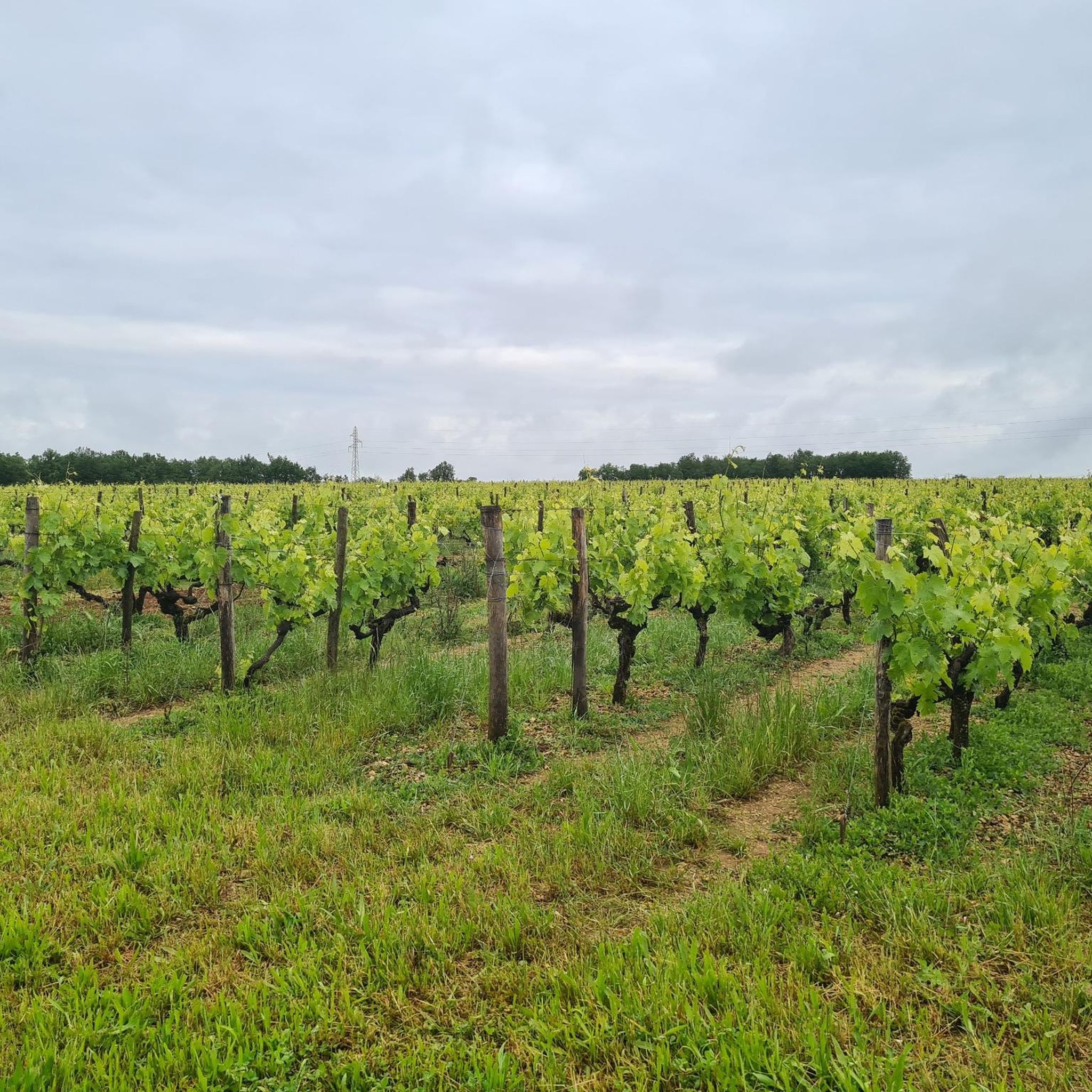
로드 사이클링 코스는 앙굴렘 북서쪽에 위치한 프랑스 누벨아키텐 지역 샤랑트 주의 농촌 지역인 아스니에르쉬르누에르 주변을 통과합니다. 이 지역에는 누에르 강을 따라 이어지는 전용 "보아 베르트"(녹색 도로)가 있어 안전한 경로를 제공합니다. 사이클리스트들은 평원, 숲이 우거진 지역, 계곡 등 다양한 풍경을 만나게 되며, 구불구불한 포도밭과 푸른 강둑이 이를 더해줍니다. 지형은 일반적으로 포장이 잘 되어 있으며, 높이는 누에르 강을 따라 38미터에서 최고 135미터까지 다양합니다.
아스니에르쉬르누에르 주변 최고의 로드 사이클링 코스
- 가장 인기 있는 로드 사이클링 코스는 아스니에르쉬르누에르 출발 생시메와 비브락 다리 루프 전망…
마지막 업데이트: 8월 25, 2026
36
자전거 타는 사람
16.7km
00:48
180m
180m
초급용 로드 라이딩. 모든 체력 수준에 적합. 지면 대부분이 잘 포장되어 있고 라이딩하기 쉬움.
6
자전거 타는 사람
40.1km
01:44
340m
340m
보통 도로 자전거 타기. 좋은 체력 필요. 지면 대부분이 잘 포장되어 있고 라이딩하기 쉬움.

무료 회원 가입
4
자전거 타는 사람
40.8km
01:50
320m
330m
보통 도로 자전거 타기. 좋은 체력 필요. 지면 대부분이 잘 포장되어 있고 라이딩하기 쉬움.
3
자전거 타는 사람
61.5km
02:50
500m
500m
보통 도로 자전거 타기. 좋은 체력 필요. 투어 중 라이딩하기 어려운 비포장 구간이 있을 수 있음.
3
자전거 타는 사람
48.0km
02:17
500m
500m
보통 도로 자전거 타기. 좋은 체력 필요. 지면 대부분이 잘 포장되어 있고 라이딩하기 쉬움.
더 다양한 경로와 다른 탐험가들의 추천을 살펴보세요.
무료 회원 가입
이미 komoot 계정이 있나요?
투어 추천은 다른 사람들이 komoot에서 완료한 수천 개의 활동을 바탕으로 구성되어 있습니다.
오늘 무료 계정으로 시작하세요
다음 모험이 기다리고 있어요.
로그인 또는 가입하기


커뮤니티 팁

The castle was built in the second half of the 16th century, but certain elements date from the 17th. Thus, the portal and the watchtower at the entrance both date from the 17th century.
0
0


A Gallo-Roman theater, which is located on the territory of the commune of Saint-Cybardeaux. The ruins of the Gallo-Roman theater of Bouchauds are at the heart of a natural concavity.
1
0

Abbey of Saint-Étienne de Bassac, (Sancti Stephani de Bassaco vel Bassacensis, Bassacum): Monks of the order of Saint-Benoît, united in 1666 to the Congregation of Saint-Maur. It was founded at the beginning of the 11th century by one of the Princes of Angoulême, called Guadardus de Lorichis, in honor of St-Etienne, the first martyr, according to what is reported in the acts of the life of Grimourd (bishop of 'Angoulême), but in the history of Angoulême it is said that it was founded by Wardrard de Jarnac, and his wife Rixende. Be that as it may, the church and the regular places having been destroyed by the heretics, the Benedictines of the congregation of St Maur who were introduced there, restored everything, and had a beautiful church built. The Abbot has the collation of a few simple priories, and the appointment to a few parishes. • Foundation in the 11th century. Church rebuilt from 1247 to 1286. • Defensive works at the end of the 14th century. • Abbey burnt down by the Anglo-Saxons in 1434. • Reconstruction in the second half of the 15th century. • Abbey plundered by the Protestants between 1564 and 1569. • Maurist reform introduced in 1666 after the abbey had been abandoned for nearly a century: rehabilitation and restoration until 1746 (conventual building, guest room, etc.). • Abbey sold as national property during the Revolution. • Destruction of the Gothic cloister in 1820. • Major restoration work on the church and abbey buildings during the 19th and 20th centuries. Many times transformed over the course of congregations and historical events, it mixes Romanesque, Gothic, Baroque and Classical styles. Listed as a Historic Monument, the Saint-Étienne de Bassac abbey today unveils a rectangular abbey church consisting of 4 bays and a flat chevet. Gothic in style, it has however retained the bases of the original walls and has domed rib vaults. Romanesque, the bell tower is not lacking in charm, just like the apse and the 13th century chapel pierced by a bay and covered with a ribbed vault. The 17th century convent buildings are also still visible. Like several other religious sites around the world, the abbey of Saint-Étienne de Bassac had a “Gate of Mercy” in 2015-2016; door which, on the margins of the Holy Doors open every 25 years or according to the exceptions fixed by the pope during the course of the holy years or Jubilees, was established at the abbey of Saint-Étienne de Bassac following the desire of Pope Francis to see the Jubilee of Mercy spread all over the world. In short, this Door, like all the other doors of Mercy, supports the Holy Doors in their roles in the Jubilee of Mercy proclaimed by Pope Francis from December 8, 2015 to November 20, 2016 In addition, the Saint-Étienne abbey now hosts retreats, and also has an approval to receive green classes. Opening hours: Monday: 09:00 – 18:30 • Tuesday: 09:00 – 18:30 • Wednesday: 09:00 – 18:30 • Thursday: 09:00 – 18:30 • Friday: 09:00 – 6:30 p.m. • Saturday: 9:00 a.m. – 6:30 p.m. • Sunday: 9:00 a.m. -6:30 p.m.
0
0

Beautiful scenery with the bridge over the river.
0
0

Foundation in the 11th century. Church rebuilt from 1247 to 1286. Defensive works at the end of the 14th century. Abbey burnt down by the Anglo-Saxons in 1434. Reconstruction in the second half of the 15th century. Abbey plundered by the Protestants between 1564 and 1569. Maurist reform introduced in 1666 after the abbey had been abandoned for nearly a century: rehabilitation and restoration until 1746 (convent building, guest room, etc.). Abbey sold as national property during the Revolution. Destruction of the Gothic cloister in 1820. Major restoration work on the church and the abbey buildings during the 19th and 20th centuries.
1
0
Since its founding in the 11th century and until today, this great Benedictine site has gone through a thousand years of history now written in stone. Gothic, baroque and classical styles coexist harmoniously, recalling the alternation of painful episodes and glorious moments. The abbey is a place of spirituality dedicated to Saint Thérèse of Lisieux and is therefore the ideal setting for recharging your batteries and meditating.
0
0
아시에르 쉬르 누에르 주변에서 가장 인기 있는 명소


더 살펴보기
다른 지역의 최고의 로드 사이클링 경로를 살펴보세요.
