20의 차렌새트가지 명소 & 주요 장소
차렌새트에는 둘러볼 만한 장소가 많답니다. 하이킹 또는 사이클링을 좋아한다면 차렌새트에 숨겨진 20
가지 보석을 만날 수 있을 거예요. 이 지역의 주요 명소를 살펴보면서 다음 모험을 계획해보세요.
마지막 업데이트: 7월 29, 2026
샤르트뢰즈 드 포르-생트-마리
하이라이트 • 역사적 장소
번역자 Google •
팁에 의해

카스카드 드 라 틴
하이라이트 • 폭포
번역자 Google •
팁에 의해

이런 장소를 발견하려면 지금 가입하세요
최고의 싱글 트랙, 봉우리 및 다양한 흥미로운 야외 장소에 대한 추천을 받아보세요.
무료 회원 가입


오늘 무료 계정으로 시작하세요
다음 모험이 기다리고 있어요.
로그인 또는 가입하기

커뮤니티 팁

At this time of year, what "calm"! And what beauty!
0
0

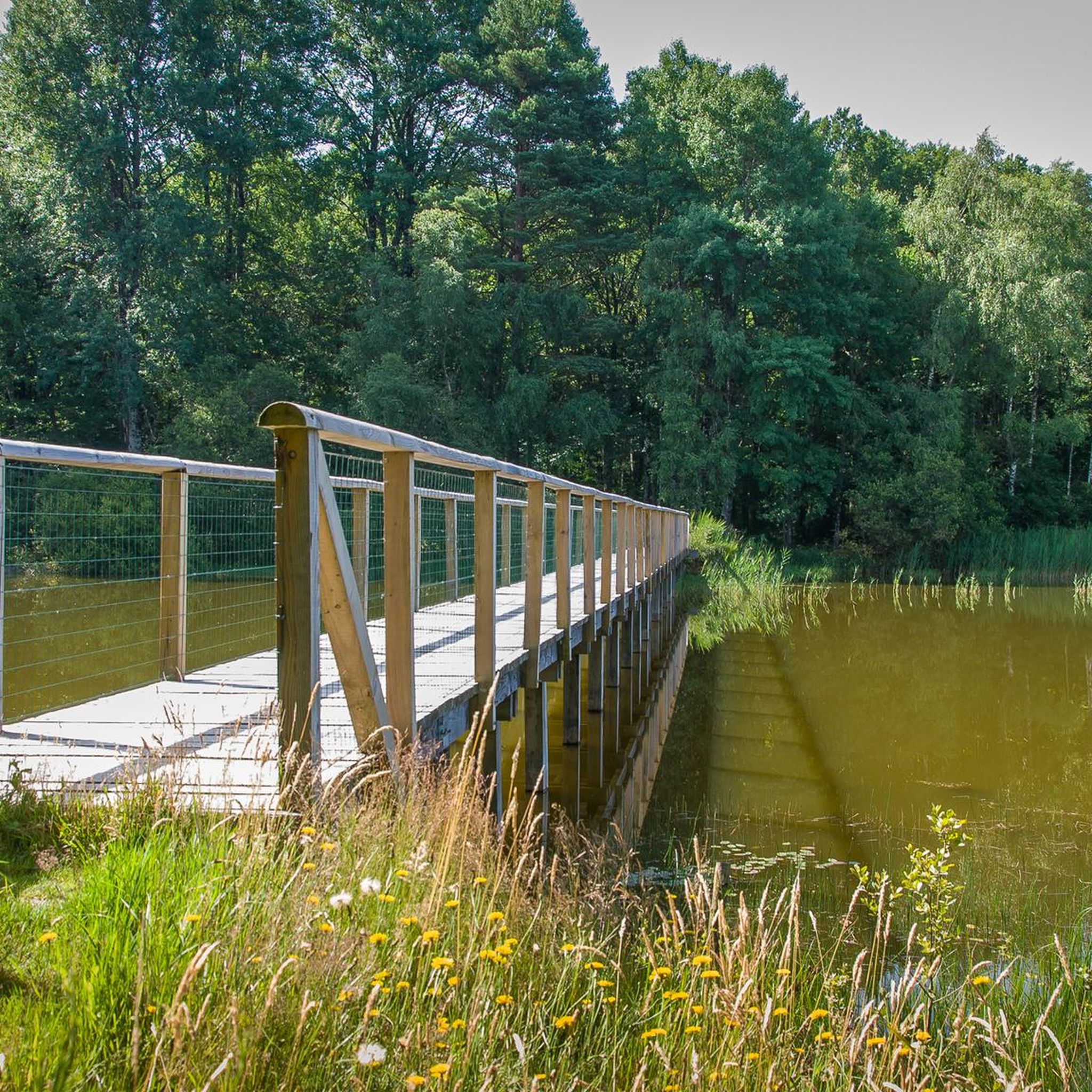
"A hike from the town of the commune allows you to reach the waterfall. The Auzelle stream flows into the Chalamont, forming a pretty 10m high waterfall in the woods. Magnificent site! (Combraille Auvergne Tourisme). A beautiful waterfall easily accessible from the road. The path is clean, as are the small wooden bridges. The proposed route is pleasant, in the heart of a small forest, while following the river.
0
0

The Sioule is a French river in the north of the Massif Central. It rises (altitude 1093 m) near the Lac de Servières in the Monts Dore massif. It flows first in a northerly direction and then in a north-easterly direction from Pont-de-Menat (near the village of Menat, before Ébreuil). It is 150 km long (90 km in the Puy-de-Dôme department and 60 km in the Allier department). Source: https://fr.wikipedia.org/wiki/Sioule
1
0
Chartreuse Port-Sainte-Marie is a former Carthusian monastery founded in 1219 in Auvergne at the end of the Sioule valley. It is located on the road between Les Ancizes and Saint-Jacques-d'Ambur. During the French Revolution, the monastery was destroyed and today only remains as a ruin. Source: https://fr.wikipedia.org/wiki/Chartreuse_de_Port-Sainte-Marie
1
0

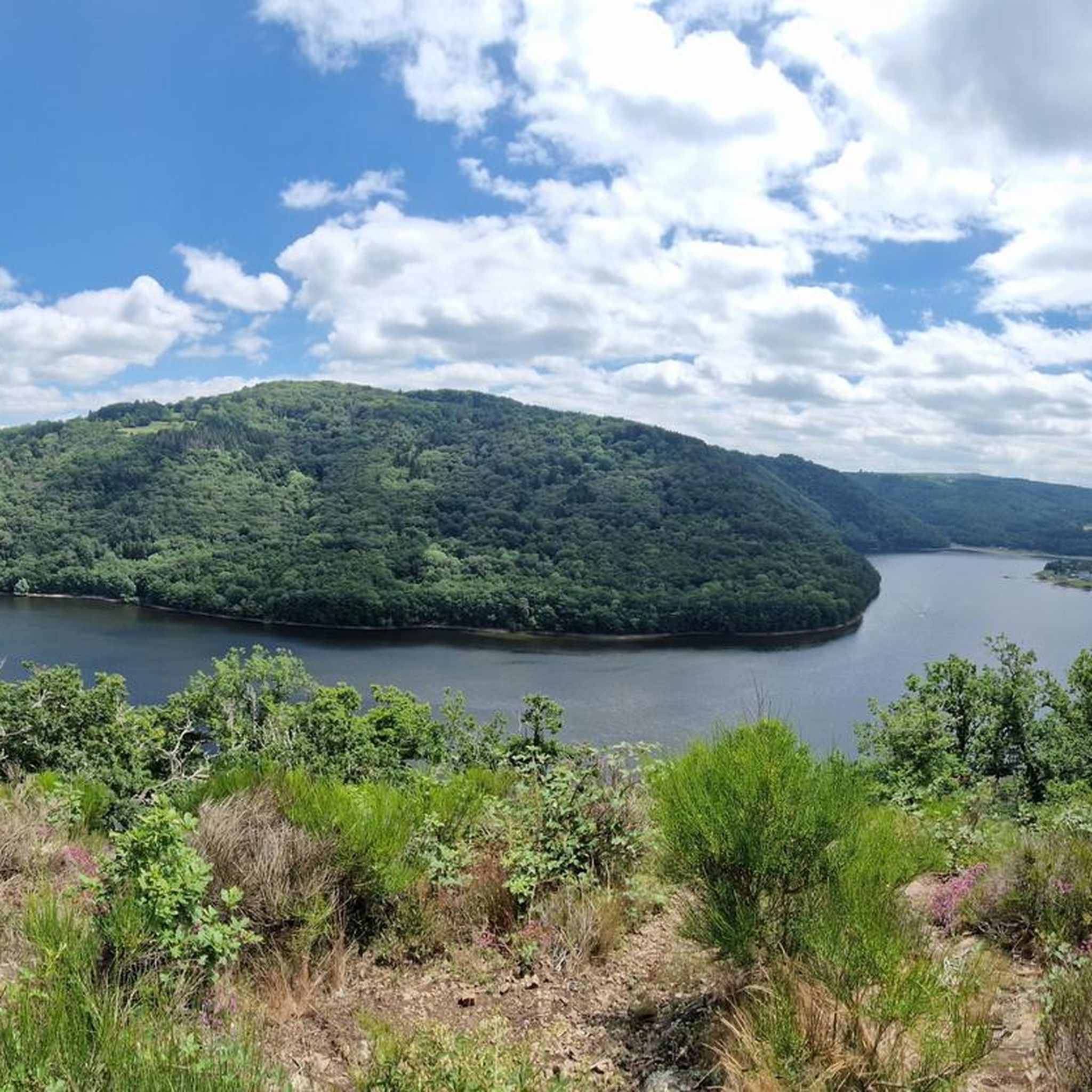
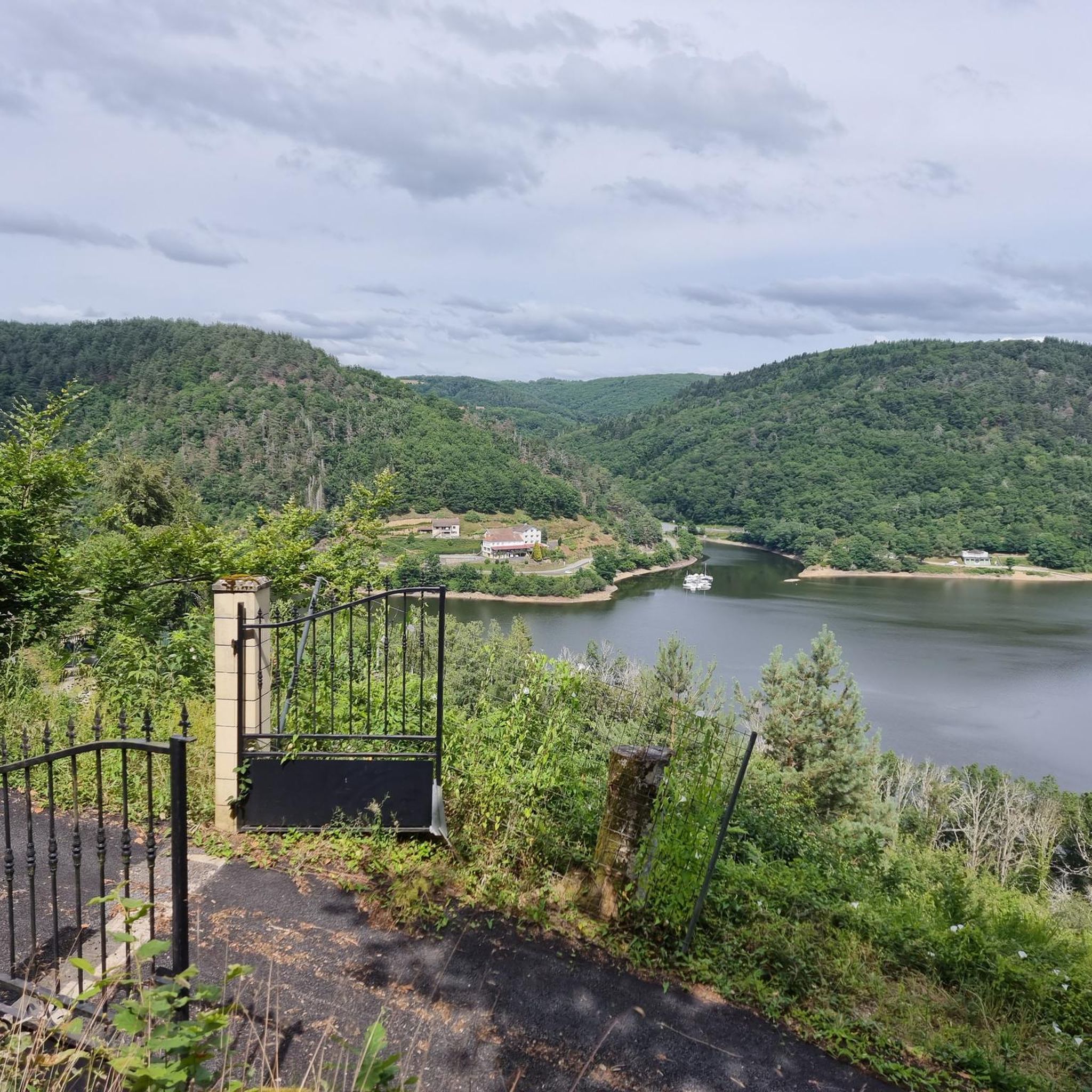
The Fades dam is the largest dam in the Sioule valley. This impressive structure, built in 1968, holds up to 69 million cubic meters of water and powers a hydroelectric power station. From the top of the dam, you can admire the view of the lake and the surrounding mountains. Along the way, you may encounter wild animals, such as deer, foxes or birds of prey.
3
0
The Chartreuse de Port-Sainte-Marie is a former monastery of the Carthusian order founded in 1219. You can explore the ruins of the ancient buildings, which are listed as historic monuments, and discover the rich cultural and economic influence of the monks in the region. You can also admire the landscapes of the Sioule valley, which is part of the Natura 2000 network, and discover the diversity of the region's flora and fauna. The site is open to visitors from Easter to All Saints' Day and offers guided tours, games, workshops and cultural events.
2
0

The construction of the first castle of Pionsat dates back to the end of the 14th century, in the heart of the Hundred Years' War. It is probably the work of Guy Aubert, lord of Pionsat (and nephew of Pope Innocent VI), who applied Charles V's edict of 1367 on the fortification of the kingdom, to strengthen the defenses of the Auvergne against English raids. Over the centuries, the castle took the form of an enclosure with several towers (perhaps five) and a keep according to a fairly detailed plan of which there are still remains, in particular part of the main building and a tower. Since 1482, and the purchase by Jacques de Chazeron, first butler of King Louis XI, of the stronghold of PIONSAT where he built a square tower with a Gothic door in the courtyard.
0
0
The current Saint-Bravy church in Pionsat is quite recent. On the other side of the church square was an older church. This Romanesque church of Pionsat is only known to us from two lithographs. Because its strength was seriously doubted in the mid-19th century, it was decided to build a new one on land acquired by the municipality in August 1859. The current one was built in a neo-modern church using stones from the old church. Romanesque style and where the bell “Anne de Chazeron” was installed, presented in 1569 by Gilbert de Chazeron, lord of Pionsat and to whom the virtue of warding off storms is attributed. The Saint-Bravy Church was consecrated in August 1888.
0
0


더 살펴보기
찾고 있는 하이라이트를 아직 못 찾으셨나요? 다른 지역의 주요 명소 가이드를 확인해보세요:
