20의 레 공즈가지 명소 & 주요 장소
레 공즈에는 둘러볼 만한 장소가 많답니다. 하이킹 또는 사이클링을 좋아한다면 레 공즈에 숨겨진 20
가지 보석을 만날 수 있을 거예요. 이 지역의 주요 명소를 살펴보면서 다음 모험을 계획해보세요.
마지막 업데이트: 9월 8, 2026


이런 장소를 발견하려면 지금 가입하세요
최고의 싱글 트랙, 봉우리 및 다양한 흥미로운 야외 장소에 대한 추천을 받아보세요.
생트의 아베 오 담
하이라이트 • 종교적 장소
번역자 Google •
팁에 의해

생피에르 대성당(생트)
하이라이트 • 종교적 장소
번역자 Google •
팁에 의해


오늘 무료 계정으로 시작하세요
다음 모험이 기다리고 있어요.


커뮤니티 팁

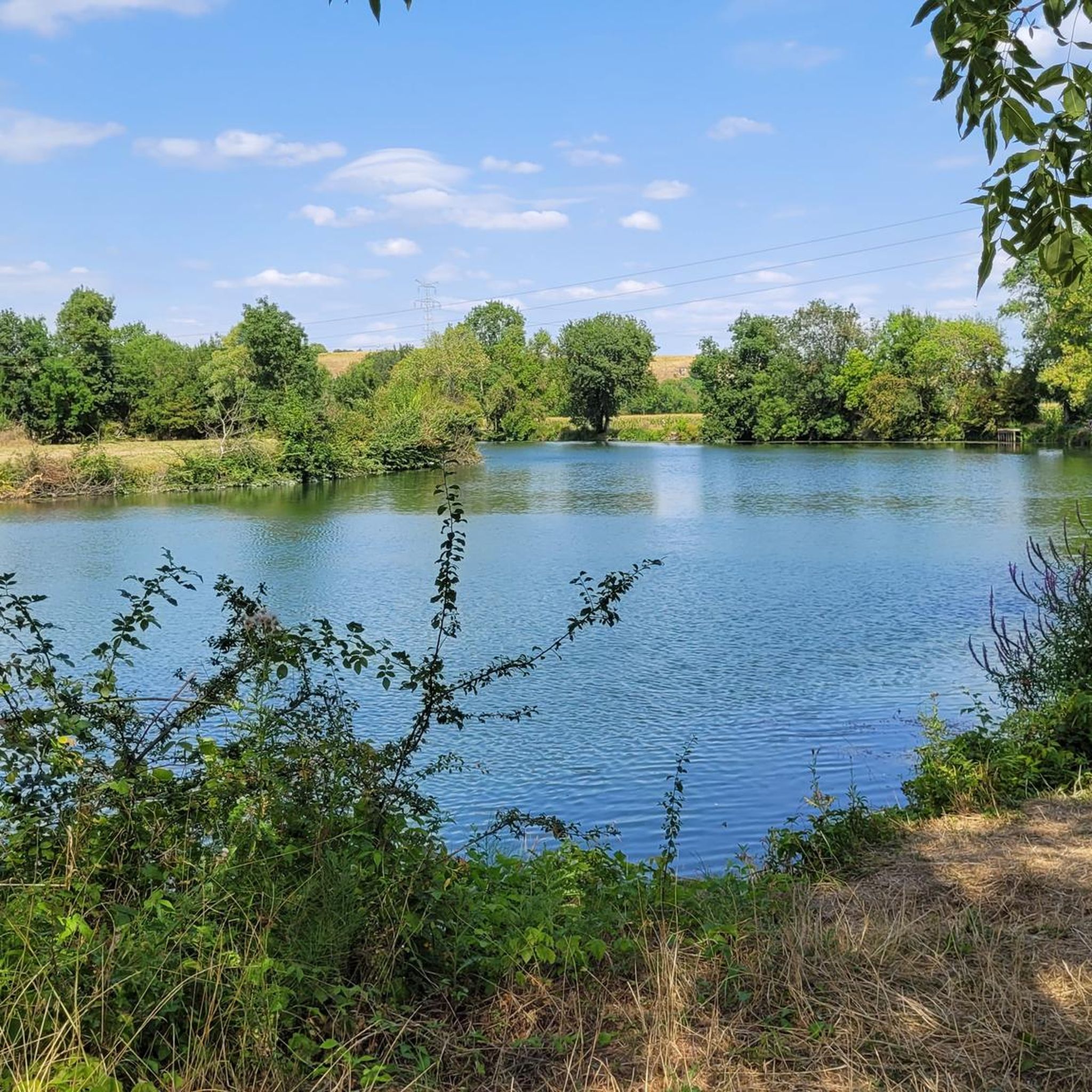
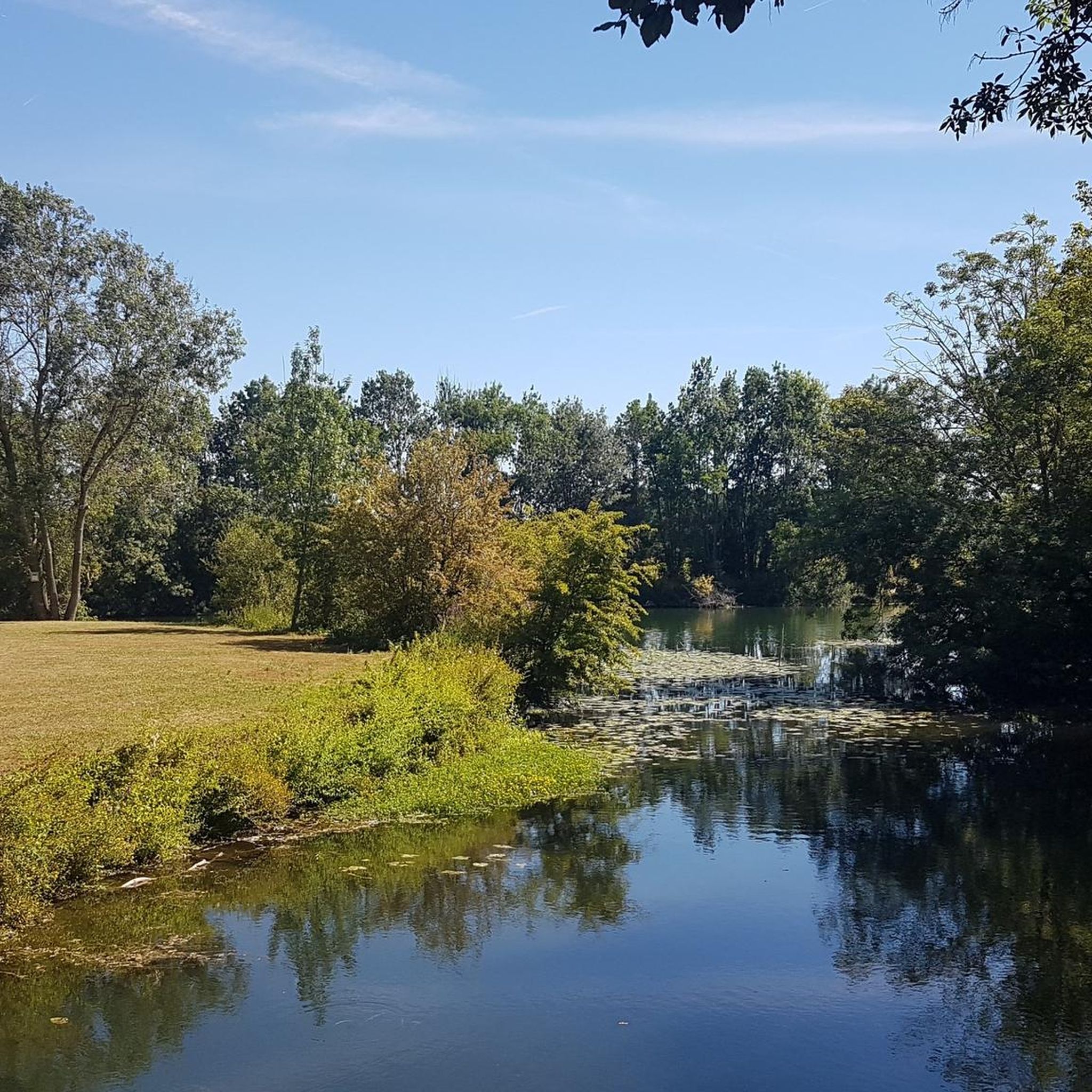
샤니에르(Chaniers)의 체인 페리(Le bac à chaînes de Chaniers)는 프랑스에서 운행 중인 마지막 전통적인 강 페리 중 하나입니다. 생트(Saintes)에서 몇 킬로미터 하류에 있는 샤니에르와 쿠르쿠리(Courcoury) 사이의 샤랑트 강을 건널 수 있게 해줍니다. 수세기 동안 사용된 나루터 샤니에르 페리의 역사 샤니에르의 페리 나루터는 매우 오래되었습니다. 중세 시대로 거슬러 올라갑니다. 17세기 중반에는 이미 샤랑트 강에서 중요한 통행 지점이었습니다. 강을 건너는 데만 사용된 것이 아니라, 주민들이 특히 농업 활동을 위해 강 건너편 초지에 접근할 수 있도록 해주었습니다. 20세기 초, 샤니에르 페리는 샤랑트 강에 있는 훨씬 더 큰 규모의 나루터 네트워크의 일부였습니다. 1909년, 샤랑트-인페리외르(Charente-Inférieure)에는 샤니에르를 포함하여 13개의 페리가 여전히 기록되었습니다. 페리는 다리가 많아지기 전에는 필수적이었습니다. 왜 "체인" 페리라고 불리는 이유? 원리는 두 강둑을 연결하는 체인 위에 페리를 유지하는 것입니다. 뱃사공은 이 체인을 사용하여 배를 움직이고 물살에도 불구하고 경로를 유지합니다. 샤니에르의 현재 페리는 동력식인 반면, 도피에르-쉬르-샤랑트(Dompierre-sur-Charente)의 페리는 수동으로 조작됩니다. 그러나 관광청은 여전히 이를 "체인 페리"라고 설명하고 있으며, 지자체는 샤니에르와 쿠르쿠리를 연결하는 전통적인 통행 수단으로 설명하고 있습니다. 오늘날의 페리 샤니에르의 르 코뮈날(Le Communal)과 쿠르쿠리 강둑 사이에서 운행됩니다. 무료이며 보행자, 자전거 이용자, 동력 차량을 수송할 수 있습니다. 운행은 특히 샤랑트 강의 유량에 따라 달라집니다. 샤니에르 지자체는 공식적으로 "샤니에르 항구와 그 체인 페리"를 지역 유산의 일부로 소개하고 있습니다. 중요 사항: 이전 메시지를 수정합니다. 샤니에르 페리는 단순히 "19세기" 페리가 아닙니다. 이 나루터는 중세 시대부터 증명되었으며, 수세기에 걸쳐 운행 방식과 장비가 발전해 왔습니다.
0
0

I really enjoyed this ride. I’m 46, I did it on a 40 year old road bike, it’s more suited to a cyclocross bike!
1
0

The Abbaye-aux-Dames is built around the church of Sainte-Marie, built in the twelfth century. Famous for its facade and its characteristic "pinecone" bell tower, it is one of the emblematic monuments of Saintonge's Romanesque art. After several wars and fires, the place was restored in the 1970s and 1980s and is now a hotel. When you walk through the long corridors you feel like you have been transported back to the time when the abbey was still alive.
4
0
The Saint-Pierre Cathedral is located in the heart of the old town on the left bank of the Charente. According to tradition, the founding of this episcopal see goes back to Saint Eutrope. The construction of the first Christian building on the site of the current cathedral could not be dated with any precision. It probably dates back to the 6th century.
5
0

A former Benedictine abbey created in 1047, Abbaye-aux-Dames was the first women's monastery in Saintonge. These powerful women were nuns, that is to say, nuns living cloistered and having taken a vow of piety, occupying their lives in contemplation. They carried the crosier, in other words the pastoral staff of a bishop, and minted coins. Richly endowed, the abbey carried its influence well beyond the borders of the county and over time it became one of the most powerful women's monasteries in all of South-West France. With up to a hundred nuns at its peak, it was entrusted with the mission of instructing young girls, often from the French nobility, and counted among its most illustrious residents the future Marquise de Montespan, favorite of Louis XIV. The Abbaye-aux-Dames is structured around the Sainte-Marie church, built in the 12th century, famous for its facade and its characteristic “pine cone” bell tower. The premises were restored during the 1970s and 1980s and now house a Cité de la musique in which the Saintes Festival dedicated to classical music takes place each year. You can also stay in a wing of the building, the cells having been converted into hotel rooms, and leave your bike in a secure room.
0
0
A particularity is located in the gallery of arcature which overhangs the portal. Indeed it has three arched windows on one side of the central window and two semicircular on the other. Note that the two bays on the right occupy the same width as the three on the left. The bell tower, like many others in the region, has a pyramidal roof. Simple columns come to partition the two windows which cover each face. Inside the church, archival documents prove that the nave with two bays was originally vaulted with warheads. Unfortunately, this vault was destroyed during religious wars. Still according to archival documents, it would seem that at the beginning of the 20th century, a narthex, where the catechumens were held, leaned on its facade. Today, it has completely disappeared. The church was classified as a historic monument in 1913. The building underwent a complete restoration in 1935. To admire just next to the church a magnificent and majestic period residence.
0
0

The Church of Saint-Martin de Coucoury was built around the 11th century. It is a pretty example of a Romanesque church.
1
0

The current cathedral is the successor to an early Christian sanctuary built under Bishop Palladius in the 6th century (Wikipedia).
0
0


더 살펴보기
찾고 있는 하이라이트를 아직 못 찾으셨나요? 다른 지역의 주요 명소 가이드를 확인해보세요:
