20의 브리잠부르가지 명소 & 주요 장소
브리잠부르에는 둘러볼 만한 장소가 많답니다. 하이킹 또는 사이클링을 좋아한다면 브리잠부르에 숨겨진 20
가지 보석을 만날 수 있을 거예요. 이 지역의 주요 명소를 살펴보면서 다음 모험을 계획해보세요.
마지막 업데이트: 8월 31, 2026

Abbaye de Fontdouce
하이라이트 • 역사적 장소
번역자 Google •
팁에 의해

이런 장소를 발견하려면 지금 가입하세요
최고의 싱글 트랙, 봉우리 및 다양한 흥미로운 야외 장소에 대한 추천을 받아보세요.
무료 회원 가입

Le Moulin de la Baine
하이라이트 • 역사적 장소
번역자 Google •
팁에 의해

무료로 가입하여 브리잠부르 주변의 더 많은 명소를 발견하세요.
무료 회원 가입
이미 komoot 계정이 있나요?
오늘 무료 계정으로 시작하세요
다음 모험이 기다리고 있어요.
로그인 또는 가입하기




커뮤니티 팁

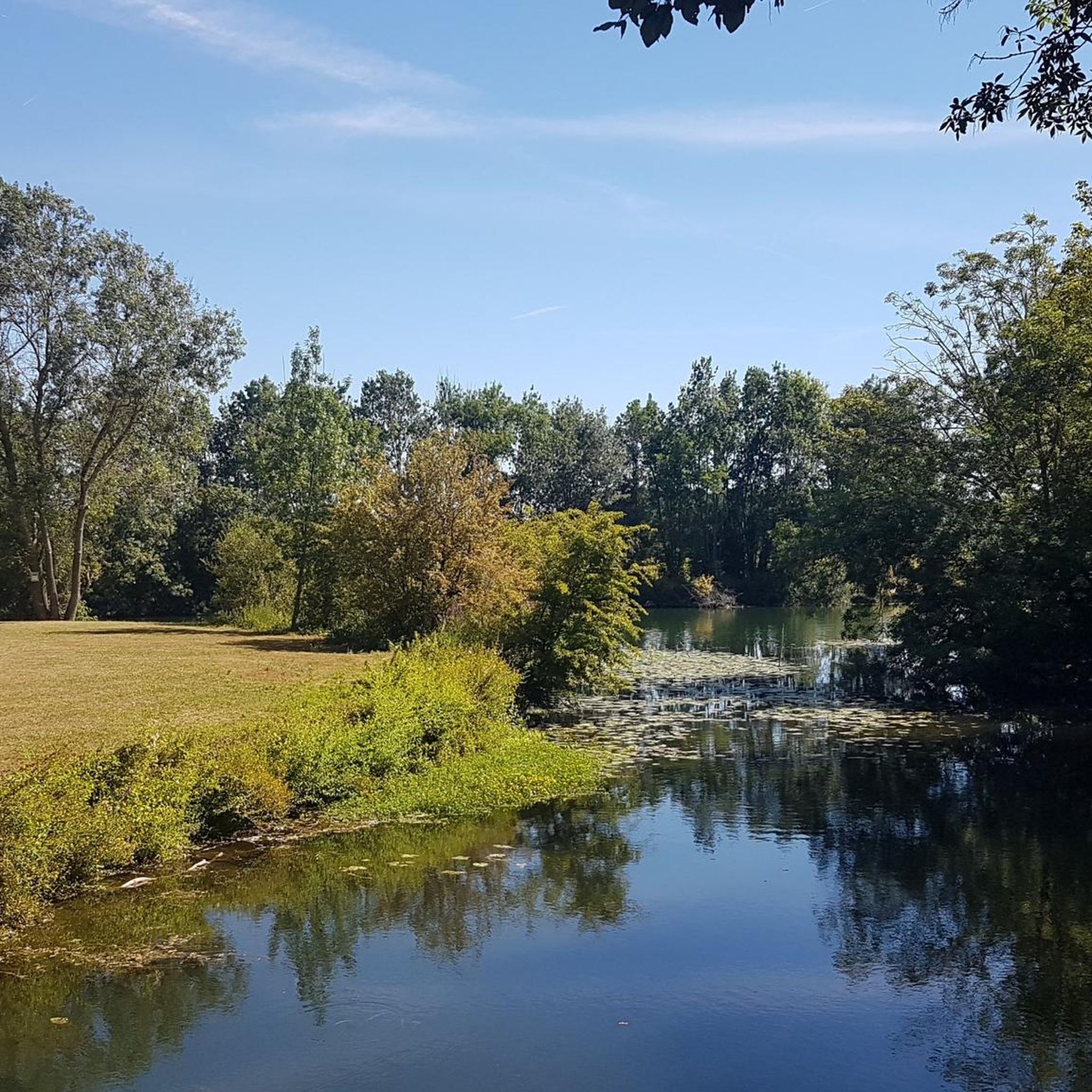
Chaniers에 있는 La Baine 유적지는 현재의 제분소보다 훨씬 이전의 것입니다. 14세기: 최초의 기록된 제분소 1310년 날짜의 문서는 La Baine에 직물 제분소가 있었다고 언급합니다. 이 제분소들은 강바닥에 박힌 기둥 위에 세워졌으며 특히 직물을 두드리는 데 사용되었습니다. 이 제분소들은 당시 Saintes 대성당의 학장과 사제단에 속해 있었습니다. 몇 년 전 Marche 백작에 의해 파괴되었습니다. 1313년에 사제단은 두 개의 제분소, 둑, 어장을 재건할 허가를 받았습니다. 17세기: 콜베르의 왕립 제분소 La Baine이 상당한 중요성을 띠게 된 것은 17세기에 이르러서였습니다. 5개의 곡물 제분소 단지가 샤랑트 강의 항해에 사용되지 않던 지류에 재건되었습니다. 1630년경, 제분소들은 실질적인 소유권을 가진 Charles와 Jacques Duval 형제에게 속해 있었고, Chaniers의 영지는 Saint-Pierre de Saintes 대성당 사제단에 속해 있었습니다. 그 후 루이 14세의 장관이자 해군 국무장관이었던 Jean-Baptiste Colbert가 등장합니다. 1670년경 Colbert는 생산 능력을 크게 늘리기 위해 제분소를 개조하고 확장했습니다. 새로운 단지는 7개의 수로를 갖추고 당시 이 지역에서 가장 강력한 제분소 중 하나가 되었습니다. Colbert는 왜 La Baine에 관심을 가졌을까요? 그 이유는 Rochefort 군수기지의 건설 및 개발과 직접적으로 관련이 있습니다. 제분소는 주로 왕립 해군의 선원들의 식량으로 사용될 밀과 보리 가루를 생산했습니다. 곡물은 샤랑트 강을 통해 바지선으로 운송되었습니다. 제분소에 짐을 내린 후, 바지선은 특히 Rochefort로 향할 밀가루를 싣고 떠났습니다. 따라서 La Baine 제분소는 샤랑트 강과 Rochefort를 중심으로 조직된 실제 왕립 산업 및 물류 시스템의 일부였습니다. 19세기: 점진적인 변화 19세기에도 제분업은 계속되었습니다. 오래된 제분소들은 점차 실제 산업 시설로 변모했습니다. 1845년에는 5명의 다른 제분업자들이 이 유적지를 운영했습니다. 1897년부터 Lardy 씨가 이 단지를 점진적으로 통합하여 시설을 현대화하고 기계를 도입했습니다. 그의 아들 Rémy Lardy가 그 뒤를 이었습니다. 20세기: 산업용 제분소 1930년대에 이 제분소는 실제 산업용 제분소로 발전했습니다. 하루 약 50 퀸탈의 밀을 처리할 수 있는 용량이었습니다. 1936년에는 직경 약 5미터의 여러 개의 수차에서 수력 에너지를 공급받았습니다. 총 취수량은 약 4미터였고 낙차는 1.50미터였습니다. 시설에는 특히 다음이 포함되었습니다: 2개의 이중 분쇄기; 1개의 이중 컨버터; 1쌍의 맷돌; 1개의 플랜시스터; 5개의 체. 제분업은 20세기 중반에 최종적으로 중단되었으며, 산업 활동의 중단 시점은 제분소인지 완전한 제분업 활동의 소멸인지에 따라 1940-1960년경으로 추정됩니다. 오늘날 건물은 보존되어 레스토랑으로 개조되었으며, 특히 수차와 오래된 기계 장치의 일부 등 산업 유산의 주목할 만한 요소들을 유지하고 있습니다. Moulin de la Baine은 현재 샤랑트 강 바로 위에 있는 17610 Chaniers, 14 rue Colbert에 위치해 있습니다. 특히 흥미로운 지점 제분소, 둑, 수문은 분리할 수 없는 역사적 전체를 형성합니다. 그러나 현재의 둑은 현대적인 변형을 거쳤습니다. 2012년의 현장 명령은 특히 Moulin de La Baine의 수력 구조물을 D급 댐으로 분류합니다.
0
0
샤니에르(Chaniers)의 체인 페리(Le bac à chaînes de Chaniers)는 프랑스에서 운행 중인 마지막 전통적인 강 페리 중 하나입니다. 생트(Saintes)에서 몇 킬로미터 하류에 있는 샤니에르와 쿠르쿠리(Courcoury) 사이의 샤랑트 강을 건널 수 있게 해줍니다. 수세기 동안 사용된 나루터 샤니에르 페리의 역사 샤니에르의 페리 나루터는 매우 오래되었습니다. 중세 시대로 거슬러 올라갑니다. 17세기 중반에는 이미 샤랑트 강에서 중요한 통행 지점이었습니다. 강을 건너는 데만 사용된 것이 아니라, 주민들이 특히 농업 활동을 위해 강 건너편 초지에 접근할 수 있도록 해주었습니다. 20세기 초, 샤니에르 페리는 샤랑트 강에 있는 훨씬 더 큰 규모의 나루터 네트워크의 일부였습니다. 1909년, 샤랑트-인페리외르(Charente-Inférieure)에는 샤니에르를 포함하여 13개의 페리가 여전히 기록되었습니다. 페리는 다리가 많아지기 전에는 필수적이었습니다. 왜 "체인" 페리라고 불리는 이유? 원리는 두 강둑을 연결하는 체인 위에 페리를 유지하는 것입니다. 뱃사공은 이 체인을 사용하여 배를 움직이고 물살에도 불구하고 경로를 유지합니다. 샤니에르의 현재 페리는 동력식인 반면, 도피에르-쉬르-샤랑트(Dompierre-sur-Charente)의 페리는 수동으로 조작됩니다. 그러나 관광청은 여전히 이를 "체인 페리"라고 설명하고 있으며, 지자체는 샤니에르와 쿠르쿠리를 연결하는 전통적인 통행 수단으로 설명하고 있습니다. 오늘날의 페리 샤니에르의 르 코뮈날(Le Communal)과 쿠르쿠리 강둑 사이에서 운행됩니다. 무료이며 보행자, 자전거 이용자, 동력 차량을 수송할 수 있습니다. 운행은 특히 샤랑트 강의 유량에 따라 달라집니다. 샤니에르 지자체는 공식적으로 "샤니에르 항구와 그 체인 페리"를 지역 유산의 일부로 소개하고 있습니다. 중요 사항: 이전 메시지를 수정합니다. 샤니에르 페리는 단순히 "19세기" 페리가 아닙니다. 이 나루터는 중세 시대부터 증명되었으며, 수세기에 걸쳐 운행 방식과 장비가 발전해 왔습니다.
0
0

I really enjoyed this ride. I’m 46, I did it on a 40 year old road bike, it’s more suited to a cyclocross bike!
1
0


A must-see visit alongside this abbey on a magnificent circuit
0
0
A particularity is located in the gallery of arcature which overhangs the portal. Indeed it has three arched windows on one side of the central window and two semicircular on the other. Note that the two bays on the right occupy the same width as the three on the left. The bell tower, like many others in the region, has a pyramidal roof. Simple columns come to partition the two windows which cover each face. Inside the church, archival documents prove that the nave with two bays was originally vaulted with warheads. Unfortunately, this vault was destroyed during religious wars. Still according to archival documents, it would seem that at the beginning of the 20th century, a narthex, where the catechumens were held, leaned on its facade. Today, it has completely disappeared. The church was classified as a historic monument in 1913. The building underwent a complete restoration in 1935. To admire just next to the church a magnificent and majestic period residence.
0
0
Towards the end of the 12th century, an abbey church was built. At the beginning of the 13th century, attached to the west of the first Romanesque abbey, a Gothic-style cloister was gradually built. The abbey reached its peak from this period: in addition to its priories (la Grainetière in Vendée and la Tenaille near Pons), it owned land within a radius of 100 km, including saltworks on the coast. In the 15th century, Fontdouce obtained the title of royal abbey leading to a profound change in its mode of administration: the abbot was no longer elected by his peers within the community but was appointed by the king. It is often a great layman to whom the king grants the commendation, that is to say 80% of the income of the abbey. Then, the wars of religion, in the 16th century, accelerated its decline. The abbey church is ransacked: it will never be rebuilt. The years following the French Revolution also brought their share of destruction: several buildings, including the refectory, disappeared. The last monks were driven out in 1793 and the following year the site was sold as National Property to serve as agricultural property. The farmer who bought the place then built, on the remains of the conventual buildings, a house in the First Empire style. In the 1820s, Fontdouce entered the family of the current owners who, on December 16, 1986, had the Gothic parts, chapter house and parlor classified as historical monuments2. From 1970, the current owners undertook a series of excavations intended for the restoration of the Abbey of Fontdouce. They are gradually bringing the beautiful chapter house and the Gothic parlor back to life, the two superimposed Romanesque chapels and several other remains. These restoration works earned them third prize in the masterpiece in danger competition in 1979. In 1986, the site was entirely classified as a Historic Monument1. Today, Fontdouce remains a private property, focused on tourist and cultural activities, supported in its development actions by a team of enthusiasts grouped together within the Association Guillaume de Conchamp.
1
0

The Church of Saint-Martin de Coucoury was built around the 11th century. It is a pretty example of a Romanesque church.
1
0


더 살펴보기
찾고 있는 하이라이트를 아직 못 찾으셨나요? 다른 지역의 주요 명소 가이드를 확인해보세요:
