20의 모튼가지 명소 & 주요 장소
모튼에는 둘러볼 만한 장소가 많답니다. 하이킹 또는 사이클링을 좋아한다면 모튼에 숨겨진 20
가지 보석을 만날 수 있을 거예요. 이 지역의 주요 명소를 살펴보면서 다음 모험을 계획해보세요.
마지막 업데이트: 10월 9, 2026
퐁트브뢰 왕립 노트르담 수도원
하이라이트 • 종교적 장소
번역자 Google •
팁에 의해

이런 장소를 발견하려면 지금 가입하세요
최고의 싱글 트랙, 봉우리 및 다양한 흥미로운 야외 장소에 대한 추천을 받아보세요.
노트르담 드 피티에 예배당
하이라이트 • 기타
The Notre-Dame-de-Pitié chapel, dating from 1579, is remarkable for both its late Renaissance architecture and its interior decoration, which was completely rebuilt in 1871-1872 around the sculpted group of …
번역자 Google •
팁에 의해

파운트 사기 기념비
하이라이트 • 기타
번역자 Google •
팁에 의해
무료로 가입하여 모튼 주변의 더 많은 명소를 발견하세요.
이미 komoot 계정이 있나요?
오늘 무료 계정으로 시작하세요
다음 모험이 기다리고 있어요.


커뮤니티 팁

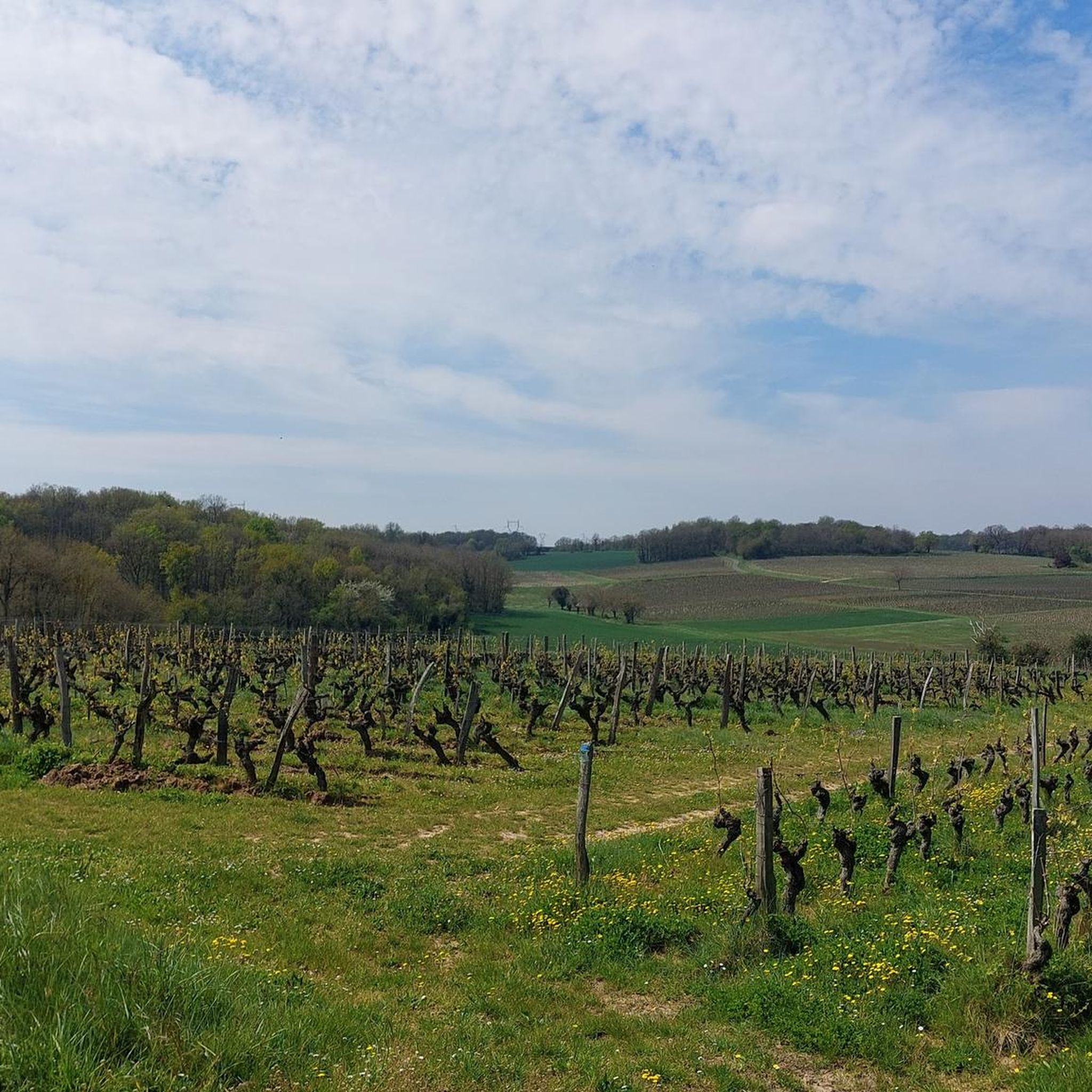
The Royal Abbey of Fontevraud is one of the largest monastic communities in Europe dating back to the Middle Ages. It is a place with a rich history, located in the heart of the Loire Valley and listed as a UNESCO World Heritage Site. The abbey is a unique cultural site! An abbey with a royal destination, a formidable prison is today a place of creation (museum of modern art).
3
0
Brief: The Notre-Dame-de-Pitié chapel, dating from 1579, is remarkable for both its late Renaissance architecture and its interior decoration, which was completely rebuilt in 1871-1872 around the sculpted group of the Virgin of Pitié that it houses (a work that was handed over after thefts in 2003). The foundations of this chapel are historically linked to the officers of the Abbey of Fontevraud and to Abbess Éléonore de Bourbon. It should be noted that the renovation of the chapel after the Franco-Prussian War took place in connection with the Central Prison of Fontevraud, since prisoners contributed to the painted decorations. The chapel is isolated and has not been maintained for decades. Today, it is in a worrying state: the striking elements of the sculpted furniture have disappeared or have been stored to prevent theft. The painted canvas has been altered and shows a general shabby-chic style. The murals are in some places very degraded (flaking, holes), as is the vault with false wainscoting on plaster laths. A restoration of this interior and fixing the furniture in place would be necessary. This would undoubtedly also help to clarify the question of the decor that already existed in the 1871-1872 program. Want to know more? Click on https://gertrude.paysdelaloire.fr/dossier/IA49010716
4
0
Fontevraud-l'Abbaye is located in the natural region of the Loire Valley, listed as a "living cultural landscape" by UNESCO. As its name suggests, the history and present of the municipality are closely linked to the Abbey of Notre-Dame, founded in 1099. The abbey presents the originality of being part of a mixed order, but led by abbesses until the Revolution. was the necropolis of the Plantagenet dynasty. The recumbent figures of Richard the Lionheart, Henry II and Eleanor of Aquitaine are still preserved there. The vast abbey complex was transformed by Napoleon I into a penal colony and then into a "central house". This extraordinary prison closed its doors in 1963. While the abbey church and the various monastic sites were rehabilitated, the entire old abbey has since housed a prestigious cultural centre with, among other things, a renowned art museum, welcoming meetings and artists in residence. Art, history and heritage are highlighted throughout the year.
4
0
Located at the crossroads of Anjou, Touraine and Poitou, welcome to the Fontevraud-l'Abbaye Tourist Office, our travel advisors will welcome you in front of the Saint-Michel church to help you discover the destination. Let us advise you and discover a village full of charm. Formed around the famous royal abbey, the Plantagenets necropolis, it is today a lively village, rich in numerous monuments, shops and craftsmen. The Tourist Office offers you: a privileged welcome - a free wifi hotspot - a shop with a wide choice of regional products, gifts, books and souvenirs - good tips to visit more and spend less when buying your entrance tickets - a complete tourist guide - a website - but also to travel light, by leaving your luggage with us. More information and opening hours at https://www.ot-saumur.fr/nl/sheets/vvv-kantoor-fontevraud-labbaye-5404626/
5
0
The Royal Abbey of Fontevraud is one of the largest monastic communities in Europe dating back to the Middle Ages. It is a place steeped in history, located in the heart of the Loire Valley and listed as a UNESCO World Heritage Site. Let yourself be carried away by the magic of this ancient site and discover the Royal Abbey of Fontevraud, an architectural and historical jewel that will fascinate young and old alike. Thanks to captivating exhibitions, fascinating guided tours and a rich cultural programme, you will immerse yourself in the unique world of this abbey, founded in the 11th century and once a necropolis of the Plantagenets. Every stone, every vault, every corner tells a story... But Fontevraud is much more than a historical site... Broaden your discovery with a visit to the Fontevraud Museum of Modern Art, which houses more than 800 works donated by Martine and Léon Cligman. A prestigious collection that combines ancient and modern art, for an artistic immersion through the ages. Triggered? Find out more at https://www.ot-saumur.fr/en/abbeys-and-religious-heritage/royal-abbey-of-fontevraud-5344942/
4
0
After the First World War, the city of Fontevraud decided to erect a monument to the fifty-two workers of Fontevraud who had died during the war, who had been born in the city or had lived there. "To the children of Fontevrault who died for France - 1914-1918" was designed by Albert Jouanneault (1888-1944, died during deportation). The end of the First World War and the subsequent great demand for war memorials gave Jouanneault the opportunity to work more extensively in the Saumur region, where, in addition to the monument in Fontevraud, he also designed monuments in Puy-Notre-Dame, Saint-Hilaire-Saint-Florent and Brézé. His work was not limited to the region, however, as war memorials designed by him can also be found in other French cities, such as Saint-Pol (Pas-de-Calais), Laruns (Pyrénées-Atlantiques) and Baron (Oise). Although not standardised, his production of these memorials is quite repetitive. At the foot of the monument, commemorative plaques were also placed for victims of Fontevriste who died in other conflicts. These plaques honour the victims of the Second World War: six soldiers who died in battle, four civilian victims and ten who were shot, as well as the two who died in the Indochina War and the two who died in the Algerian War. A monument to pause for a moment. Source: https://gertrude.paysdelaloire.fr/dossier/IA49010760
4
0
The Royal Abbey of Fontevraud is one of the largest monastic communities in Europe dating back to the Middle Ages. It is a place with a rich history, located in the heart of the Loire Valley and listed as a UNESCO World Heritage Site.
5
0

Classified as a "Grand site du Val de Loire", the Château de Brézé is a unique historical monument built between the 11th and 19th centuries. The castle stands proudly in a magnificent neo-Gothic style, but it is actually beneath the surface that the building's particularity lies, since it houses an entire underground network that constitutes a real fortress hidden under the rock. Initially built to protect against Viking invasions, the fortress has one of the deepest dry moats in Europe. Under the castle, there is a 3 km network of tunnels and rooms. These were in a way the first protective bunkers known in history, and housed bakeries, stables, dormitories, kitchens, a barrel room and even a silkworm farm.
0
0


더 살펴보기
찾고 있는 하이라이트를 아직 못 찾으셨나요? 다른 지역의 주요 명소 가이드를 확인해보세요:
