11의 탈시가지 명소 & 주요 장소
탈시에는 둘러볼 만한 장소가 많답니다. 하이킹 또는 사이클링을 좋아한다면 탈시에 숨겨진 11
가지 보석을 만날 수 있을 거예요. 이 지역의 주요 명소를 살펴보면서 다음 모험을 계획해보세요.
마지막 업데이트: 9월 8, 2026
역사적인 세탁 공간 - 라부아르
하이라이트 • 기타
This is how it typically worked:
번역자 Google •
팁에 의해


이런 장소를 발견하려면 지금 가입하세요
최고의 싱글 트랙, 봉우리 및 다양한 흥미로운 야외 장소에 대한 추천을 받아보세요.
루아르 강둑을 따라 펼쳐지는 웅장한 길
하이라이트 • 트레일
번역자 Google •
팁에 의해

오를레앙에서 블루까지 보 베르테
하이라이트 (구간) • 기타
번역자 Google •
팁에 의해


오늘 무료 계정으로 시작하세요
다음 모험이 기다리고 있어요.
커뮤니티 팁

It's also a lovely place to rest in the shade and cool your feet. But be careful! Due to the algae deposits, the ground is very slippery, so it's best to step in very carefully.
1
0
Historical washing place – in French, this is called a lavoir. In the past, before washing machines existed, villagers used these covered basins to wash their laundry. This is how it typically worked: Water source: The basin was usually directly connected to a spring or stream, so fresh water constantly flowed in and dirty water drained away. Working method: The women (often "women's work") knelt or stood at the edge of the basin and scrubbed clothes on washboards or directly on inclined stone slabs. Soap & Ash: Homemade soap or a solution made from wood ash was used. Rinsing & Wringing: The laundry was rinsed in clear water, wrung out vigorously, and then hung up to dry. Social meeting place: In addition to work, the lavoir was also a place for chatting, exchanging news, and sometimes even gossiping – essentially the village's "social network." Your photo also shows well how there are several pools
1
0

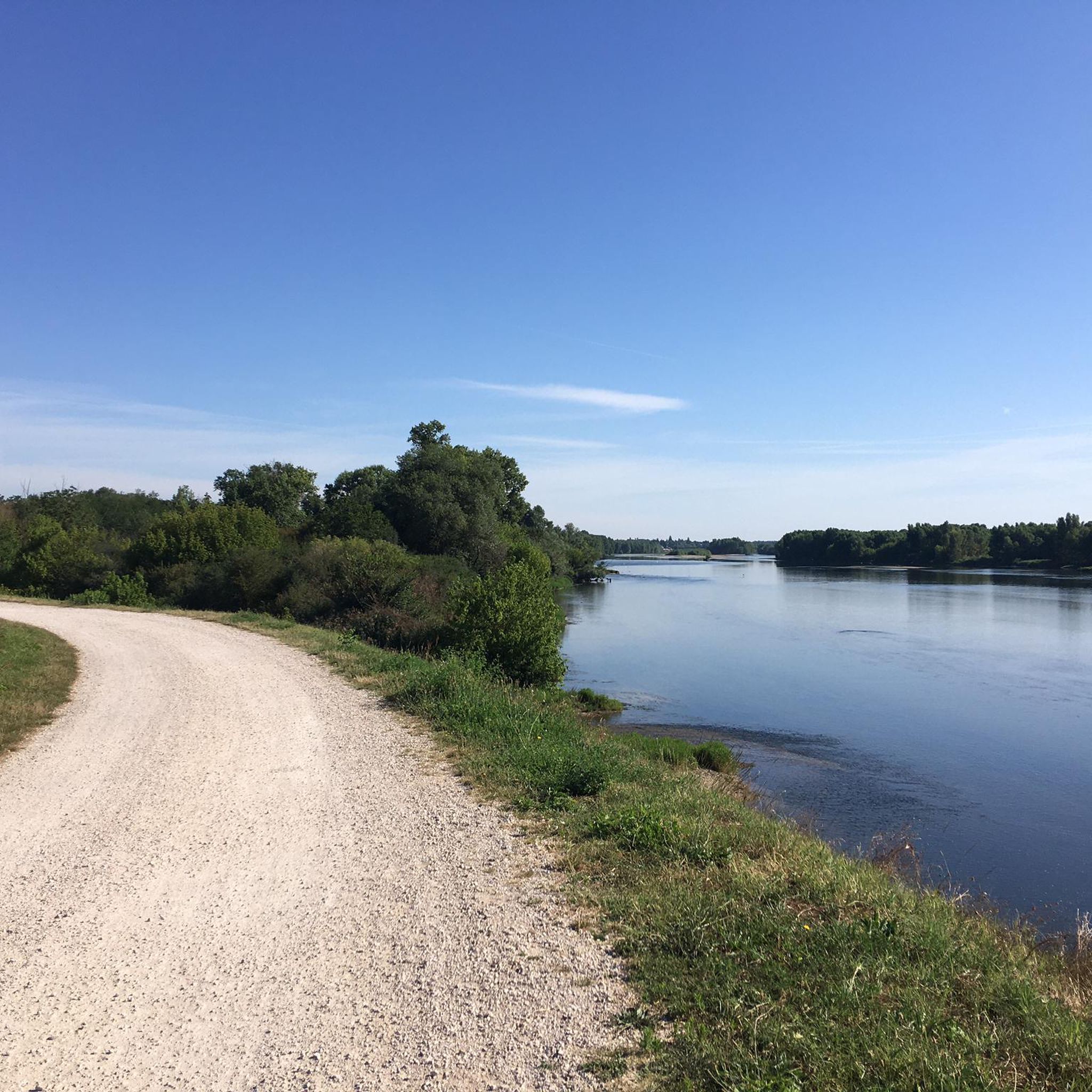
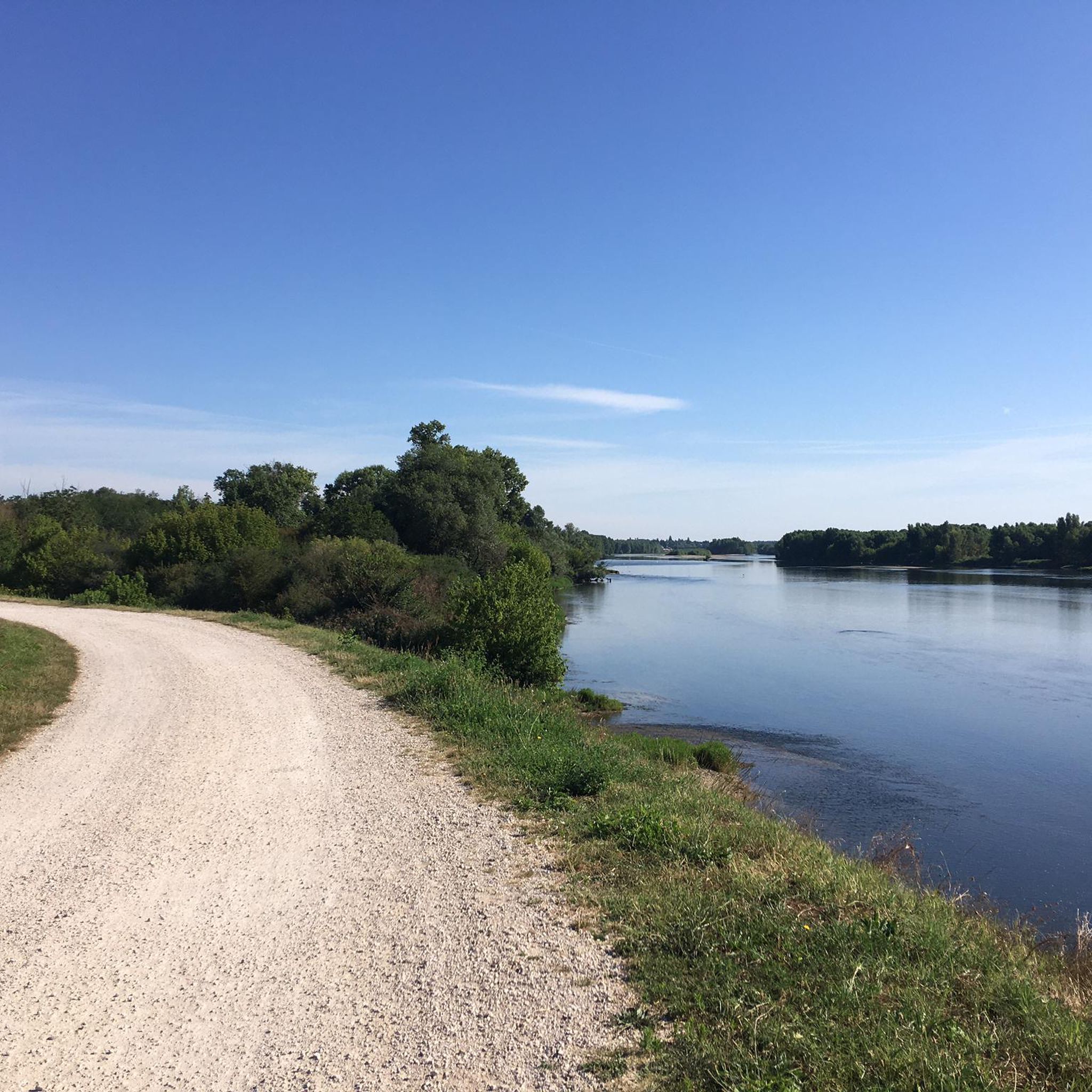
very little shared traffic; bitumen and dirt track in places, suitable for gravel, hybrid bikes, mountain bikes. Road bike depending on tire size and if dry weather perhaps?
0
0

Mill worth the detour at the foot where you can find a drinking water point
0
0

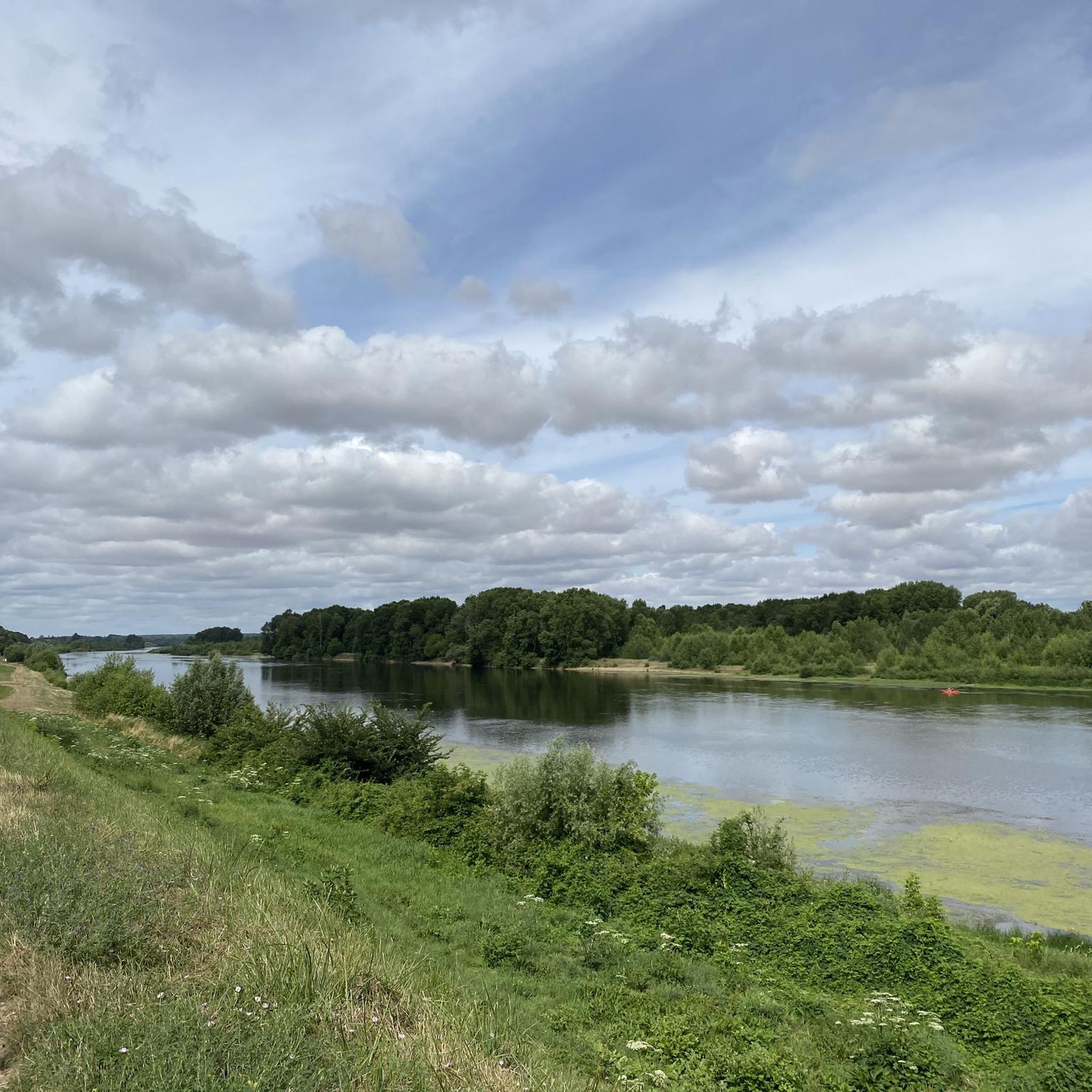
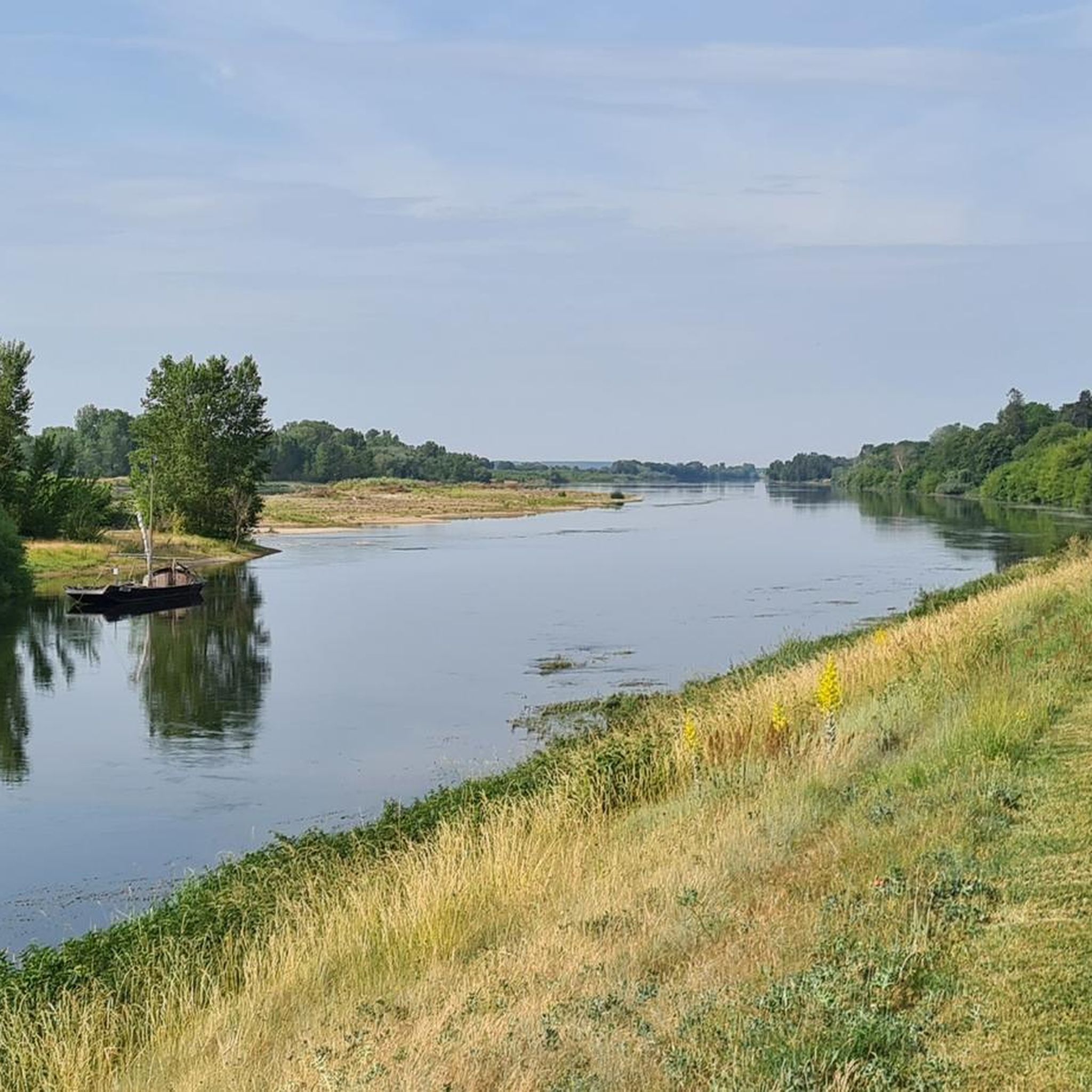
The banks of the Loire are a beautiful place for your bike rides. Despite the lack of relief, charming little paths bring variety to the route.
0
0

Talcy Castle is a Renaissance castle built in the 16th century. You can walk around the castle and admire its architecture, which combines classical and medieval elements. You can also learn about the history and culture of the people who lived and loved the castle, such as the poet Pierre de Ronsard, who wrote his famous sonnets for Cassandre, the daughter of the castle's owner.
3
0

Beautiful, secluded, very quiet castle. For people who accept a detour and don't have any hype for it.
0
0

This mill already existed at the beginning of the 19th century. It retains all its masonry elevation, made up of the cone and the circular mass. Elements of the frame of the cone, soles and roots, still remain. They maintained the huse, or hollow vertical pivot, through which passed the large iron which transmitted the movement to the millstones placed on the ground floor. Several doors, surmounted by small openings to ventilate and illuminate the cone, give access to ancillary rooms, one hollowed out in the mass, the other backed by the mass. This cavier mill, along with those of Crapeaudeau and Ecuelle, is the group of the last three cavier-type windmills existing in the department.
0
0


더 살펴보기
찾고 있는 하이라이트를 아직 못 찾으셨나요? 다른 지역의 주요 명소 가이드를 확인해보세요:
