20의 카펠레 페르몽가지 명소 & 주요 장소
카펠레 페르몽에는 둘러볼 만한 장소가 많답니다. 하이킹 또는 사이클링을 좋아한다면 카펠레 페르몽에 숨겨진 20
가지 보석을 만날 수 있을 거예요. 이 지역의 주요 명소를 살펴보면서 다음 모험을 계획해보세요.
마지막 업데이트: 5월 27, 2026
코쿠르의 여울과 물레방아
하이라이트 • 기념물
번역자 Google •
팁에 의해

노트르담 드 로레트 국립 묘지
하이라이트 • 역사적 장소
번역자 Google •
팁에 의해

이런 장소를 발견하려면 지금 가입하세요
최고의 싱글 트랙, 봉우리 및 다양한 흥미로운 야외 장소에 대한 추천을 받아보세요.
무료 회원 가입
아블랭생나제르 교회
하이라이트 • 역사적 장소
번역문 보기
팁에 의해
노트르담 드 로레트 국립묘지
하이라이트 • 기타
번역자 Google •
팁에 의해

무료로 가입하여 카펠레 페르몽 주변의 더 많은 명소를 발견하세요.
무료 회원 가입
이미 komoot 계정이 있나요?
오늘 무료 계정으로 시작하세요
다음 모험이 기다리고 있어요.
로그인 또는 가입하기


커뮤니티 팁

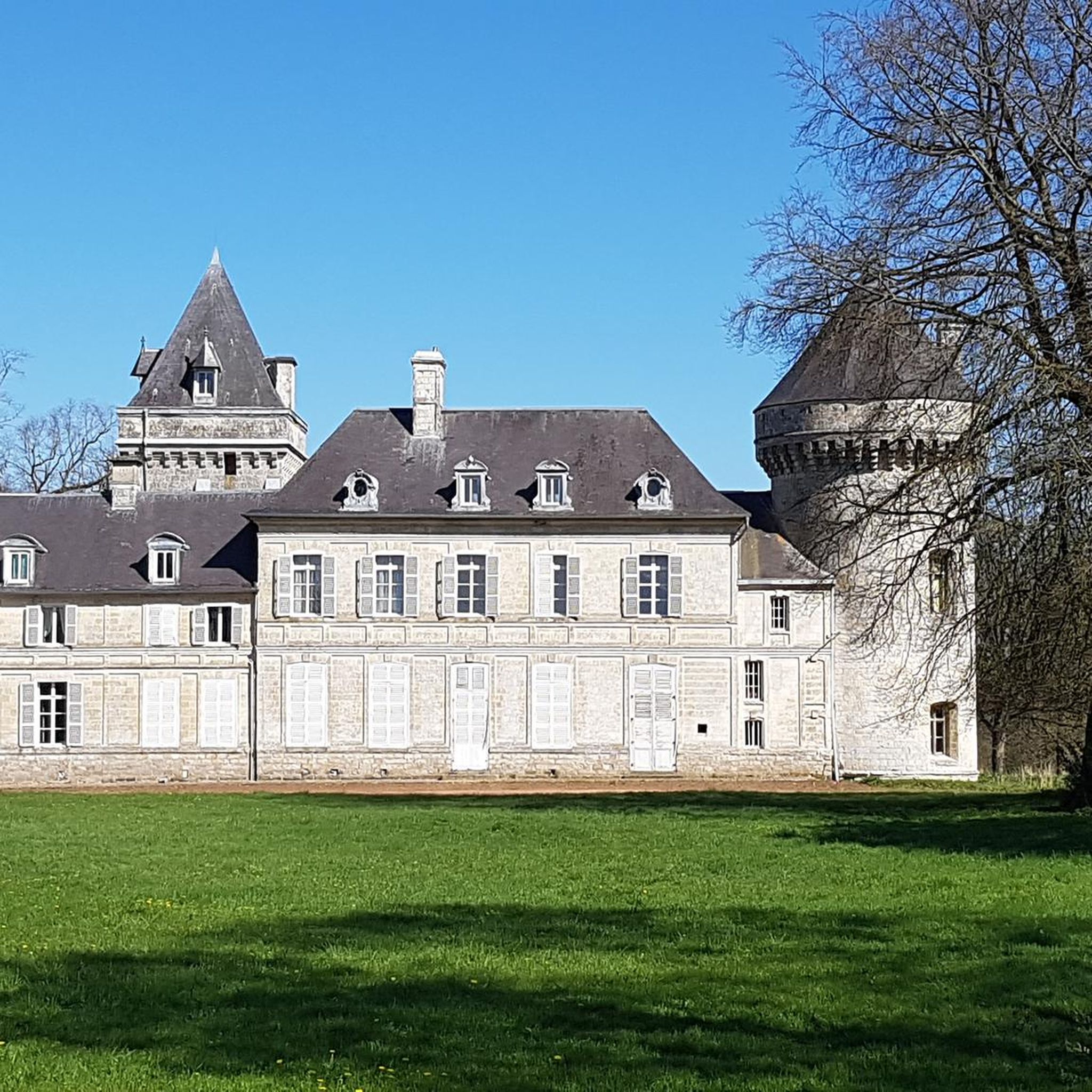
Ablain-Saint-Nazaire의 옛 교회 유적은 제1차 세계 대전의 인상적이고 상징적인 유물입니다. 16세기에 Jacques Le Caron이 화려한 고딕 양식으로 지은 이 교회는 1915년 전투 중에 심하게 손상되었습니다. 이 유적은 전쟁의 참상을 기념하는 기념물로 보존되어 있습니다.
7
0
A remarkable story about the ruins concerns the decision not to rebuild the church after the war. Although the church had been classified as a historical monument in 1908, the Commission for Historical Monuments decided that the ruins should remain as a testimony to the German destruction. Ironically, it was the French guns that had destroyed the church, but the ruins became a symbol of the war and the reconstruction.
6
0
The Nécropole nationale de Notre-Dame-de-Lorette is one of the largest and most impressive military cemeteries in France. Situated on a hill in Ablain-Saint-Nazaire, this cemetery contains the graves of more than 42,000 soldiers who died during the First World War. The cemetery was inaugurated in 1925 and includes a basilica, a tower-lantern and a museum.
7
0

This hike takes private paths... To avoid ending up with a complaint filed
1
0


Historical interpretation: Ablain-Saint-Nazaire has two churches. In the center of the city, 2,000 people were born in the Nieuwe Kerk, and they were placed at the end of the bid, which was the interwar period. The remaining parts of the outer wall are no longer destroyed. A flamboyant work of art, created by Jacques Le Caron, architect of the famous Belfry of Arras. It was born in the 16th century by Charles de Bourbon-Carency, he was on the board, he was blessed with wild tones in Saint Nazaire who was born with the genesis of his daughter. Ablain is strategically located at the foot of the Notre-Dame-de-Lorette plateau. The Germans were released in October 1914. From France we can see what happened when we visited Notre-Dame-de-Lorette, the same thing happened with Vimy in Arras and in another Lens that dominated the world. The horrors of war and the dangers of reconstruction On May 9, 1915, the French attacked after six days of bombardment. If you don't know what you're doing, don't worry about your success. Now you can see that the 102,000 people who remained at Vimy Ridge are worth it. Carency in Ablain, recaptured at the same time as Lorette, is in ruins, including the Saint-Nazaire church. At the end of the conflict, the Historical Monuments Commission, which classified this church in 1908, decided not to rebuild it: “These moving ruins must be preserved as a witness to German vandalism. » From Ablainois we have some of the English we have had to deal with; they understood that the state did not want to bear the costs of repairing the destroyed church. In 1922, the congregation was new to you as it grew into the stadium. Until its completion in 1932, it was a barracks submitted by the Canadians that served as a temporary prayer room. As for the Old Church, which was in danger of collapsing, the Historical Monuments consolidated its ruins in 1983. They thus continue to bear witness to the horrors of the war and the dangers of reconstruction. Source: https://ablainstnazaire-org.translate.goog/la-vieille-eglise/?_x_tr_sl=fr&_x_tr_tl=nl&_x_tr_hl=nl&_x_tr_pto=sc
1
0
Notre-Dame-de-Lorette is the largest cemetery in France, but also a location for remembrance and reflection, where the battles that took place on this hill in 1915 are commemorated. The location is near the town of Ablain-Saint-Nazaire; it consists of a basilica built in a neo-Byzantine style, a lantern tower 52 meters high and an immense military cemetery, the largest in France, where 40,058 bodies are buried. In 2014, a memorial ring was placed, bearing the names of almost 580,000 soldiers of different nationalities who lost their lives in Nord-Pas-de-Calais between 1914 and 1918. Two other buildings have been added to this site: the "living museum" 14-18, located on the Notre-Dame-de-Lorette hill, with more than 2,000 pieces in its collection, and the Historical Center of the Memorial 14-18 , in Souchez, a visitors center where objects, photos and film from that time are displayed.
5
0

Excellent for the interest of our heritage. It really is a great pleasure.
0
0


더 살펴보기
찾고 있는 하이라이트를 아직 못 찾으셨나요? 다른 지역의 주요 명소 가이드를 확인해보세요:
