16의 로피탈 르 메르시에가지 명소 & 주요 장소
로피탈 르 메르시에에는 둘러볼 만한 장소가 많답니다. 하이킹 또는 사이클링을 좋아한다면 로피탈 르 메르시에에 숨겨진 16
가지 보석을 만날 수 있을 거예요. 이 지역의 주요 명소를 살펴보면서 다음 모험을 계획해보세요.
마지막 업데이트: 9월 13, 2026

파레이르-르-모니알 바실리크
하이라이트 • 역사적 장소
번역자 Google •
팁에 의해
이런 장소를 발견하려면 지금 가입하세요
최고의 싱글 트랙, 봉우리 및 다양한 흥미로운 야외 장소에 대한 추천을 받아보세요.
앙지-르-뒤크의 성모 승천 교회 및 옛 수도원
하이라이트 • 역사적 장소
번역자 Google •
팁에 의해

샤펠 생클로드-라-콜롬비에르
하이라이트 • 종교적 장소
번역자 Google •
팁에 의해

카날 뒤 센터 그린 루트
하이라이트 • 자전거 도로
번역자 Google •
팁에 의해

무료로 가입하여 로피탈 르 메르시에 주변의 더 많은 명소를 발견하세요.
이미 komoot 계정이 있나요?
오늘 무료 계정으로 시작하세요
다음 모험이 기다리고 있어요.

커뮤니티 팁

It's so beautiful that words are insufficient
0
0


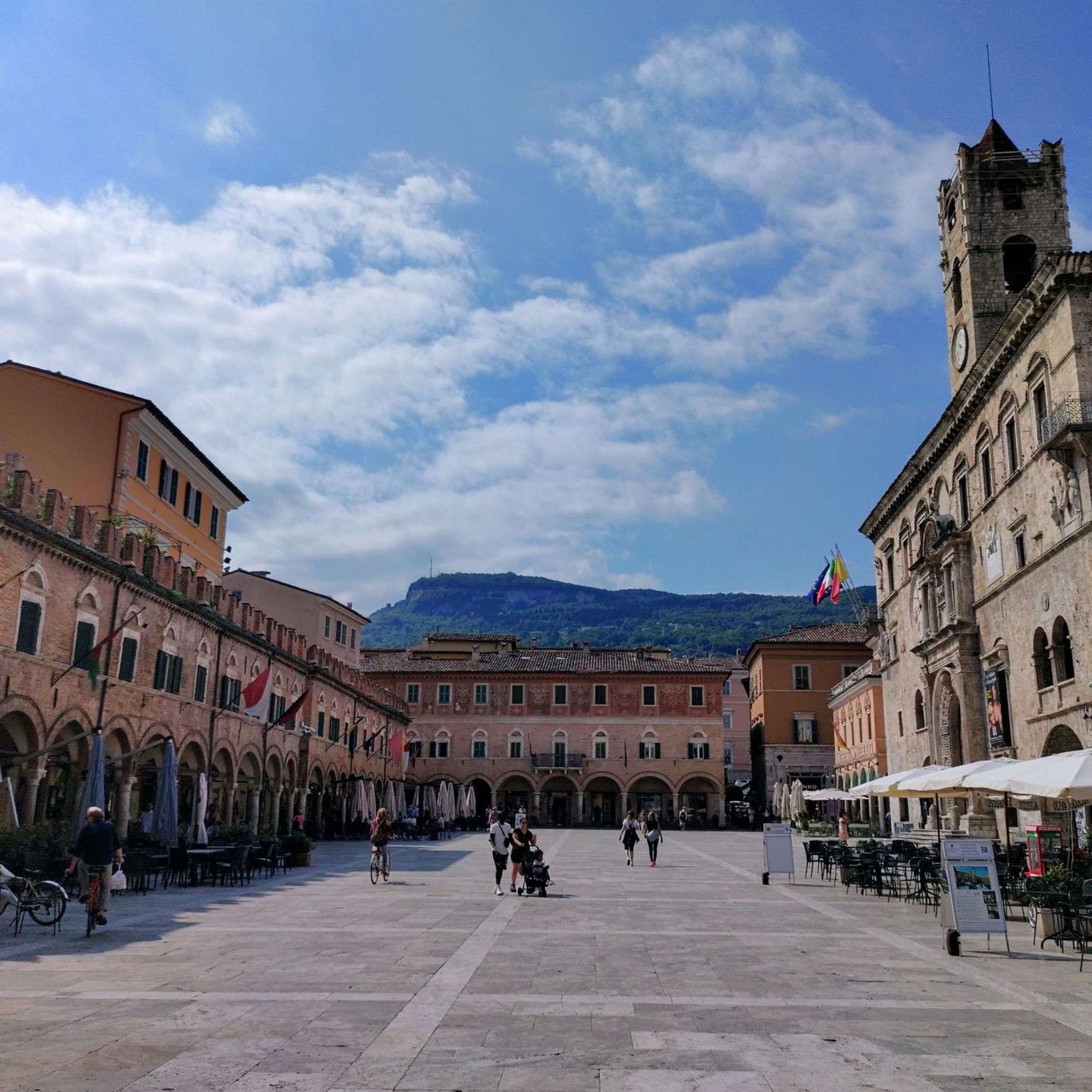
simply impressive! The city is also beautiful. We had a good meal here!
0
0

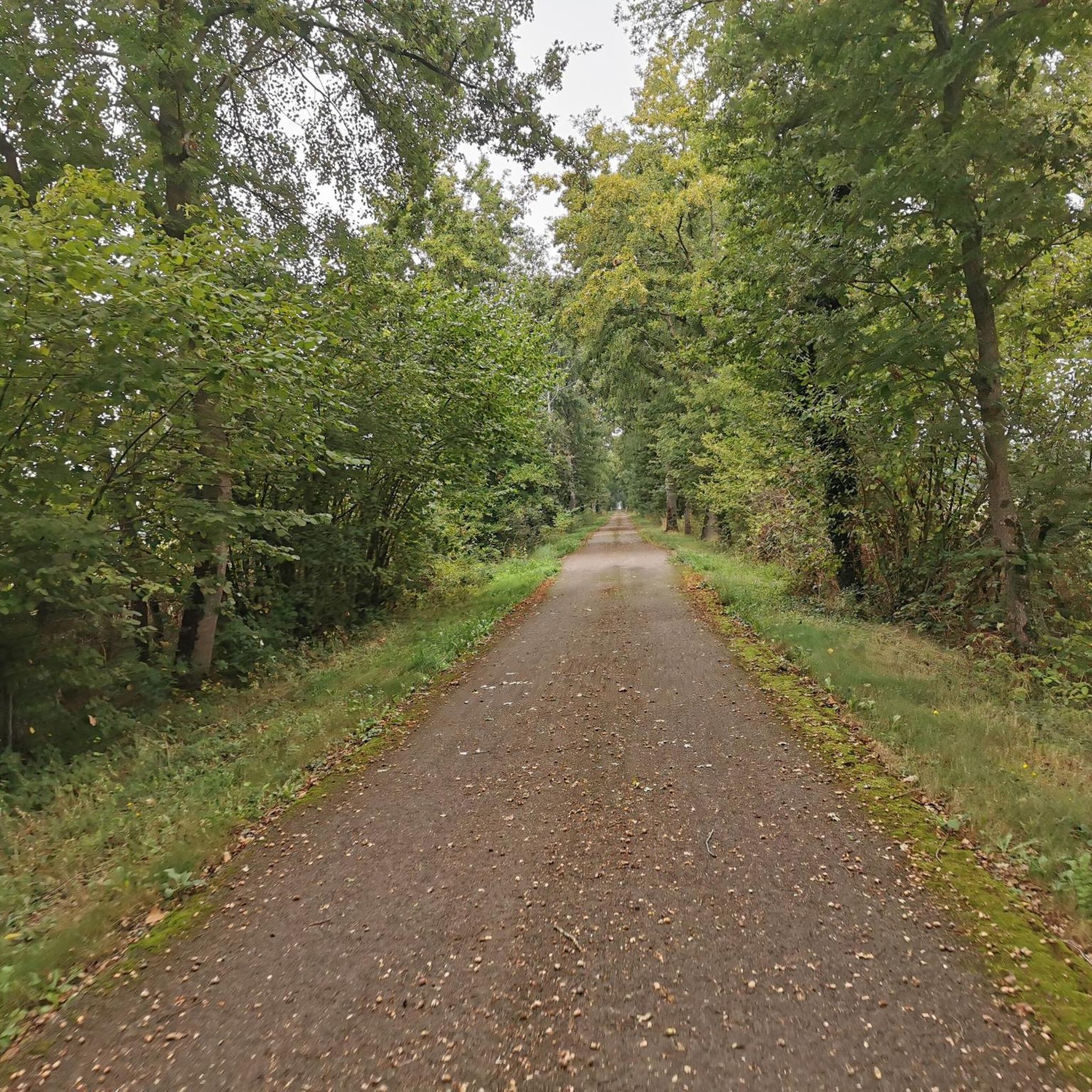
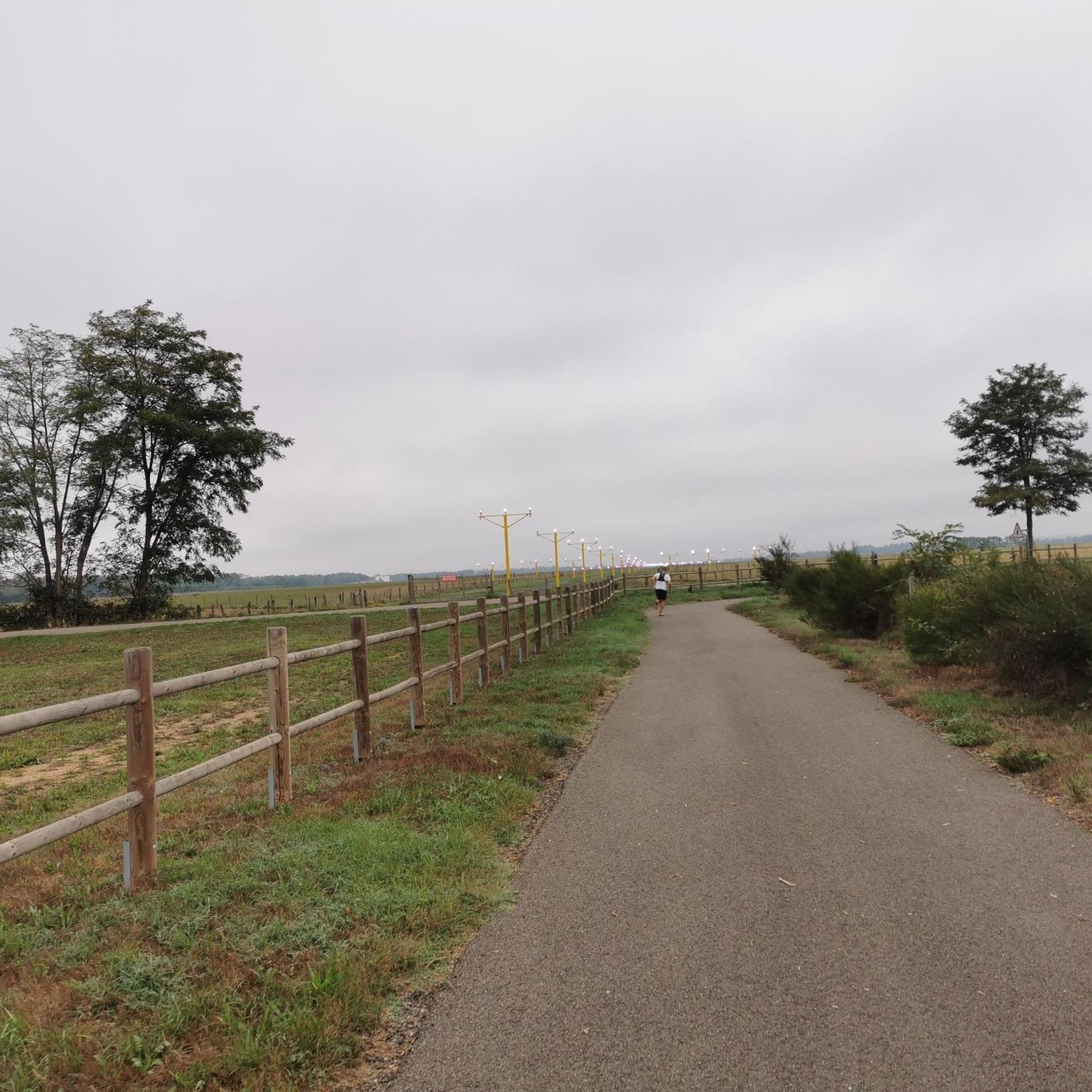
The Voie Verte du Canal du Centre, located just outside Paray-le-Monial, offers a scenic and relaxing experience in the heart of the Burgundy region. Along the way, you will enjoy a well-maintained greenway that runs alongside the historic Canal du Centre, allowing you to ride on flat and easy terrain. It is the perfect complement to any hike.
3
0

This priory church is classified as a historic monument. It was built between the end of the 11th century and the beginning of the 12th. Its octagonal bell tower is characteristic and the church is among the most beautiful expressions of Romanesque art in the department. The sculptures are particularly numerous.
1
0

The relics of Saint Claude la Colombière, spiritual director of Saint Marguerite-Marie, are venerated in the Chapelle de La Colombière. It houses the relics of Blessed Claude La Colombière (canonized by Pope John Paul II on May 31, 1992), who was St. Margaret-Marie's confidante and supporter in her mission. The Byzantine-inspired chapel, simple from the outside, is enriched inside by mosaics, stained glass windows, carved and painted capitals and sculptures that provide a lavish decoration. In 2012 the chapel was included in the register of historical monuments.
1
0

The former priory of Anzy-le-Duc is a Benedictine priory located in Anzy-le-Duc in the department of Saône-et-Loire and the Burgundy-Franche-Comté region. It has been classified as a historic monument since 1922 and 1992. The Notre-Dame-de-l'Assomption church is a Romanesque church located in the territory of the commune of Anzy-le-Duc in the French department of Saône-et-Loire in the Burgundy-Franche-Comté region. It has been classified as a historic monument since 1851.
1
1

Impressive "canal bridge" over the Loire, which was built over 180 years ago.
0
0


더 살펴보기
찾고 있는 하이라이트를 아직 못 찾으셨나요? 다른 지역의 주요 명소 가이드를 확인해보세요:
