위세 최고의 워킹 & 하이킹 경로
4.5
(38)
267
등산객
52
하이킹
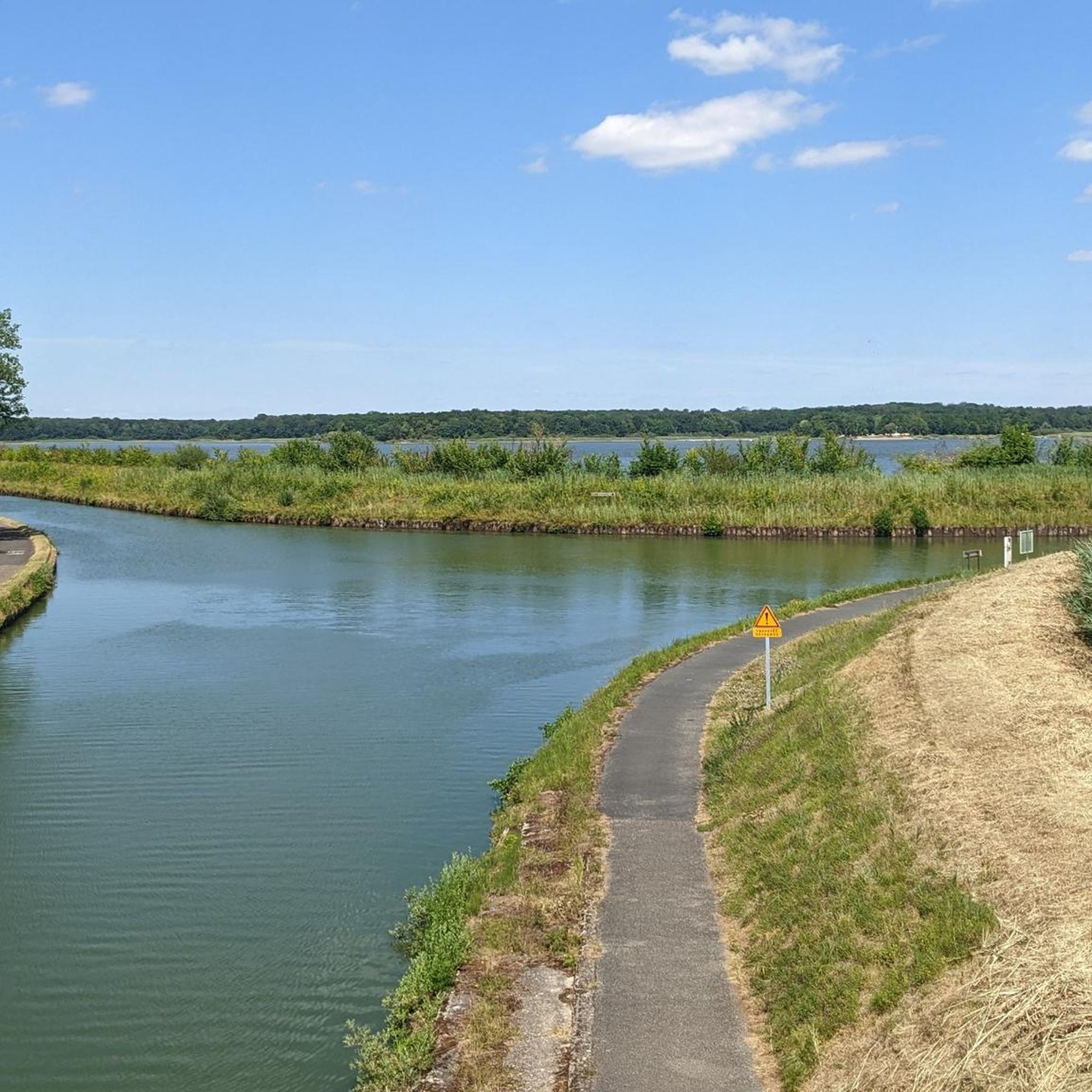
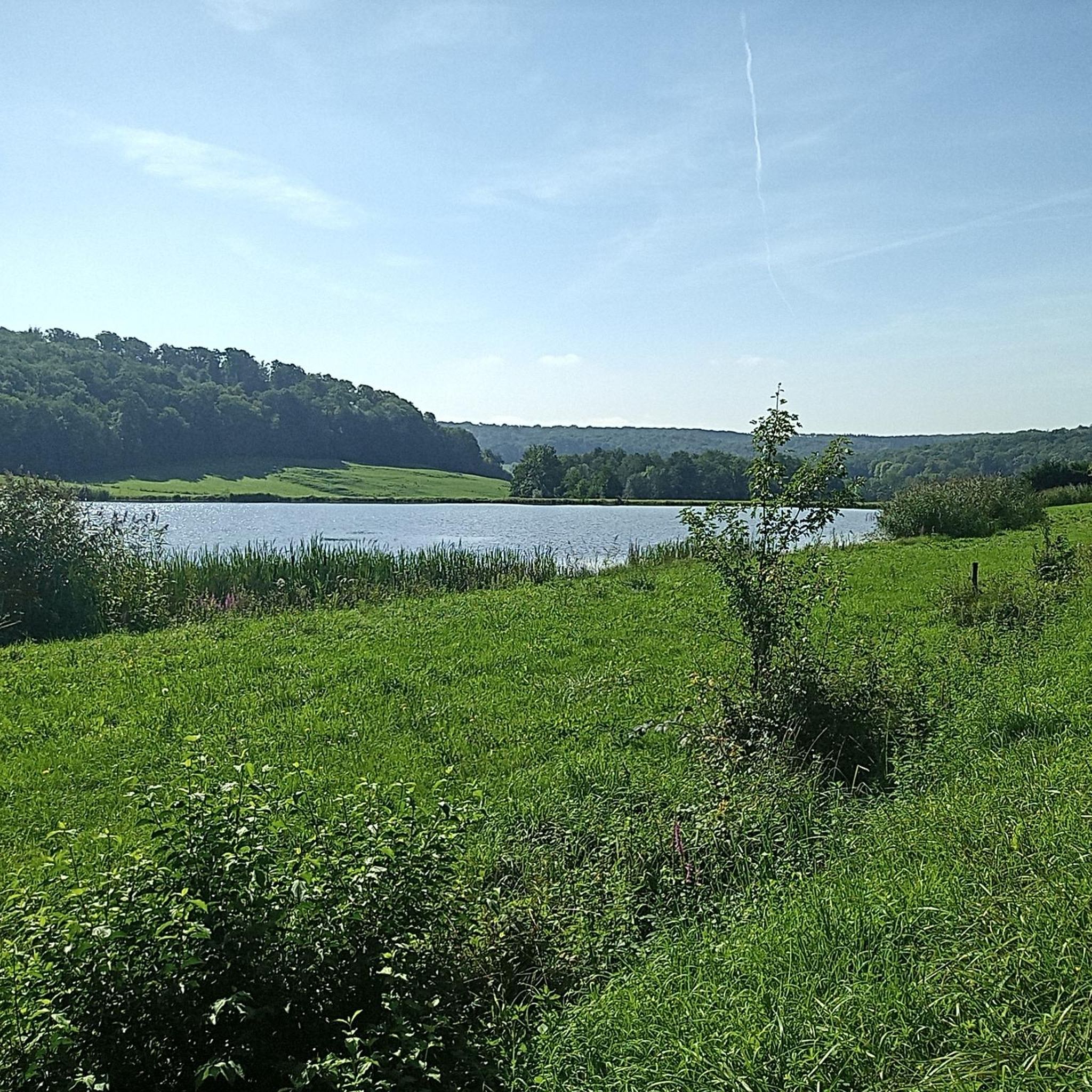
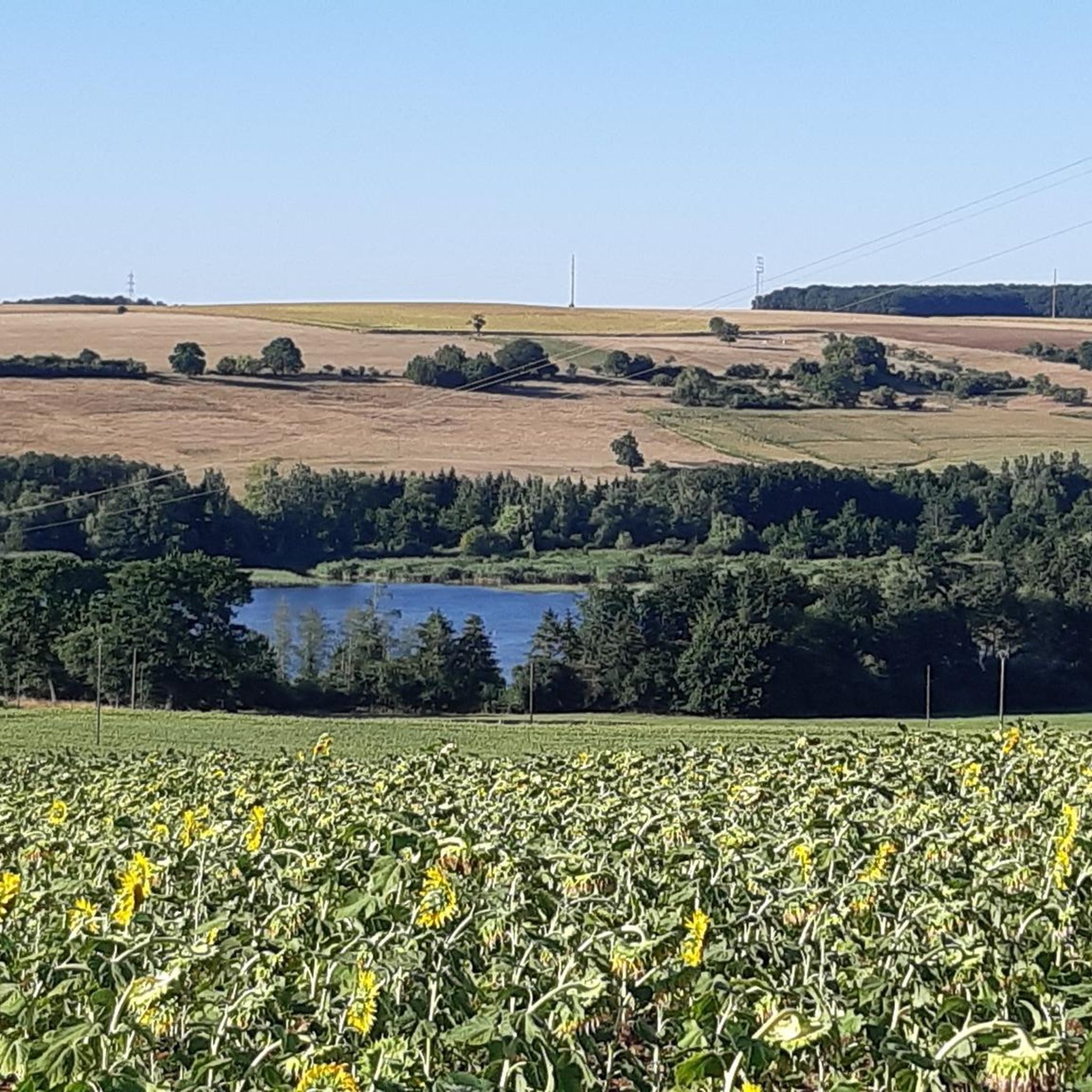
하이킹은 완만한 구릉 지형, 넓은 연못과 농경지가 특징인 위스 주변에서 이루어집니다. 이 지역의 지형은 탁 트인 들판, 삼림 지대, 물가 산책로가 혼합되어 있어 하이커들에게 다양한 풍경을 제공합니다. 위스는 로렌 자연공원(Parc naturel régional de Lorraine)의 일부로, 위스 연못(Étang de Wuisse)과 라 플로트 강(Ruisseau de la Flotte)과 같은 여러 개울을 포함한 자연 유산을 보존하는 데 도움이 됩니다. 고도 변화는 일반적으로 크지 않아 다양한 체력 수준의 하이커들이 접근할 수 있는 많은 경로가 있습니다.
위스 주변 최고의 하이킹 트레일
- 가장 인기 있는 하이킹 경로는…
마지막 업데이트: 9월 11, 2026
4.7
(3)
16
등산객
20.1km
05:13
120m
120m
어려운 하이킹. 우수한 체력 필요. 실력과 관계없이 누구나 쉽게 갈 수 있는 길.
4.7
(3)
7
등산객
19.5km
05:22
320m
320m
어려운 하이킹. 우수한 체력 필요. 실력과 관계없이 누구나 쉽게 갈 수 있는 길.

6
등산객
8.14km
02:07
50m
50m
보통 하이킹. 좋은 체력 필요. 실력과 관계없이 누구나 쉽게 갈 수 있는 길.
4.0
(1)
9
등산객
3.91km
01:00
20m
20m
초급용 하이킹. 모든 체력 수준에 적합. 실력과 관계없이 누구나 쉽게 갈 수 있는 길.
5.0
(1)
5
등산객
22.5km
06:06
310m
310m
어려운 하이킹. 우수한 체력 필요. 실력과 관계없이 누구나 쉽게 갈 수 있는 길.
더 다양한 경로와 다른 탐험가들의 추천을 살펴보세요.
이미 komoot 계정이 있나요?
투어 추천은 다른 사람들이 komoot에서 완료한 수천 개의 활동을 바탕으로 구성되어 있습니다.
오늘 무료 계정으로 시작하세요
다음 모험이 기다리고 있어요.
위세 주변 인기 장소
커뮤니티 팁

The Collegiate Church of Saint-Léger de Marsal is a former collegiate church located in the French commune of Marsal, in the Moselle department. Originally built in the Romanesque style, it has undergone several significant modifications up to the present day. Dedicated to Saint Léger, the foundation stones of the current church were laid in the 12th century. The building was then in the Germanic tradition with a deep chevet and two oriented chapels, as well as an impressive Westwork, a western massif. The parish church was elevated to the title of collegiate church in 1222 by Abbess Clémence de Neumunster. She then installed a chapter of seven canons there. The collegiate church of Marsal has been united with that of Vic-sur-Seille since the 18th century.
0
0

Museum for the city's great son from the 17th century
0
0

On the edge of Vic-sur-Seille lies the former episcopal castle, an impressive remnant of the power of the bishops of Metz. Built from the end of the 12th century by Bishop Bertram, it served as both the residence and the administrative centre of the secular authority of the diocese. The castle was expanded in the 13th century into a pentagonal complex, fortified with semicircular towers and a deep moat. Under Bishop Thierry Bayer de Boppard (1365–1384), important restorations were carried out, including the construction of a south-west wing with access to the gardens and the “Grand Parc”. Of the original complex, only part of the residential building on the west side remains today, recognisable by the windows with niches. The most striking structure is the châtelet, the fortified entrance gate from the 15th century, with its white limestone machicolations and traces of a drawbridge. After its restoration in 2008, the castle is once again visible as a silent witness to the medieval power and strategic location of Vic-sur-Seille, especially in the context of salt mining and the rivalry with the Dukes of Lorraine.
9
0
Hôtel de la Monnaie (Vic-sur-Seille) This remarkable civil building, dating from 1456–1484, is often mistaken for a mint. In reality, it was probably the home of a wealthy money-changer, possibly the d’Hoffelize family. The building is a magnificent example of flamboyant Gothic architecture, with early Renaissance influences. The richly decorated facades and roofs have been protected as historical monuments since 1930.
8
0
Hôtel de la Monnaie (Vic-sur-Seille) This remarkable civil building, dating from 1456–1484, is often mistaken for a mint. In reality, it was probably the home of a wealthy money-changer, possibly the d’Hoffelize family. The building is a magnificent example of flamboyant Gothic architecture, with early Renaissance influences. Its richly decorated facades and roofs have been protected as historical monuments since 1930. It now houses the information office.
1
0

Very well preserved medieval house. It now houses the tourist information office.
1
0

Vic-sur-Seille, which benefits from the label "Small cities of character", is an essential place of passage for itinerants who cross the region. If its old stones undeniably recall the history of the village, its leisure center invites you to rest and relax. The village has all the amenities, from accommodation to restaurants. Take the time to visit the museum which takes its name from Georges de La Tour, born in 1593 in Vic-sur-Seille. The exhibitions offer many indications on the region and its evolution.
3
0
Marsal is a small hamlet with a very salty history: from the Bronze Age until the middle of the 17th century, the village knew how to use its salt water sources to prosper in the salt trade. Today, nothing remains of the saltworks and Marsal today looks like a peaceful village. If you wish, you can organize a guided tour with the Pays du Saulnois Tourist Office on 03 87 01 16 26.
1
0
위세 주변에서 가장 인기 있는 경로
위세 주변에서 가장 인기 있는 명소


더 살펴보기
다른 지역의 최고의 하이킹를 살펴보세요.
