20의 에스캠프가지 명소 & 주요 장소
에스캠프에는 둘러볼 만한 장소가 많답니다. 하이킹 또는 사이클링을 좋아한다면 에스캠프에 숨겨진 20
가지 보석을 만날 수 있을 거예요. 이 지역의 주요 명소를 살펴보면서 다음 모험을 계획해보세요.
마지막 업데이트: 8월 30, 2026
쉬루그 광장과 카데 루셀 분수
하이라이트 • 기념물
There is a fountain in the square that is reminiscent of the famous French folk …
번역자 Google •
팁에 의해

오세르 생테티엔 대성당
하이라이트 • 종교적 장소
You can visit the cathedral for free, which you should definitely do. The sight of these incredibly …
번역자 Google •
팁에 의해
이런 장소를 발견하려면 지금 가입하세요
최고의 싱글 트랙, 봉우리 및 다양한 흥미로운 야외 장소에 대한 추천을 받아보세요.
무료 회원 가입


오세르 생피에르 교회
하이라이트 • 종교적 장소
The church is open during the day. One should …
번역자 Google •
팁에 의해
무료로 가입하여 에스캠프 주변의 더 많은 명소를 발견하세요.
무료 회원 가입
이미 komoot 계정이 있나요?
오늘 무료 계정으로 시작하세요
다음 모험이 기다리고 있어요.
로그인 또는 가입하기


커뮤니티 팁

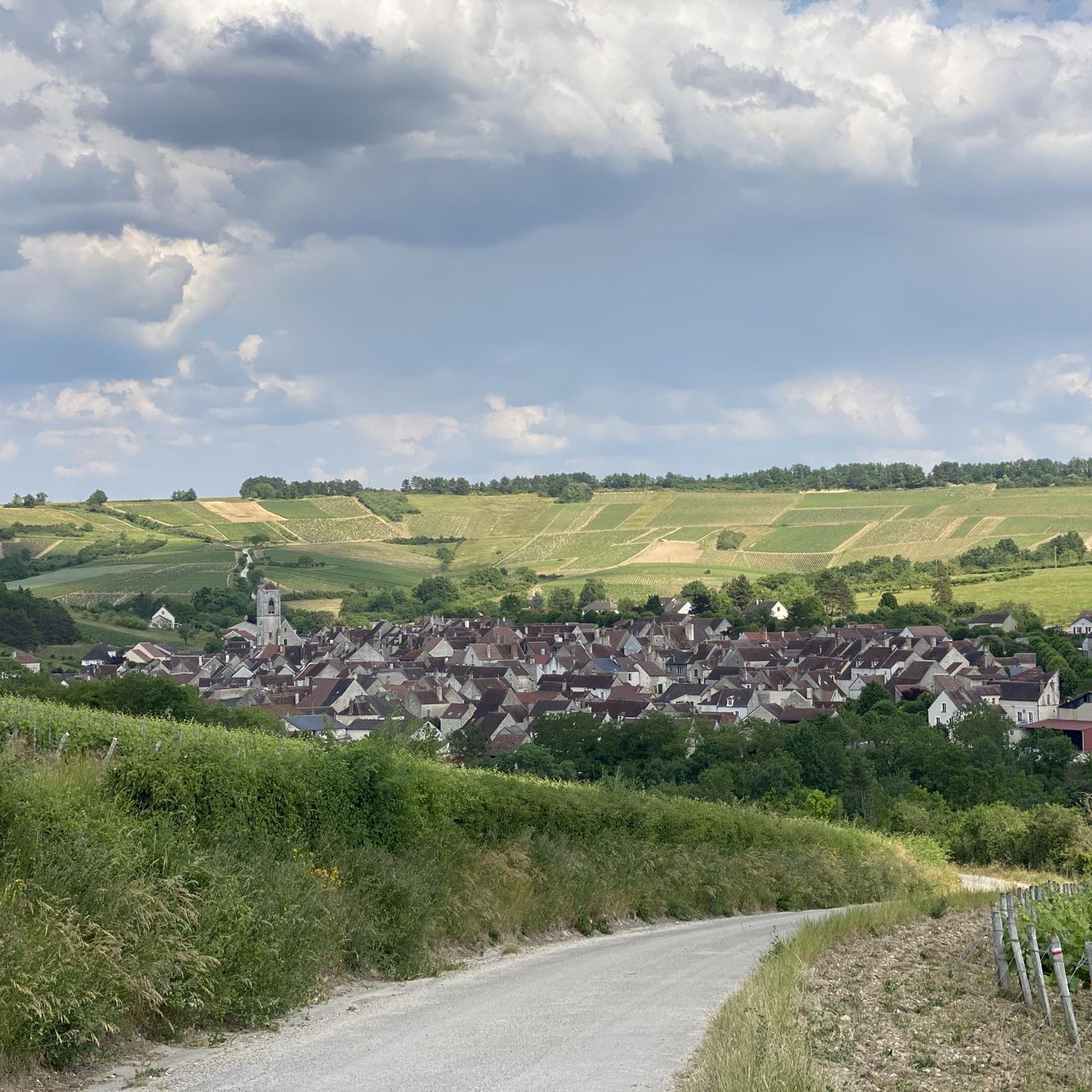
Escolives-Sainte-Camille에는 Chateau de Belombre이 있습니다. Yonne에 있는 이 성의 기원은 16세기 초로 거슬러 올라갑니다. 현재의 성은 17세기에 이전 영주의 저택을 개조하여 완성되었습니다.
0
0

The site is open from 10 a.m. and can be visited free of charge. There are deckchairs in the cloister for a shady and quiet break. The museums are worth a visit. You learn a lot about the history of the city, which dates back to at least the 5th century. You can see from the church that it has been rebuilt several times. The archaeological crypt, which is located under the forecourt of today's church, is very impressive. You should plan enough time for a visit. It took me almost two hours to get an initial overview. "The former abbey of Saint-Germain d'Auxerre is located north of the city center of Auxerre. Bishop Germanus of Auxerre founded it and provided his family's land outside the former city walls as well as land to ensure its existence. The first building of the monastery was a simple chapel. At the beginning of the 6th century, the Merovingian Queen Chrodechild, the wife of King Clovis I, had the chapel expanded into a basilica. Fires in the 11th and 12th centuries required extensive renovation work on the nave in the second half of the 12th century; Of the Romanesque double tower facade that was built, only the southern tower has been preserved. The monastery was partially destroyed by Huguenots in 1567, secularized in 1810 and partially demolished the following year. The nave was reduced to its Gothic parts, which were given a neo-Gothic façade in 1817: As a result of this measure, the remaining south tower now has no connection to the basilica. Today the Musée-Abbaye Saint-Germain is located on the site of the abbey. Musée d'Art et d'Histoire d'Auxerre." More about the history here: https://de.wikipedia.org/wiki/Saint-Germain_d%E2%80%99Auxerre
0
0

The stronghold of Belombre was the seat of part of the lordship of Escolives held, in 1507, by the lieutenant general of Auxerre, Blanchet David. Marie David brought it to Jacques de Meung dit de La Ferté, who died on June 4, 1589, massacred by the Leaguers of Auxerre. Madeleine de La Ferté Meung, her granddaughter, transmitted Bellombre to the La Bussière family and Catherine de La Bussière brought it to the Girard d'Azy family. The children of Paul de Girard sold it, around 1656, to François de Chastellux, who ceded this first half of Escolives in 1670, to Robert Chaponnel, Receiver General of Finances. He died on October 28, 1678 without issue, while he was undertaking the reconstruction of the castle. Anne Robineau, receiver general of Finances in Provence, who carried out the project developed by Chaponnel and built a new castle on the land surrounded by a moat on the site of the medieval manor. In 1709, Louis Gayot, buyer, united the two shares of the land of Escolives before selling the Château de Bélombre in November 1726, to Joseph Le Muet, King's attorney in the bailiwick of Auxerre. Rosalie Le Muet married in 1804, Jean Jacques Claude Baudenet d'Annoux. Their son, Louis-Hugues, who feared the dangerous invasions of the waters of the Yonne, decided to demolish the castle which he rebuilt on vast basements around 1870. The estate is located on the left bank of the canal. It is a large single-story building. Corner chains and harped stone legs support the entablature and an attic floor in the overhang of the broken roof. The moat and the stone bridge decorated with elegant 18th century ironwork have been preserved. (1) MH protected elements: facades and roofs; water pit ; the pillars of the entrance gate; the vestibule and the interior staircase with its wrought iron banister: registration by decree of December 6, 1977. The facades and roofs of the outbuildings; the terrace located to the southwest of the castle and the sleeping bridge; the bridge thrown over the moat, in front of the northeast facade of the castle; the gardens surrounding the castle; the perspective alley and the double water alley: registration by decree of June 7, 1993 The Chateau de Belombre 89290 Escolives-Sainte-Camille, private property, cannot be visited.
0
0
The site is open from 10 a.m. and can be visited free of charge. Deckchairs are available in the cloister for a shady and quiet break. The museums are worth a visit. You learn a lot about the history of the city, which dates back to at least the 5th century. The church shows that it has been rebuilt several times. The archaeological crypt located under the forecourt of today's church is very impressive. You should plan enough time for a visit. It took me almost two hours to get a first overview. "The former Abbey of Saint-Germain d'Auxerre is located north of the city center of Auxerre. Bishop Germanus of Auxerre founded it and provided his family with land outside the then city walls and lands to ensure its existence. The first building of the monastery was a simple chapel. At the beginning of the 6th century, the Merovingian Queen Chrodechild, the wife of King Clovis I, had the chapel converted into a basilica. Fires in the 11th and 12th centuries necessitated extensive renovations to the nave in the second half of the 12th century; Only the southern tower of the Romanesque double-tower facade that was erected at the time has survived. The monastery was partially destroyed by Huguenots in 1567, secularized in 1810 and partially demolished the following year. The nave was reduced to its Gothic parts, which were given a neo-Gothic facade in 1817: the preserved south tower is now not connected to the basilica as a result of this measure. The Musée-Abbaye Saint-Germain is now on the site of the abbey. Musée d'Art et d'Histoire d'Auxerre." More about the story here: https://de.wikipedia.org/wiki/Saint-Germain_d%E2%80%99Auxerre
1
0
The cathedral is open for tours during the day and this is not to be missed! It is a major work of French Gothic architecture and impresses with its high, light-flooded vaults and colorful windows. "The cathedral is located in the center of the old town on a hill above the Yonne. Saint-Étienne was begun in 1215. Today's Gothic cathedral is the fifth building on this site. In 1567 the Huguenots sacked the city and the cathedral, which necessitated repairs, particularly to the choir glazing. The French Revolution caused countless damage to the building and its furnishings. The goldsmith's work was melted down, the church was transformed into a temple of reason, and the important statue of the suffering Stephen on the high altar only escaped destruction because it was turned into a suffering Marat in the bath. In 1840 Prosper Mérimée placed the cathedral under monument protection. Extensive restoration work took place throughout the 19th century." Much more about the history here: https://de.wikipedia.org/wiki/Kathedrale_von_Auxerre
2
0
View of the 18th century castle from the cycle path.
2
1
Rue du Temple also begins here heading south. The Templars had a headquarters on this street. There are a lot of small shops there and of course many beautiful houses. What you can't see at first glance is the entrance to a relatively large supermarket. The Monoprix food department is hidden behind the clothing department, which can be seen from the square.
2
0
The church is located in the heart of ancient Auxerre, outside the 3rd century city wall but included in the 11th century wall. The portal of the old religious community, the main access to the church, is at the bottom of rue Joubert near rue du Pont. The location has been occupied by a place of worship dedicated to Saint Peter since at least the 6th century. Concerning the older occupation of the place, archaeological excavations carried out in 2007 on the north-west side of the current church demonstrated a continuity of the habitat, taken up and modified several times, until the end of the Merovingian period. . The current nave was inaugurated in 1894, after destruction in 1891 of the previous nave from the 12th and 13th centuries. https://fr.wikipedia.org/wiki/%C3%89glise_Saint-Pierre_d%27Auxerre
2
0


더 살펴보기
찾고 있는 하이라이트를 아직 못 찾으셨나요? 다른 지역의 주요 명소 가이드를 확인해보세요:
