셀티아르나르네스 최고의 러닝 경로
4.6
(111)
8,095
달리기 하는 사람
213
러닝
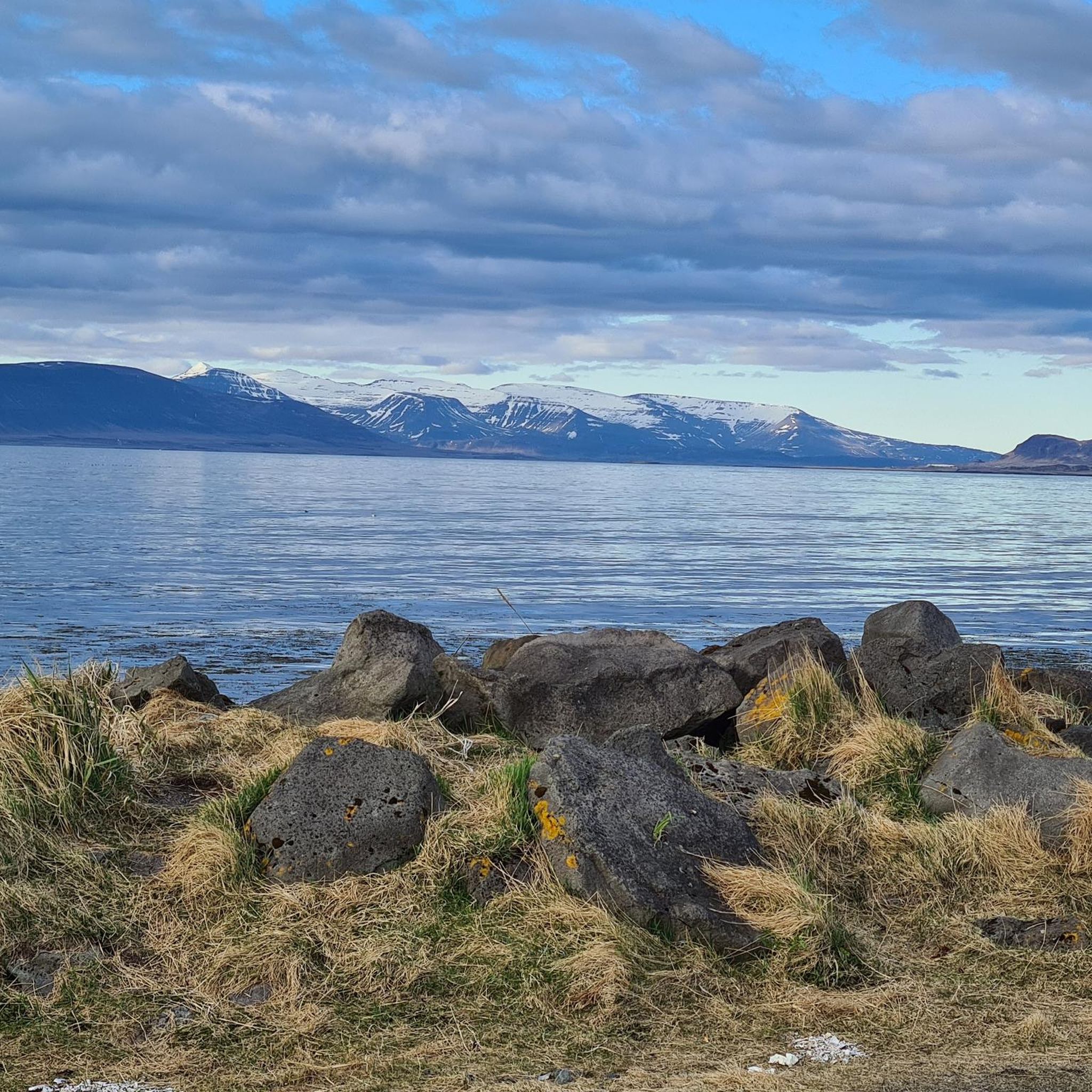
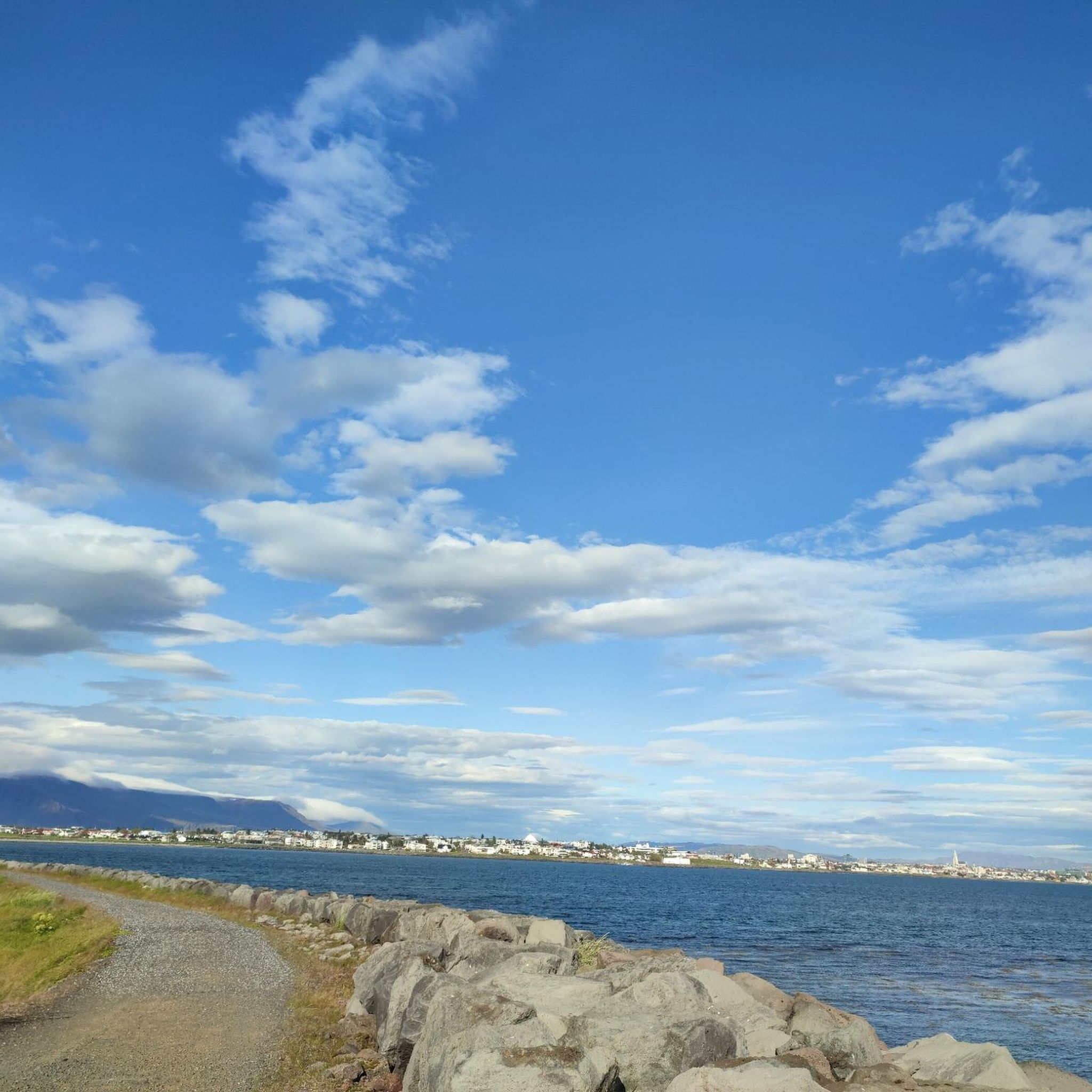
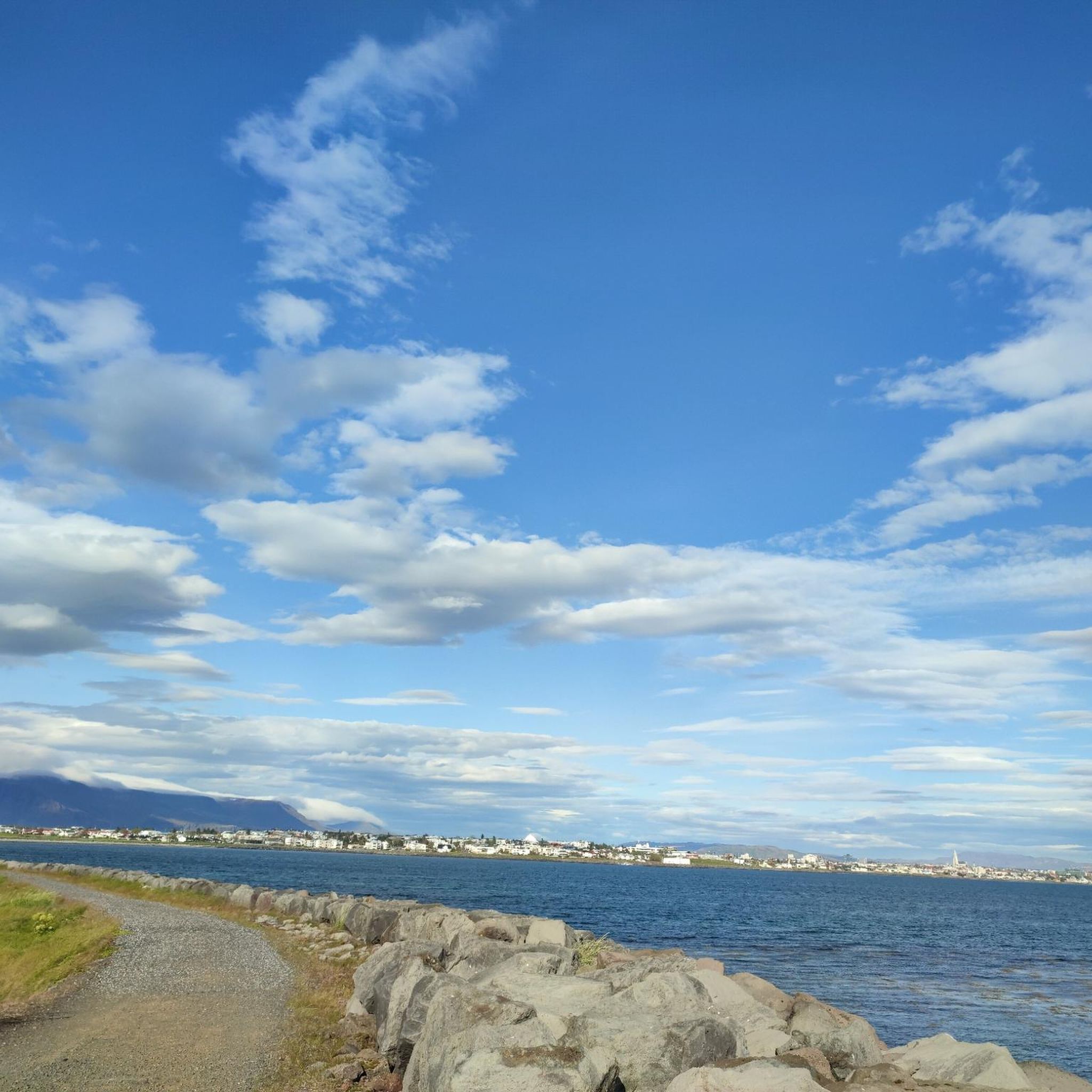
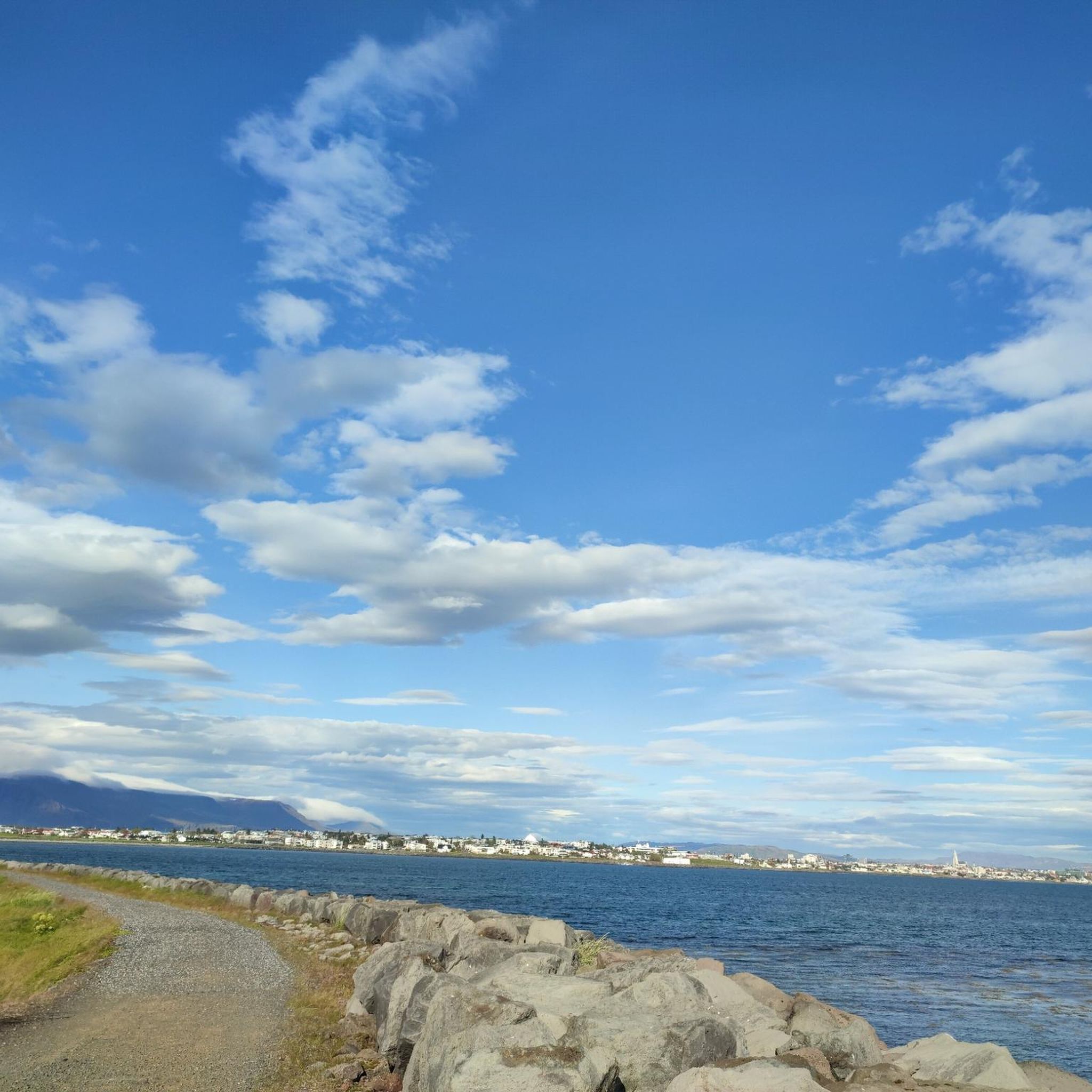
셀차르나르네스에서의 조깅은 레이캬비크 중심부 서쪽에 위치한 반도에서 해안 경험을 제공합니다. 이 지역은 잘 관리된 해안 산책로, 탁 트인 바다 전망, 다양한 자연 경관이 특징입니다. 이 경로들은 대서양과 에스야 산의 먼 풍경을 포함한 고요한 탈출구를 제공합니다. 이 지역에는 썰물 때 접근 가능한 그로타 자연 보호 구역과 상징적인 등대도 있습니다.
셀차르나르네스 최고의 조깅 코스
- 가장 인기 있는 조깅 코스는 그로타 등대 – 레이캬비크에서 에스야를 조망하는 루프로, 12.2km(7.6마일) 길이이며 완료하는 데 1시간 15분이 걸립니다. 이 적당한 난이도의 코스는 상징적인 그로타 등대와 에스야…
마지막 업데이트: 10월 18, 2026
4.8
(13)
332
달리기 하는 사람
12.0km
01:14
30m
30m
보통 조깅. 좋은 체력 필요. 대부분 포장된 노면.
4.5
(2)
292
달리기 하는 사람
7.69km
00:48
30m
30m
보통 조깅. 좋은 체력 필요. 대부분 포장된 노면.

5.0
(4)
164
달리기 하는 사람
8.02km
00:50
20m
20m
보통 조깅. 좋은 체력 필요. 대부분 포장된 노면.
3.6
(5)
174
달리기 하는 사람
12.3km
01:16
50m
50m
보통 조깅. 좋은 체력 필요. 대부분 포장된 노면.
5.0
(5)
80
달리기 하는 사람
9.78km
01:01
30m
30m
보통 조깅. 좋은 체력 필요. 대부분 포장된 노면.
5.0
(1)
53
달리기 하는 사람
16.5km
01:43
50m
50m
어려운 조깅. 우수한 체력 필요. 대부분 포장된 노면.
5.0
(1)
43
달리기 하는 사람
9.10km
00:56
20m
20m
보통 조깅. 좋은 체력 필요. 대부분 포장된 노면.
30
달리기 하는 사람
5.52km
00:34
20m
20m
보통 조깅. 좋은 체력 필요. 대부분 포장된 노면.
34
달리기 하는 사람
4.02km
00:25
10m
10m
초급용 러닝. 대부분 포장된 노면.
25
달리기 하는 사람
9.94km
01:03
70m
70m
보통 조깅. 좋은 체력 필요. 대부분 포장된 노면.
더 다양한 경로와 다른 탐험가들의 추천을 살펴보세요.
이미 komoot 계정이 있나요?
투어 추천은 다른 사람들이 komoot에서 완료한 수천 개의 활동을 바탕으로 구성되어 있습니다.
오늘 무료 계정으로 시작하세요
다음 모험이 기다리고 있어요.
커뮤니티 팁

MTB를 타고 그곳에 들러 잠시 쉬어가는 것도 충분히 가치가 있습니다. 수영복과 수건을 챙기세요 :)
0
0


Due to the inflow of warm water from geothermal springs, the bathing temperature in the bay is comparatively pleasant.
1
0

Hallgrímskirkja is one of Reykjavík's most iconic landmarks, but there's plenty more to explore. Be sure to check out the Sun Voyager sculpture along the waterfront or the striking Harpa Concert Hall.
1
0
The National Museum of Iceland in Reykjavík In September 2004, after several years of renovations, the National Museum of Iceland in Reykjavík reopened. Under the heading "Making of a Nation," the permanent exhibition offers visitors a glimpse into Icelandic history. The museum is thematically divided into 200-year periods, with exhibits in each section grouped around a key object. The first section covers the period from 800 to 1000 AD. The most important topics in this section are the conquest and Christianization of Iceland. The establishment of the Christian faith and life during the Golden Age from 1000 to 1200 are the central themes of the second section. The next section, covering the period from 1200 to 1400, explores Norwegian rule in Iceland, as well as the medieval church and church art. Between 1400 and 1600, Danish rule and the Reformation played a central role. The impact of monopoly trade and natural disasters can be learned in the next section, which covers the period from 1600 to 1800. Each of the last two centuries is dedicated to a separate section. In the years from 1800 to 1900, economic development and increasing independence from Denmark are important themes, while the "20th Century" section depicts urbanization and the development of the Icelandic state into its present form. In addition to the permanent exhibition, the National Museum also houses spaces for temporary exhibitions, a café, and a museum shop. Photography and video recording are prohibited throughout the museum.
1
0
Iceland is a Nordic island nation whose spectacular landscape is characterized by volcanoes, geysers, thermal springs, and lava fields. The Vatnajökull and Snæfellsjökull National Parks are protected areas for the massive glaciers. A large portion of the population lives in the capital, Reykjavik, which is largely powered by geothermal energy and is home to, among other things, the National Museum and the Saga Museum, which focuses on Iceland's Viking history.
1
0
The Island of Grótta and Grótta Lighthouse Grótta, Seltjarnarnes 170, 595 9100 Website: https://www.seltjarnarnes.is/is/mannlif-nattura/nattura-og-dyralif/grotta Email: postur@seltjarnarnes.is Grótta, located in Seltjarnarnes City Area, is a captivating natural and historical site that offers visitors a unique blend of scenic beauty and rich heritage. On a small peninsula at the westernmost tip of the Greater Reykjavík area, Grótta is renowned for its iconic lighthouse, stunning coastal views, and abundant wildlife. The Grótta Lighthouse, built in 1897 and later reconstructed in 1947, is a prominent landmark. Its stark white structure contrasts beautifully with the rugged landscape and the deep blue of the Atlantic Ocean. The lighthouse is still operational, guiding ships safely through Faxaflói Bay. Visitors can walk along the causeway to the lighthouse during low tide, providing a close-up view of this historic beacon and its surrounding tidal flats. One of the main attractions of Grótta is its breathtaking natural environment. The area is a designated nature reserve, offering a sanctuary for various bird species, especially during the migratory seasons. Bird watchers flock to Grótta to observe species such as Arctic terns, eiders, and numerous gulls. The combination of coastal meadows, rocky shores, and tidal pools creates a diverse ecosystem that supports this vibrant birdlife. Grótta is also a popular spot for both locals and tourists seeking tranquillity and natural beauty. The walking and cycling paths around the peninsula provide a scenic route for outdoor enthusiasts, with panoramic views of the ocean, Mount Esja, and even glimpses of Reykjavík's skyline. In the winter months, Grótta becomes a prime location for witnessing the mesmerizing northern lights, offering an unobstructed view of the celestial display. The area around Grótta is rich in folklore and history, adding a layer of cultural depth to its natural allure. Tales of sea monsters, shipwrecks, and maritime legends are part of the local lore, connecting visitors to the region's seafaring past.
0
0
About 500 meters from the Harpa Concert Hall, you'll see a striking work of art right on the waterfront: the Sun Voyager. Most people believe it's a Viking ship due to Iceland's history, but the sculpture is actually meant to represent a dream ship. Made of stainless steel, it's a celebration of the sun. The work of art represents hope, freedom, and progress. Sun Voyager can be found on the waterfront promenade near the city center and is a great place to photograph, especially at sunset when the water reflects off the sculpture. Between the Sun Voyager and the historic Höfði House, you can take a relaxing stroll and discover even more works of art.
0
0
셀티아르나르네스에서 가장 인기 있는 명소


더 살펴보기
다른 지역의 최고의 러닝 트레일 & 경로를 살펴보세요.
