4.5
(2761)
23,812
ライダー
841
ライド
インゴルシュタットでサイクリングを楽しめば、Altmühltalのこのエリアをより深く知ることができます。あなたにぴったりのインゴルシュタットでのバイクライドが見つかるように、komootがサイクリングルートのコレクション全体を評価して選び抜いたルートをご紹介します。以下のルートをクリックして標高データや舗装状態の分析などの細かな情報を把握し、さらにkomootコミュニティのメンバーがアップロードした役立つ情報や写真も閲覧しましょう。
最終更新日: 6月 14, 2026
4.8
(94)
394
ライダー
46.5km
02:53
300m
310m
中程度の自転車ライド. ある程度のフィットネスレベルが必要です。 全般的に舗装された状態です。あらゆるスキルレベルに適しています。
4.6
(36)
146
ライダー
77.0km
05:03
210m
210m
難しい自転車ライド. 標準以上のフィットネスレベルが必要です。 全般的に舗装された状態です。あらゆるスキルレベルに適しています。

無料新規登録
4.5
(182)
1,185
ライダー
32.5km
02:20
70m
70m
中程度の自転車ライド. ある程度のフィットネスレベルが必要です。 全般的に舗装された状態です。あらゆるスキルレベルに適しています。
4.6
(84)
512
ライダー
32.7km
02:18
70m
70m
中程度の自転車ライド. ある程度のフィットネスレベルが必要です。 全般的に舗装された状態です。あらゆるスキルレベルに適しています。
4.7
(287)
1,274
ライダー
48.3km
03:26
90m
90m
中程度の自転車ライド. ある程度のフィットネスレベルが必要です。 全般的に舗装された状態です。あらゆるスキルレベルに適しています。
4.8
(37)
164
ライダー
108km
07:02
560m
560m
難しい自転車ライド. 標準以上のフィットネスレベルが必要です。 全般的に舗装された状態です。あらゆるスキルレベルに適しています。
4.8
(47)
306
ライダー
19.9km
01:21
50m
50m
初級者向けバイクライド. あらゆるフィットネスレベルに適しています。 全般的に舗装された状態です。あらゆるスキルレベルに適しています。
4.6
(39)
233
ライダー
55.3km
03:17
370m
370m
中程度の自転車ライド. ある程度のフィットネスレベルが必要です。 全般的に舗装された状態です。あらゆるスキルレベルに適しています。
4.6
(37)
261
ライダー
19.5km
01:21
40m
40m
初級者向けバイクライド. あらゆるフィットネスレベルに適しています。 全般的に舗装された状態です。あらゆるスキルレベルに適しています。
4.6
(35)
154
ライダー
48.5km
03:13
100m
100m
中程度の自転車ライド. ある程度のフィットネスレベルが必要です。 全般的に舗装された状態です。あらゆるスキルレベルに適しています。
さらに多くのルートや他のユーザーのおすすめ情報を確認できます。
無料新規登録
すでにアカウントをお持ちですか?
おすすめのツアーは他のkomootユーザーが実際に経験した何千ものアクティビティに基づいています。
無料アカウントで今日から始めよう
次の冒険が待っています。
ログインまたは登録
インゴルシュタット周辺で人気
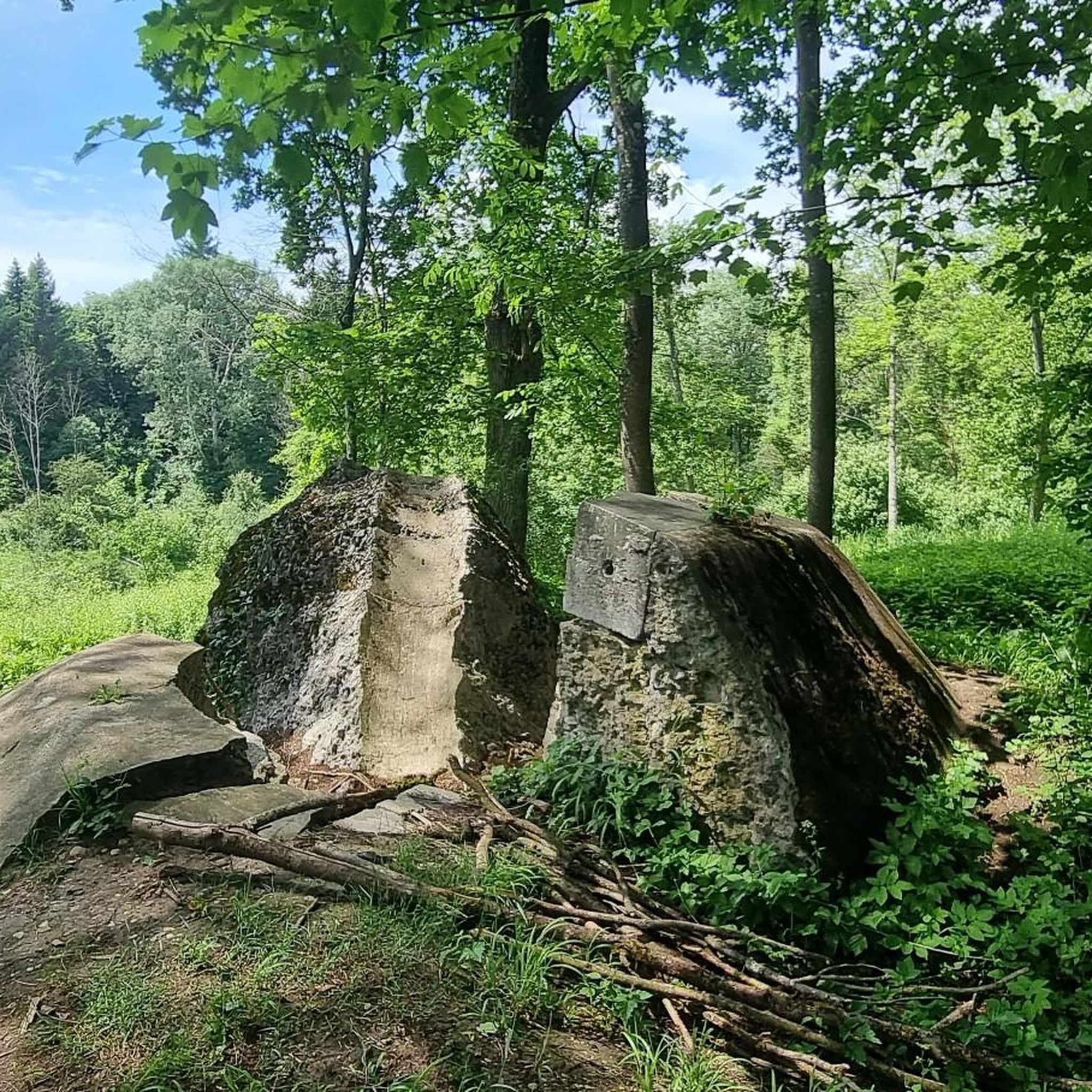
Stanglettenschüttでのサイクリング
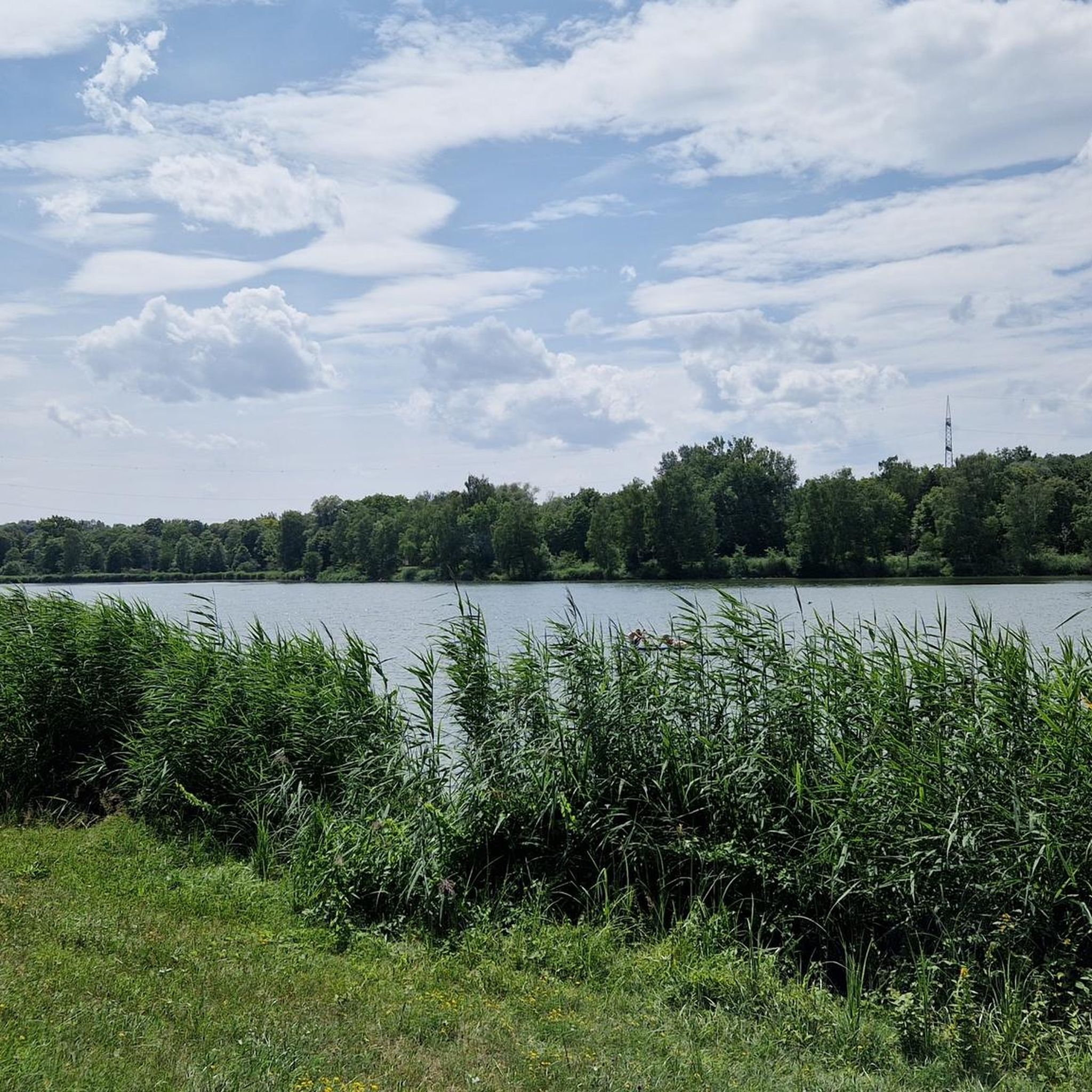
バガーシーでのサイクリング
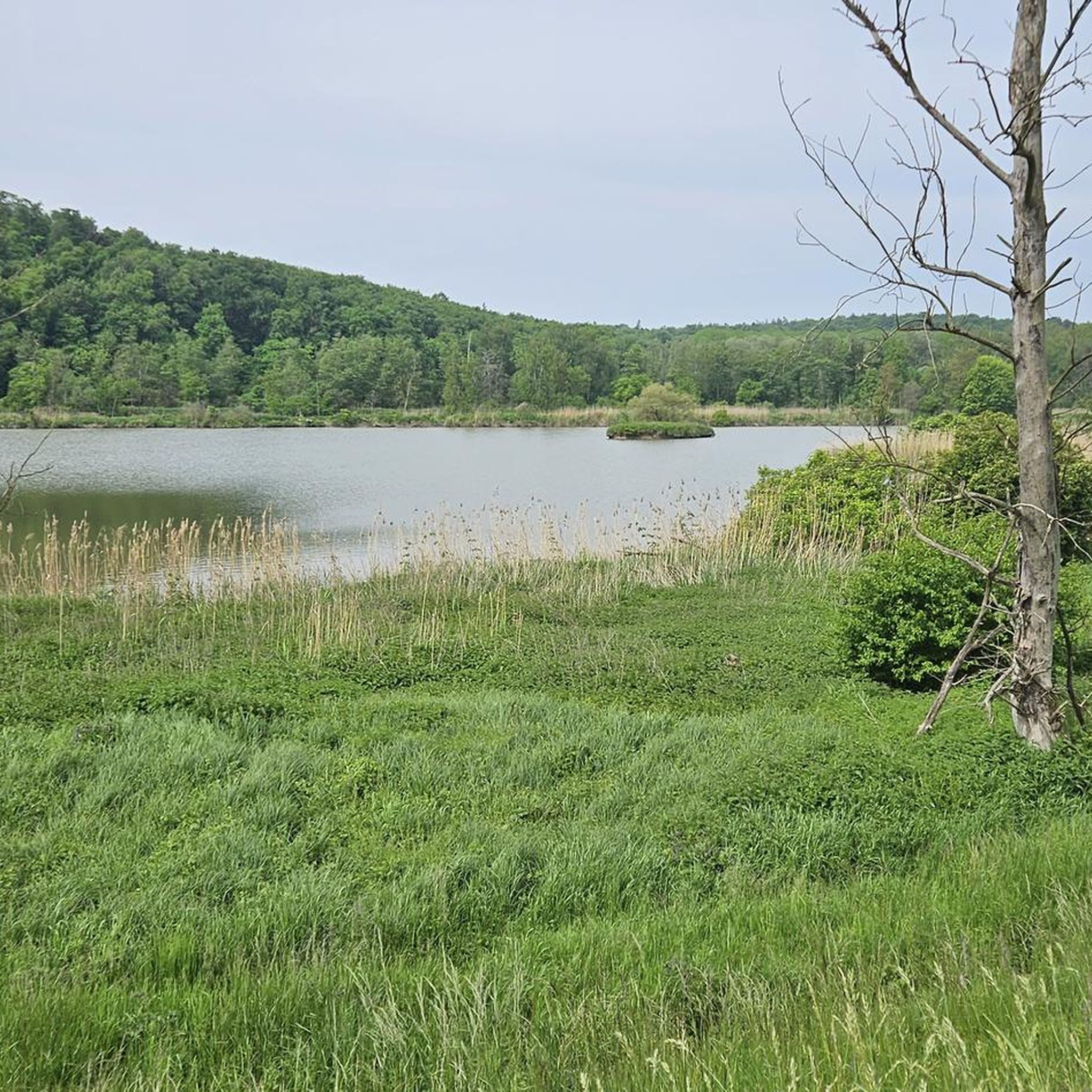
Auwaldseeでのサイクリング
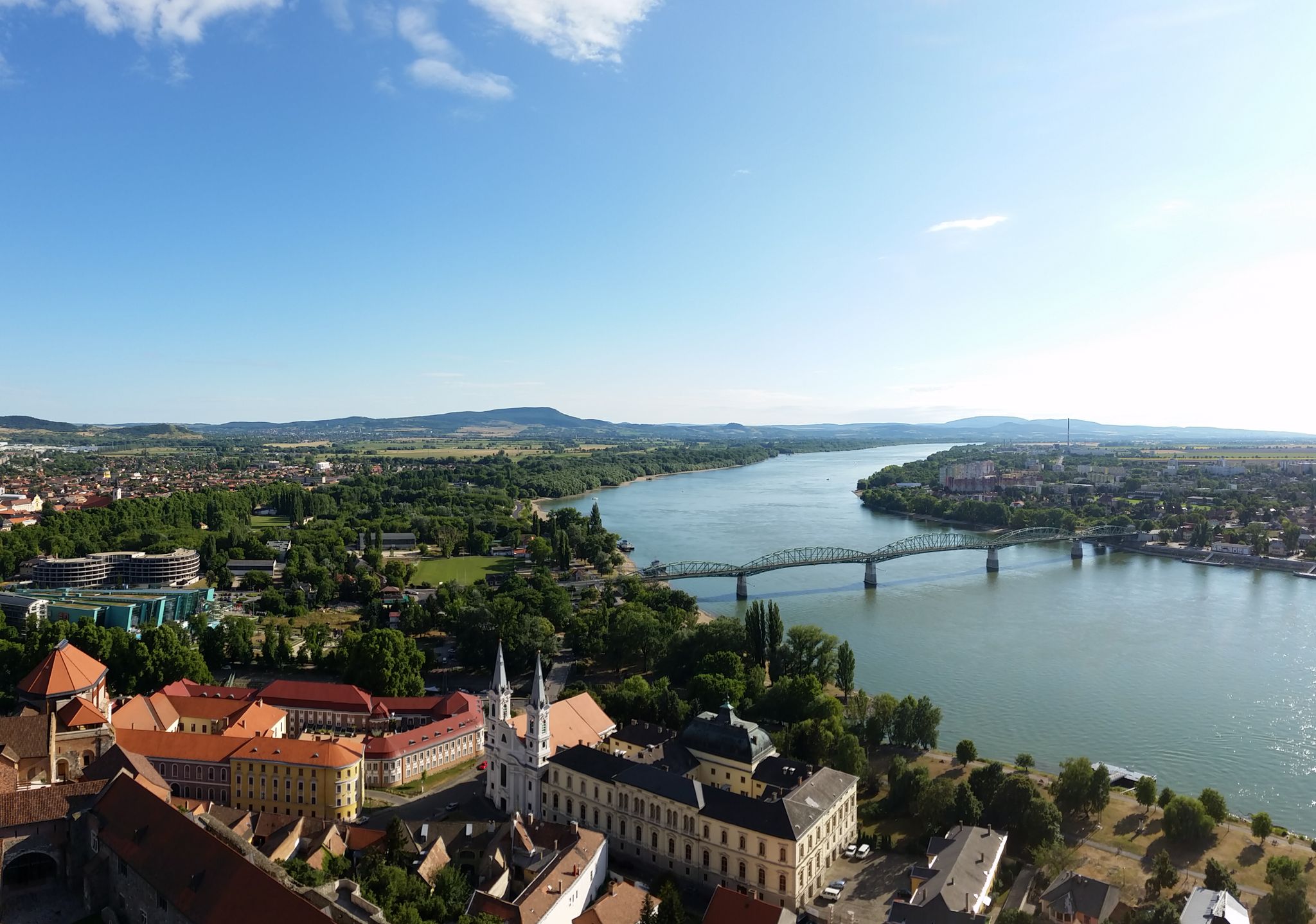
ドナウエッシンゲンからブダペストまでのドナウサイクルパス
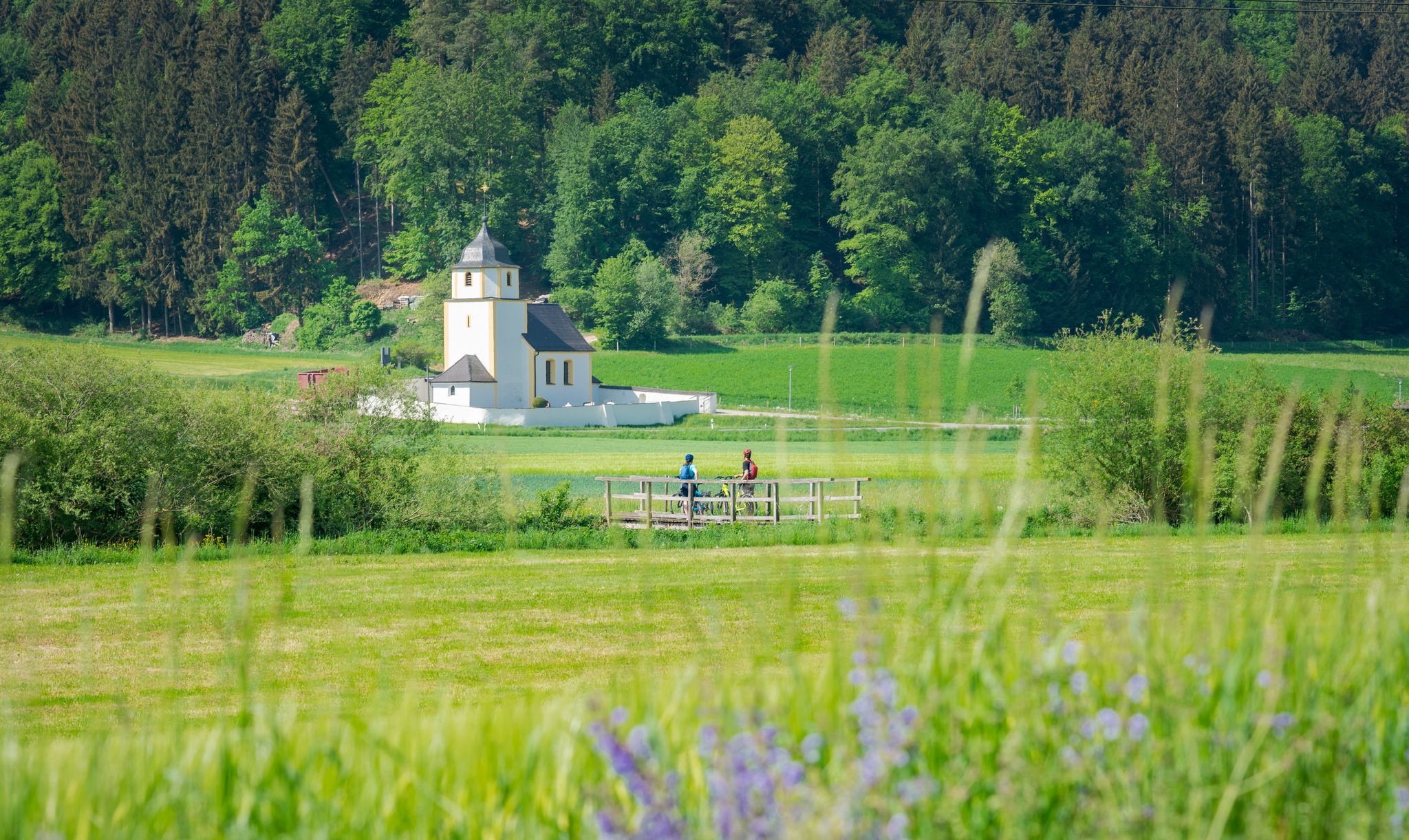
A cycling paradise in Bavaria – Altmühl Valley Nature Park
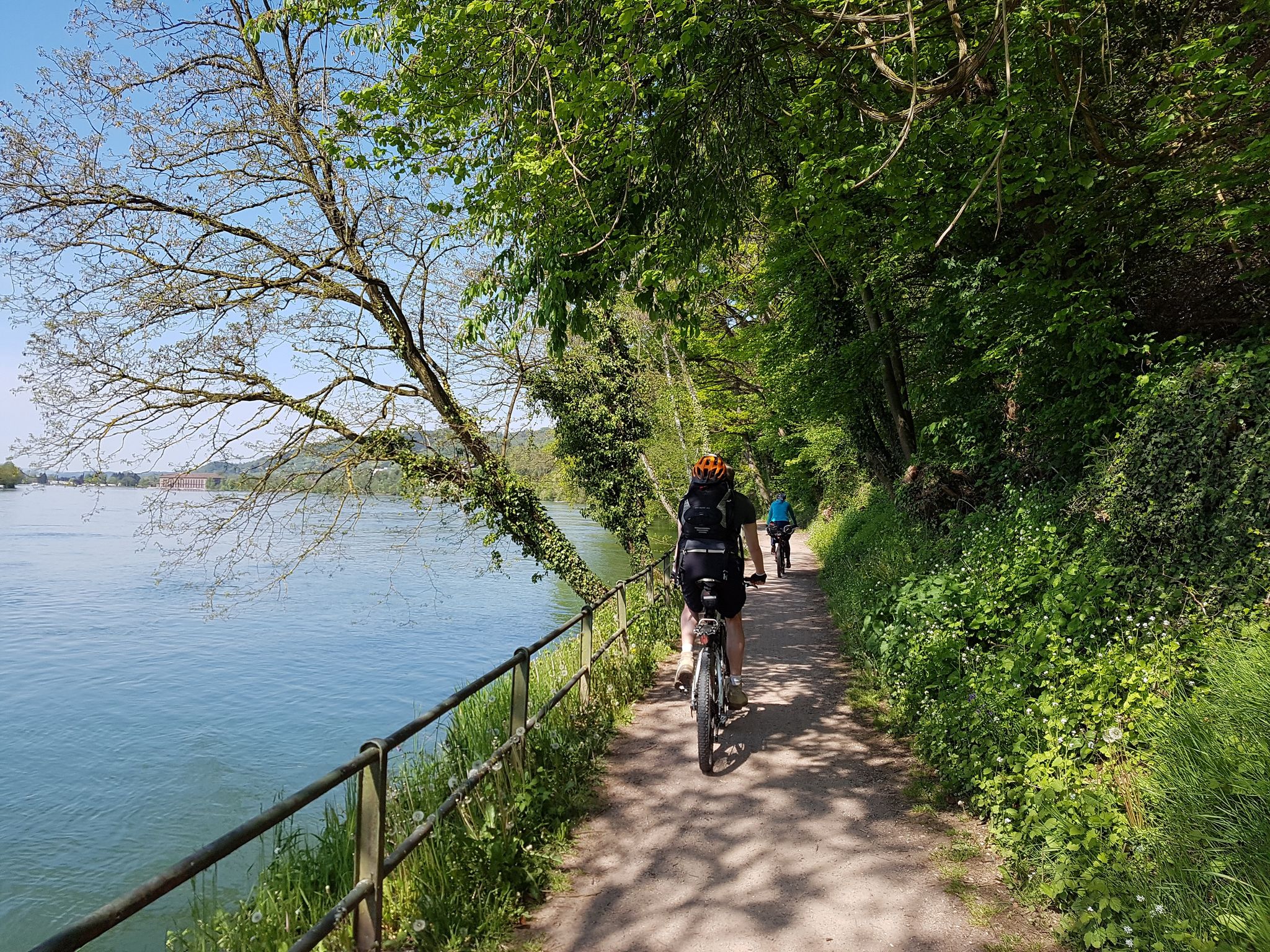
D-Route 6: ドナウルート
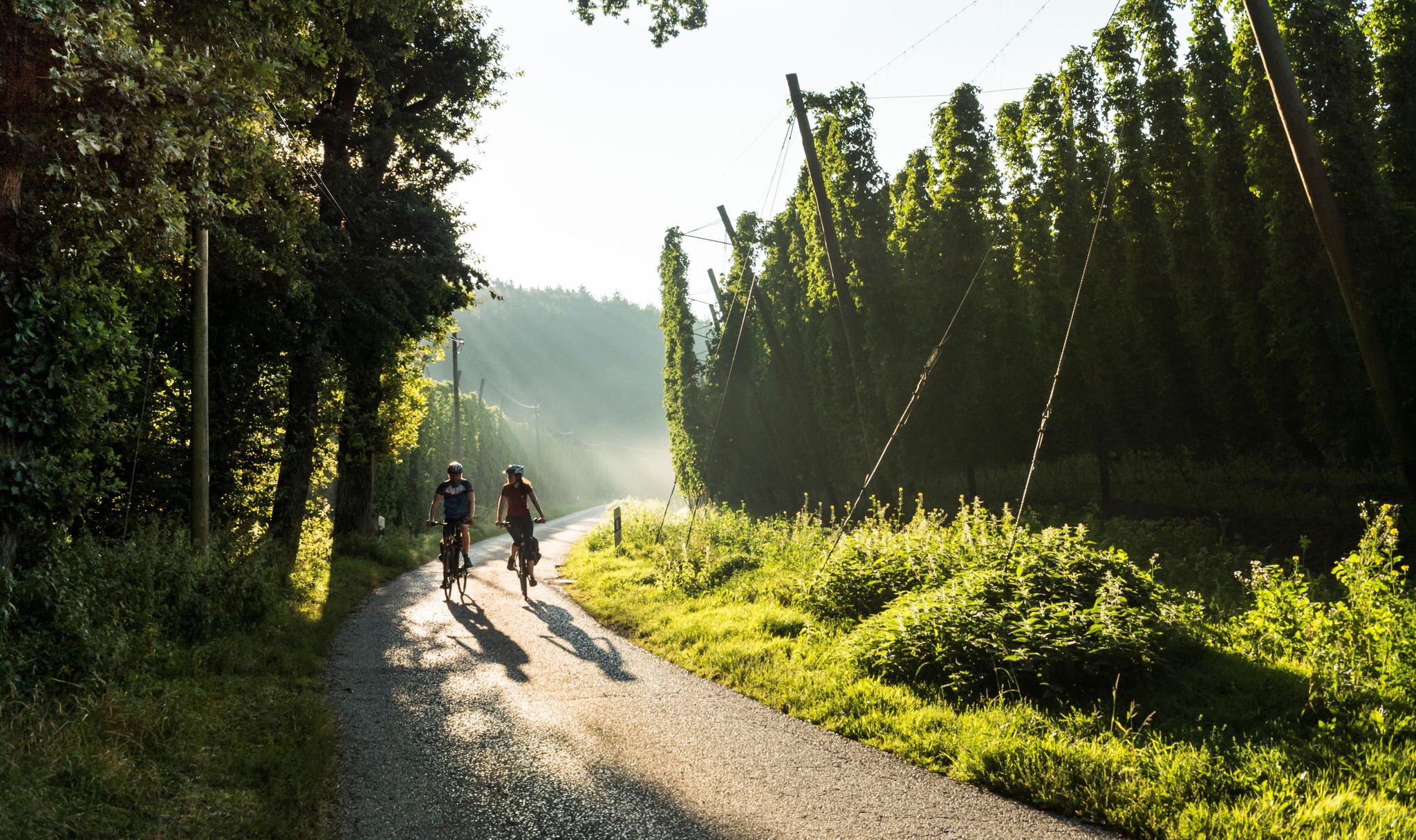
Beer and bikes – day Tours around Ingolstadt in Bavaria
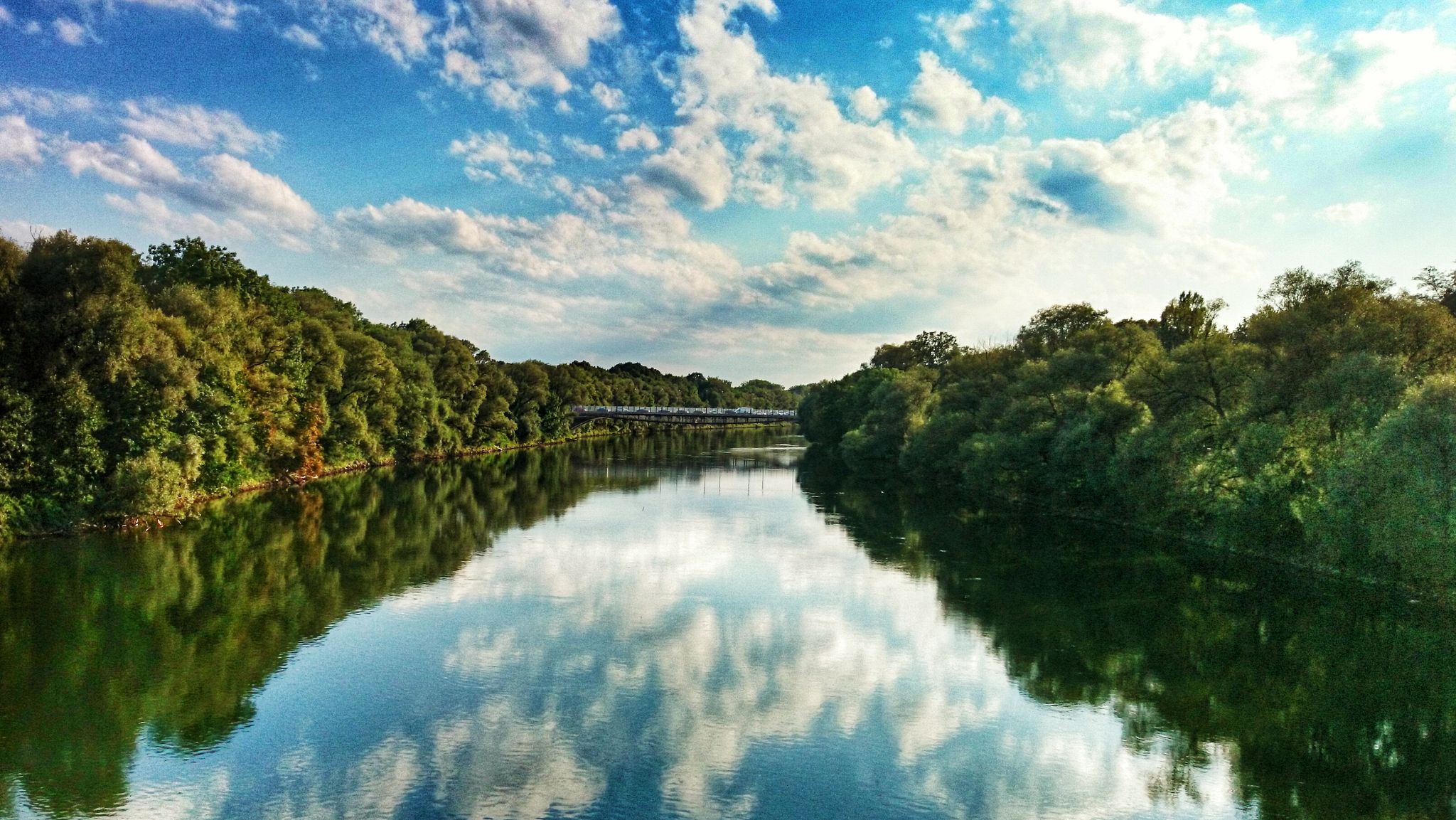
Rides around Ingolstadt – cycling in the heart of Bavaria
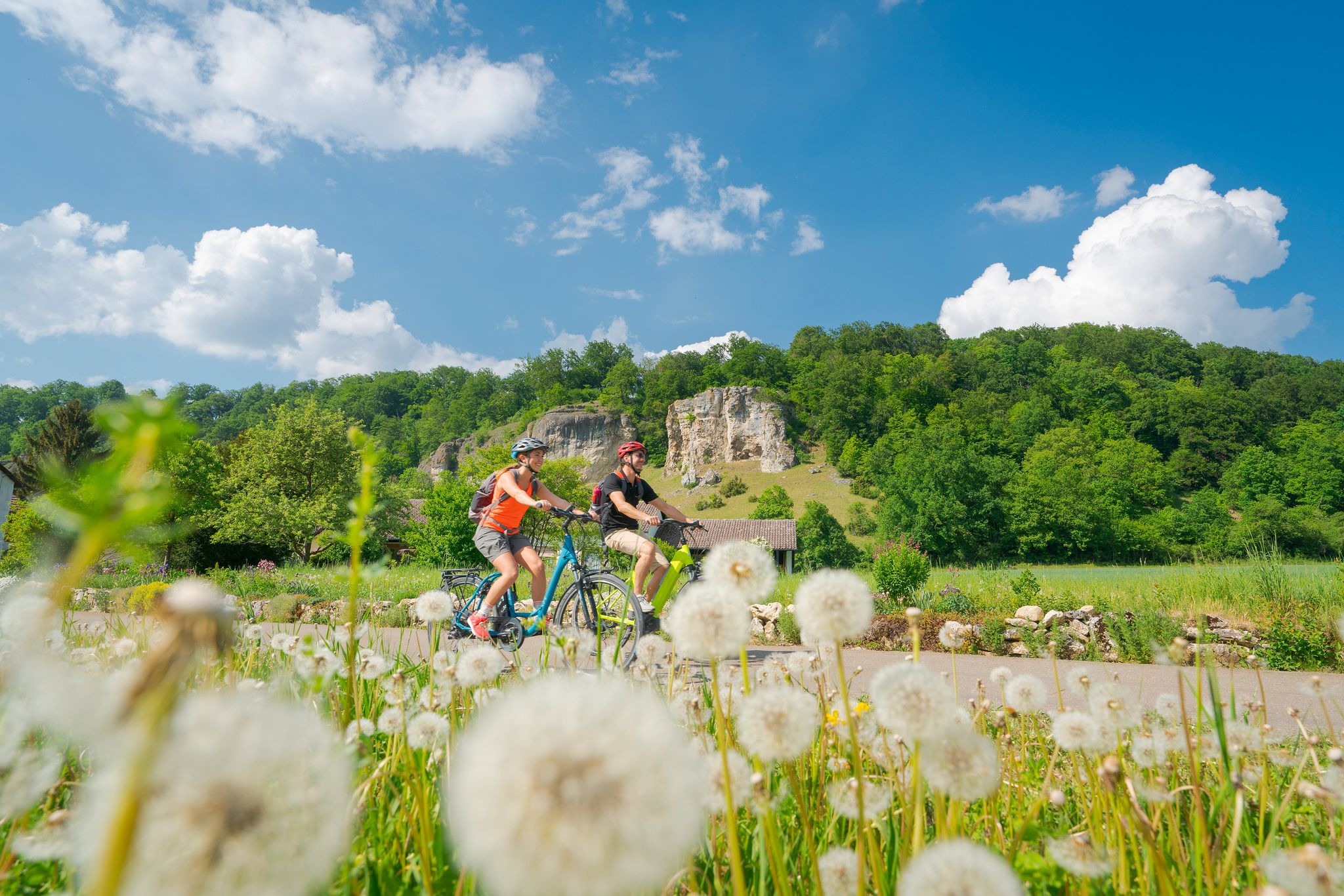
Discover the green heart of Bavaria – Altmühltal Nature Park by bike
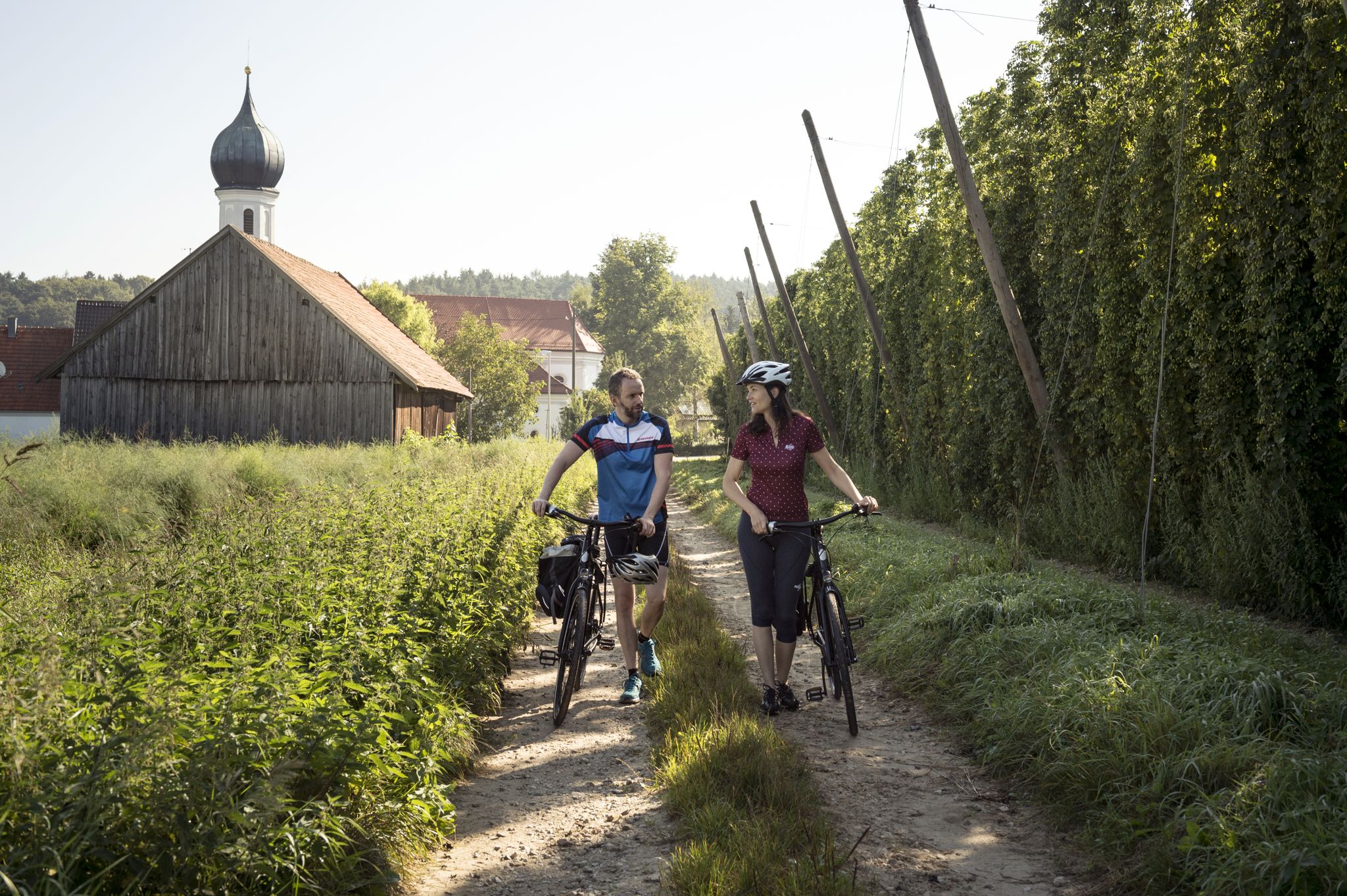
ホップ、ビアガーデン&ブルワリー-バイエルンオーバーをサイクリングするホップループ
Altmannstein Castle Ruins The Lords of Stein are mentioned in documents as early as the 12th century, but due to the frequency of this place name in this area, concrete conclusions are difficult to draw. The castle was built and named after Count Altmann II of Abensberg in 1232. His grandson Ulrich II sold the castle in 1291 to Duke Ludwig of Bavaria, the later emperor. From 1340 onwards, it was pawned, first to the Hautzendorf family, then again to the previous owners from Abensberg. In 1446, the Nurembergers conquered the castle during their campaign against the robber barons of the Regensburg region. The last Count of Abensberg, Niclas, was caught between the warring Wittelsbachs and was murdered in 1485 on the orders of the Bavarian Duke Christopher the Strong of Bavaria-Munich. During the Thirty Years' War, the castle was destroyed by the Swedes in 1632, and it has remained in ruins ever since. In 1911, the architect Georg Wirth acquired the ruins and had a historicist residential building built there – typical of the period. In 1991, the complex was extensively renovated by the municipality. Today, the complex is entered via a wooden bridge that leads to the outer bailey. Its entrance area is covered by buildings from 1911, intended to create a historic impression, but originating from the castle romanticism of the turn of the century. Behind it lies the most impressive part of the castle: the mighty keep, made of 18 m high, made of humped ashlars. Its walls are 3 m thick, and the entrance is 4.5 m high. It protected the access area to the inner bailey. Unfortunately, the tower is not accessible. Behind it is the palace, built of ashlars and rubble. The mix of building stones suggests a later construction using stones from an earlier building. A few remnants of defensive and moat walls also remain. The unusual location of a rectangular tower made of rubble stone outside the castle at the foot of the castle rock is unusual. It was probably part of a later wall connecting the town. Source: www.Burgenseite.de
2
0
Sandersdorf Castle The present castle dates back to a medieval castle built by the Lords of Sandersdorf as Wittelsbach ministerials. The family has been documented since the 12th century. In 1420, the castle was plundered by Duke Henry of Bavaria-Landshut while he was at war with Duke Ludwig the Bearded of Bavaria-Ingolstadt. In 1425, the castle was granted to the Muggenthal family; the first owner of this family, Erhart von Muggendal, rebuilt it. Hans Heinrich von Muggenthal succeeded in keeping peasant revolts and the Reformation away from his domain. The Sandersdorf Castle Brewery was founded in 1550. The castle was destroyed during the Thirty Years' War; Albrecht Ulrich von Muggenthal had it rebuilt as a four-winged castle by 1646. It retains this form to this day. In 1675, Dominikus de Bassus inherited Sandersdorf Castle, but he witnessed its destruction in 1703 during the War of the Spanish Succession. In May 1787, the castle was searched by Bavarian officials because it was considered an "Illuminati nest." Thomas de Bassus was a member of the Illuminati Order, founded in Ingolstadt by Adam Weishaupt in 1776; his castle was a meeting place for many of the secret society's meetings. Numerous secret documents were confiscated during the search. Around 1900, the castle was partially renovated and refurbished under the direction of the Munich architect Gabriel von Seidl. In 2008, the castle was sold by Margarethe Baroness de Bassus, along with the forest lands, to the Wittelsbach Equalization Fund. In March 2022, the castle was sold to Dr. Horst-Florian Jaeck. Parts of it are to be opened to the public. The richly structured four-winged building complex was built on medieval foundations in the 16th century, rebuilt after destruction in the 17th and 18th centuries, and remodeled in the 19th century. The high main wing faces east; it has high stepped gables on its narrow sides and three oriels with gabled tops on the wide sides facing the valley, in front of which is a kind of moat with two octagonal corner turrets. The lower castle wings to the north and south face west. The castle chapel of St. Joseph, with its octagonal domed tower, is located in the inner courtyard. Source: www.wikipedia.de
2
0
I recommend stopping off for an ice cream or coffee at the Dolce Vita ice cream parlor in Neustadt an der Donau.
0
0
This church, often referred to as St. Michael's, is a significant religious and historical building in the region. Here are some points of interest: ### General Information - **Year of Construction**: The church dates back to the **first half of the 13th century** and is an example of Romanesque architecture. - **Architecture**: It is a flat-roofed chancel tower church, meaning the sanctuary is located on the ground floor of the square tower. ### Historical Significance 1. **Religious Function**: St. Michael's serves as a Catholic parish church and is an important site for the community. 2. **Cultural Heritage**: The church is not only a place of faith but also part of the cultural heritage of Kleinmehring and the surrounding region. ### Special Features - **Surroundings**: The church is surrounded by a high wall, giving it a striking appearance. - **Design**: The interior design is often simple, but testifies to the long history and religious significance of the place. ### Summary The **church in Kleinmehring** is a fascinating example of Romanesque architecture and plays a central role in the religious life of the community. It combines history, faith, and community in a striking way.
0
0


インゴルシュタットの下にある他のサイクリングルートをチェックして、目的地で完璧なルートを見つけましょう。
他の地域の最高のサイクリングルートを見てみましょう。