ヴルツェンのおすすめランニングルート
4.7
(47)
992
ランナー
65
ランニング
Wurzen周辺のジョギングは、この地域を流れるムルデ川が特徴的な多様な景観を提供し、川沿いの遊歩道が数多くあります。地形は一般的に平坦から緩やかな起伏で、標高の変化は最小限であるため、さまざまな体力レベルのランナーがアクセスできます。ランナーは、地元の採石場や水辺の景観を眺めながら、都市部、史跡、自然の風景が混在するエリアを探索できます。この地域の遊歩道ネットワークは、短くて簡単なランニングから長距離のランニングコースまで、さまざまな機会を提供します。
Wurzen周辺のベストジョギングルート
- 最も人気のあるジョギングルートは、Wurzenウォータータワー – Spitzberg採石場の眺めループ(Wurzen発)で、距離6.7マイル(10.8 km)、所要時間1時間8分です。このルートからはSpitzberg採石場の眺めが楽しめ、Wurzenウォータータワーを通過します。
- 地元ランナーに人気のもう一つのルートは、ムルデ橋、Wurzen – Pesthauschen Wurzenループ(Wurzen発)で、距離7.0マイル(11.3 km)の中程度の難易度のコースです。このルートはムルデ川沿いに続いています。
- 地元ランナーに愛されているのは、Pesthauschen Wurzen – Nischwitz城ループ(Wurzen発)で、距離8.6マイル(13.8 km)のこのトレイルは、変化に富んだ風景の中をNischwitz城へと進み、所要時間は約1時間25分です。
- Wurzen周辺のジョギングは、ムルデ川沿いの川沿いの遊歩道、町の中心部を通る都市ルート、そして地元の採石場の景色を提供するトレイルによって特徴づけられます。このネットワークは、簡単なジョギングルートから長距離ランニングコースまで、さまざまなレベルのランナーに対応するオプションを提供します。
- Wurzenのルートは、komootコミュニティから高く評価されており、30件以上のレビューで平均4.8つ星を獲得しています。600人以上のランナーがkomootを利用して、Wurzenの多様な地形を探索しています。
最終更新日: 9月 28, 2026
3.7
(3)
50
ランナー
10.8km
01:07
50m
50m
中程度のジョギング. ある程度のフィットネスレベルが必要です。 全般的に舗装された状態です。あらゆるスキルレベルに適しています。
5.0
(2)
33
ランナー
11.3km
01:10
30m
30m
中程度のジョギング. ある程度のフィットネスレベルが必要です。 全般的に舗装された状態です。あらゆるスキルレベルに適しています。

4.2
(12)
24
ランナー
13.8km
01:26
30m
30m
中程度のジョギング. ある程度のフィットネスレベルが必要です。 全般的に舗装された状態です。あらゆるスキルレベルに適しています。
8
ランナー
23.0km
02:28
160m
160m
難しいジョギング. 標準以上のフィットネスレベルが必要です。 全般的に舗装された状態です。あらゆるスキルレベルに適しています。
5.0
(1)
18
ランナー
10.7km
01:06
20m
20m
中程度のジョギング. ある程度のフィットネスレベルが必要です。 全般的に舗装された状態です。あらゆるスキルレベルに適しています。
さらに多くのルートや他のユーザーのおすすめ情報を確認できます。
すでにアカウントをお持ちですか?
おすすめのツアーは他のkomootユーザーが実際に経験した何千ものアクティビティに基づいています。
無料アカウントで今日から始めよう
次の冒険が待っています。
ヴルツェン周辺で人気
自転車でライプジヒューグを探索 - 自然が取り戻した産業地帯
Cycling into the countryside – urban escapism around Leipzig
Experience art, culture and handicrafts – Germany’s Mulde Cycle Path

Rafting. Climbing. Hiking — awesome fun around Leipzig
Mulde CYCLINGPath
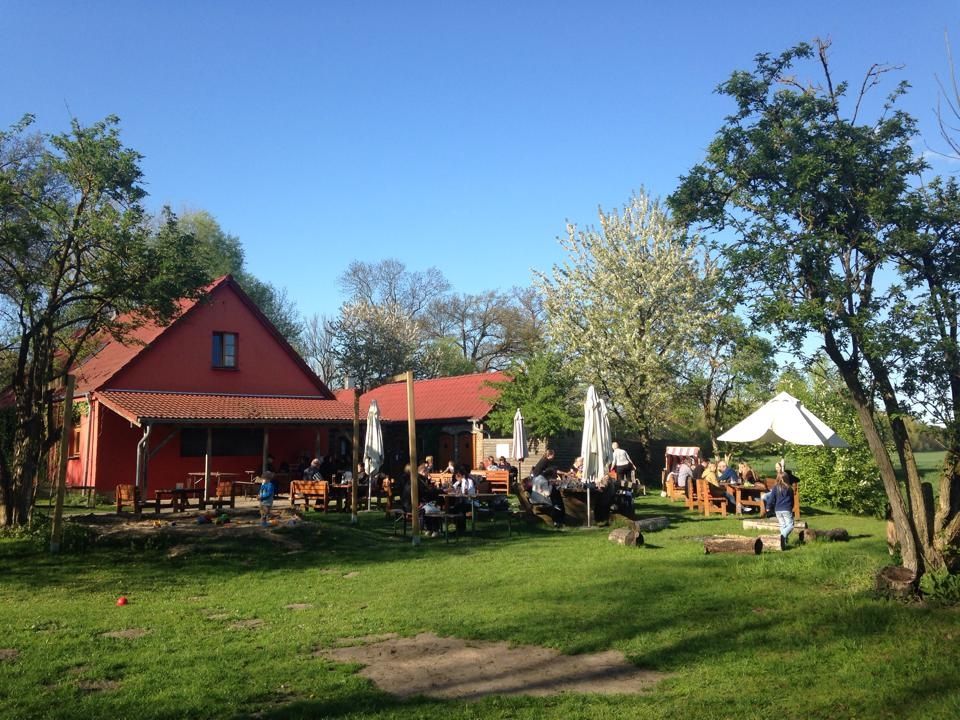
Farmer's shops — escape to the country
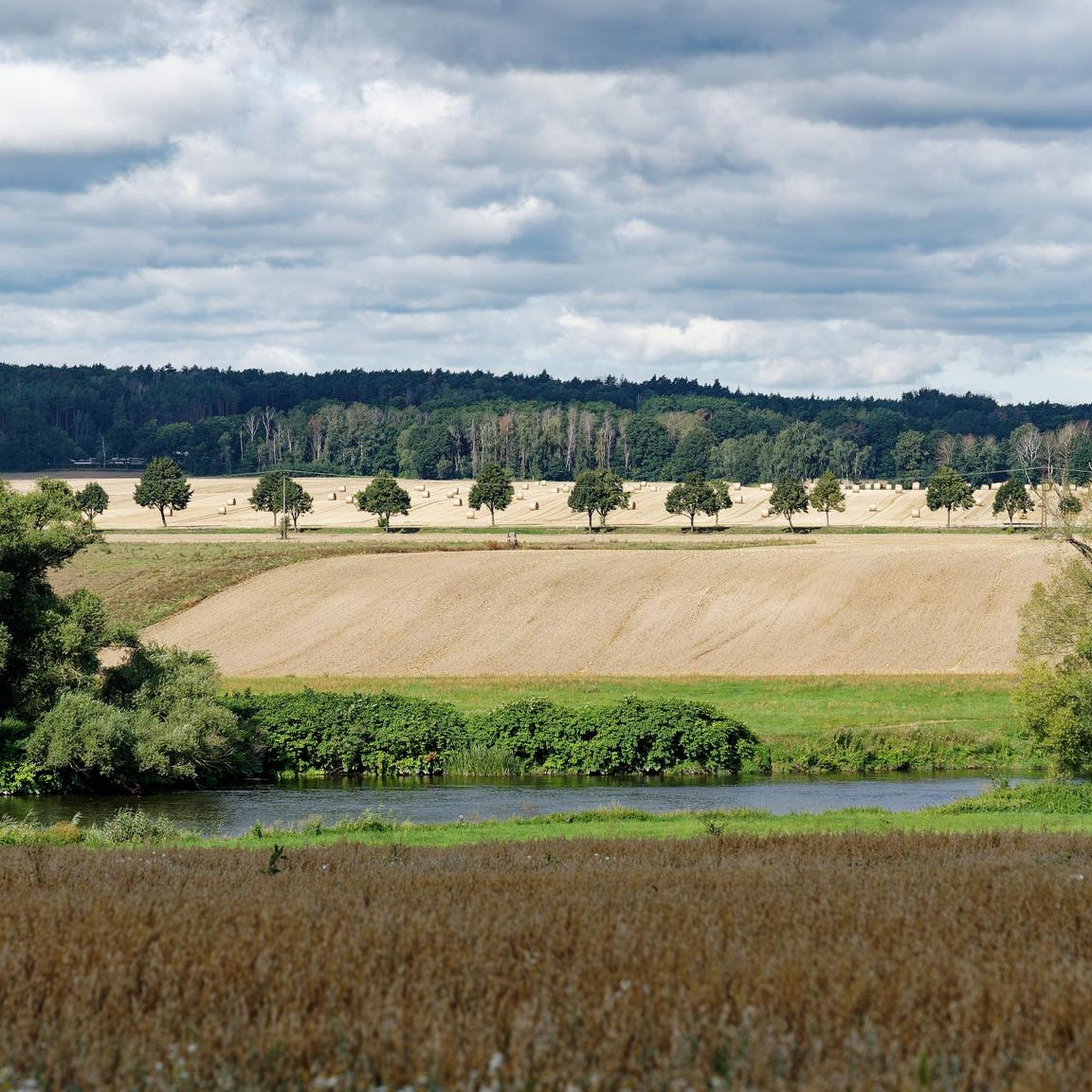
ヴルツェンでのサイクリング
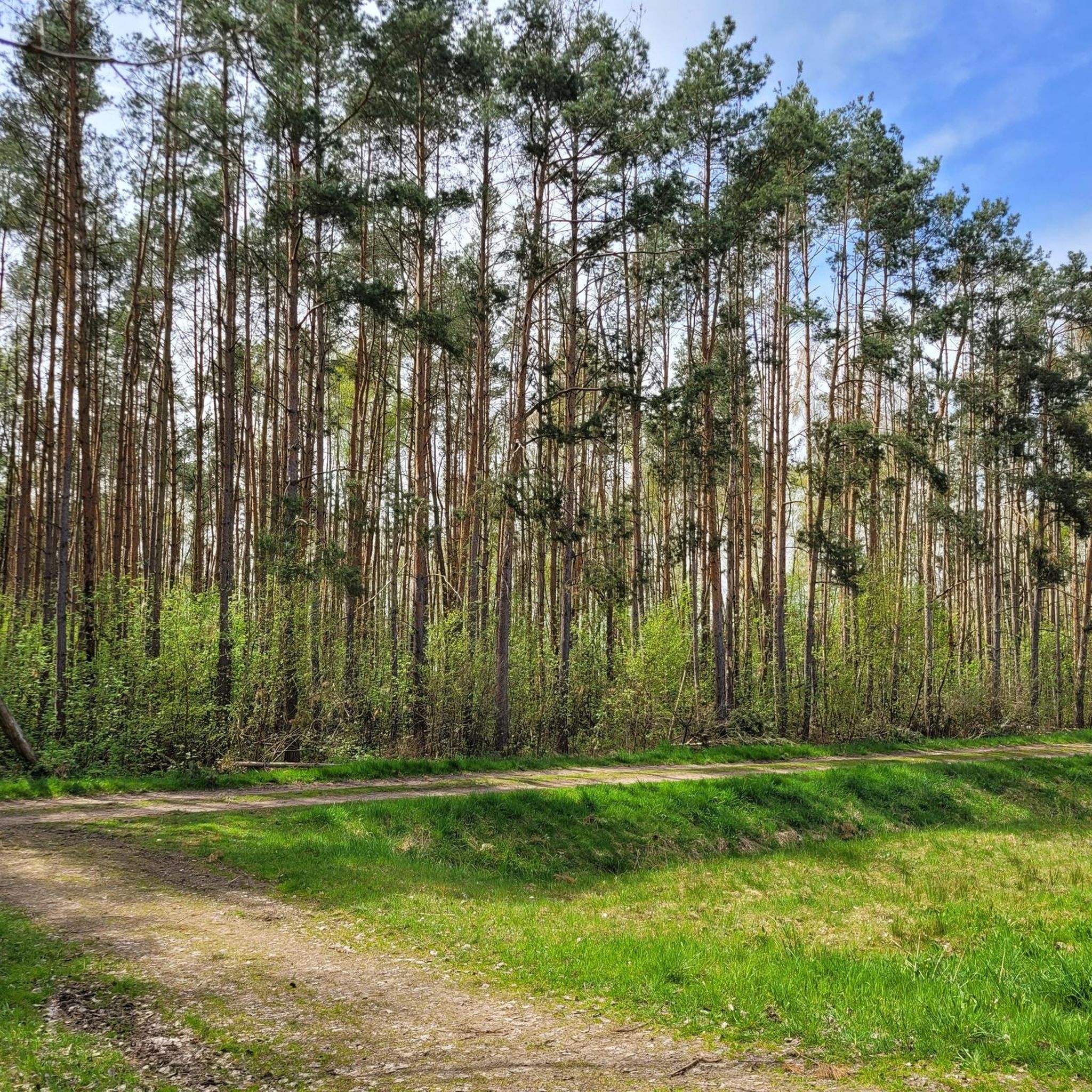
ヴルツェンでのハイキング
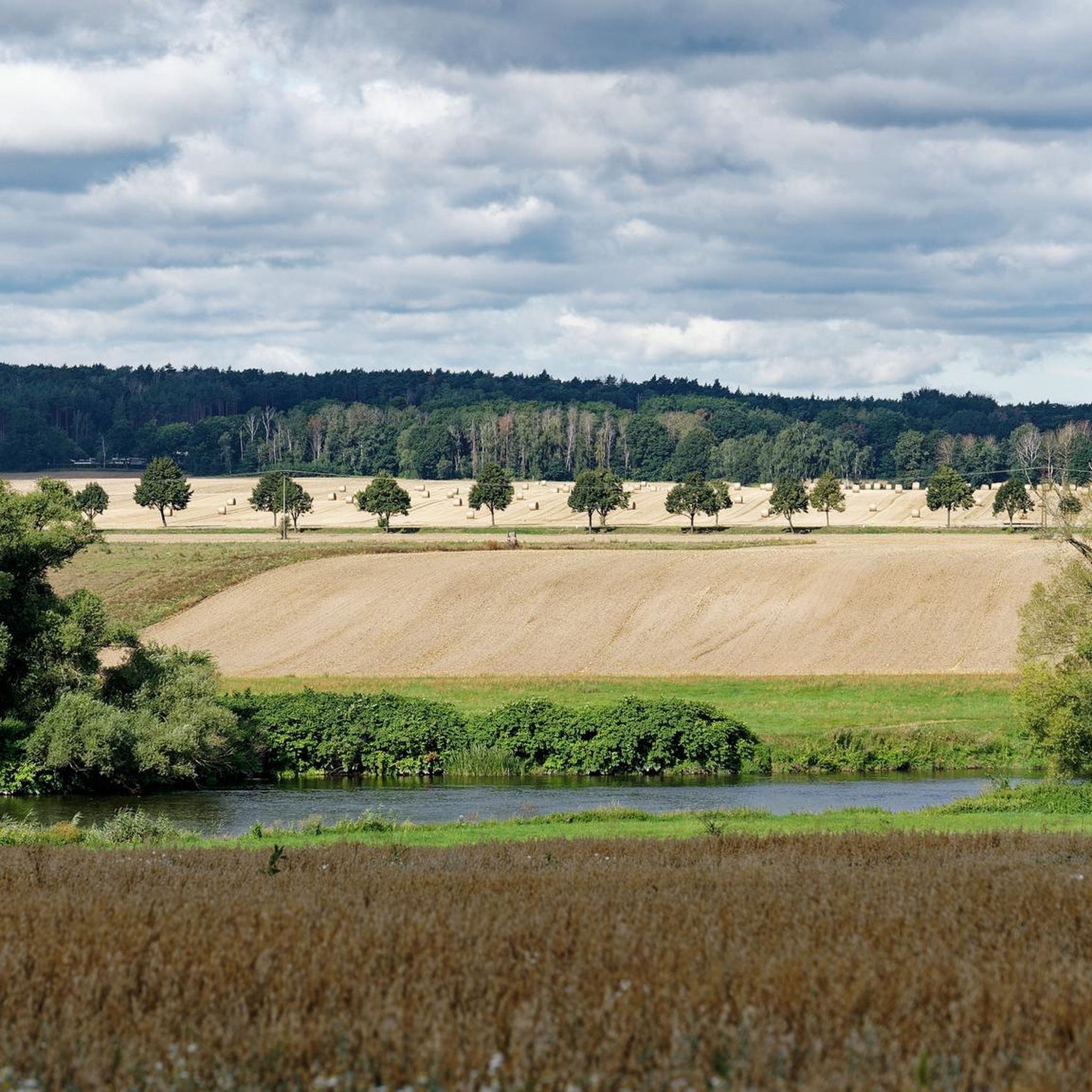
ヴルツェンのロードバイクルート
ヴルツェンのMTBトレイル


コミュニティからのヒント


Definitely worth seeing
1
0

Wurzen. Jürgen Schmidt still vividly remembers September 9, 2004 – the late afternoon when the then Prime Minister of Saxony, Georg Milbradt (CDU), climbed into the excavator to signal the start of construction of the new Mulde Bridge. Thirty-three months later – on May 23, 2007 – the mammoth project concluded with a celebration and fireworks display.
1
0

In Beucha, Kiebitzgrund 1a "zur Seerose"...very good food
0
0

The first train station in Wurzen was opened on July 31, 1837. In addition to the then small reception building, there was a solidly built freight shed extension. In 1869, a passenger hall in front of the intermediate platform and a freight hall were completed. On October 15, 1879, the line to Glauchau, the so-called Muldentalbahn, opened. In 1888, the station was completely rebuilt and expanded. The platforms were extended and roofed and a passenger tunnel was built. On April 1, 1907, the line to Eilenburg opened. In 1911, the freight station was expanded. In 1935, the freight station was expanded again. On May 28, 1978, passenger traffic to Eilenburg and Grimma was discontinued. Source:https://bf-w2.zielbahnhof.de/wurzen.htm
4
0

Memorial for the Fallen of the World Wars from Wurzen
1
0

komootモバイルアプリでインスピレーションを得よう


さらに探索
他の地域の最高のランニングトレイル & ルートを見てみましょう。
