ヴェニーのおすすめツーリングルート
4.5
(224)
1,922
ライダー
138
ライド
ヴェニー周辺でのおすすめのサイクリングルートを参考にして、このエリアを最大限に楽しみましょう。ここでご紹介するのは、ヴェニー周辺の人気バイクライドです。ぜひ、自分に合ったルートを見つけてください。
最終更新日: 10月 9, 2026
4.7
(15)
91
ライダー
28.4km
01:49
340m
340m
中程度の自転車ライド. ある程度のフィットネスレベルが必要です。 全般的に舗装された状態です。あらゆるスキルレベルに適しています。
4.0
(3)
19
ライダー
43.1km
02:39
230m
230m
中程度の自転車ライド. ある程度のフィットネスレベルが必要です。 全般的に舗装された状態です。あらゆるスキルレベルに適しています。

5.0
(1)
12
ライダー
51.5km
03:11
480m
480m
難しい自転車ライド. 標準以上のフィットネスレベルが必要です。 全般的に舗装された状態です。あらゆるスキルレベルに適しています。
8
ライダー
40.9km
02:28
310m
310m
中程度の自転車ライド. ある程度のフィットネスレベルが必要です。 全般的に舗装された状態です。あらゆるスキルレベルに適しています。
4.0
(1)
5
ライダー
59.1km
03:39
540m
540m
難しい自転車ライド. 標準以上のフィットネスレベルが必要です。 全般的に舗装された状態です。あらゆるスキルレベルに適しています。
さらに多くのルートや他のユーザーのおすすめ情報を確認できます。
すでにアカウントをお持ちですか?
おすすめのツアーは他のkomootユーザーが実際に経験した何千ものアクティビティに基づいています。
無料アカウントで今日から始めよう
次の冒険が待っています。

コミュニティからのヒント

祖国擁護者のための記念碑。
4
0

それはムルト川左岸、14 rue Denfert-Rochereau 付近に位置しています。 サン=ジョルジュ教会は、1947年にラオン=レ=ラオンと合併したラヌーヴィル=レ=ラオンの教会です。 1835年から1838年にかけて、サン=ディエ地区の建築家ブーシェの設計に基づいて建設されました。 教会は1894年に改修されました。1905年にはドームが再建されました。1973年から1978年にかけて、内外ともに大規模な修復工事が行われました。 内部には、とりわけ、古いピエタ像、木材のいかだ師の守護聖人でもある聖ニコラウスの絵画、彩色木製キリスト像、そして記念礼拝堂(1922年)などが収められています。
0
0

Mural by Matthieu Koga in Round-lÉstape
9
0
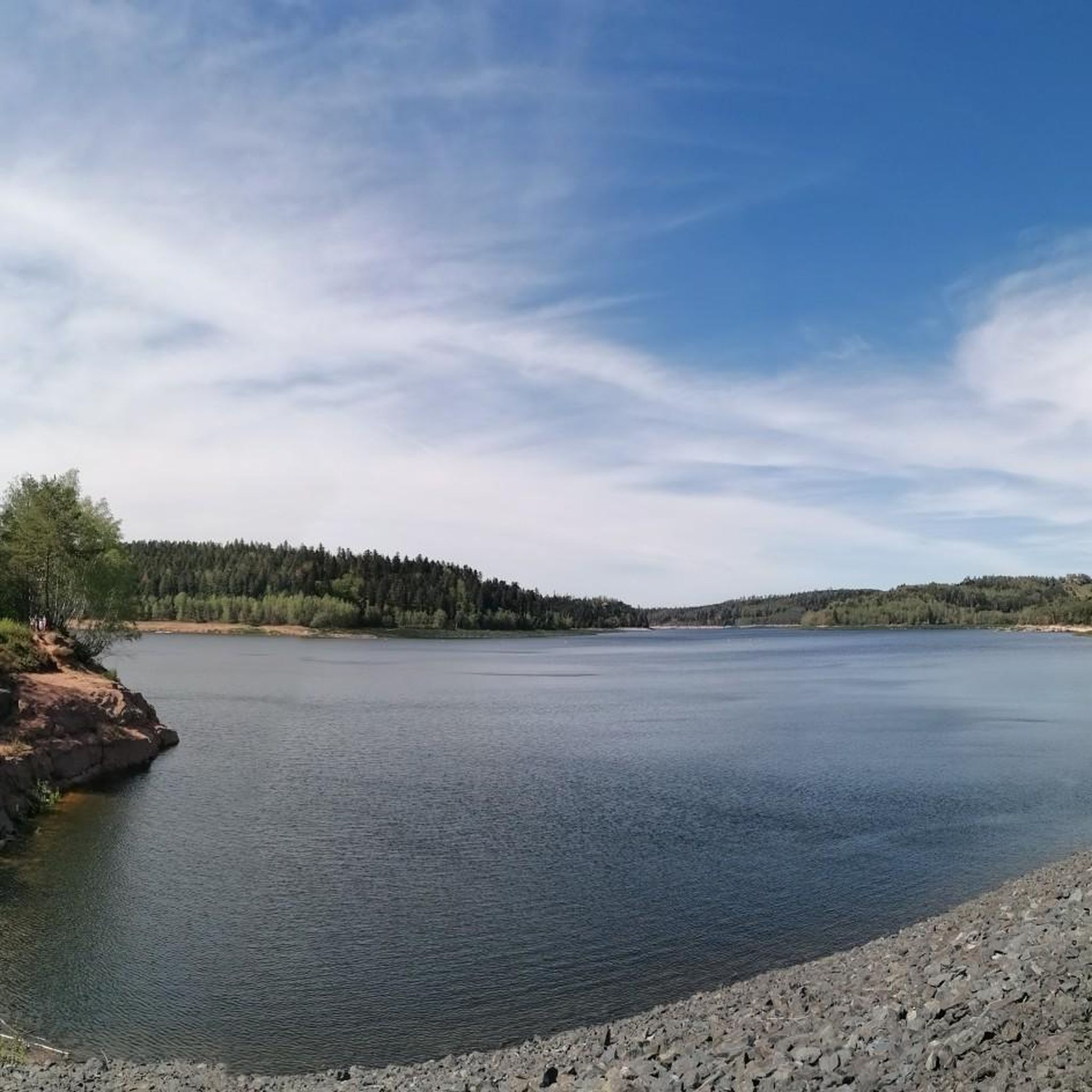
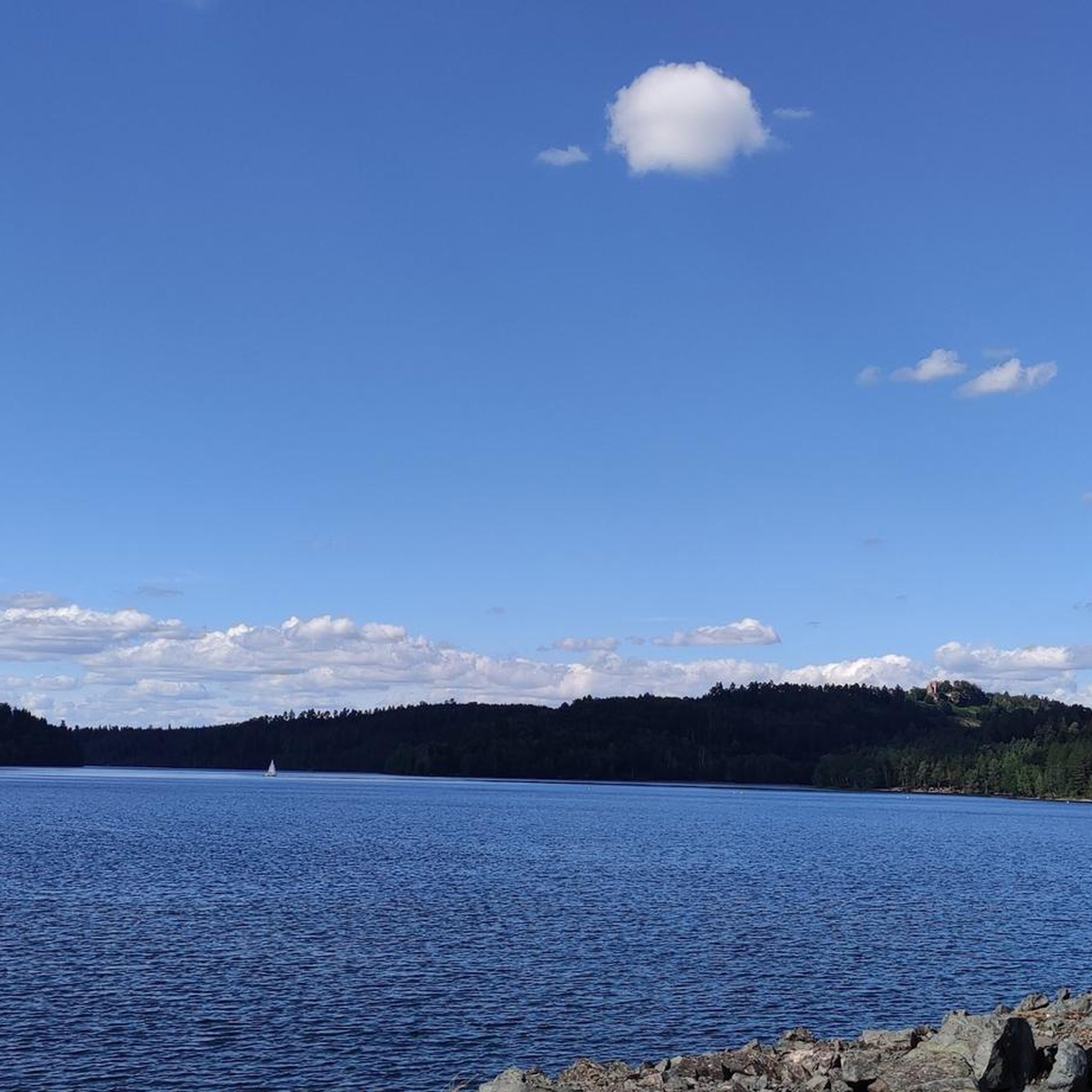
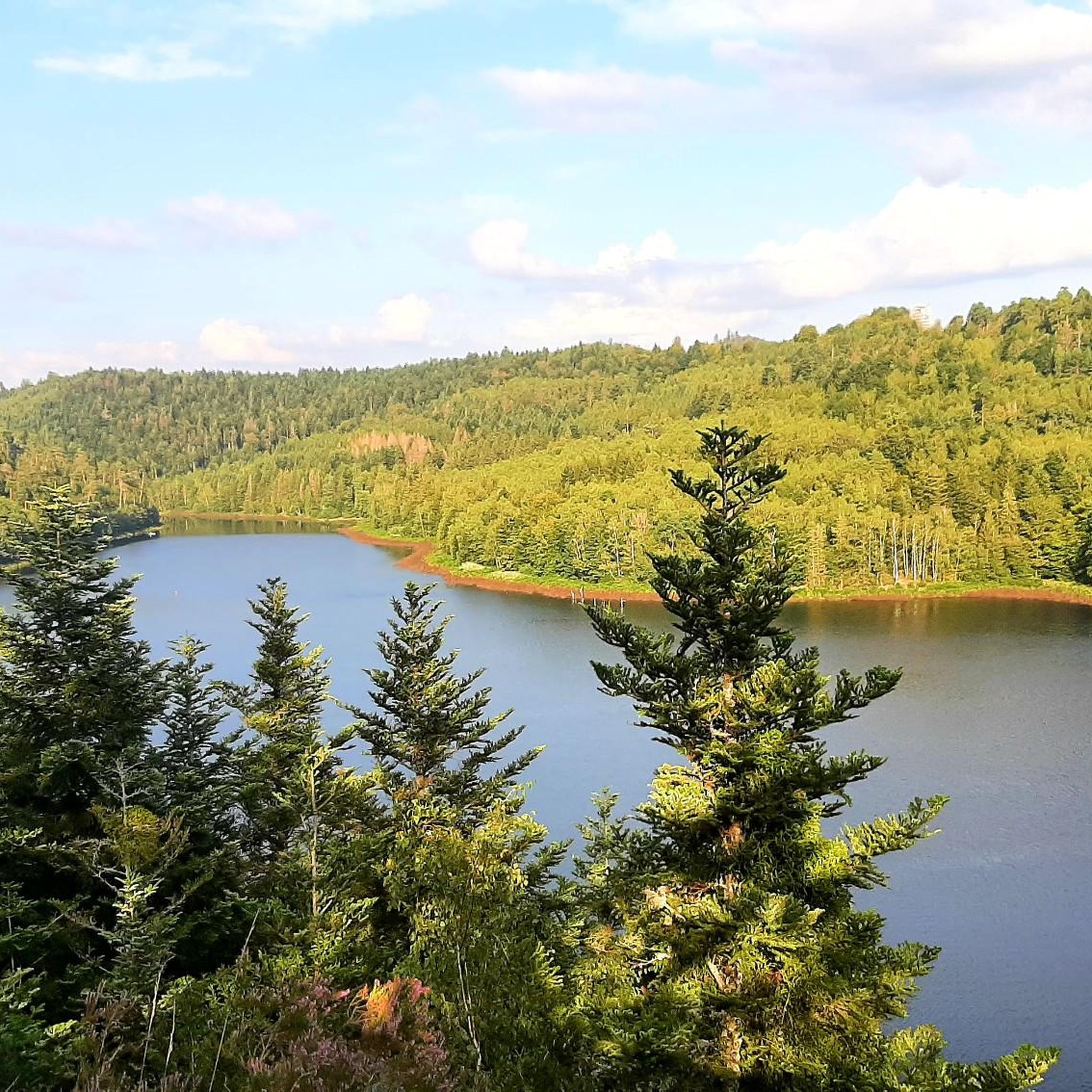
Situated in the heart of the Vosges, this dam, together with Lac de la Plaine, forms an important water reservoir. The dam was built to feed Lac de Pierre-Percée via an underground system. The climb up to it is gradual and rewards you with a view of the peaceful Lac de la Plaine. The road along the lake is ideal for a breather, with little traffic and lots of nature. Perfect for a short break or a photo opportunity during your ride.
9
0
"The Mémorial du 363e Régiment d’Infanterie in Pierre-Percée is an impressive bas-relief that pays tribute to the soldiers of this regiment who died during the First World War. The monument is located on the edge of the village, right next to the municipal cemetery, at the address Chemin du Poirier d’Anne. It was designed as a powerful symbol of sacrifice and remembrance, and is classified as a historical monument.
8
0
"The Mairie de Badonviller was originally built in 1811, during the Napoleonic era, and served as the administrative centre of the young municipality. After being badly damaged during the First World War, the building was rebuilt in 1924. "Located on the edge of the Vosges in the Meurthe-et-Moselle department, Badonviller is a village with a turbulent history. In the 19th century, it became a local centre thanks to the flourishing faience industry. But it was during the First World War that Badonviller became known nationwide. On 12 August 1914, the village was one of the first French municipalities to be occupied and pillaged by Bavarian troops. This event was widely reported in the French press and made Badonviller a symbol of German brutality. The village was badly damaged during the fighting and later partially rebuilt. Today, monuments, the necropolis and the townscape bear witness to this turbulent period. Badonviller is part of the 'sentiers de mémoire' — memorial routes that keep the history of the war in the Vosges alive."
6
0

Étival Abbey is one of the region's three abbeys, along with Moyenmoutier and Senones. The Romanesque church was destroyed by German troops in 1944 and was soon beautifully rebuilt with beautiful stained-glass windows. A truly remarkable church. The former cloister is still visible, and there's a lovely herb garden.
0
0
ヴェニーでのの人気観光スポット

komootモバイルアプリでインスピレーションを得よう


さらに探索
他の地域の最高のサイクリングルートを見てみましょう。
