コンセンボイ周辺のアトラクション&必見スポット - トップ20
コンセンボイには必見のスポットがたくさんあります。ハイキング愛好家やサイクリング愛好家の方は、ぜひコンセンボイを探索してこのエリアにある20
の隠れたスポットを訪れてみてください。このエリアの必見スポットを確認し、次の冒険に出かける計画を立てましょう。
最終更新日: 9月 8, 2026
キュミエール=ル・モール=オム
ハイライト • その他
It was in February 1916 that the heaviest fighting took place. …
翻訳者 Google •
役立つ情報 は

ブラ=シュル=ムーズ国立墓地
ハイライト • 歴史的な場所
翻訳者 Google •
役立つ情報 は

今すぐサインアップして、こんな場所を発見しよう
最高のシングルトラック、ピーク、その他のエキサイティングなアウトドアスポットのおすすめを受け取ろう。
フォルジュ=シュル=ムーズ教会
ハイライト • 宗教的な場所
翻訳者 Google •
役立つ情報 は
ヴァシュローヴィル教会
ハイライト • その他
翻訳者 Google •
役立つ情報 は
両側に水辺があります
ハイライト (セグメント) • サイクリングロード
翻訳者 Google •
役立つ情報 は
無料でサインアップして、さらに多くの観光スポットを発見しましょう コンセンボイでの。
すでにアカウントをお持ちですか?
無料アカウントで今日から始めよう
次の冒険が待っています。


コミュニティからのヒント

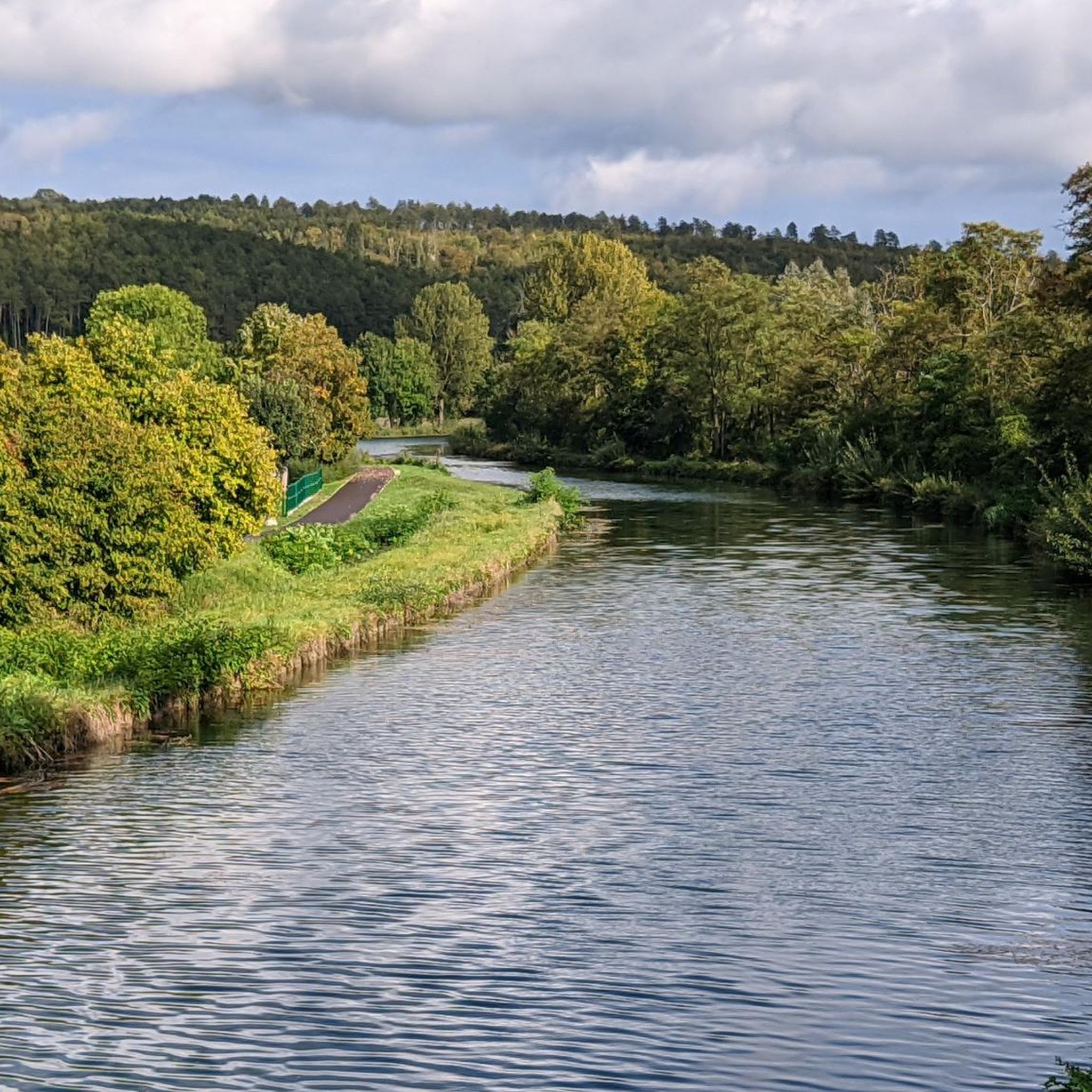
It is nice to see that the water level of the canal is much higher than the water level of the stream.
8
0
Tevens stands at the church's image: The Cross of the Hunters of Briant Cross of the Hunters of Driant in Vacherauville (Meuse) after the First World War. At the end of 1915, the monument in the form of a statue of France, sword in hand, imploring the heavens for victory was erected, but destroyed by the Germans in February 1916. At the end of the conflict, the former hunters erected a new, identical statue, but this time with the sword in its sheath, as shown on the Bleujonquille website.
7
0
Among the thousands of fallen soldiers who rest here is Caporal Louis Micol, a soldier of the 19th Battalion of Chasseurs à Pied. He was not only a soldier, but also the founder of one of the first French front newspapers: Le Son du Cor, a trench newspaper written by and for soldiers. Micol died on 18 September 1915 in Brabant-en-Argonne and is buried in grave no. 390. His story is a reminder that even in the midst of the violence of war, soldiers sought ways to make their voices heard, share experiences and preserve their humanity.
7
2
Military cemetery created in 1916 during the Battle of Verdun. It contains the remains of 6,537 French soldiers, including 2,000 in ossuaries. Most of them died in 1916 on the right bank of the Meuse, near strategic points such as Côte 344 and Thiaumont. In 1961, 151 soldiers who died in the Second World War were also buried there. The necropolis covers 3.2 hectares and was set up between 1919 and 1934
7
2
The church of Vacherauville was rebuilt after the destruction of the Battle of Verdun (1916) and is an example of sober reconstruction architecture. Inside is the “Vitrail du souvenir”, a commemorative stained glass window in honour of Lieutenant-Colonel Émile Driant, who died at the Bois des Caures. The window, designed by Jean-François Aute, shows Driant at the head of his battalions and was donated by veterans of the 56th and 59th Chasseurs à Pied.
7
0
This church, dedicated to Saint-Baudel, originally dates from the 11th century, as evidenced by the use of the typical opus spicatum masonry in the north wall. Over the centuries, the building has been modified and restored several times, resulting in a striking mix of architectural styles. Inside, you will find wooden seating boxes for the faithful and a 19th-century pulpit – silent witnesses to religious life in this village on the Meuse. Note the symbolic animal figures at the ends of the roof beams.
7
0

The national necropolis of Bras-sur-Meuse contains the remains of 6,537 soldiers who died for France. During the First World War, 6,386 French soldiers were gathered here, 2,000 of whom are in two ossuaries. It was created in 1916 during the Battle of Verdun (February-November 1916) and was gradually expanded from 1919 to 1934. It is a cemetery for the regrouping of bodies exhumed from military cemeteries on the right bank of the Meuse, in particular those of soldiers who died in the first aid post or in the ambulances stationed at La Fourche, the crossroads of the roads to Louvemont and Douaumont. The ossuaries contain the remains of unknown and unidentified soldiers who fell on hill 344, Haudromont, Froideterre, Cote du Poivre, Thiaumont, Louvemont, etc. In 1961, the remains of 151 soldiers who died during the fighting in June 1940 and were buried in various villages along the Meuse during the Second World War were collected here. Among the soldiers is Corporal Louis Micol, of the 19th Chasseurs Battalion, founder of one of the first newspapers on the front, Le son du cor , a trench newspaper of the chasseurs, who died in Brabant on 18 September 1915 (grave no. 390). Want to know more? Click on https://www.cheminsdememoire.gouv.fr/fr/bras-sur-meuse
5
2
The first church of Saint-Martin in Vacherauville was built in the 16th century. The house of worship was damaged by the Great War and was rebuilt. In 1930, the house was accessible again.
5
0

komootモバイルアプリでインスピレーションを得よう


さらに探索
まだ探しているハイライトが見つかりませんか?他の地域のトップアトラクションのガイドを見てみましょう:
