ショーモン=ドヴァン=ダンヴィエール周辺のアトラクション&必見スポット - トップ20
ショーモン=ドヴァン=ダンヴィエールには必見のスポットがたくさんあります。ハイキング愛好家やサイクリング愛好家の方は、ぜひショーモン=ドヴァン=ダンヴィエールを探索してこのエリアにある20
の隠れたスポットを訪れてみてください。このエリアの必見スポットを確認し、次の冒険に出かける計画を立てましょう。
最終更新日: 8月 25, 2026
バヨネット塹壕記念碑
ハイライト • その他
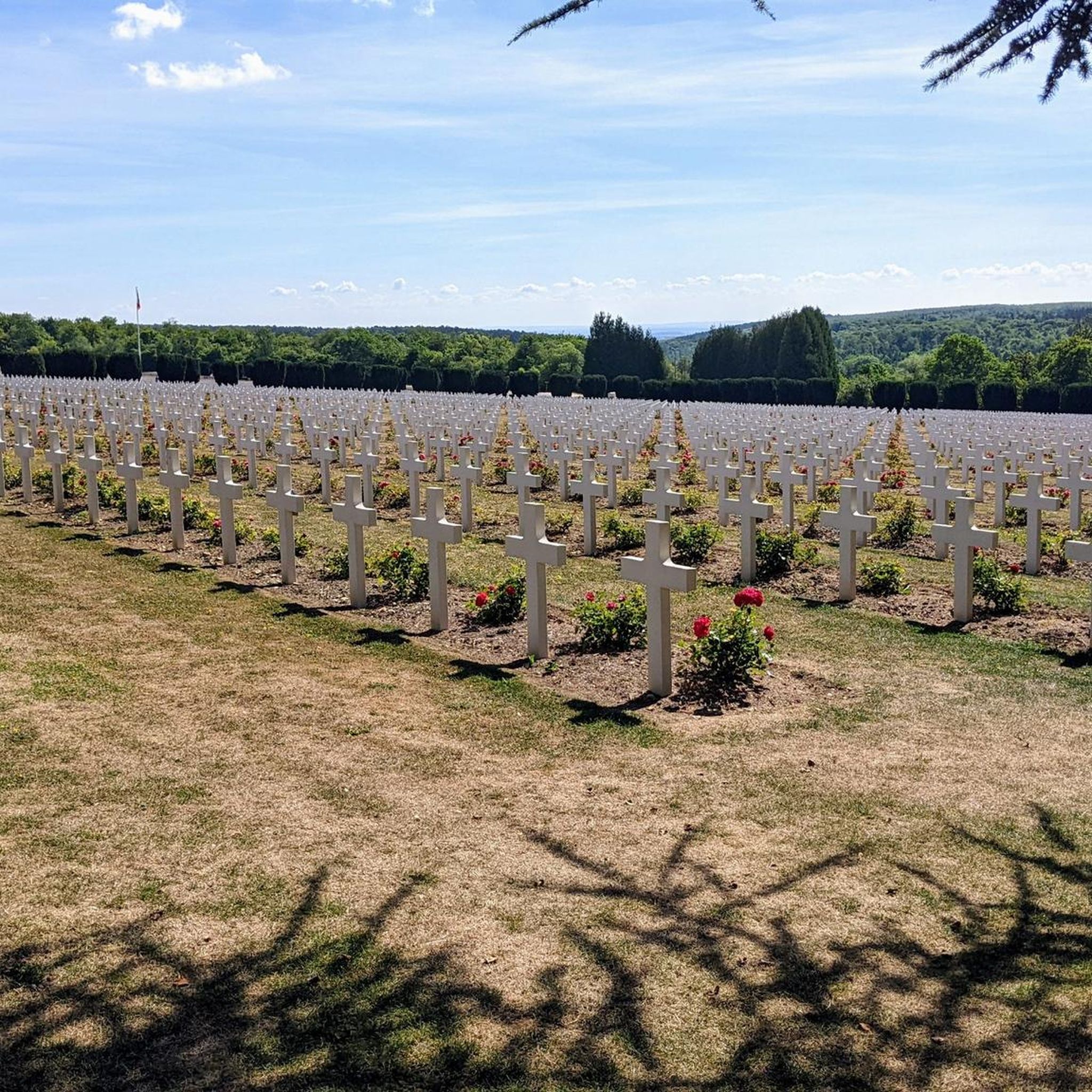
“In memory of the French soldiers who sleep standing, rifle in hand, in this trench – their brothers in America.” This is the …
翻訳者 Google •
役立つ情報 は

砦での生活
ハイライト • その他
翻訳者 Google •
役立つ情報 は

今すぐサインアップして、こんな場所を発見しよう
最高のシングルトラック、ピーク、その他のエキサイティングなアウトドアスポットのおすすめを受け取ろう。
無料新規登録
ドゥオモン要塞
ハイライト • 歴史的な場所
翻訳者 Google •
役立つ情報 は

ロンドン・ボワイエ
ハイライト • その他
Historical context: After the recapture of the forts of Vaux and Douaumont, the French command set up the essential connections to …
翻訳者 Google •
役立つ情報 は
Abri Adalbert TD2
ハイライト • 歴史的な場所
In 1915, after the declassification of the strongholds, it had to be destroyed.
The Battle of Verdun in 1916 prevented the city from being destroyed. After …
翻訳者 Google •
役立つ情報 は
無料でサインアップして、さらに多くの観光スポットを発見しましょう ショーモン=ドヴァン=ダンヴィエールでの。
無料新規登録
すでにアカウントをお持ちですか?
無料アカウントで今日から始めよう
次の冒険が待っています。
ログインまたは登録




コミュニティからのヒント

Fort Duomont is an interesting historical site. Here you can practically feel the claustrophobia the soldiers must have experienced while fighting here. It's also impressive to think how many died trying to capture this hill.
1
0

The weight of history and sacrifice. Not to be missed.
1
0

On 21 February 1916 at 07:15 (German time was 1 hour later) 1225 guns poured their fire over the French lines in front of Verdun. The gunfire was so intense that a subterranean rumbling and booming could be heard and felt up to 170 kilometres around Verdun. As far away as Trier, Saarbrücken and Paris the air vibrated and windows rattled. French pilots who flew over Verdun during the bombardment reported seeing gigantic columns of flames and smoke and that the front looked like a smoking industrial city. This is consistent with the comment of General Petain, who estimated that a million shells were fired on that first day alone. The bombardment lasted for almost 5 hours, until 12:00. Then a short pause in firing was called. The idea was to tempt the survivors to come out of their shelters to recover from the horrors of the drumfire. They would then be destroyed after 10 minutes by even heavier cannon fire. After the pause, the bombardment continued until about 16:30. Then it stopped. Then the infantry attack began. The German soldiers climbed out of the assault trenches and began to cross the bombed terrain. Nothing happened for the first few hundred meters. The cannon fire had completely destroyed the first French lines. But at the second defense line things were different. It turned out that there were still survivors, who were defending themselves furiously. The bombardment had not only killed and stunned the French. It had also filled the survivors with a rage and fury that made them fight to the end. At the end of the first day, the Germans had gained about two kilometers of ground. Yet they had encountered more resistance than they had expected. And the losses were also higher than originally thought. A tiny sign of what was to come. Triggered? Want to know more? Click through to https://www.cirkwi.com/fr/point-interet/1269507-monument-sommieres-paul
3
0
Shelter built in 1906. In 1915, after the declassification of the strongholds, it had to be destroyed. The Battle of Verdun in 1916 prevented the city from being destroyed. After it was captured by the Germans, it was shelled by French artillery, making it unusable. Source: https://www.cirkwi.com/fr/point-interet/402375-abri-adalber-td2
6
1
The Myth of the First World War “In memory of the French soldiers who sleep standing, rifle in hand, in this trench – their brothers in America.” This is the inscription in front of the Memorial of the Battle of Verdun in the ghost town of Douaumont. The monument was financed by a wealthy American banker, George T. Rand, who was moved by the famous legend surrounding the site. It is said that French soldiers buried standing, with weapons in hand, died from enemy shells. Bayonet Trench is one of the myths of the First World War. In 1922, it was classified as a historical monument and in 2014 it was considered a site of national importance. After the war, excavations uncovered 21 bodies of French soldiers. Fourteen were identified and buried in the Necropolis of Fleury, opposite Douaumont. The seven other bodies that remained unknown were reburied in the "Bayonet Trench". For many, the myth persists, while others question it. Especially since no body was found standing upright. In any case, the legend of the "Bayonet Trenches" shows above all how much the Great War left an almost indelible mark on the collective imagination. As the bloody conflict of the Battle of Verdun drew to a close, glorious stories quickly emerged in which the nation sacrificed itself for the fatherland. Source: https://www.landofmemory.eu/sites-historiques/tranchee-des-baionnettes/
7
0
Back in time through the trenches named after London. Historical context: After the recapture of the forts of Vaux and Douaumont, the French command set up the essential connections to supply the new French positions. The London Trench connected the hills of Belleville with the fort and the destroyed village. To prevent landslides caused by bombardments, the sides of the tunnel were reinforced with a skeleton of reinforced concrete or cement slabs.
7
0

Infantry shelter completely destroyed by the fighting of 1916
0
0

komootモバイルアプリでインスピレーションを得よう


さらに探索
まだ探しているハイライトが見つかりませんか?他の地域のトップアトラクションのガイドを見てみましょう:
