サンタ・マリア・ダ・フェイラ周辺のアトラクション&必見スポット - トップ20
サンタ・マリア・ダ・フェイラには必見のスポットがたくさんあります。ハイキング愛好家やサイクリング愛好家の方は、ぜひサンタ・マリア・ダ・フェイラを探索してこのエリアにある20
の隠れたスポットを訪れてみてください。このエリアの必見スポットを確認し、次の冒険に出かける計画を立てましょう。
最終更新日: 7月 20, 2026
セニョール・ダ・ペドラ礼拝堂
ハイライト • 宗教的な場所
翻訳者 Google •
役立つ情報 は

カペラ・ド・セニョール・ダ・ペドラ
ハイライト • 宗教的な場所
翻訳者 Google •
役立つ情報 は

今すぐサインアップして、こんな場所を発見しよう
最高のシングルトラック、ピーク、その他のエキサイティングなアウトドアスポットのおすすめを受け取ろう。
無料新規登録
カナル・デ・オヴァール 🌊 アヴェイロの潟
ハイライト • 湖
翻訳者 Google •
役立つ情報 は

バリーニャ・デ・エスモリス自然保護区
ハイライト • 湖
Wonderful circuit; to drive well with children. With beach access.
翻訳者 Google •
役立つ情報 は

フロレスタ・ダス・ドゥナス・デ・オヴァール
ハイライト • 森
翻訳を表示中
役立つ情報 は

無料でサインアップして、さらに多くの観光スポットを発見しましょう サンタ・マリア・ダ・フェイラでの。
無料新規登録
すでにアカウントをお持ちですか?
無料アカウントで今日から始めよう
次の冒険が待っています。
ログインまたは登録
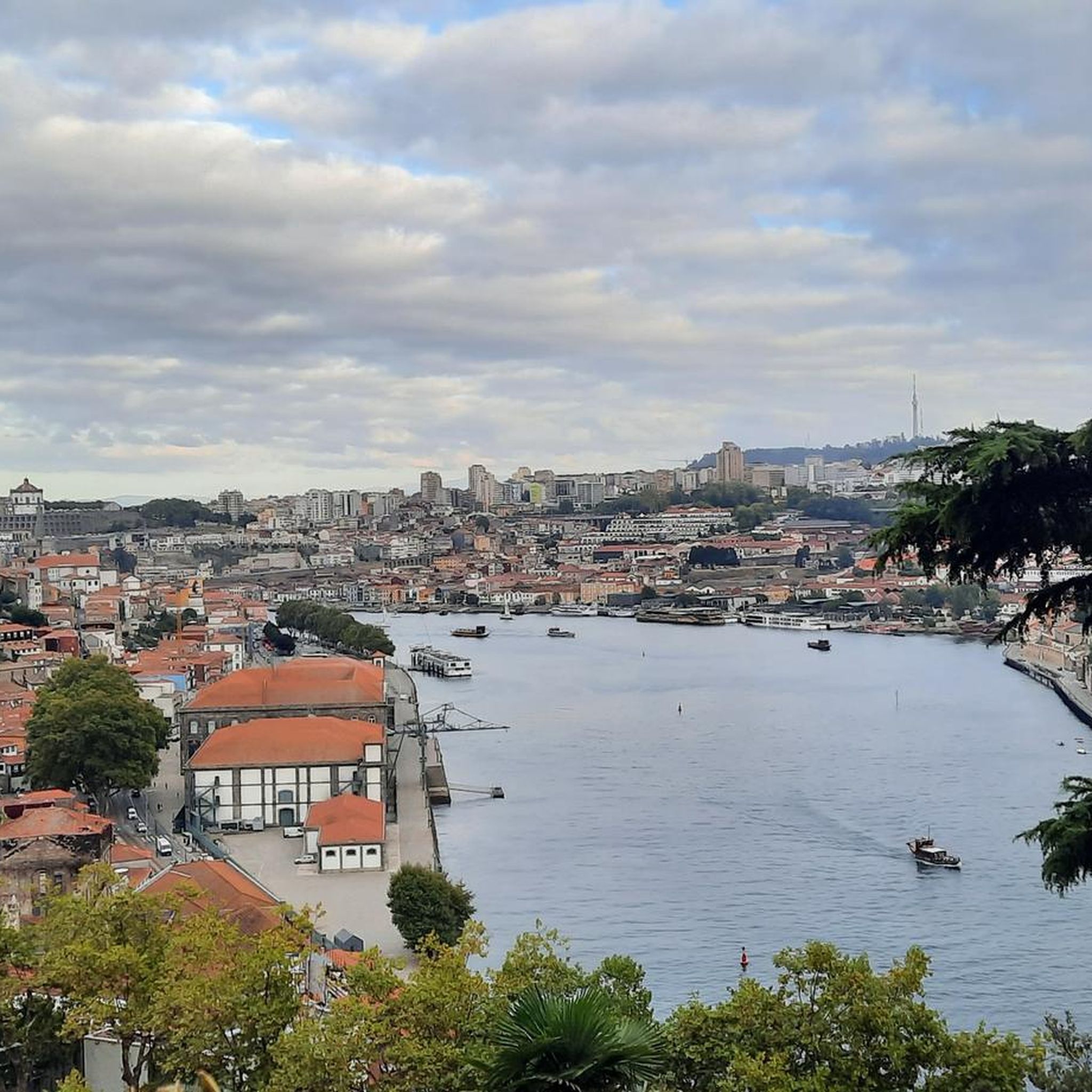
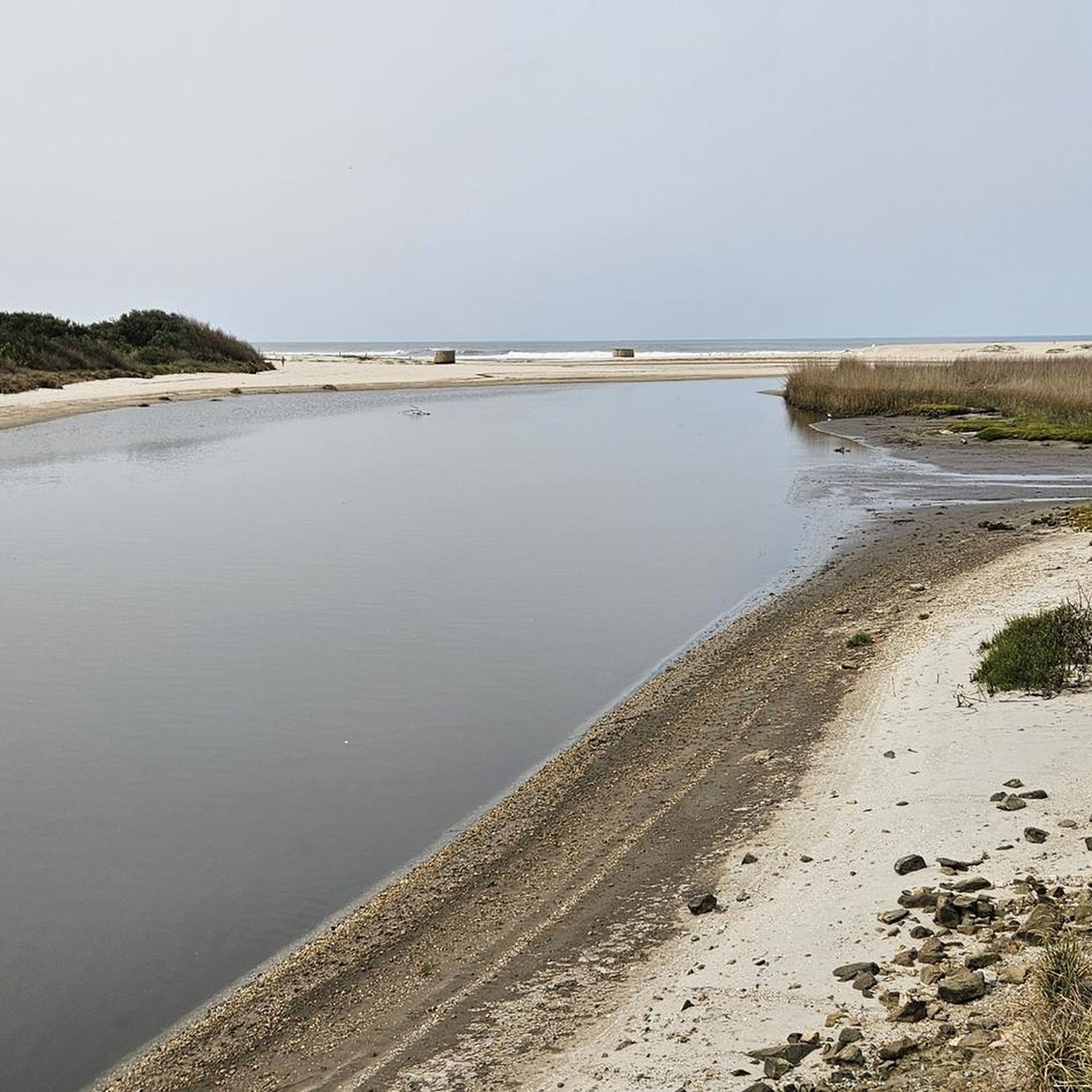
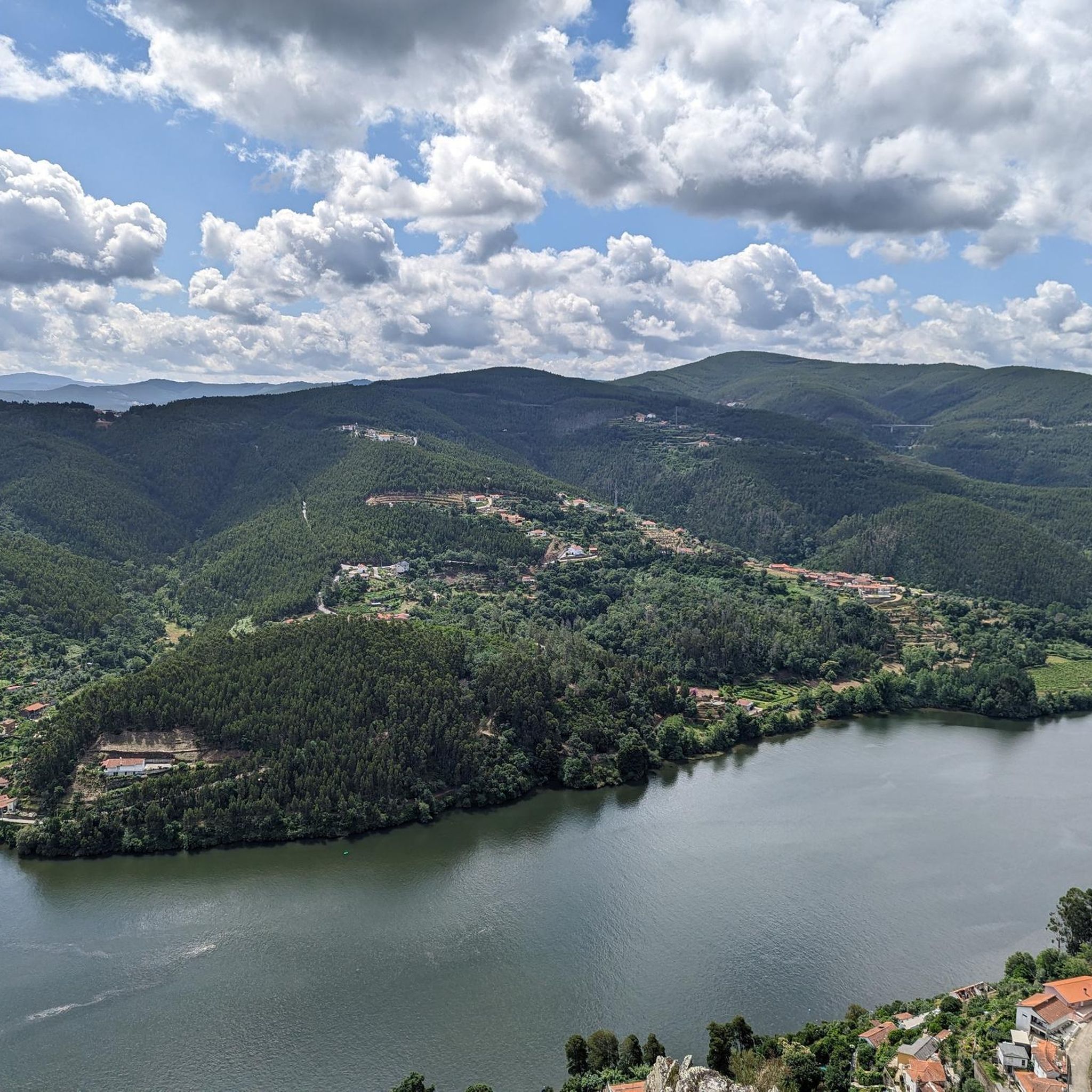
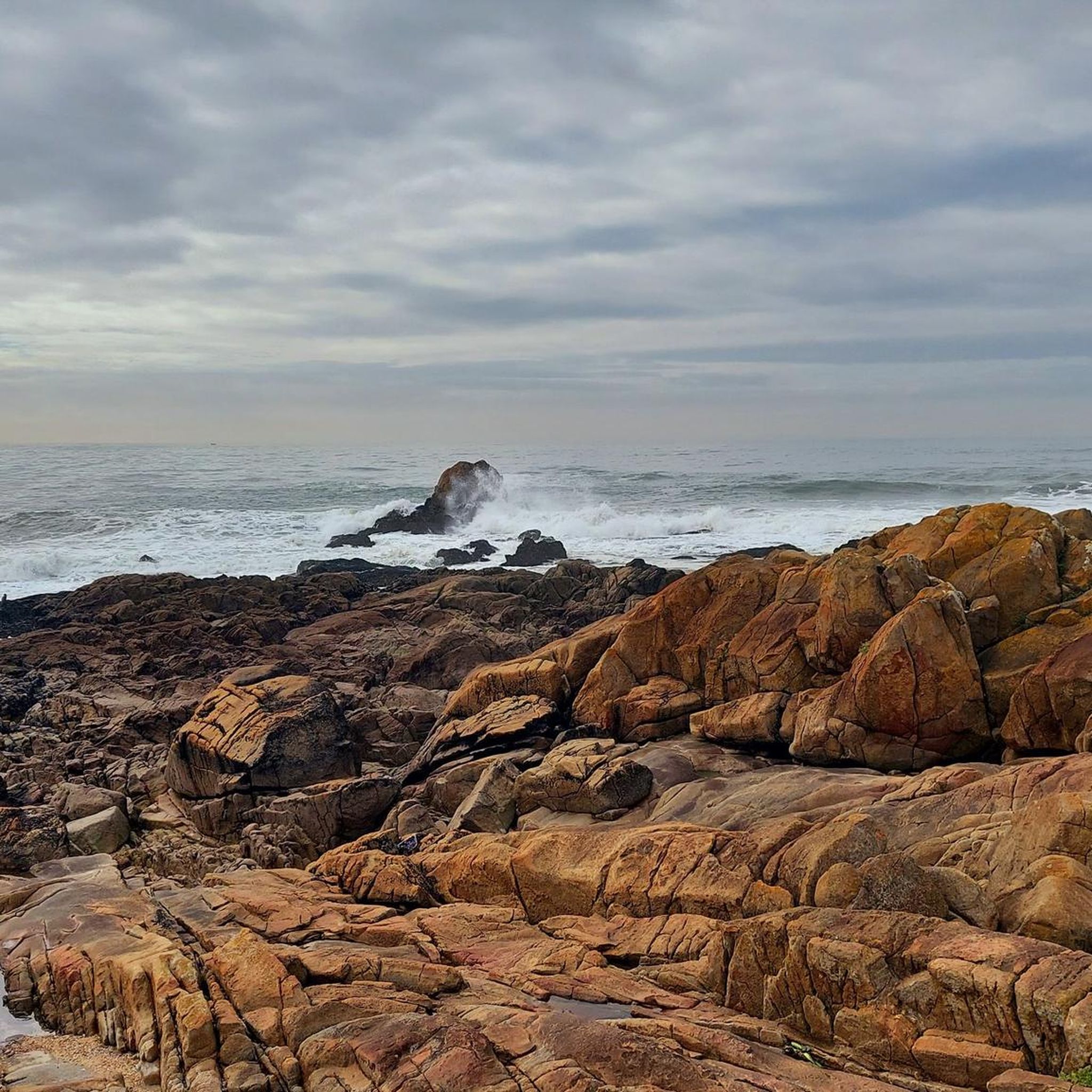
コミュニティからのヒント

海に面した松林を通る美しい道。道がしばしば横たわる木の板の区間によって中断されるため、一部は少しギクシャクします。
3
0

Cool view of a beautiful house
1
0

The Capela do Senhor da Pedra is one of Portugal's most iconic and photogenic chapels, located on a rocky promontory on Miramar Beach in Vila Nova de Gaia, about a 20-minute drive from downtown Porto.
1
0


Stunning chapel on the beach – what is often overlooked is that this rock was a sacred place for worship for generations before christianity / catholicism built here. There is a real presence and energy about this place. Visit in the early morning to avoid the crowds, and enjoy a moment of quiet. Sunset is pretty much always busy here.
1
1

Nice and calm in traffic conditions. Offers some protection in windy conditions.
1
0

In the coastal village of Miramar, in Gulpilhares, Vila Nova de Gaia, stands a small chapel built on top of a rock, facing away from the sea. Small but monumental, fragile but strong, unreal and yet true, that is the beautiful Capela do Senhor da Pedra. Looking from afar, it seems as if the Atlantic will swallow it up on the first stormy night, but three centuries have passed since its construction, and it remains standing firm. Perhaps it is because of the rock on which it stands - a place of worship for over two thousand years. As the inscription on the tile mosaic framed at the entrance to the chapel attests, the giant stone originally housed a pagan temple, possibly Celtic. When Christianity arrived in Portugal, efforts were made to Christianise the territory and free it from its pagan roots. The site where the Capela do Senhor da Pedra now stands was then chosen to "reclaim" the land from heretics, but despite the conversion to the Christian faith, secret ceremonies linked to pagan worship still take place on full moon nights. It is said that it is common to find melted candles left by neo-pagan worshippers on the rocks and sand next to the chapel, but I did not see any.
0
0
The Chapel of Senhor da Pedra is located on Praia do Senhor da Pedra, in Gulpilhares, in the current parish of Gulpilhares and Valadares, in the Municipality of Vila Nova de Gaia, Porto District, in Portugal. The Chapel of Senhor da Pedra, built on a rocky massif, on the sands of Gulpilhares beach, was built on a rock by the sea in June 1763. It is believed that the origin of the cult at the Chapel of Senhor da Pedra may have its origins in an ancient pagan cult, of a naturalist nature, of pre-Christian peoples, whose deities were venerated in the midst of nature, having later been converted to Christianity.
1
0
サンタ・マリア・ダ・フェイラでのの人気観光スポット

komootモバイルアプリでインスピレーションを得よう


さらに探索
まだ探しているハイライトが見つかりませんか?他の地域のトップアトラクションのガイドを見てみましょう:
