ナザレ周辺のアトラクション&必見スポット - トップ20
ナザレには必見のスポットがたくさんあります。ハイキング愛好家やサイクリング愛好家の方は、ぜひナザレを探索してこのエリアにある20
の隠れたスポットを訪れてみてください。このエリアの必見スポットを確認し、次の冒険に出かける計画を立てましょう。
最終更新日: 8月 30, 2026
ナザレの巨大波
ハイライト • ビーチ
翻訳者 Google •
役立つ情報 は

プライア・ド・ノルテの断崖
ハイライト • ビーチ
翻訳者 Google •
役立つ情報 は
今すぐサインアップして、こんな場所を発見しよう
最高のシングルトラック、ピーク、その他のエキサイティングなアウトドアスポットのおすすめを受け取ろう。
無料新規登録
アダリア・アルベルト作のヴァド像
ハイライト • 記念碑
翻訳者 Google •
役立つ情報 は

アルコバサ修道院
ハイライト • 宗教的な場所
役立つ情報 は

ナザレのノッサ・セニョーラ聖域
ハイライト • 宗教的な場所
翻訳者 Google •
役立つ情報 は

無料でサインアップして、さらに多くの観光スポットを発見しましょう ナザレでの。
無料新規登録
すでにアカウントをお持ちですか?
無料アカウントで今日から始めよう
次の冒険が待っています。
ログインまたは登録
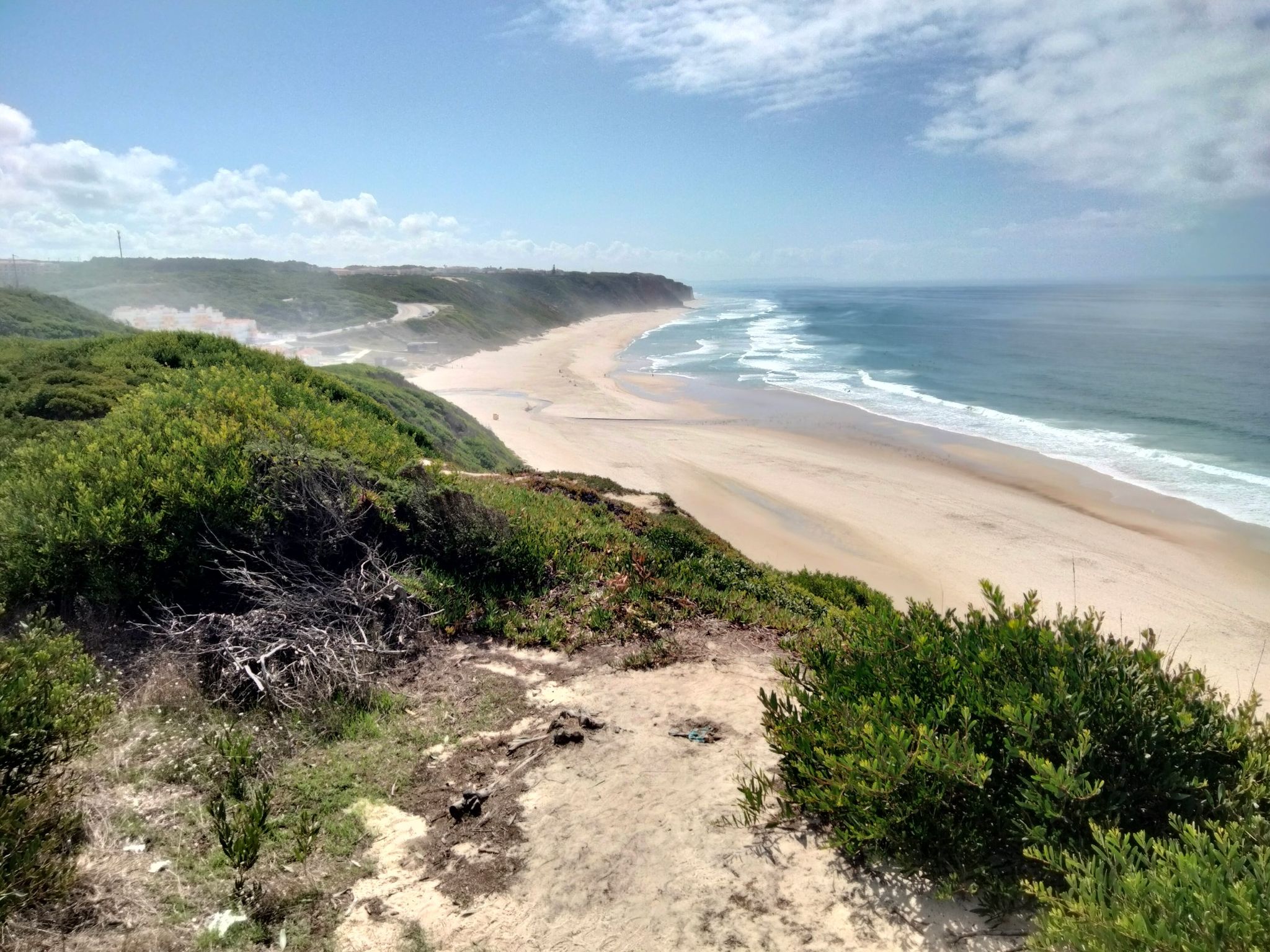
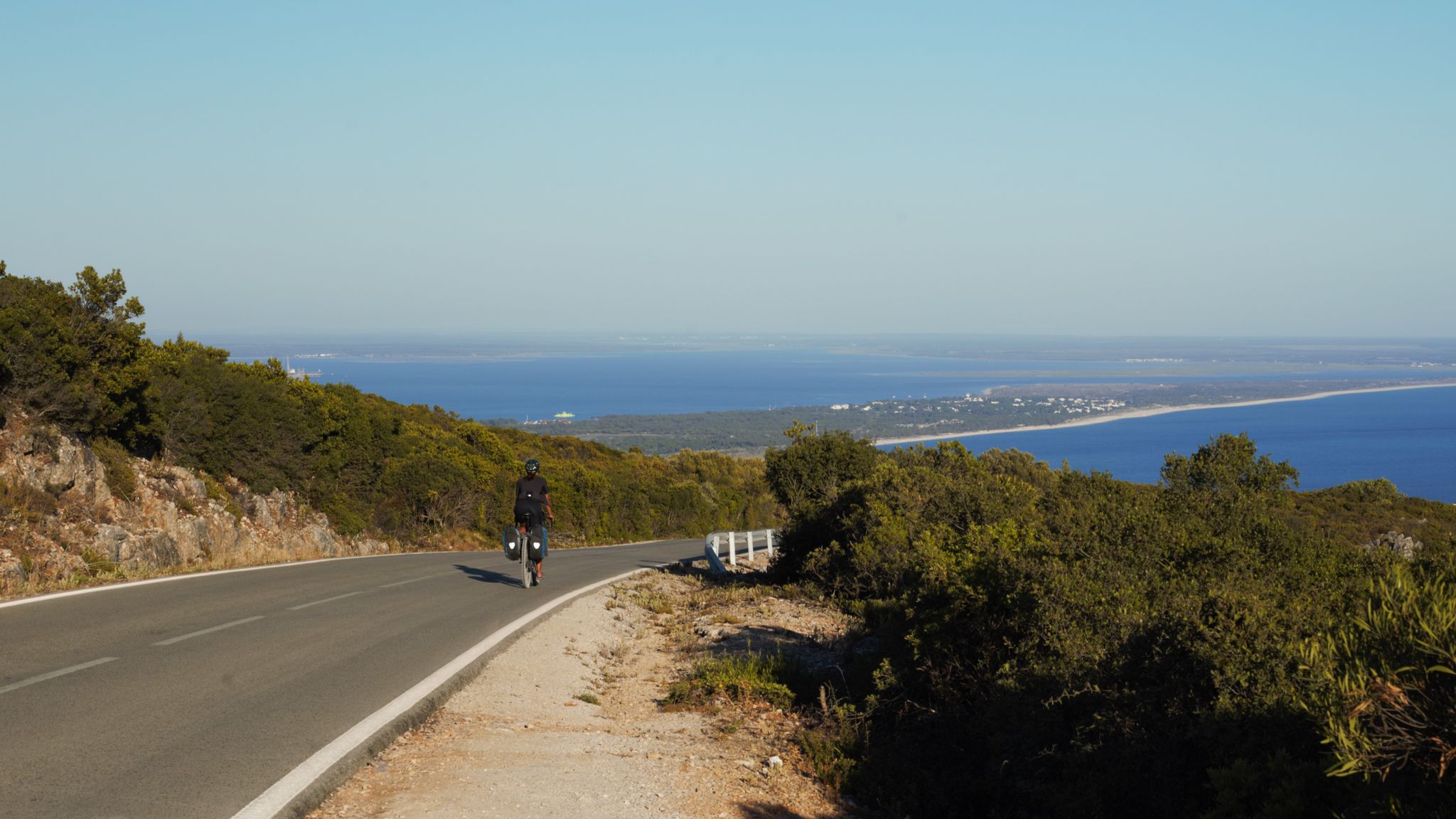
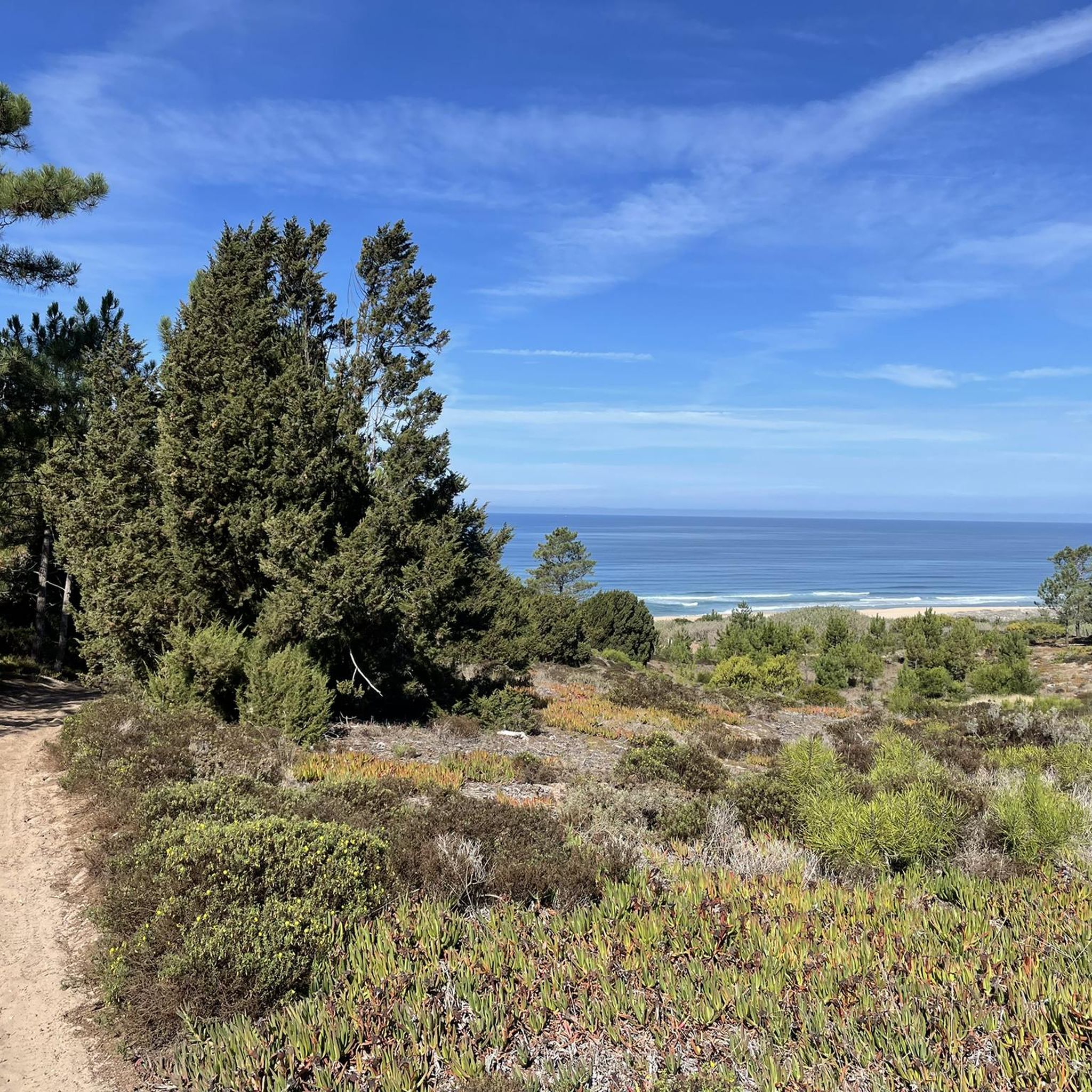
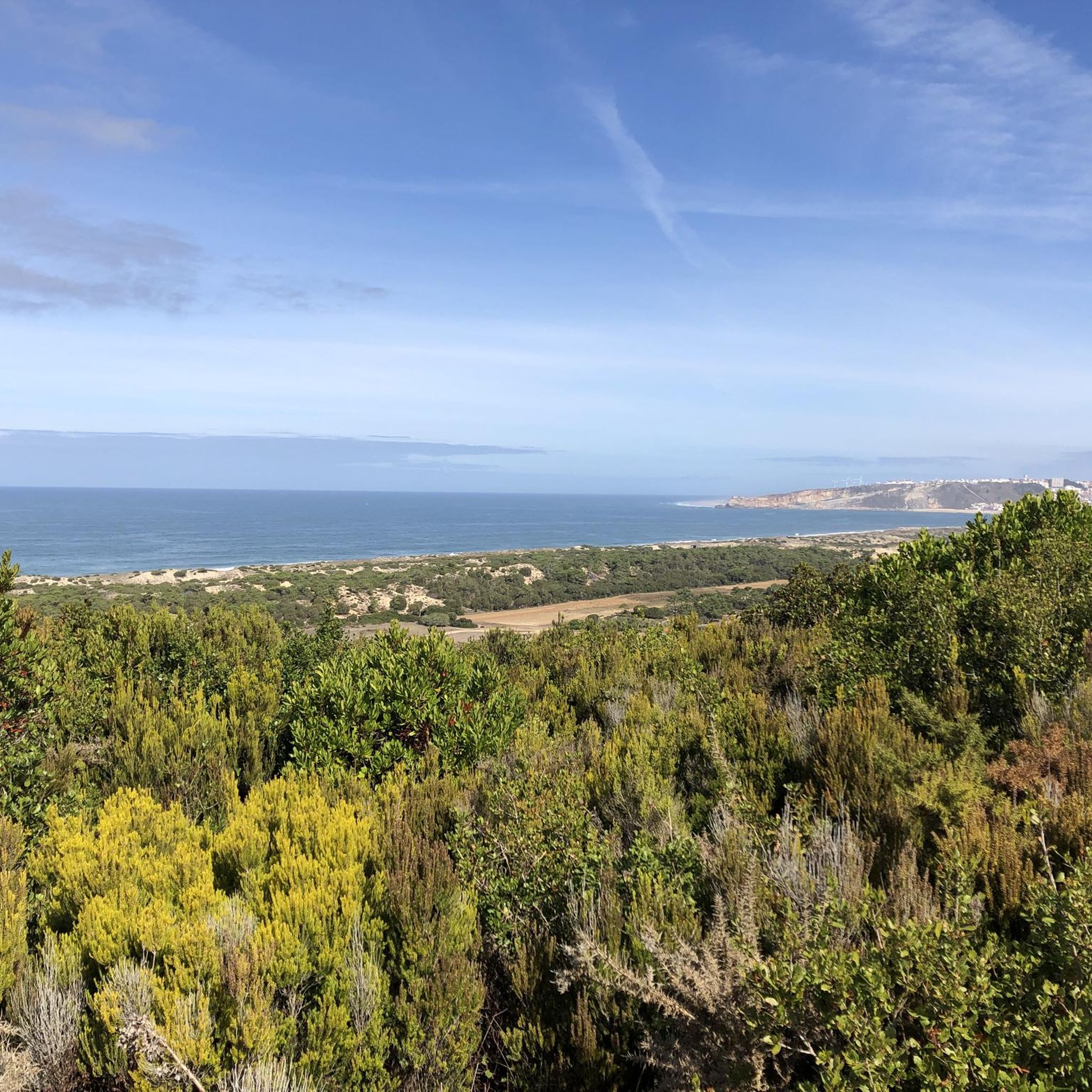
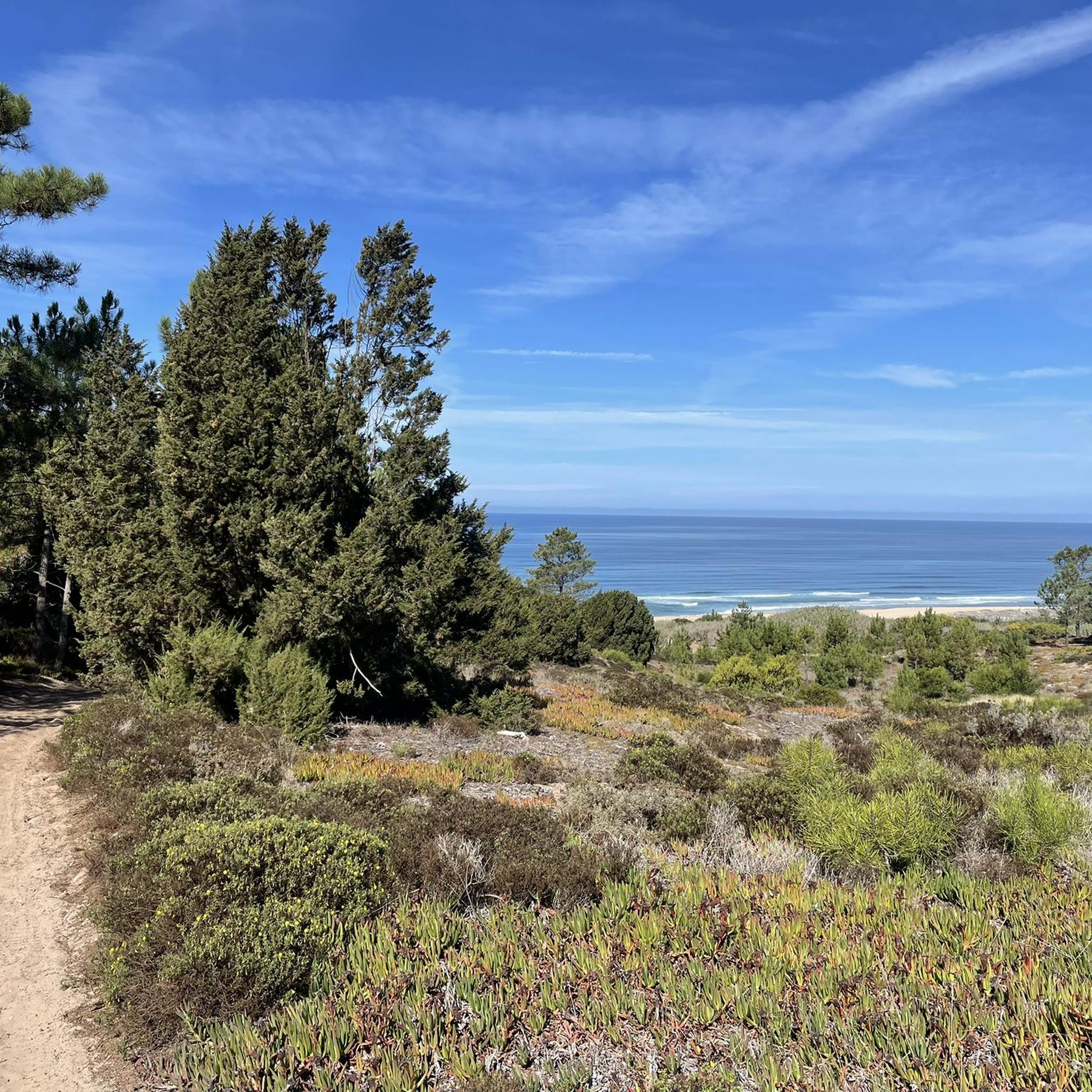
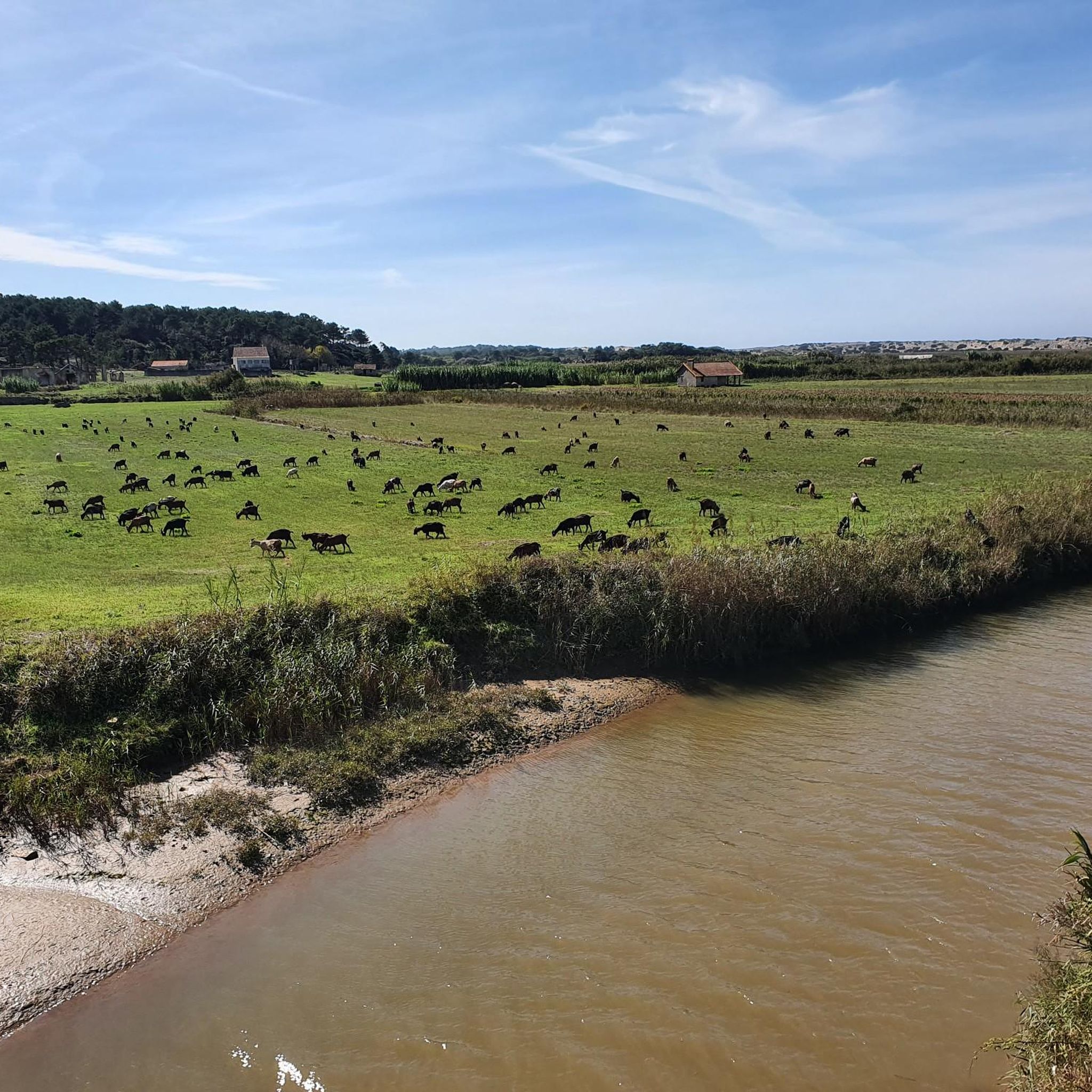
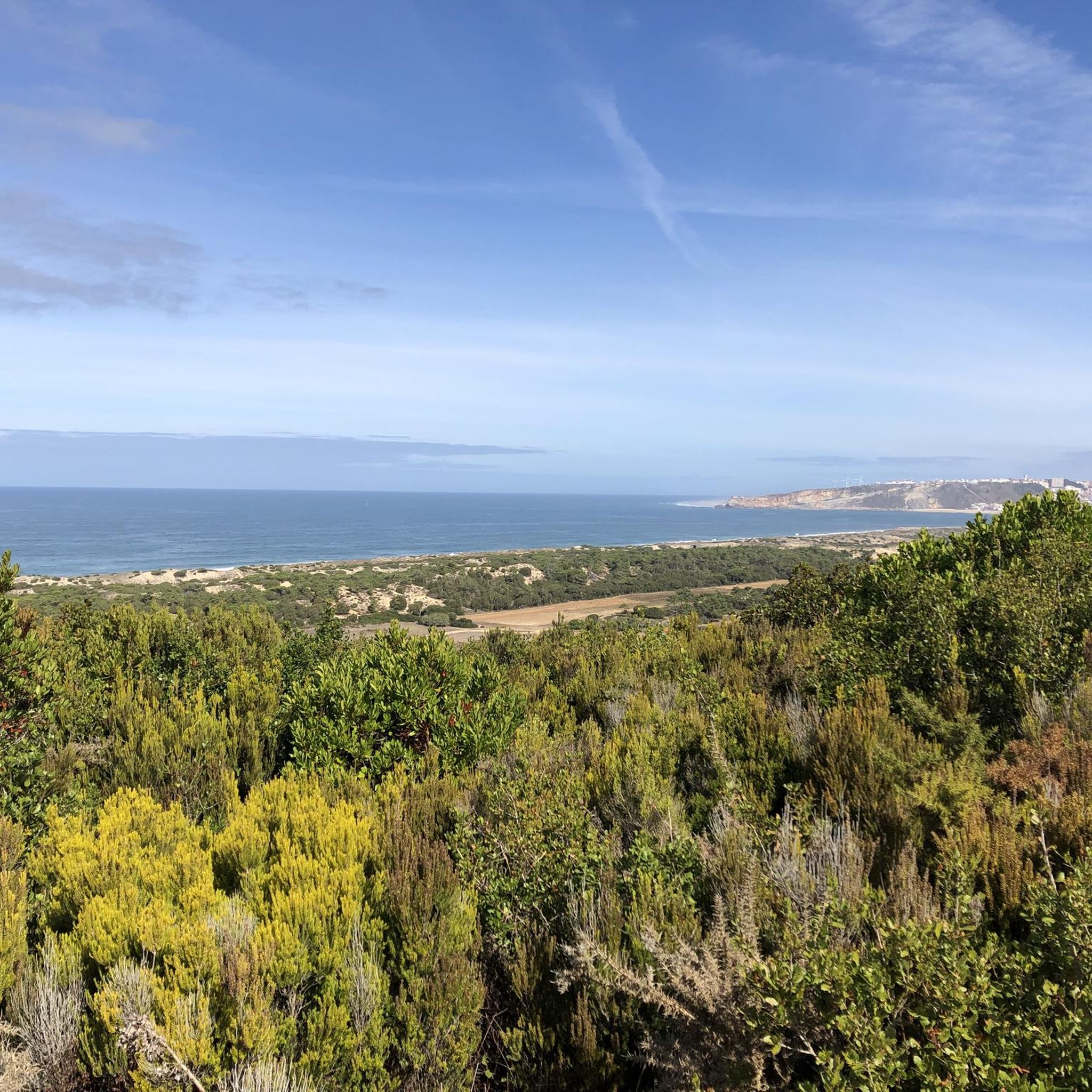



コミュニティからのヒント

ナザレ(Nazaré)は、同名の都市ナザレ(Nazaré)に加えて、ポルトガルのサーフスポットも意味します。適切な条件が揃えば、ここで割れる波は世界で最も大きいサーフィン可能な波の一つに数えられます。
2
0

Opening Hours: The sanctuary is open every day, generally from 9 am to 6 pm. It is a place of worship, therefore masses are also held regularly. Price: Entry to the sanctuary is free. Accessibility: It has wheelchair accessible parking. How to Get There: Access to the site can be made by car or by the Nazaré Elevator (funicular), which connects the beach to the upper part of the city and provides a scenic route.
2
0
The Legend: The story of the image is told through the paintings in the church and sacristy, which allude to the miracle that occurred near the cliff. Location: The sanctuary is next to the famous Miradouro do Sítio da Nazaré (or Suberco), which offers a fantastic view of the beach and the village of Nazaré.
2
0
Architecture and History: The church was built on the site where, according to legend, the Virgin Mary saved the knight D. Fuas Roupinho from falling off the cliff. The facade has inscriptions in Latin, including "Deiparae Virgini a Nazareth" ("Virgin of Nazareth, Mother of God"). The interior houses the Sacred Image of the Black Virgin, carved in wood and which, according to tradition, was brought to the site in the year 711.
2
0
The Sanctuary of Our Lady of Nazaré is located in Sítio da Nazaré, the upper part of the town of Nazaré, in Portugal. It is a place of great religious and historical importance, intimately linked to the legend that gave rise to the devotion to Our Lady of Nazaré.
2
0

From the chapter house on the ground floor, a staircase leads up to the dormitory. This staircase was rediscovered during renovations beginning in 1930. Located on the first floor, the dormitory extends 66.5 meters in length and 21.5 to 17.5 meters in width along the entire east side of the medieval part of the abbey, thus covering an area of almost 1,300 square meters. In its current form, restored through renovation, it presents itself in its original medieval state. At the southern end, the dormitory opens with a large round-arched doorway to the northern transept of the church. A staircase formerly led down from there, as the Cistercian rule required two separate entrances to the communal sleeping quarters. At the northern end of the dormitory were the latrines, which—again according to a general rule of the order—had to be separated from the sleeping quarters by a separate room. The wastewater flowed into the abbey's garden on the north side. The monks slept together in the dormitory, fully clothed, separated from their neighbors only by a movable partition. The abbot alone had his own cell, located on the south side facing the church. This arrangement is typical of most Cistercian monasteries of this period. A narrow door in the center of the western side leads to a narrow spiral staircase, which today provides access to the kitchen, but in the Middle Ages led to the calefactory (warming room, see below). This staircase also provided access to the upper cloister. https://de.wikipedia.org/wiki/Kloster_Alcoba%C3%A7a
2
0
The entrance to the chapter house features a particularly striking facade with staggered columns. The chapter house served as the meeting place for the monks and was, after the church, the most important room in the monastery. It bears this name because the chapters of the Rule of St. Benedict were read aloud there daily. Elections and similar communal ceremonies of the monks also took place there. In the entrance area to the chapter house is the gravestone of an abbot whose identity is no longer known. The floor of the chapter house was formerly completely covered with such gravestones, as a Cistercian rule from 1180 stipulated that abbots had to be buried in the chapter house, meaning that the monks made their decisions on the graves of their deceased abbots. This type of burial was a significant exception to the general Cistercian rule, which forbade the burial of monks within the monastery. That's why you'll find a door leading south in the southern transept called the Porta da Morte (Door of Death), because deceased monks were carried out through it for burial. https://de.wikipedia.org/wiki/Kloster_Alcoba%C3%A7a
1
0
To the west of the new kitchen lies the refectory, the dining hall for the monks, a three-aisled hall measuring approximately 620 square meters (29 x 21.5 meters). Above its entrance, in medieval Latin, is the difficult-to-interpret inscription: "respicte quia peccata populi comeditis," meaning: "Remember that you are eating the sins of the people." The room impresses with its beautiful proportions. It has windows facing north and east, overlooking the new kitchen. On the west side, a stone staircase leads to the pulpit of the lector, who read from monastic texts during meals. The monks sat facing the walls and ate their meals in silence. The abbot sat with his back to the north wall, observing the proceedings. At the southern end of the west side, the refectory opens into the former medieval kitchen, now a side room leading to the cloister of the Cathedral of Afonso VI. A few meters further along, another opening can be found in the same wall, two meters high and 32 cm wide. It leads to the aforementioned side room, and there is no scientifically sound explanation for it. A long-standing legend claims that this opening served to monitor the monks' weight. They were supposed to pass through this door once a month, which is only possible by leaning sideways. If they were too heavy, they were put on a diet. The damage caused by the conversion of the refectory into a theater in 1840 (with 301 seats, 120 of which were in the galleries, and 5 boxes) was largely repaired during the restoration. https://de.wikipedia.org/wiki/Kloster_Alcoba%C3%A7a
1
0
ナザレでのの人気観光スポット

komootモバイルアプリでインスピレーションを得よう


さらに探索
まだ探しているハイライトが見つかりませんか?他の地域のトップアトラクションのガイドを見てみましょう:
