ミドルウェザーのおすすめランニングルート
4.4
(298)
3,588
ランナー
463
ランニング
ミドルウェザーでランニングを楽しめば、このエリアをより深く知ることができます。ランニングに適した美しいルートが見つかるように、komootがミドルウェザーでのルートのコレクション全体を評価して選び抜いた、人気ランニングトレイルをご紹介します。ルートをクリックして詳細を表示し、他のユーザーがアップロードした役立つ情報や写真を閲覧しましょう。
最終更新日: 10月 14, 2026
3.0
(1)
171
ランナー
6.60km
00:43
20m
20m
中程度のジョギング. ある程度のフィットネスレベルが必要です。 全般的に舗装された状態です。あらゆるスキルレベルに適しています。
3.2
(5)
65
ランナー
6.33km
00:43
10m
10m
中程度のジョギング. ある程度のフィットネスレベルが必要です。 全般的に舗装された状態です。あらゆるスキルレベルに適しています。

72
ランナー
6.46km
00:43
10m
10m
中程度のジョギング. ある程度のフィットネスレベルが必要です。 全般的に舗装された状態です。あらゆるスキルレベルに適しています。
59
ランナー
6.21km
00:38
20m
20m
中程度のジョギング. ある程度のフィットネスレベルが必要です。 全般的に舗装された状態です。あらゆるスキルレベルに適しています。
5.0
(2)
45
ランナー
12.3km
01:22
30m
30m
中程度のジョギング. ある程度のフィットネスレベルが必要です。 全般的に舗装された状態です。あらゆるスキルレベルに適しています。
45
ランナー
6.70km
00:43
10m
10m
中程度のジョギング. ある程度のフィットネスレベルが必要です。 全般的に舗装された状態です。あらゆるスキルレベルに適しています。
5.0
(7)
44
ランナー
中程度のジョギング. ある程度のフィットネスレベルが必要です。 全般的に舗装された状態です。あらゆるスキルレベルに適しています。
4.3
(4)
33
ランナー
10.7km
01:09
30m
30m
中程度のジョギング. ある程度のフィットネスレベルが必要です。 全般的に舗装された状態です。あらゆるスキルレベルに適しています。
4.8
(4)
36
ランナー
6.09km
00:40
30m
30m
中程度のジョギング. ある程度のフィットネスレベルが必要です。 全般的に舗装された状態です。あらゆるスキルレベルに適しています。
4.3
(3)
54
ランナー
中程度のジョギング. ある程度のフィットネスレベルが必要です。 全般的に舗装された状態です。あらゆるスキルレベルに適しています。
さらに多くのルートや他のユーザーのおすすめ情報を確認できます。
すでにアカウントをお持ちですか?
おすすめのツアーは他のkomootユーザーが実際に経験した何千ものアクティビティに基づいています。
無料アカウントで今日から始めよう
次の冒険が待っています。
ミドルウェザー周辺で人気
ニーンブルク/ヴェーザーのランニングコース
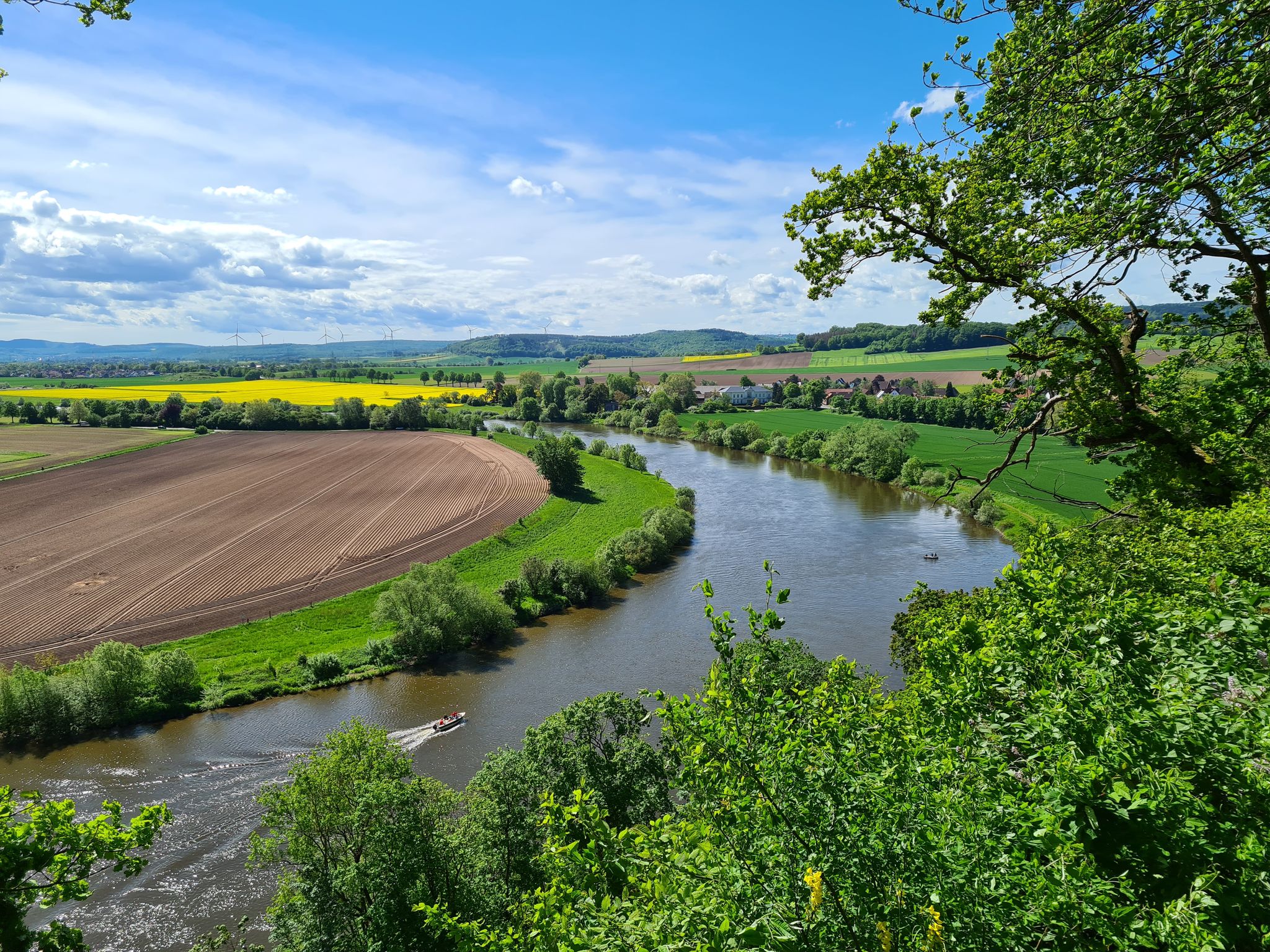
ロクム=フォルケンローダの巡礼路を、寺院から寺院へ
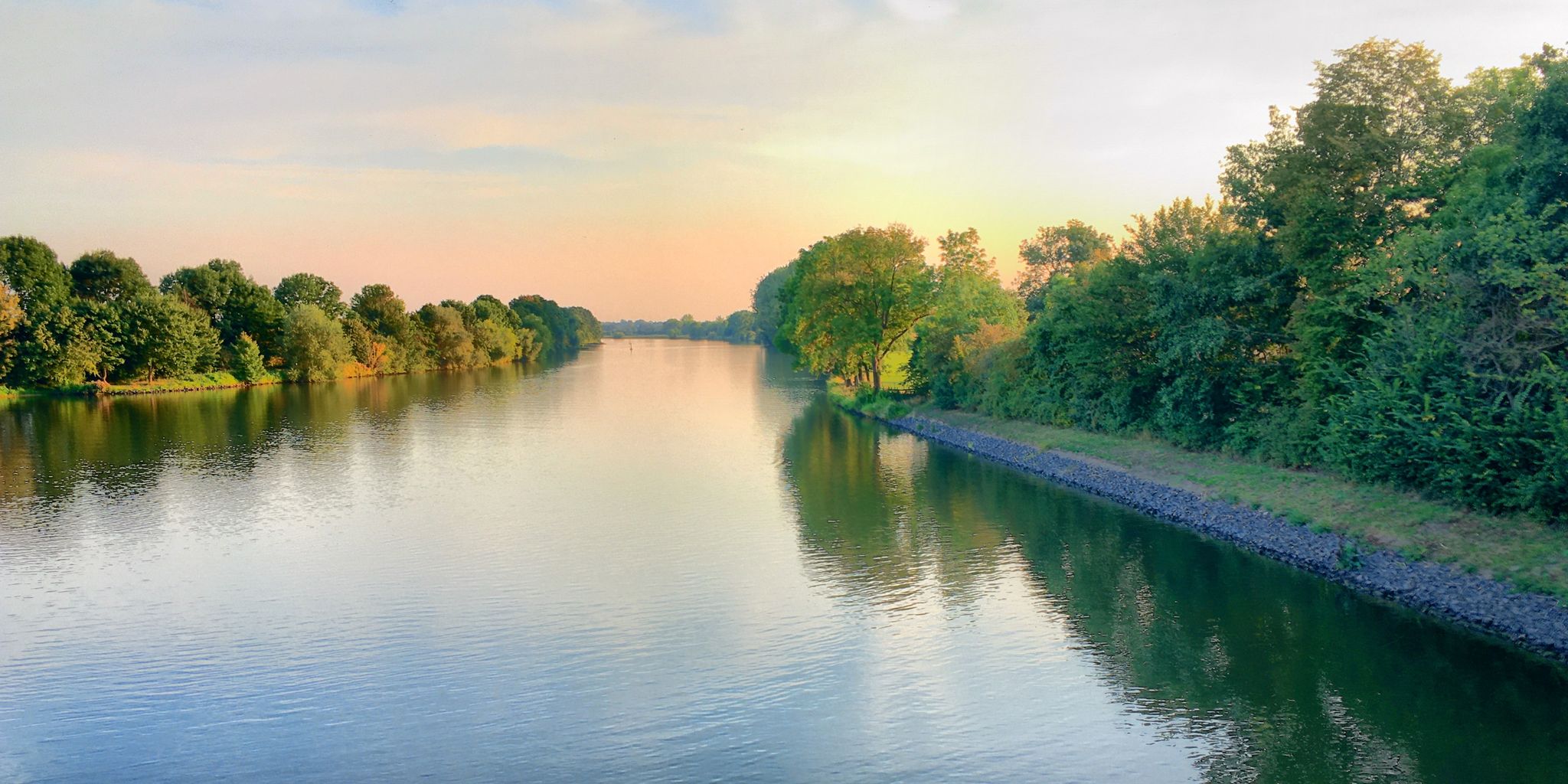
フラッドプレーン、ダイクと旧市街 — ドイツのヴェーザー・トレイルでの8日間
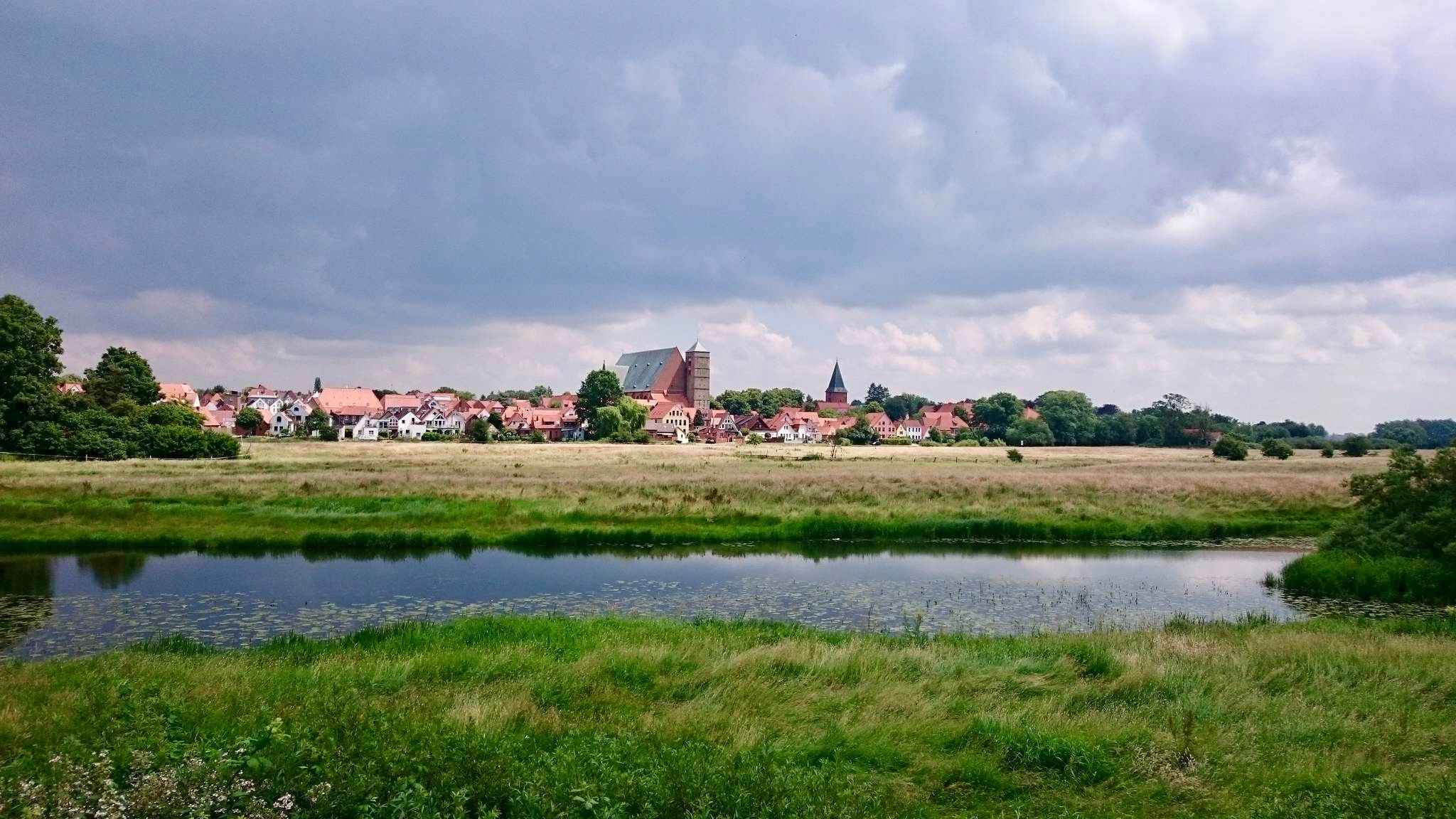
ウェーザーサイクルパス
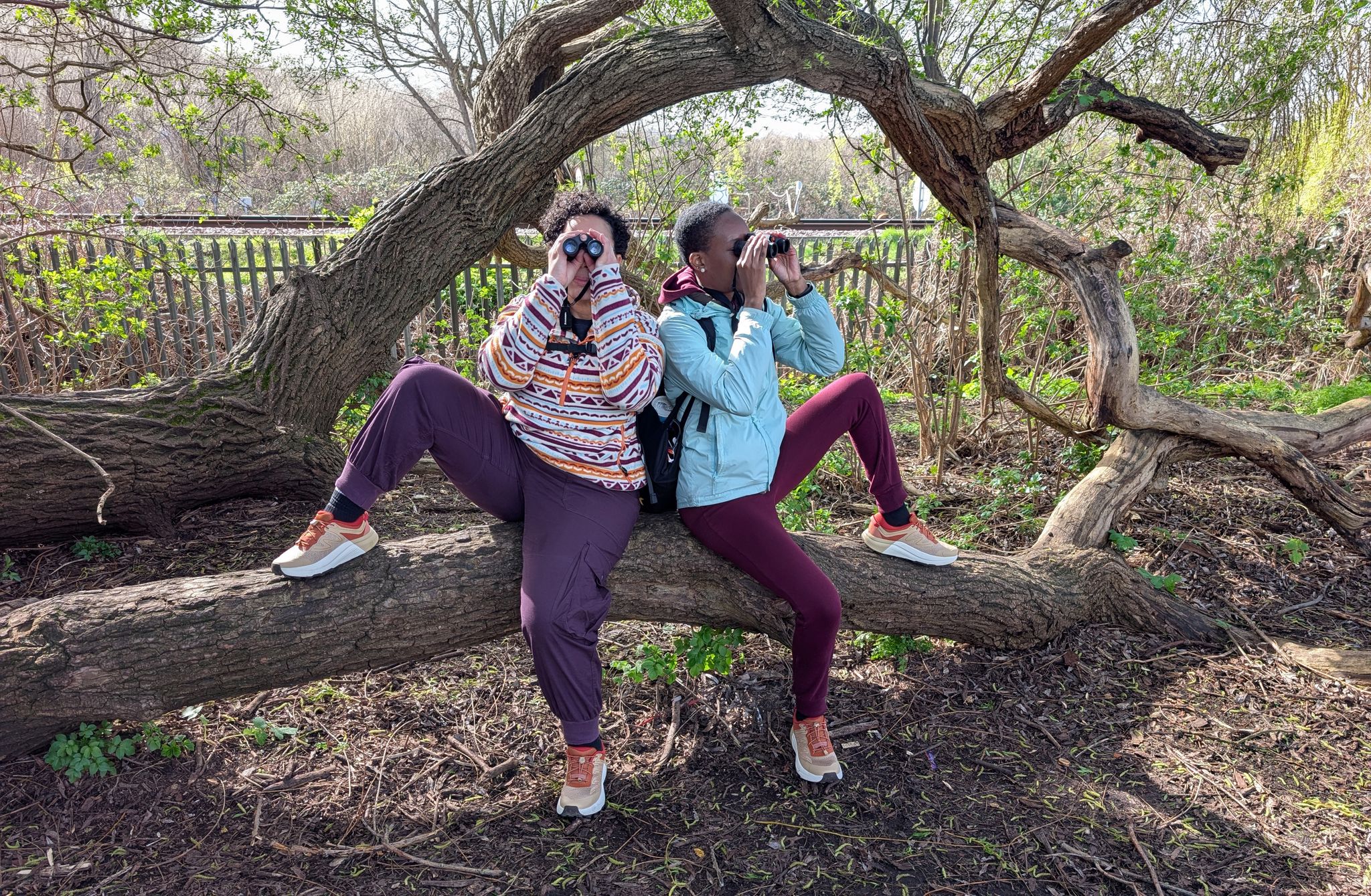
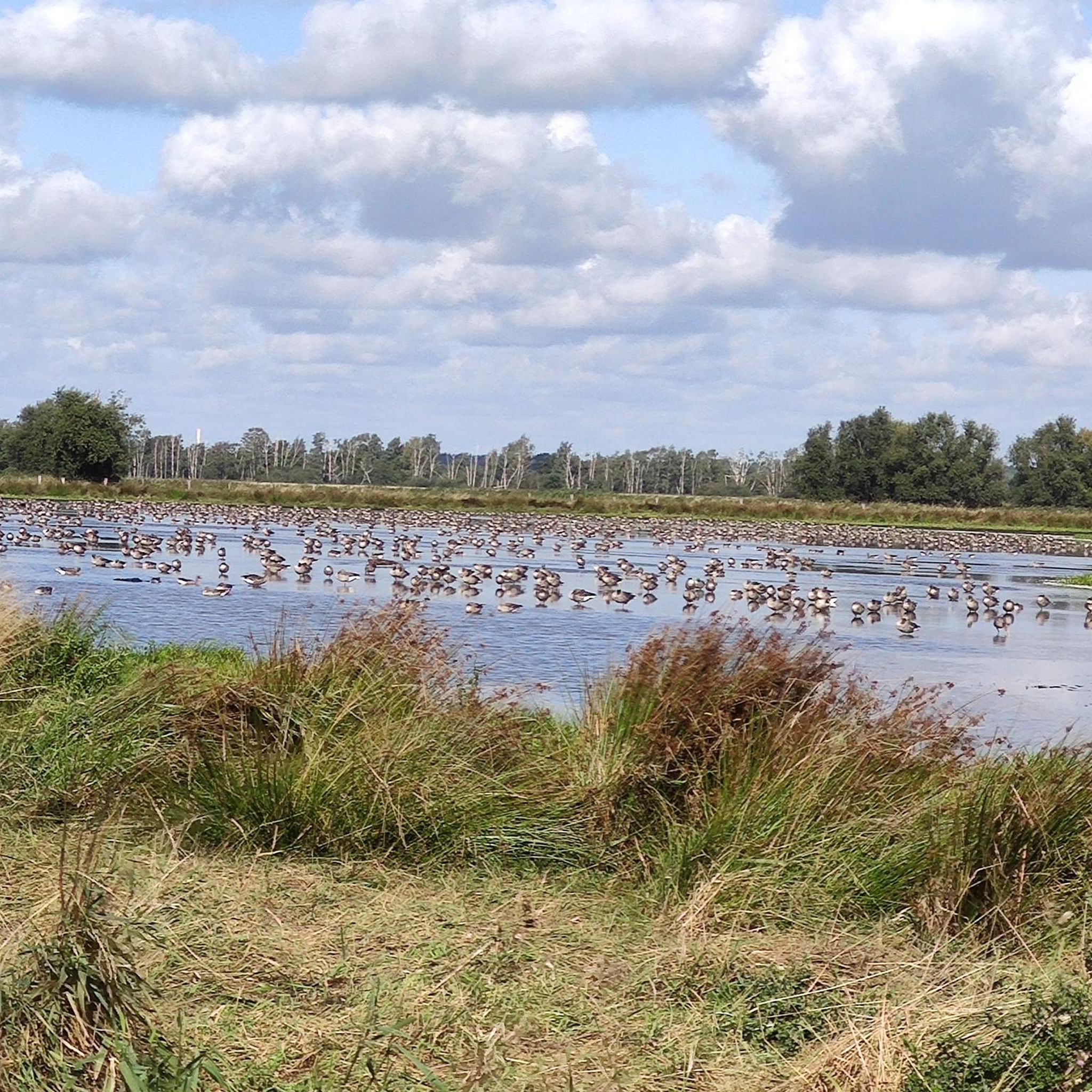
Europe’s Seasonal Birding Hotspots
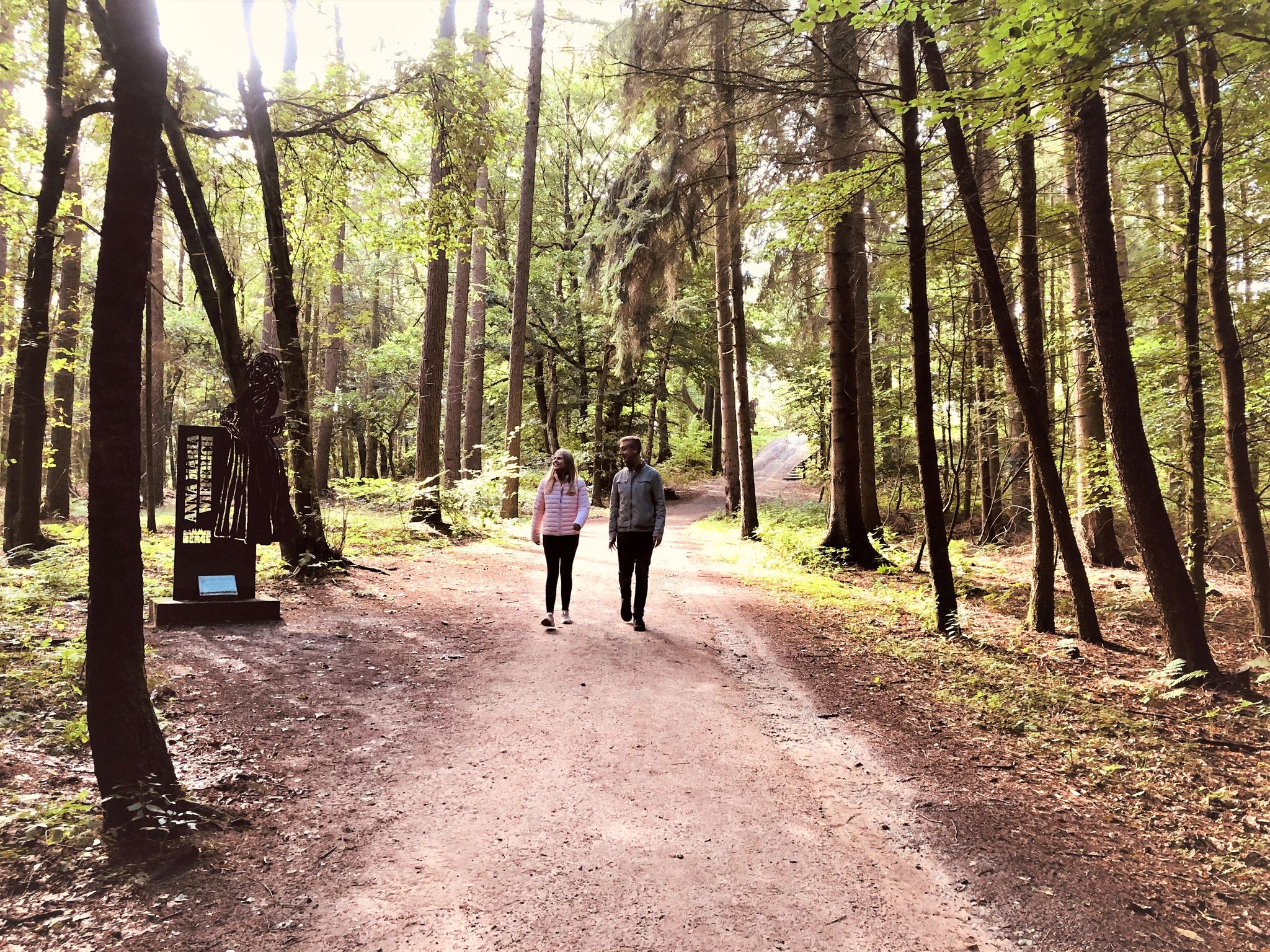
The most beautiful hiking routes in DümmerWeserLand
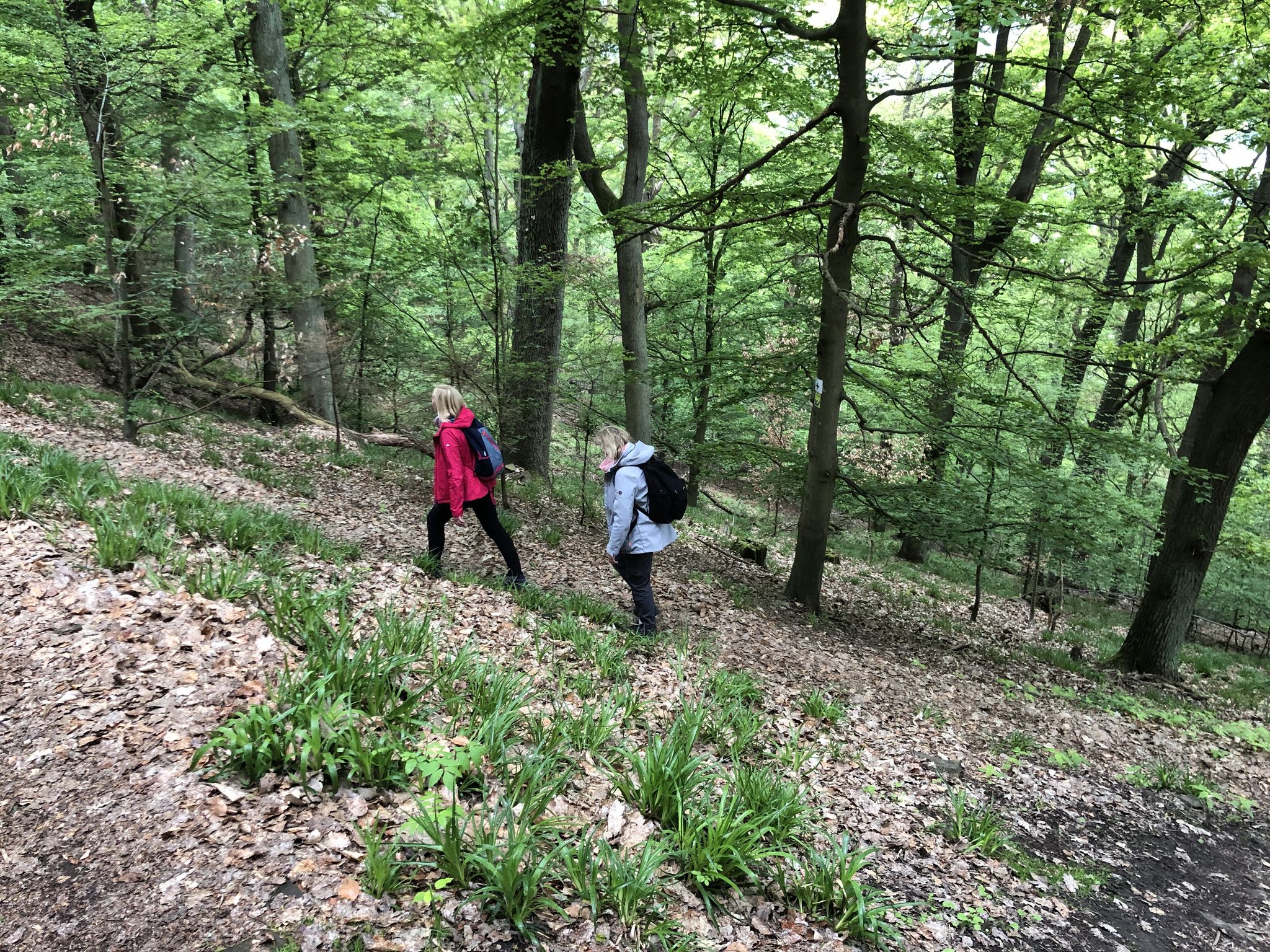
On the Discoverer's trail Explore Rehburg-Loccum
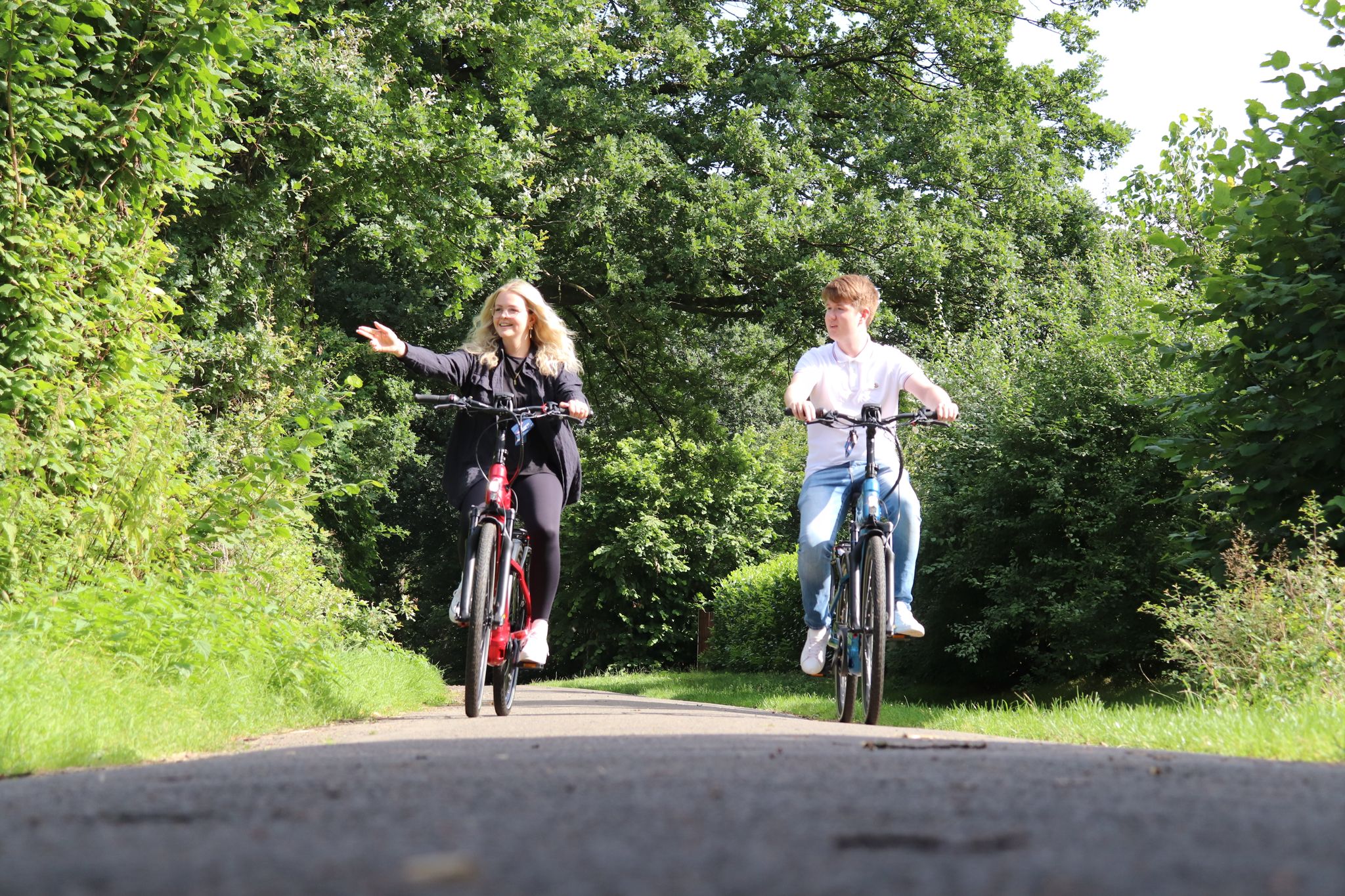
Best Loops in the DümmerWeserLand Cycling Region
ヴェーザー沿いに海まで – ヴェーザー自転車道代替ルート
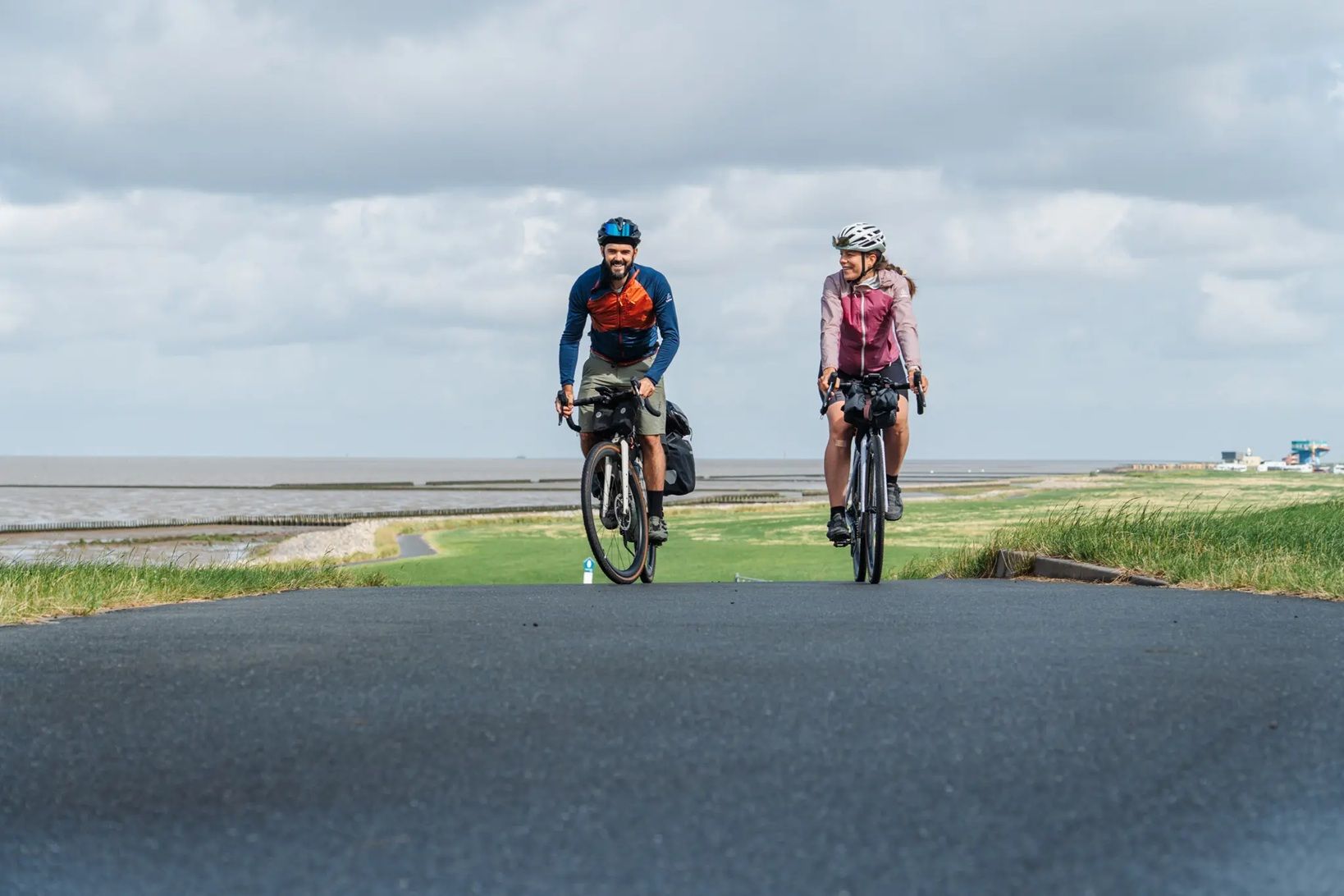
On the Weser Cycle Route – from the Weser Uplands to the North Sea
ミドルウェザーでのの他の冒険


コミュニティからのヒント

ニーンブルクで最も古い家は、クライネ・キルヒ通り2番地にあり、聖マルティン教会に隣接しています。約1490年から1500年に建てられ、教会の周辺の基本的な建造物の一部です。
2
0

ロッキュム修道院の森にある池は、歴史的な修道院の景観の一部であり、ロッキュム修道院の近くにある森林地帯であるロッキュム修道院の森にあります。これらの池は、中世に造られ、修道院複合施設に役立った堀、運河、池、小川のシステムの一部です。それらは景観を形作り、これらの神秘的で魔法のような場所へと続く「小さな修道院の景観の小道」の一部となっています。
0
0

Remnants of a fortress moat between the Weser and Aue rivers. The town was built on flood-protected dune terrain in the triangle between the Weser and Aue. To protect against attacks, a moat was dug from the Weser to the Aue, so that the town was completely surrounded by water. After the fortress was dismantled during the French occupation in 1808, the moat was gradually filled in. The Albert Schweitzer School, formerly a Latin school and now home to one of Nienburg's two grammar schools, stands on the site of the remaining section of the fortifications.
1
0
The house was named after its builder, Emanuel Bruno Quaet-Faslem, and houses the collection on classicism in Nienburg. It is also used for a wide variety of events.
1
0
The former manor house served as a royal post station on the Hanover-London route until 1860. It housed, among other things, the Elector's and later the Royal Hanoverian Post Office, including a postmaster's office, post station, and horse-changing station. Since its restoration in 1977, it has housed the city library. The carillon mounted on the side plays the song "The Little Nienburg Girl" several times a day.
1
0
Nienburg's oldest house stands at Kleine Kirchstraße 2, right next to St. Martin's Church. It was built around 1490-1500 and is part of the original development surrounding the church. Its slightly crooked appearance is not without reason, as naturally grown oak beams had to be used for economic reasons at the time, and so the inhabitants quite naturally lived on a sloping floor. This is still visible from the outside today, as the house's basic structure has been preserved. Also, almost nothing has changed in the surrounding area. The unique location next to the chancel of St. Martin's Church prevented any alterations. In and around the house, one can easily imagine oneself transported back to a time over 500 years ago. At that time, castles were being replaced by urban fortresses, and Nienburg became the strongest fortress in the Middle Weser region. It was the time of Copernicus, Columbus, Riemenschneider, Dürer, and Leonardo da Vinci, who was competing with Michelangelo in Italy and had just completed what is now the world's most famous painting, the Mona Lisa. Humanity still believed it lived on a flat surface and could only feel somewhat safe behind fortress walls. Source: https://www.pension-st-martin.de/Wie-alles-begann
1
0
The glacial erratics from Småland in Nienburg/Weser are impressive relics of a natural history dating back tens of thousands of years. These large, often smoothly polished boulders originally came from the southern Swedish region of Småland and were transported to northern Germany by mighty glaciers during the last Ice Age. As the ice sheet slowly moved south, it tore rocks from the Scandinavian bedrock and carried them over long distances. When the ice melted, these so-called erratics were left behind in the landscape – far from their place of origin. Such glacial erratics, which can be geologically clearly attributed to Sweden, can also be found in Nienburg. Their composition, such as granite or gneiss, as well as characteristic structures, allow conclusions to be drawn about their Småland origin. They thus vividly illustrate the immense forces of the Ice Age and demonstrate how profoundly glaciers shaped the landscape we see today. The glacial erratics are silent witnesses to history, forging a connection between the Nienburg region and Scandinavia. Beyond their geological significance, these erratics also play a cultural and design role. In Nienburg, they are deliberately used as striking elements in the cityscape and green spaces, serving simultaneously as a starting point for environmental education and the preservation of historical memory.
1
0
The Ros Beiaard statue in Nienburg/Weser is a striking work of art in the public space and a special symbol of the city's connection to history, myth, and European culture. The sculpture depicts the legendary Ross Beiaard, a figure from the medieval heroic sagas of the Four Sons of Aymon, best known through the famous "Ros Beiaard" festival in the Belgian city of Dendermonde. Ros Beiaard, also called Ross Bayard, is a legendary horse from the medieval cycle of sagas about the Four Sons of Aymon and is one of the most famous mythical figures in European heroic literature. The legend originates in the Old French epic, in which Ros Beiaard is described as an exceptionally strong, intelligent, and almost magical horse. It carries the four brothers—Reinout and his companions—on its back at once and helps them escape from Emperor Charlemagne. Thus, Ros Beiaard represents not only physical strength but also loyalty, courage, and resistance against overwhelming odds. As the legend unfolds, the horse becomes a tragic figure. Charlemagne recognizes the animal's extraordinary power and ultimately demands its death as a condition for reconciliation with the brothers. Ros Beiaard is bound and thrown into a river, but depending on the version of the tale, it either survives or escapes its fate. These differing endings have contributed to the horse's enduring symbolism of resilience and freedom.
1
0
ミドルウェザーでのの人気観光スポット

komootモバイルアプリでインスピレーションを得よう


探していたものは見つかりませんでしたか?
ミドルウェザーの下にある他のランニングトレイル & ルートをチェックして、目的地で完璧なルートを見つけましょう。
さらに探索
他の地域の最高のランニングトレイル & ルートを見てみましょう。
