シェリー周辺のアトラクション&必見スポット - トップ20
シェリーには必見のスポットがたくさんあります。ハイキング愛好家やサイクリング愛好家の方は、ぜひシェリーを探索してこのエリアにある20
の隠れたスポットを訪れてみてください。このエリアの必見スポットを確認し、次の冒険に出かける計画を立てましょう。
最終更新日: 8月 30, 2026
ウィリー・ロットのコテージ
ハイライト • 集落
役立つ情報 は

デドハムのセント・メアリー教会
ハイライト • 宗教的な場所
役立つ情報 は

今すぐサインアップして、こんな場所を発見しよう
最高のシングルトラック、ピーク、その他のエキサイティングなアウトドアスポットのおすすめを受け取ろう。
無料新規登録
フラットフォード・グラナリー
ハイライト • 記念碑
役立つ情報 は

マニングトリー河口
ハイライト • 自然
役立つ情報 は

セント・メアリー・ザ・ヴァージン教会(イースト・バーグホルト)
ハイライト • 宗教的な場所
It was originally designed with …
役立つ情報 は
無料でサインアップして、さらに多くの観光スポットを発見しましょう シェリーでの。
無料新規登録
すでにアカウントをお持ちですか?
無料アカウントで今日から始めよう
次の冒険が待っています。
ログインまたは登録

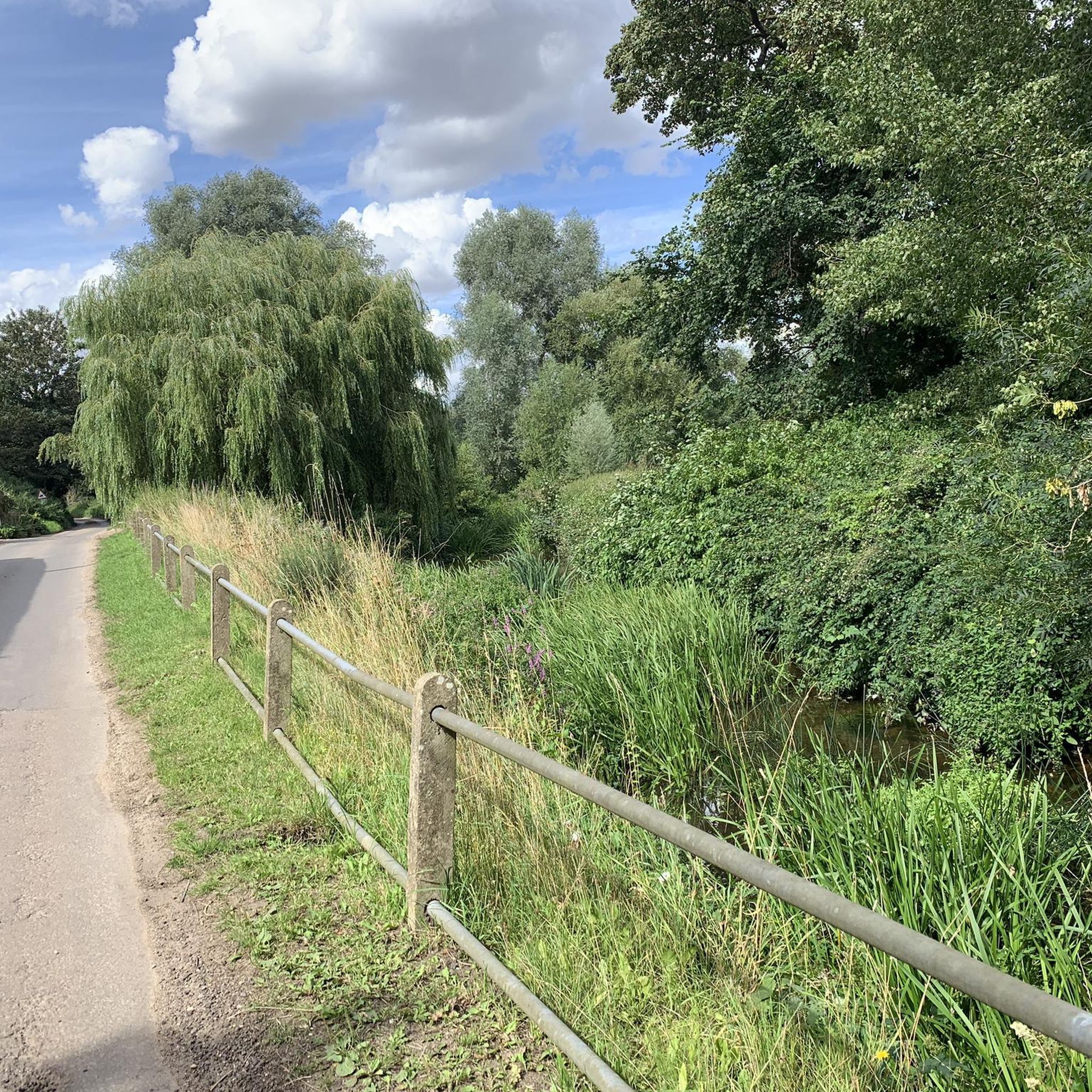
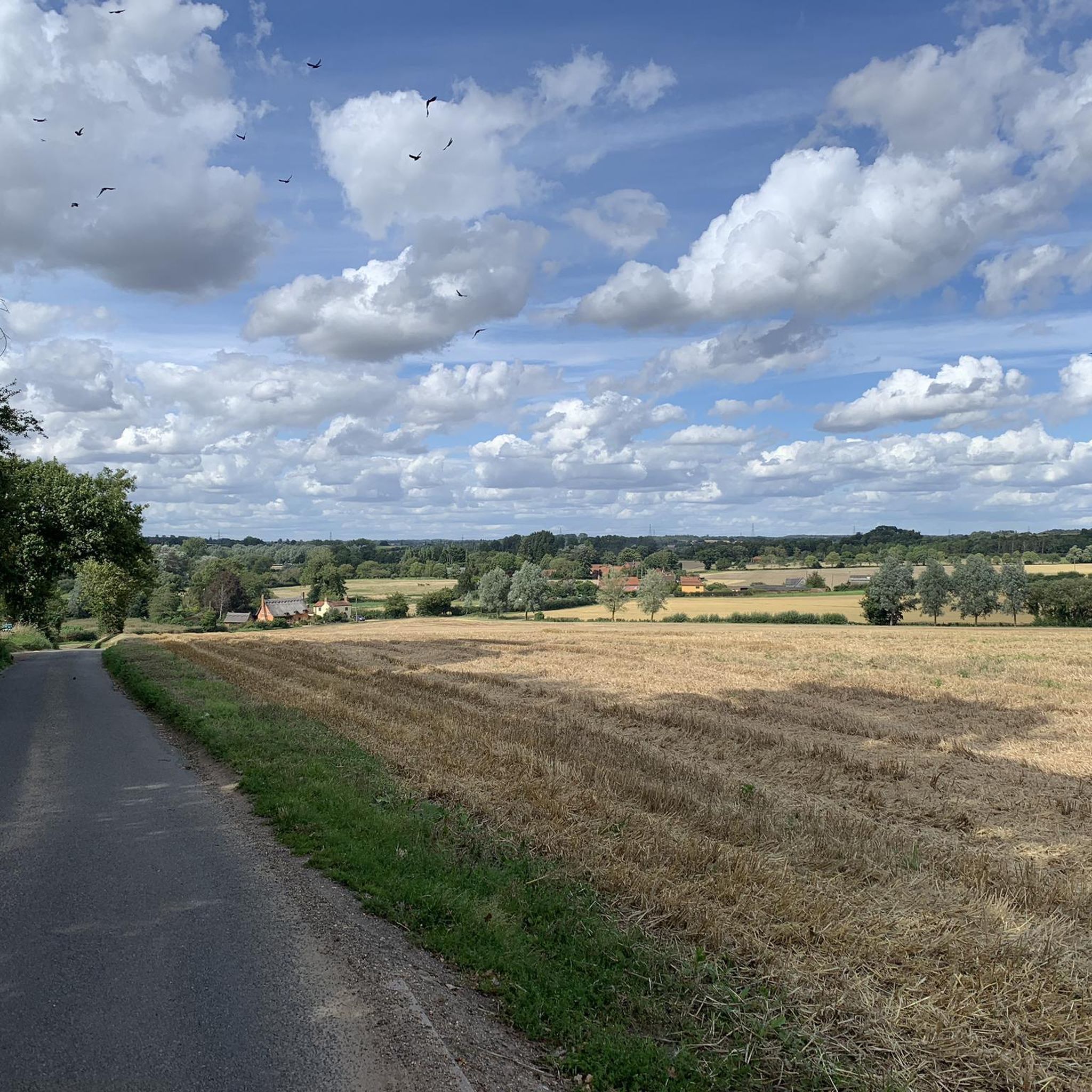
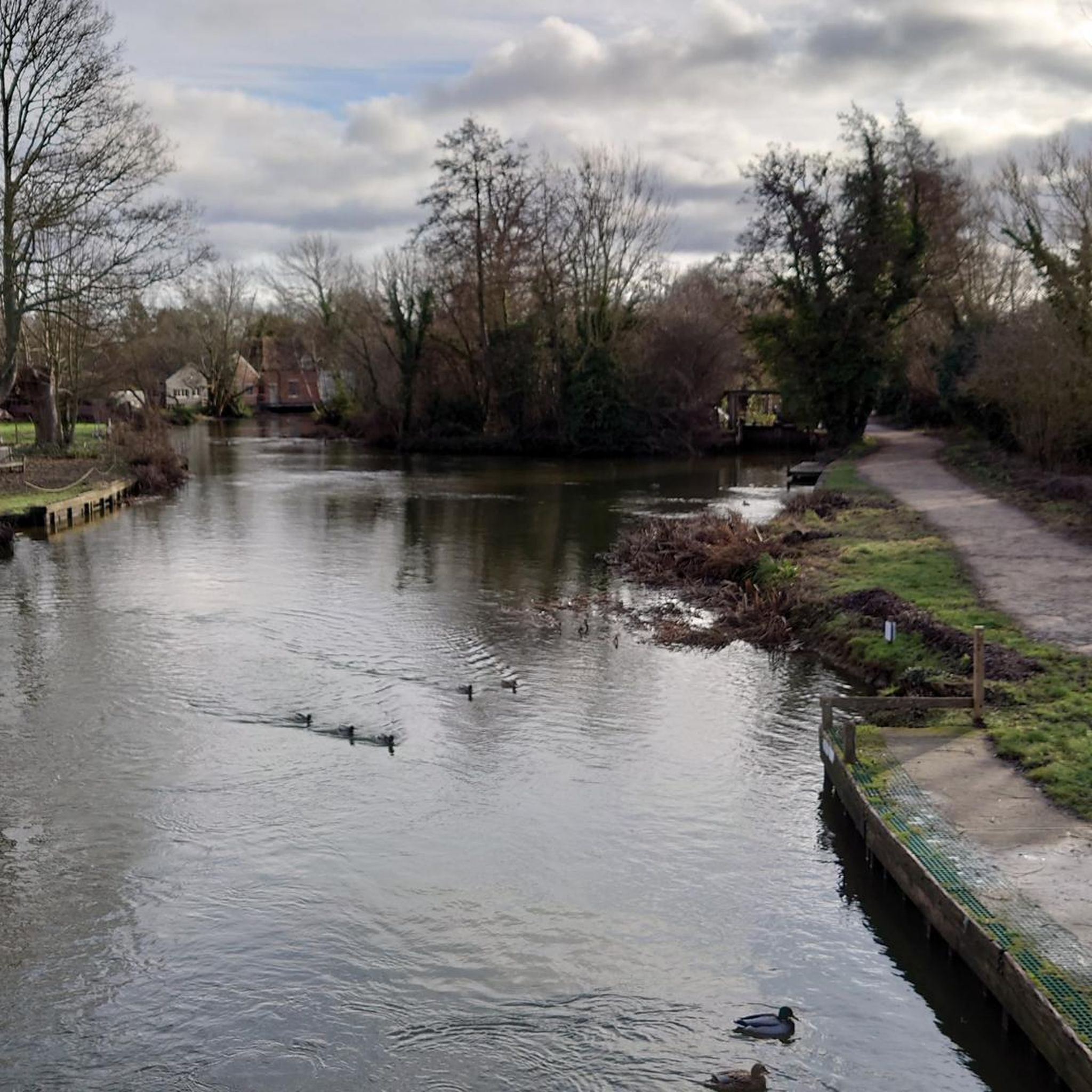
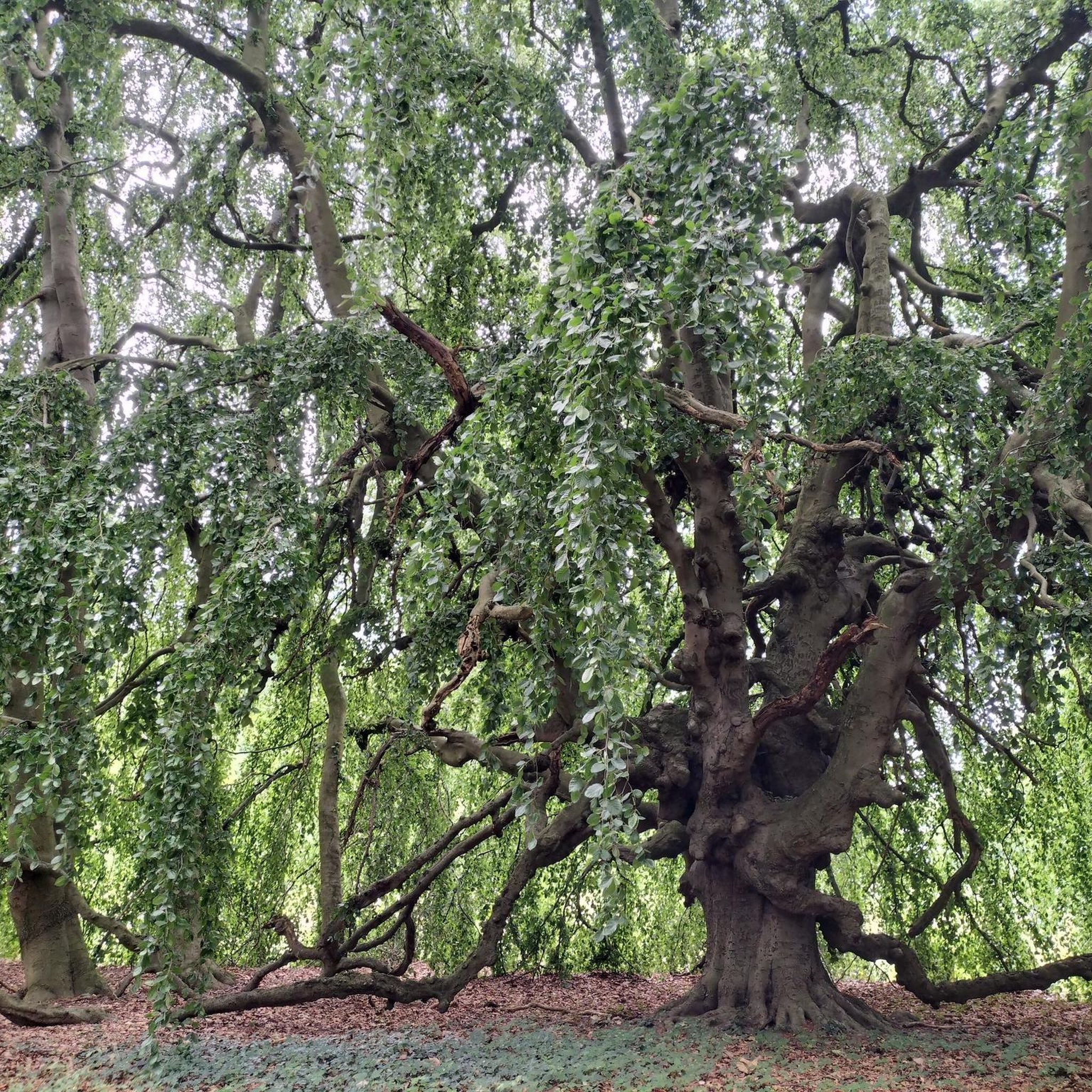
コミュニティからのヒント

This isn’t St Mary the Virgin Church, Dedham. This is St Mary the Virgin Church, East Bergholt. Well worth a visit.
0
0

A typical English church with a very old cemetery
1
0

Whilst people have been worshipping on this spot for over 1,000 years, this beautiful church was originally built somewhere around 1350, nearly 700 years ago. It was originally designed with a tower in mind, but it was never completed. Legend says that every time the builders stopped for the night, the devil tore it down. Whatever happened, the five bells, considered the heaviest in England, are now housed in a bell cage and still rung before each service.
0
0

The Flatford Granary stored grain until the 19th century when flour milling became profitable. Owned by Golding Constable, it passed to his son Abram and was eventually sold to William Bentall in 1846.
2
0

A distinctive landmark with its strange mix of assorted materials and partially ruined state.
0
0
One of the quintessential rural English scenes. A dead end on road, although there is an off-road route that connects to Manningtree if you don't mind some gravel riding.
0
0

St, Mary the Virgin Church is unusual for a number of reasons - firstly there is a foundation, but no tower. In this case not because it collapsed, but because it never got built, falling foul of the reformation, the wealth of the parish was appropriated to the Crown, and East Bergholt's tower never got built. Another unusual site is the bell cage - built as a temporary structure in 1531, it has withstood the test of time and it houses the heaviest peal of 5 in the world.
1
0

From the National Trust; 'The Granary was used to store grain until it could be processed at either the water or steam mills, a function it continued to provide until the early 19th-century. By the middle of the 18th-century it was more lucrative to mill grain into flour than to full cloth. Flatford Mill was converted into a flour mill and the Granary was used to store grain and flour. Until his death in 1816, Flatford Granary formed part of Golding Constable's (John Constable's father) milling estate. The Granary then passed to Golding's younger son Abram who sold it to William Bentall in 1846.'
3
0

komootモバイルアプリでインスピレーションを得よう


さらに探索
まだ探しているハイライトが見つかりませんか?他の地域のトップアトラクションのガイドを見てみましょう:
