リトルリバミアのおすすめウォーキング&ハイキングルート
4.5
(230)
1,842
ハイカー
131
ハイキング
リトルリバミア 周辺でおすすめのハイキングやウォーキングを楽しんでいただけるように、このエリアの小径やルートを集めたkomootコレクション全体を見直しました。 以下で各ルートの詳細をご覧になり、リトルリバミア周辺の大自然を満喫する際の参考にしてください。
最終更新日: 8月 25, 2026
5
ハイカー
7.50km
01:55
30m
30m
初級者向けハイキング. あらゆるフィットネスレベルに適しています。 進みやすいルートです。あらゆるスキルレベルに適しています。
3.5
(4)
10
ハイカー
4.57km
01:11
20m
20m
初級者向けハイキング. あらゆるフィットネスレベルに適しています。 進みやすいルートです。あらゆるスキルレベルに適しています。

無料新規登録
4.5
(4)
11
ハイカー
19.0km
04:55
110m
110m
中程度のハイキング. ある程度のフィットネスレベルが必要です。 進みやすいルートです。あらゆるスキルレベルに適しています。
3.0
(1)
11
ハイカー
3.87km
01:00
20m
20m
初級者向けハイキング. あらゆるフィットネスレベルに適しています。 進みやすいルートです。あらゆるスキルレベルに適しています。
5.0
(1)
5
ハイカー
7.64km
01:58
30m
30m
初級者向けハイキング. あらゆるフィットネスレベルに適しています。 進みやすいルートです。あらゆるスキルレベルに適しています。
さらに多くのルートや他のユーザーのおすすめ情報を確認できます。
無料新規登録
すでにアカウントをお持ちですか?
おすすめのツアーは他のkomootユーザーが実際に経験した何千ものアクティビティに基づいています。
無料アカウントで今日から始めよう
次の冒険が待っています。
ログインまたは登録

コミュニティからのヒント

The bridge is broken so only 3 km made it through
0
0

Lots of different types of terrain to learn, pay attention to some of the forest turns not all are obvious, few lift your bike over log sections, one built for short people section but fun, watch your head;-). Beware of a couple of very bust main road crossings!!! This time of year give yourself time, lights and toes and fingers need warmth. Shout out to 'Wolf Way' for the route;-)
0
0

The Pumphouse Route is one of several excellent trails that wind through the West Stow Country Park and Lackford Lakes. The route passes by the Pumphouse, a Grade II listed building that once served as a sewage works during the early to mid-20th century.
1
0


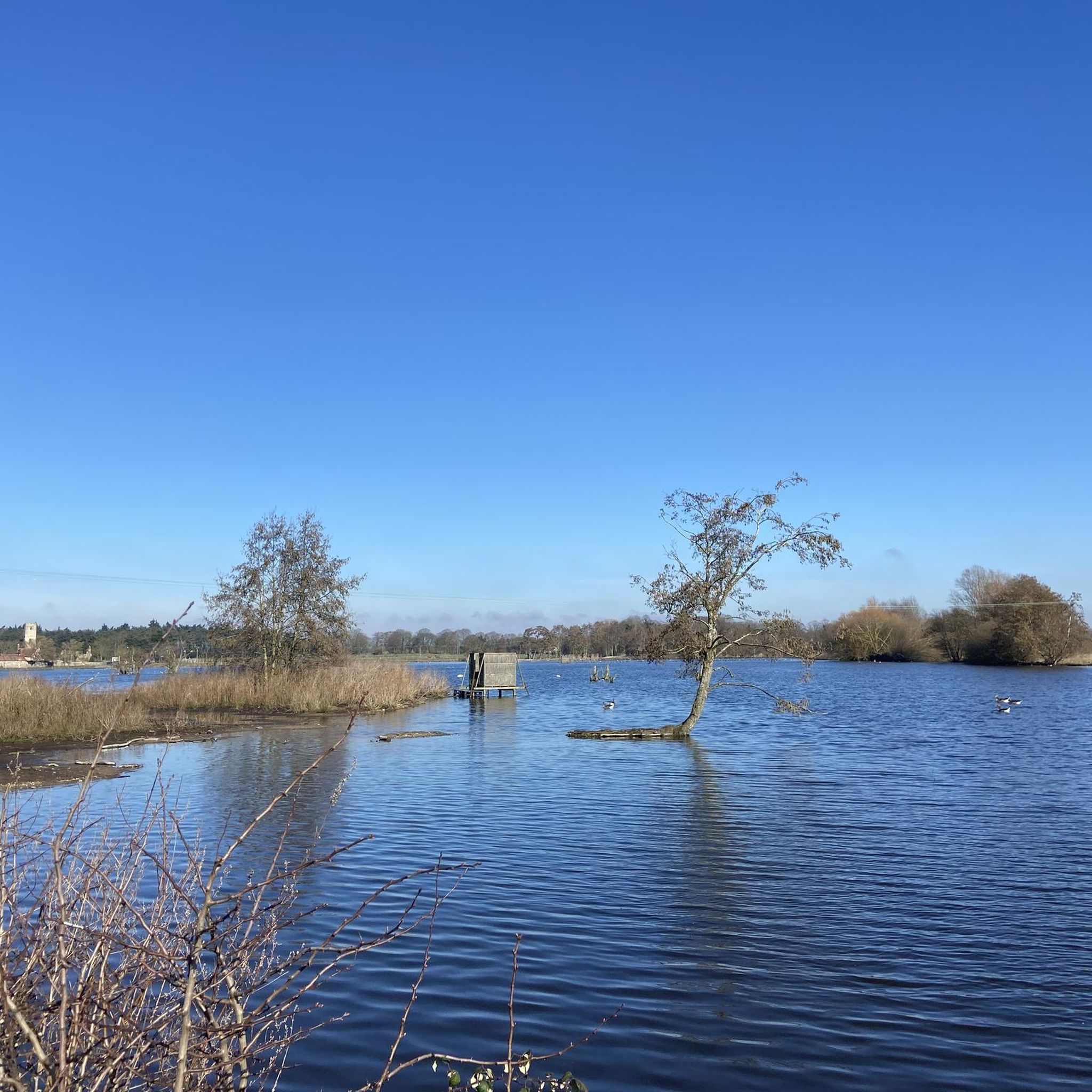
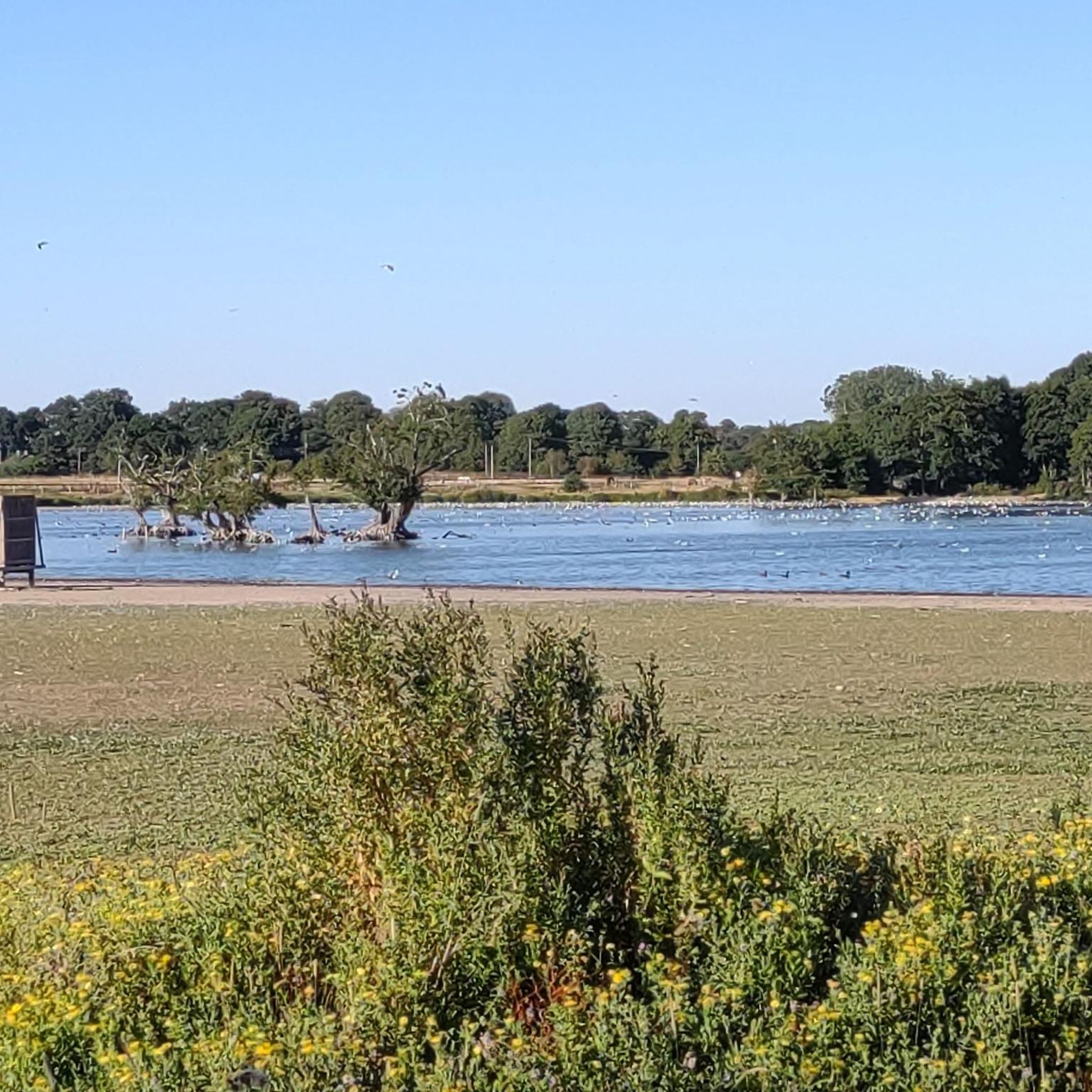
Very pleasant to encounter a large body of water during a hot day riding @ Gt Livermere lake - a bumpy off road byway, gravel farm track - lots of water birds on the lake for anyone who likes these. 🚴♂️
0
1

West Stow is more than just an outdoor museum; it's also an archaeological site, as it occupies the location of one of the earliest Anglo-Saxon villages, which was inhabited between 420 and 650 AD. Currently, there is a recreation of this village where you can engage in a variety of fun and interesting activities.
1
0

Great stop off if you are riding with children, play in the park, visit the Anglo Saxon village or stop for some lunch.
0
0

The Iron Bridge is a grade I listed early cast iron bridge crossing a tributary of the River Lark in grounds of Culford Park in the village of Culford near Bury St Edmunds, Suffolk. The bridge is of exceptional interest as one of the earliest bridges with an unmodified cast-iron structure to survive. Built for Charles Cornwallis, 2nd Marquess Cornwallis the owner of Culford Park in 1804, it is a unique example of a cast iron bridge built to the patent of Samuel Wyatt. The rib castings feature oval tubular sections and is the earliest known example with hollow ribs leading to the structure received a grade I listing on 15 May 1996. The woods to the South West of the bridge is known as Iron Bridge Carr. On 10 June 1800 Samuel Wyatt patented a new design for ...constructing bridges, warehouse, and other builds without the use of wood... which was published in the Repertory of Arts and Manufactures: Vol.14 in 1801. The patent describes how to construct a bridge using: ...hollow pieces of cast iron in a longitudinal direction and plates or pipes of the same material, having sockets on them, to receive the ends or shoulders of the said pipes, tubes, or other hollow pieces, placed transversely; and extending from one side of the bridge to the other, so that when the required number of pipes, tubes, or other hollow pieces of cast-iron, and of transverse places, or pieces, are put together they form the arch, and so firmly fix, connect, and unite, all the parts, as not to require the aid of screws, bolts, cramps, or any wrought-iron fastenings whatever; but, for the sake of giving the joins a more equal bearing, it will be proper to run lead or cement into them. The bridge at Culford follows this design with 5 cast iron voussoirs making up one segment arc which is repeated six times forming the 60 ft span connected with socketed joints. Arched plates between the ribs carry the infill up to roadway level with channelled granite abutments on either side. Masonry balustrades line the edge of the bridge 20 ft wide with carved marble urns at the ends. The metal segments for the bridge were cast in 1804 by William Hawks and Son of Gateshead and weighed 80 tons, along with 2 tons of lead at a cost of £1,457. It's estimated that the additional cost of transportation, stonework, and construction gave a total of £10,000 for the installation of the bridge, approximately £1 million in 2019 prices. Samuel Wyatt 's brother James was appointed in the 1790s to make modifications to Culford Hall which drew heavily on Samuel's work at Shugborough Hall so it is likely Samuel's bridge design was introduced at this point. The infill of the bridge between the deck and road surface was examined in 1998 as was found to be made up of; a single layer of yellow bricks, 15cm of chalk, 40cm of hoggin, finished with 5cm of topsoil with slight different composition at the abutments. It is believed that this material dates from the original construction.
1
0
リトルリバミアでのの人気観光スポット

komootモバイルアプリでインスピレーションを得よう


さらに探索
他の地域の最高のハイキングを見てみましょう。
