バリー周辺のアトラクション&必見スポット - トップ19
バリーには必見のスポットがたくさんあります。ハイキング愛好家やサイクリング愛好家の方は、ぜひバリーを探索してこのエリアにある19
の隠れたスポットを訪れてみてください。このエリアの必見スポットを確認し、次の冒険に出かける計画を立てましょう。
最終更新日: 10月 19, 2026
バルファー・コースト・バッテリー
ハイライト • 歴史的な場所
役立つ情報 は

チャーチル・バリアーズ
ハイライト • サイクリングロード
役立つ情報 は

今すぐサインアップして、こんな場所を発見しよう
最高のシングルトラック、ピーク、その他のエキサイティングなアウトドアスポットのおすすめを受け取ろう。
ウェッデル湾の難破船
ハイライト • 歴史的な場所
翻訳者 Google •
役立つ情報 は

サンズ・オブ・ライト・ビーチ
ハイライト • 休憩所
Every August the annual Boy's Ploughing Match is held here, where the …
役立つ情報 は
Roseness Lighthouse
ハイライト • 記念碑
In the distance it looks …
役立つ情報 は
無料でサインアップして、さらに多くの観光スポットを発見しましょう バリーでの。
すでにアカウントをお持ちですか?
無料アカウントで今日から始めよう
次の冒険が待っています。
コミュニティからのヒント

It is such a nice place to visit. You can see a couple of birds and seals along the way.
0
0

In the often storm-tossed seas of the Atlantic lies the Scapa Flow off the Orkney Islands, which belong to Scotland. A very special stretch of water measuring more than 300 square kilometers, a kind of natural harbor off the two main islands of the Orkneys. But what makes it so unique is underwater. A ship graveyard that is probably one of the most spectacular diving spots in Europe, if not the world. The story of its creation tells of a forgotten chapter of the First World War. According to the town's official website, the name Scapa Flow comes from the Norse word Skalpaflói, which means “The Bay of the Long Isthmus”. Accordingly, the place was first used by the British Admiralty around 1800 as a strategic natural harbor in the Napoleonic Wars. At a depth of up to 40 meters, merchant ships were allowed to anchor here before they set off for the Baltic North Sea ports. But Scapa Flow would not finally take its place in the history books until 1919. During the First World War, the British fleet moved its base to the difficult-to-access Scapa Flow. Old defenses on land were also put back into operation at this time. After Germany had to admit its defeat in the war in 1918, the ships of the German Navy with their crew on board were held there as prisoners of war. And so on June 21, 1919, one of the greatest ship accidents in world history occurred. The word “misfortune” is misleading, because it was actually an ordered tragedy. The commander of the German navy in the Scapa Flow, Admiral Ludwig von Reuter, believed at this point that the peace negotiations with the victorious powers had failed. In order to prevent “his” ships from finally falling into the hands of the enemy, he had them sunk without further ado on his orders. That day, 52 German warships found their watery grave in the waters of Scapa Flow. To date, this is the largest sinking ever recorded.
0
0

Roseness Lighthouse (also referred to a little confusingly as Roseness Beacon) was originally built in 1905, but the original cast-iron light was replaced in 1983. In the distance it looks like a tall lighthouse at the foot of the cliffs, peaking over the top, but as you get closer, it's clear that it's just the "top" part of a lighthouse, atop the cliff.
1
0
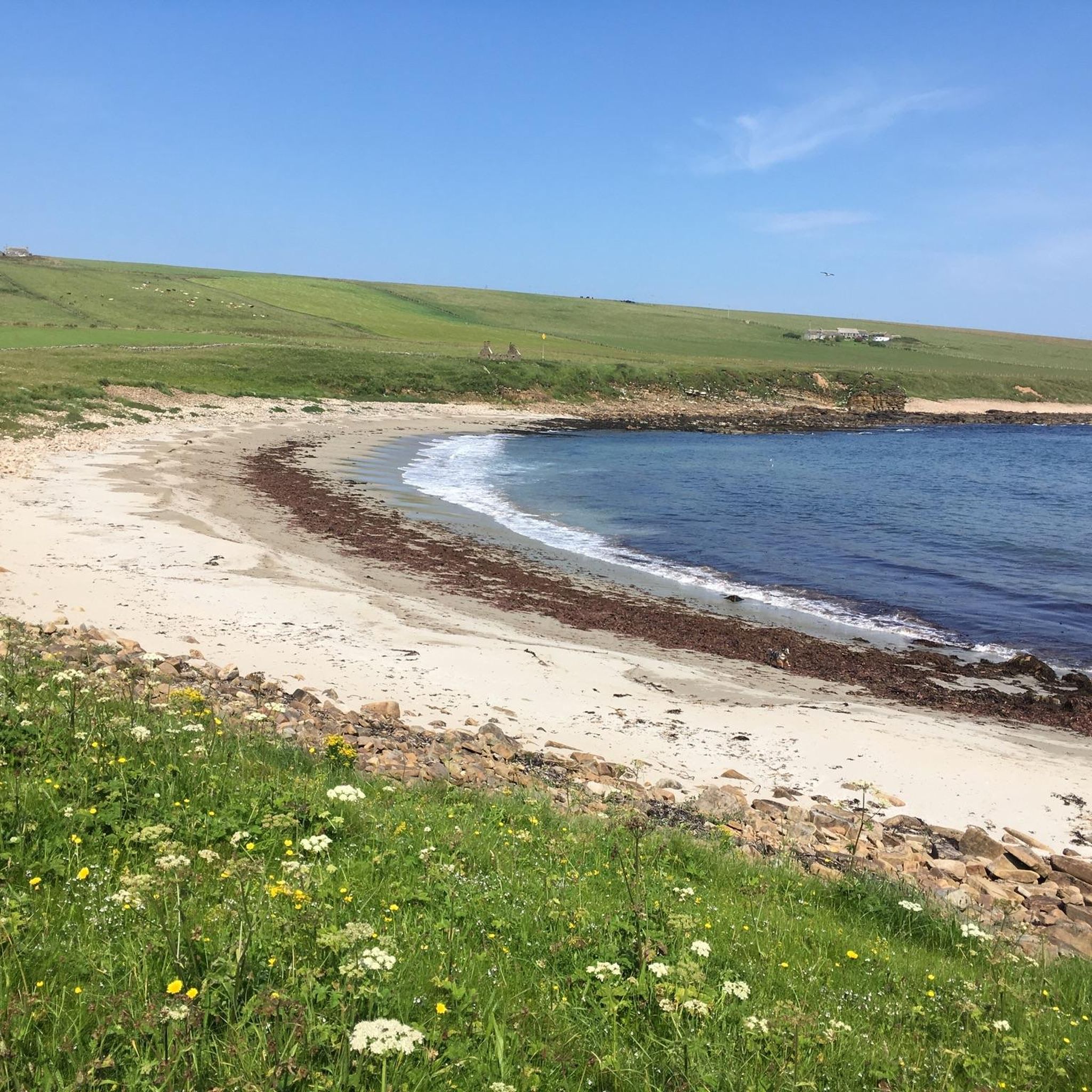
In season, this crescent beach area is full of wildflowers. Facilities include a parking area and toilet block. Every August the annual Boy's Ploughing Match is held here, where the locals take handmade miniature wooden ploughs to the sand to test their skills.
1
0
In WW2 Balfour Battery was paired with Buchanan Battery on Flotta, to guard the boom defence across the sound to discourage attacks against vessels at anchor in Scapa Flow. A deterrent so effective they never had to be fired in anger.
3
0

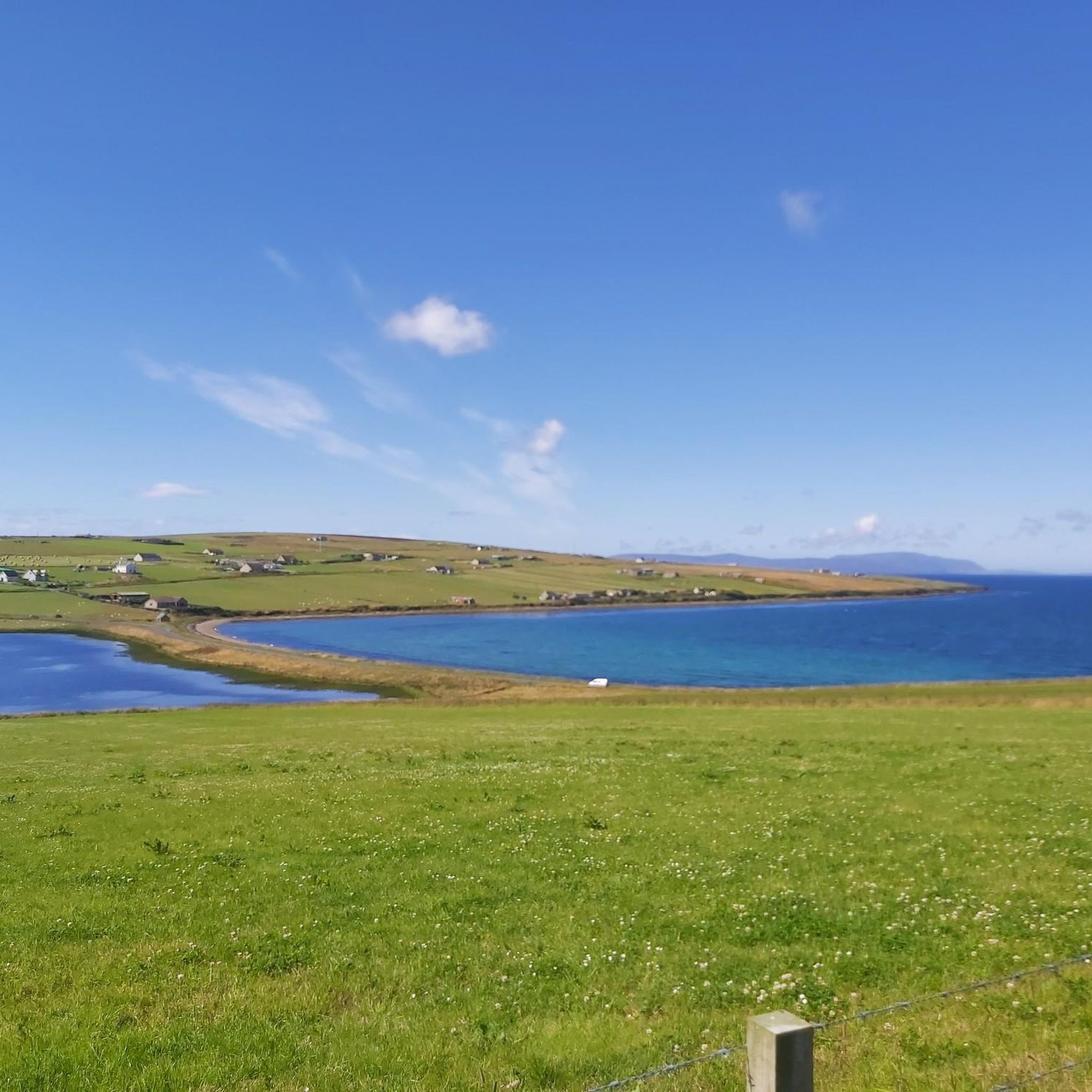
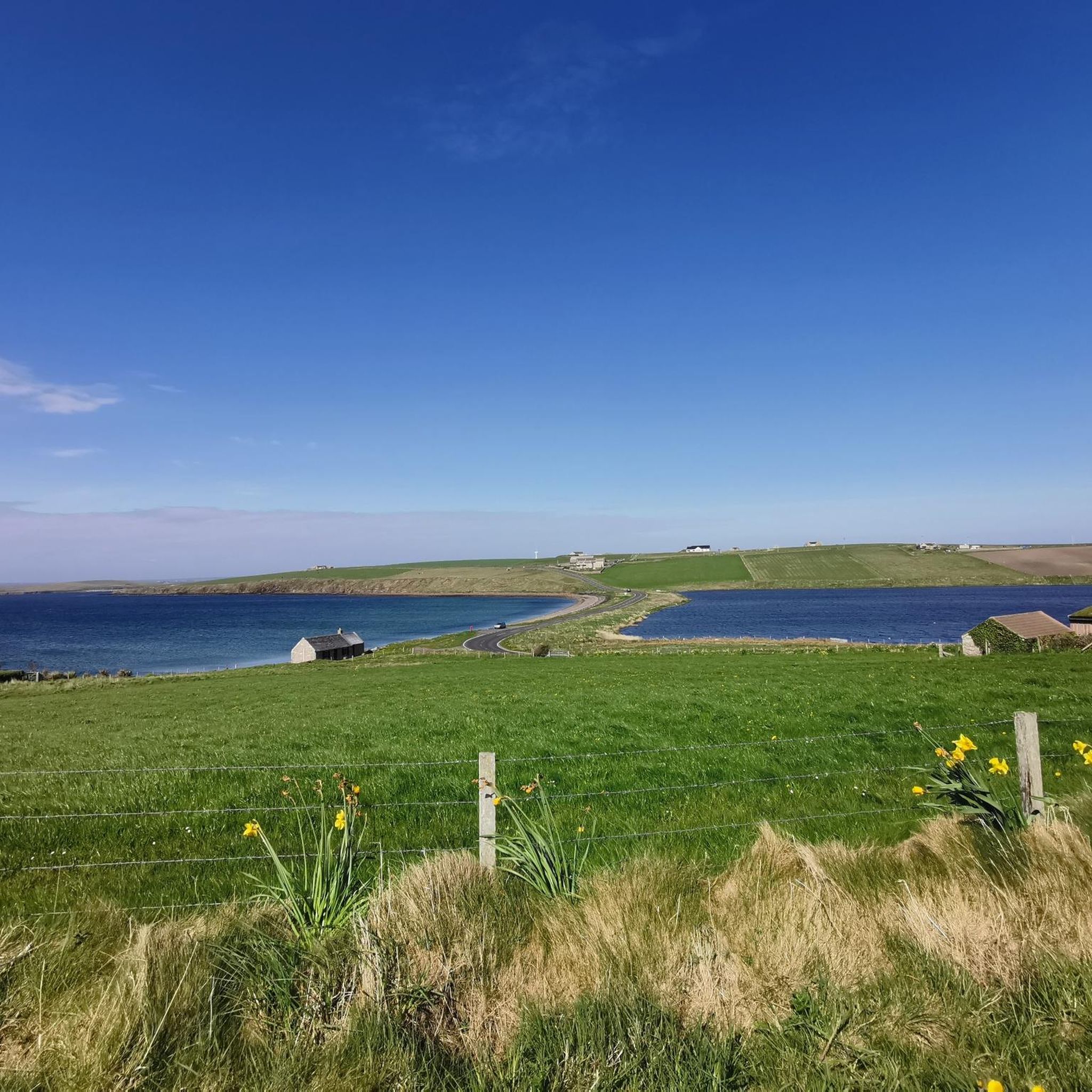
The Churchill Barriers were built between Mainland & the islands of South Ronaldsay to protect the important navel harbour of Scapa Flow. Block ships were originally used and the sunken remains of some of these are still visible. Nowadays the causeway forms a great road to ride between the islands with nice views and easy access to some stunning beaches.
0
0

Beautiful hike around Hoxa Head on the trail of Scapa Flow
1
0

komootモバイルアプリでインスピレーションを得よう


さらに探索
まだ探しているハイライトが見つかりませんか?他の地域のトップアトラクションのガイドを見てみましょう:
