スコジェのおすすめライド
4.5
(5)
361
ライダー
21
ライド
スコジェ周辺のロードバイクルートをお探しですか?ここでは、komootが提供するスコジェでのロードバイクライドのコレクション全体を評価して選び抜いた人気ルートをご紹介します。各ライドの詳細をぜひご覧ください。
最終更新日: 10月 2, 2026
5.0
(1)
47
ライダー
68.4km
03:14
820m
820m
中程度のロードライド. ある程度のフィットネスレベルが必要です。 全般的に舗装状態が良好で走行しやすい道です。
3.0
(2)
38
ライダー
中程度のロードライド. ある程度のフィットネスレベルが必要です。 全般的に舗装状態が良好で走行しやすい道です。

32
ライダー
70.1km
03:19
870m
870m
中程度のロードライド. ある程度のフィットネスレベルが必要です。 全般的に舗装状態が良好で走行しやすい道です。
16
ライダー
70.4km
03:14
720m
720m
中程度のロードライド. ある程度のフィットネスレベルが必要です。 ツアーの一部に、未舗装のため走行が難しい箇所があるかもしれません。
8
ライダー
25.9km
01:14
320m
320m
中程度のロードライド. ある程度のフィットネスレベルが必要です。 全般的に舗装状態が良好で走行しやすい道です。
さらに多くのルートや他のユーザーのおすすめ情報を確認できます。
すでにアカウントをお持ちですか?
おすすめのツアーは他のkomootユーザーが実際に経験した何千ものアクティビティに基づいています。
無料アカウントで今日から始めよう
次の冒険が待っています。
コミュニティからのヒント

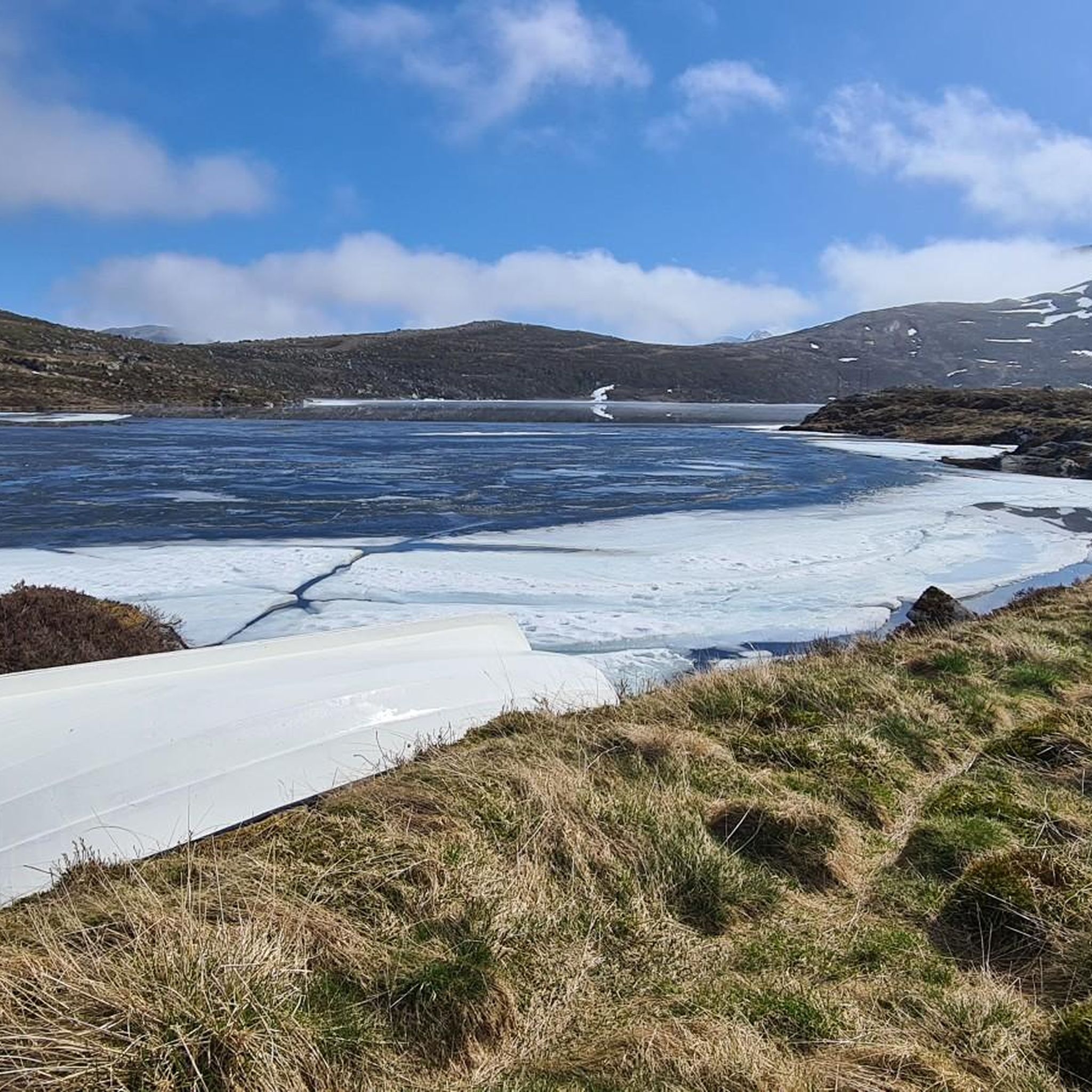
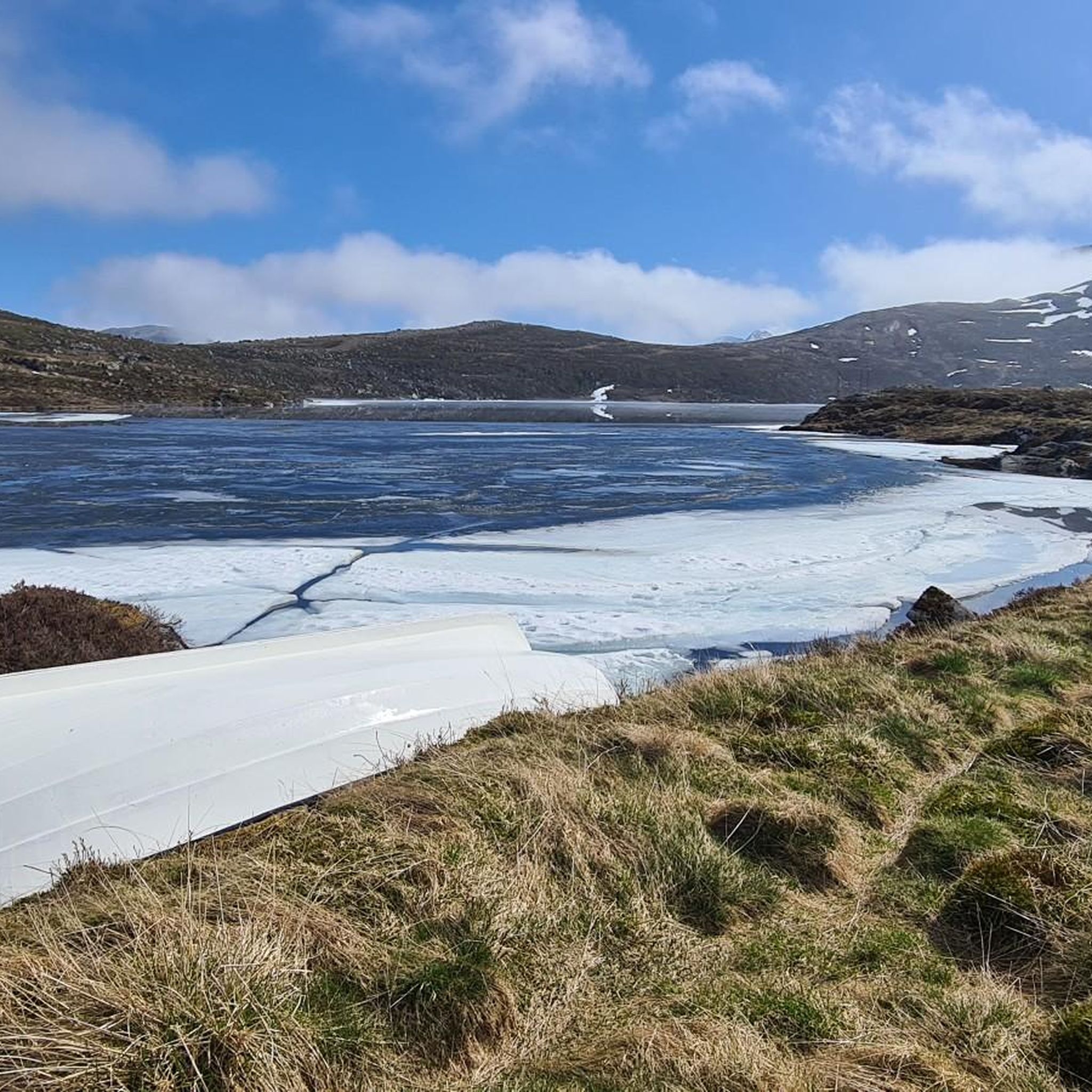
Lillevannetは、暗く丸みを帯びた丘と、岸辺に沿った緑の帯に縁取られた、穏やかな水面のようです。水面は広く反射しており、特に草の生えた土手が小道と交差する場所では、ゆっくりと休憩するのに最適です。近くの家々が木々の間から顔を覗かせているため、雰囲気は平和でありながらも孤立した感じはありません。晴れた瞬間には、谷の景色が広がり、湖全体が守られ、静かな場所だと感じられます。
0
0

A traffic-calmed area with nice little cafes and shops that invites you to stroll
1
0

Beautiful old Art Nouveau houses with impressive decorations
1
0

The port city is located on Norway's west coast. Ålesund is notable for its Art Nouveau architecture. After a major fire in 1904, it was almost completely rebuilt, using this distinctive architectural style. This makes the city one of the most attractive in the country. Ålesund stretches across several islands connected by bridges and tunnels. This creates impressive views of the sea and the surrounding mountains. The viewpoint on the local mountain, Aksla, is famous – from here you can enjoy a magnificent view of the city and the harbor, as well as the Sunnmøre Alps in the distance. Source: seereiseplanung-kreuzfahrte.de A short trip to the Geirangerfjord is recommended.
0
0

Don’t miss the Midsummer Fire at this famous spot if you are around at that time of the year. It holds a World Record under the Guiness Book. Alternatively watch it on TV.
0
0

The young town of Ålesund got its own church in 1855. It was a stone church with Heinrich Ernst Schirmer (1814-1887) as architect. He was also the architect for the churches in Ørsta, Vartdal and Hareid - and from 1857 for Strøm Church. Strøm Church near Skarnes at Kongsvinger is very similar to the church that fell victim to the town fire on January 23, 1904. Neighbouring wooden houses were preserved after the fire, while the stone church burned! The explanation is that the tower hatches were left open so that the sound of the church bells warning of the fire could reach as far as possible among the people in the town. 850 houses burned, 10,000 people were left homeless - and the town had no church. In a busy period of reconstruction, when one might think that every family had enough for their own needs, work to build a new church was nevertheless given high priority. An architectural competition was announced as early as the summer of 1904. 63 proposals were received! The proposal by architect Sverre Knudsen from Oslo won. The old church, as is usual for Norwegian churches, had the choir facing east – towards the sunrise and the direction of Jesus' return. To take advantage of the topography and have a beautiful entrance from Øwregata, sheltered from the western weather, the end of the church was turned and the main entrance was facing east. This way the choir façade – with stained glass – had plenty of space facing the wide Aspøgata. The foundation stone was laid by the new king on 13 July 1906. King Haakon 7 was then on his first visit to Ålesund after being crowned king in Nidaros Cathedral. A reminder for us of the change that was taking place in our country at exactly that time – Norway became a free nation in 1905. The church is built of natural stone (Ålesund Wall) and clad with marble stone from Lyngstad in Eide municipality in Nordmøre. 2,000 square meters of marble stone cover the church façade – the stone has shades of pink, gray and black in the white, but still: it is marble! Stones from the same quarry can be found, for example, in Rønnebergbua, Fladmarkhuset and the narrow house in Kongensgate. The church was consecrated on September 15, 1909. [ Source: https://www.visitnorway.de/listings/%C3%85lesund-kirche/30031/ ]
2
0

Old church from 1909 It's worth a visit The stained glass windows are well worth seeing
4
0
The exchange stone is made of Carrara marble. The church building is made of local marble
2
0
スコジェでのの人気ルート
スコジェでのの人気観光スポット

komootモバイルアプリでインスピレーションを得よう


さらに探索
他の地域の最高のロードサイクリングルートを見てみましょう。
