ローケレン周辺のアトラクション&必見スポット - トップ20
ローケレンには必見のスポットがたくさんあります。ハイキング愛好家やサイクリング愛好家の方は、ぜひローケレンを探索してこのエリアにある20
の隠れたスポットを訪れてみてください。このエリアの必見スポットを確認し、次の冒険に出かける計画を立てましょう。
最終更新日: 10月 9, 2026
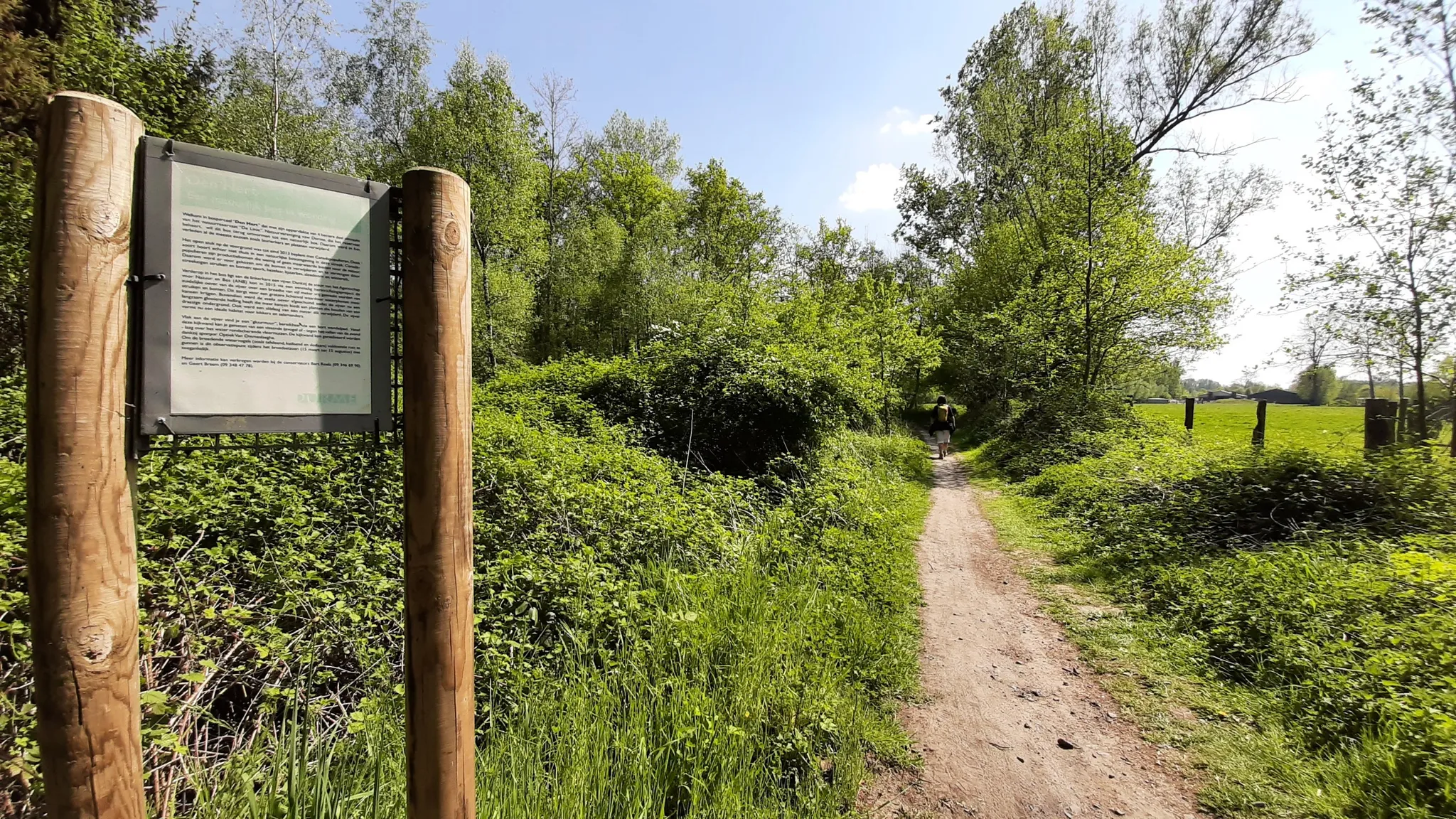
カルケンセ・メールセン
ハイライト • 自然
翻訳者 Google •
役立つ情報 は

ミラ橋
ハイライト • 橋
The bridge got …
翻訳者 Google •
役立つ情報 は

今すぐサインアップして、こんな場所を発見しよう
最高のシングルトラック、ピーク、その他のエキサイティングなアウトドアスポットのおすすめを受け取ろう。
ドンクメール
ハイライト • 湖
翻訳者 Google •
役立つ情報 は

自転車・歩行者用橋「デ・パッセレール」
ハイライト • 橋
The Scheldt pedestrian and cyclist bridge provides an elegant, modern crossing between the towpath and the center of Wetteren. The …
翻訳者 Google •
役立つ情報 は

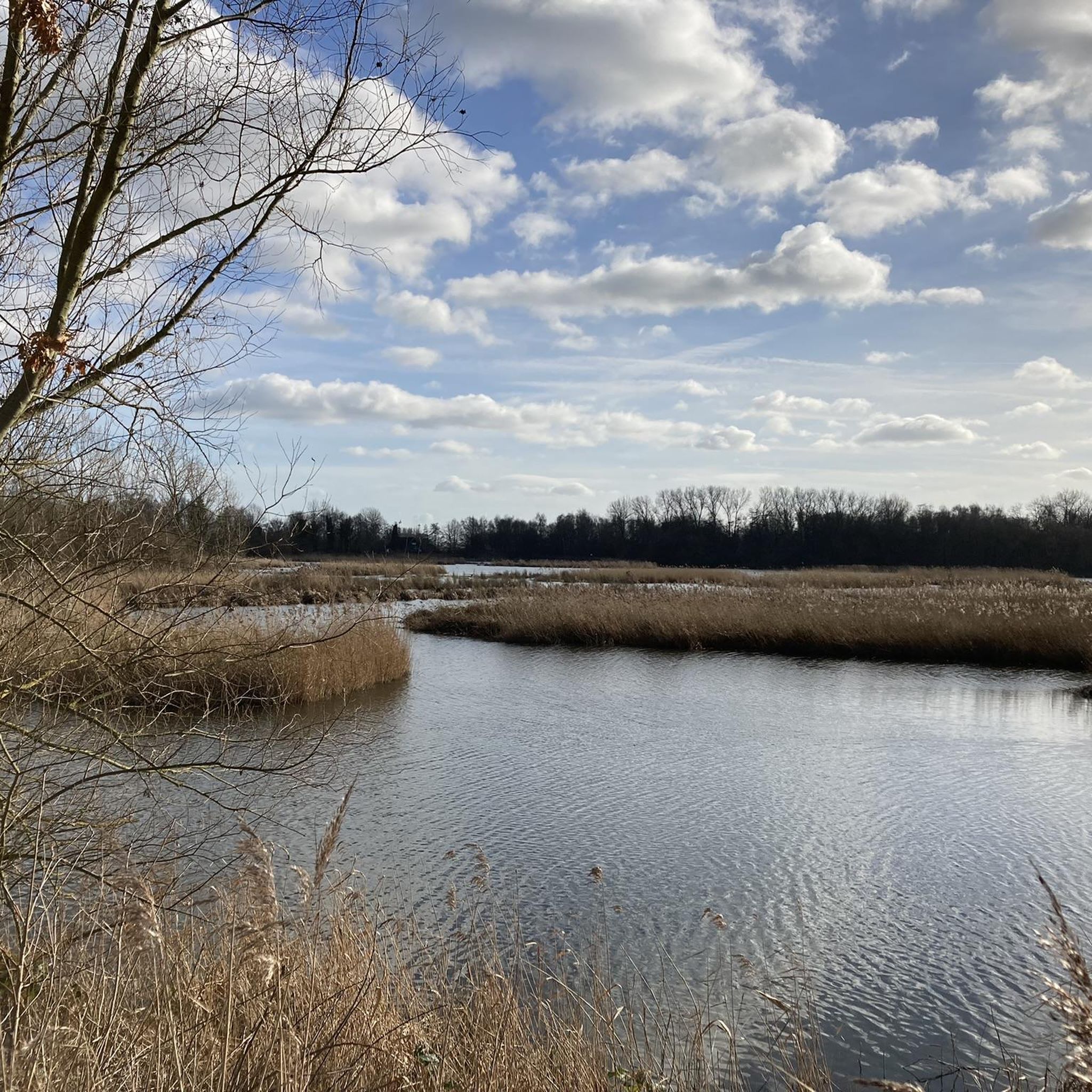
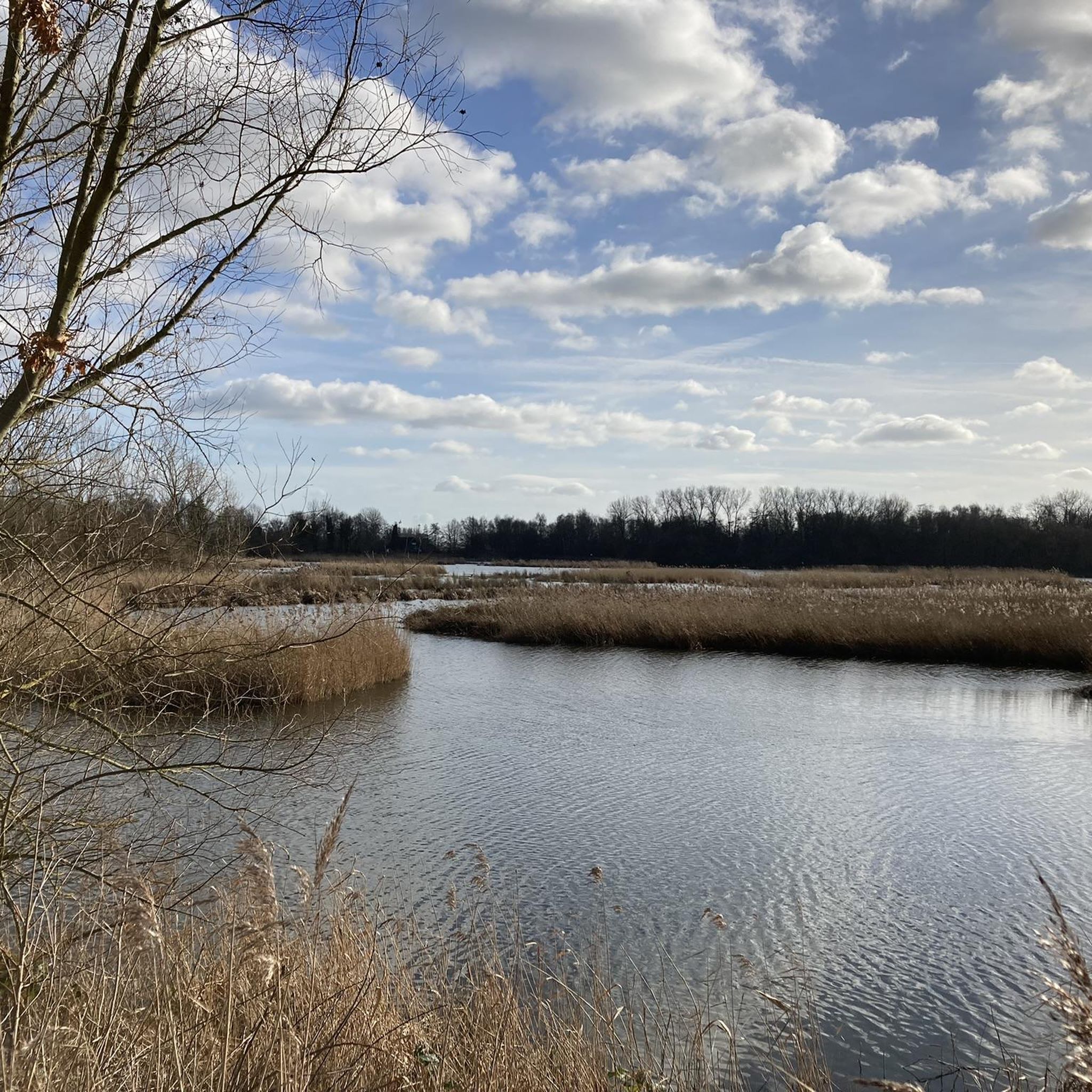
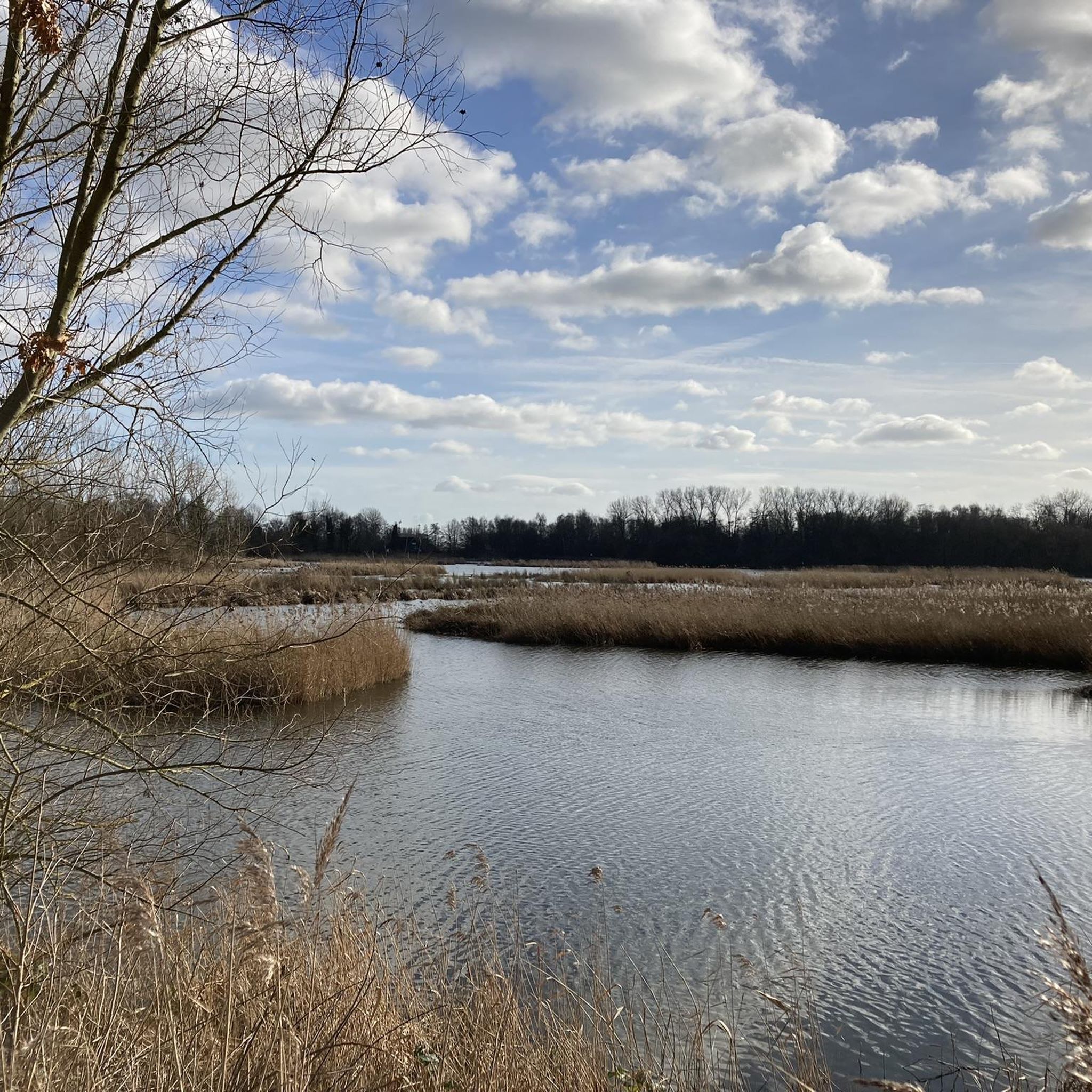
ベルラーレ・ブルークの泥炭池
ハイライト (セグメント) • 湖
翻訳者 Google •
役立つ情報 は

無料でサインアップして、さらに多くの観光スポットを発見しましょう ローケレンでの。
すでにアカウントをお持ちですか?
無料アカウントで今日から始めよう
次の冒険が待っています。


コミュニティからのヒント

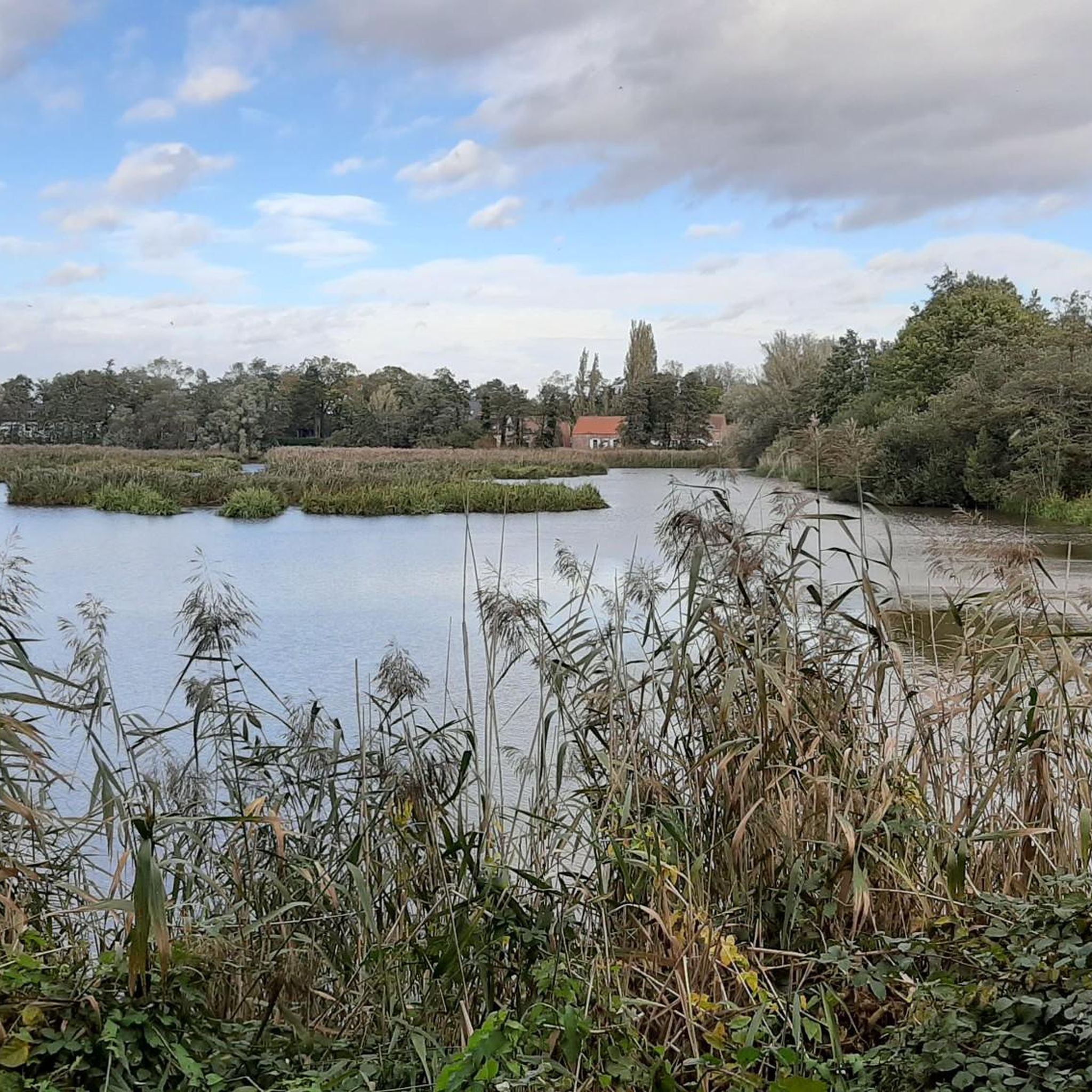
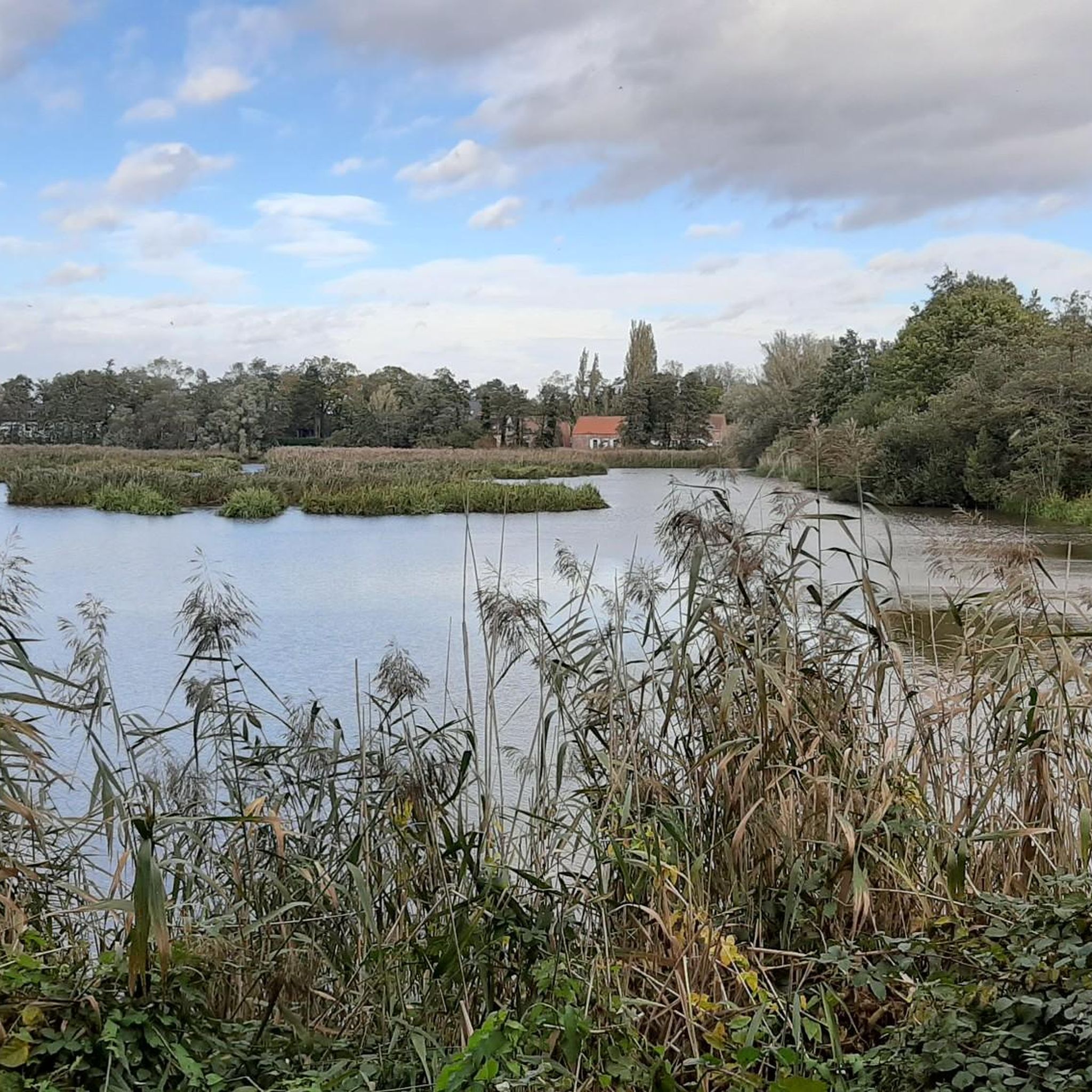
沈んだ歴史を巡るハイキング ベルラーレ・ブロックののどかな水域は、人の手によって作られたことをご存知でしたか? 今あなたが鳥のさえずりや木々のきらめきを楽しんでいる場所で、1686年から採掘者が貴重な燃料を地面から掘り出すために奮闘していました。この古い、切り離されたスヘルデ川の蛇行での彼らの過酷な仕事により、50以上の池が生まれました。遊歩道や森の小道を通って素晴らしい散歩ができる、歴史に満ちた美しい自然の一部です!
2
0

As a cyclist, you ride straight into the town hall. The Scheldt pedestrian and cyclist bridge provides an elegant, modern crossing between the towpath and the center of Wetteren. The wide ramps eliminate the need for the old footbridge and stairs, giving the bridge a flowing, accessible line. From the highest point, you have an unobstructed view of the Scheldt, the dikes, and the green river plain.
6
0
Where cyclists and pedestrians can reach the other side without getting wet.
4
2

Cycle bridge with a gentle slope to go to the city center. The ramp leads directly to the city center at a slightly higher elevation.
1
0

Beautiful piece of bridge that connects the towpath with the rest of the village centre
2
0


Nice to walk through with water on both sides.
14
1

The bridge got its name and fame thanks to the feature film Mira, the 1971 film adaptation of the book De teleurgang van de Waterhoek by Stijn Streuvels by Fons Rademakers, with Willeke van Ammelrooy and Jan Decleir in the lead roles. The script was by Hugo Claus. In 2002, the bridge was completely renovated and since then it has been an important junction for the many cycling and walking routes in the area. This fine piece of architecture has been recognized as a protected monument since 1991.
6
0
ローケレンでのの人気観光スポット

komootモバイルアプリでインスピレーションを得よう


さらに探索
まだ探しているハイライトが見つかりませんか?他の地域のトップアトラクションのガイドを見てみましょう:
