ウペイエのおすすめMTBライド
4.3
(40)
158
ライダー
22
ライド
オウペイ周辺のマウンテンバイクは、東ベルギーとアルデンヌの広大なネットワークに近いという立地を活かし、多様な景観を提供しています。この地域は、森林、川沿いの谷、そして様々なスキルレベルに適したアクセスしやすいトレイルが混在しています。ライダーはアルベール運河沿いのルートを探索したり、テクニカルなセクションや高台の道を含む、より変化に富んだ地形のエリアに挑戦したりできます。これにより、オウペイはリエージュ地方全体のMTBアドベンチャーの戦略的な出発点となっています。
オウペイ周辺のベストマウンテンバイクコース
- 最も人気のあるマウンテンバイクコースは、マルクト広場、トンゲレン – ホゥタン=サン=シメオン発、ロスメーレン城ループで、距離は33.1km、所要時間は約2時間です。この中程度の難易度のルートは、地元の田園地帯を巡る景色の良い旅を提供します。
- 地元のマウンテンバイカーに人気のもう一つのコースは、ジュリエンヌ池 – ウィクスー礼拝堂ループ(オウペイ発)で、距離は30.8km、難易度は高めです。このルートは、自然の池の周りの大きな標高差と変化に富んだ地形でライダーを挑戦させます。
- 地元のマウンテンバイカーに愛されているのは、ヴァル=デュー修道院 – ダルヘム旧鉄道トンネルループ(ヴィヴェニール発)で、距離は50.8km、所要時間は約3時間34分です。このコースは、史跡や自然の風景を巡ります。
- オウペイ周辺のマウンテンバイクは、多様な景観、鬱蒼とした森、そして川沿いの谷や運河との近さが特徴です。このネットワークは、中程度の難易度のループから、顕著な標高差のあるより挑戦的なルートまで、様々なレベルのオプションを提供しています。
- オウペイのルートは、komootコミュニティから高く評価されており、20件以上のレビューで平均4.6つ星を獲得しています。150人以上のマウンテンバイカーがkomootを利用して、オウペイの多様な地形を探索しています。
最終更新日: 10月 21, 2026
3.6
(5)
27
ライダー
65.2km
03:51
280m
280m
中程度のマウンテンバイクライド. ある程度のフィットネスレベルが必要です。 高度なライディングスキルが必要です。
5.0
(3)
21
ライダー
33.6km
02:02
240m
240m
中程度のマウンテンバイクライド. ある程度のフィットネスレベルが必要です。

4.7
(3)
7
ライダー
47.2km
03:26
520m
520m
中程度のマウンテンバイクライド. ある程度のフィットネスレベルが必要です。 高度なライディングスキルが必要です。
3.7
(3)
23
ライダー
26.2km
01:57
270m
270m
難しいマウンテンバイクライド. 高度なライディングスキルが必要です。ツアーの一部で自転車を押して歩く必要があるかもしれません。
4.0
(1)
8
ライダー
29.7km
02:01
340m
340m
中程度のマウンテンバイクライド. ある程度のフィットネスレベルが必要です。
さらに多くのルートや他のユーザーのおすすめ情報を確認できます。
すでにアカウントをお持ちですか?
おすすめのツアーは他のkomootユーザーが実際に経験した何千ものアクティビティに基づいています。
無料アカウントで今日から始めよう
次の冒険が待っています。

コミュニティからのヒント

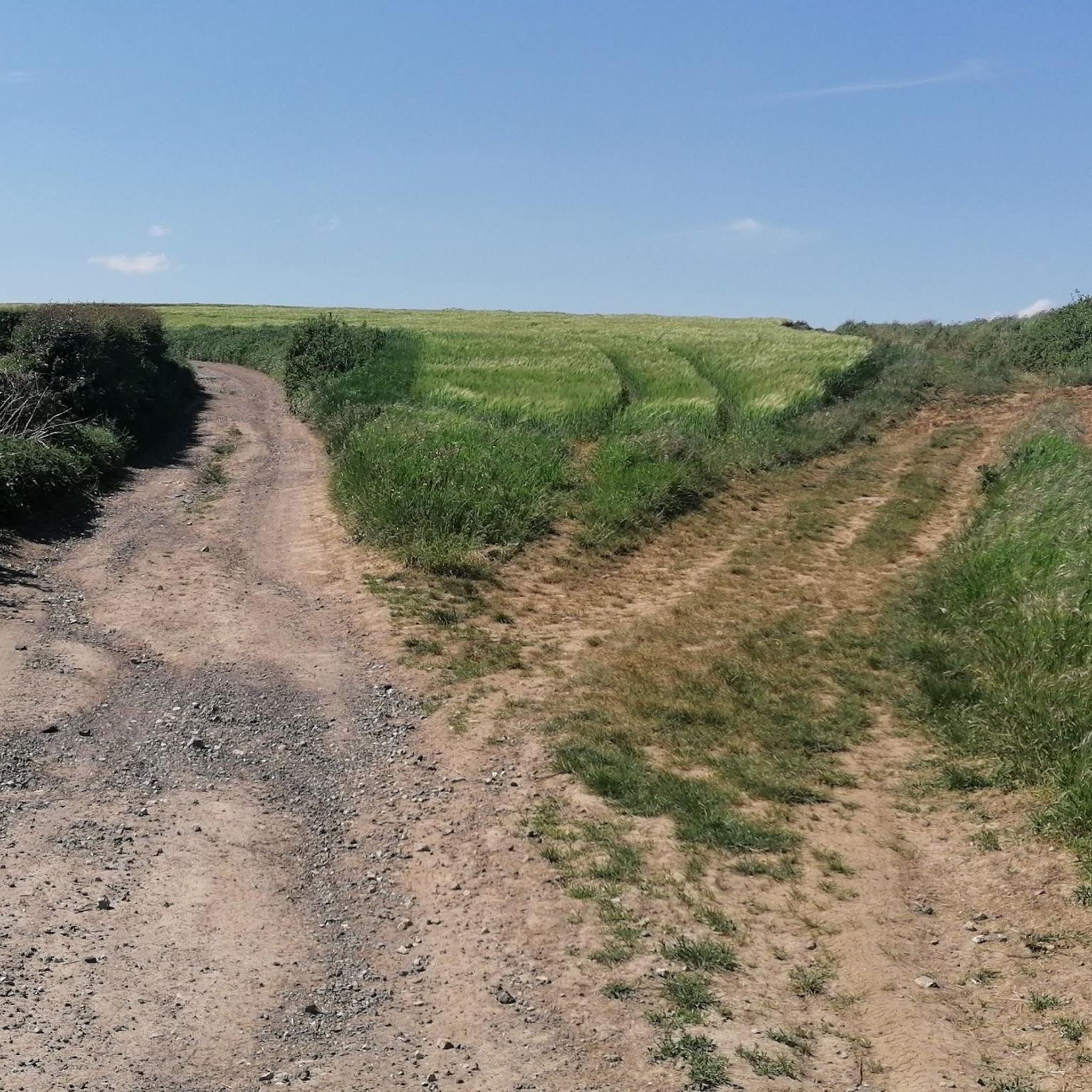
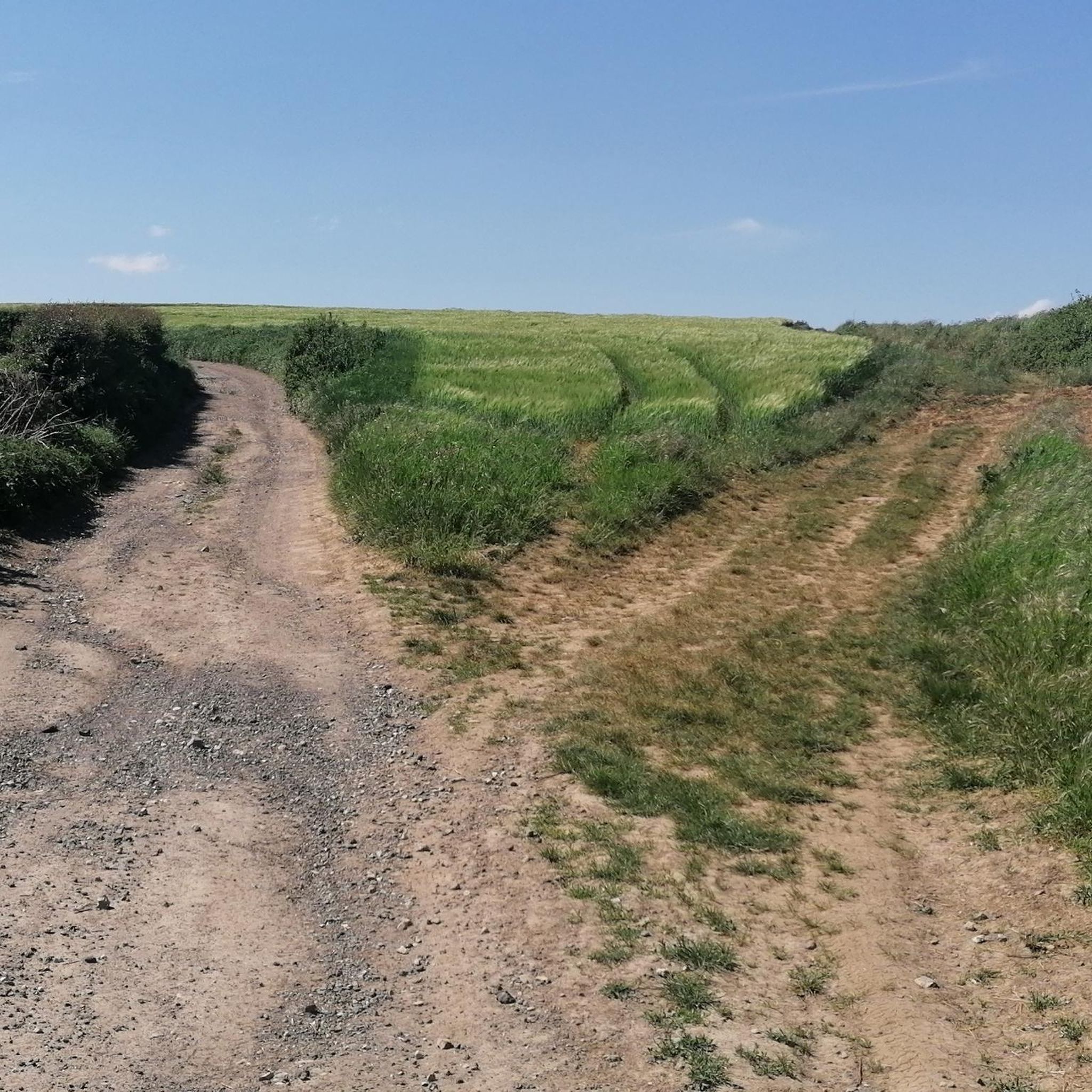
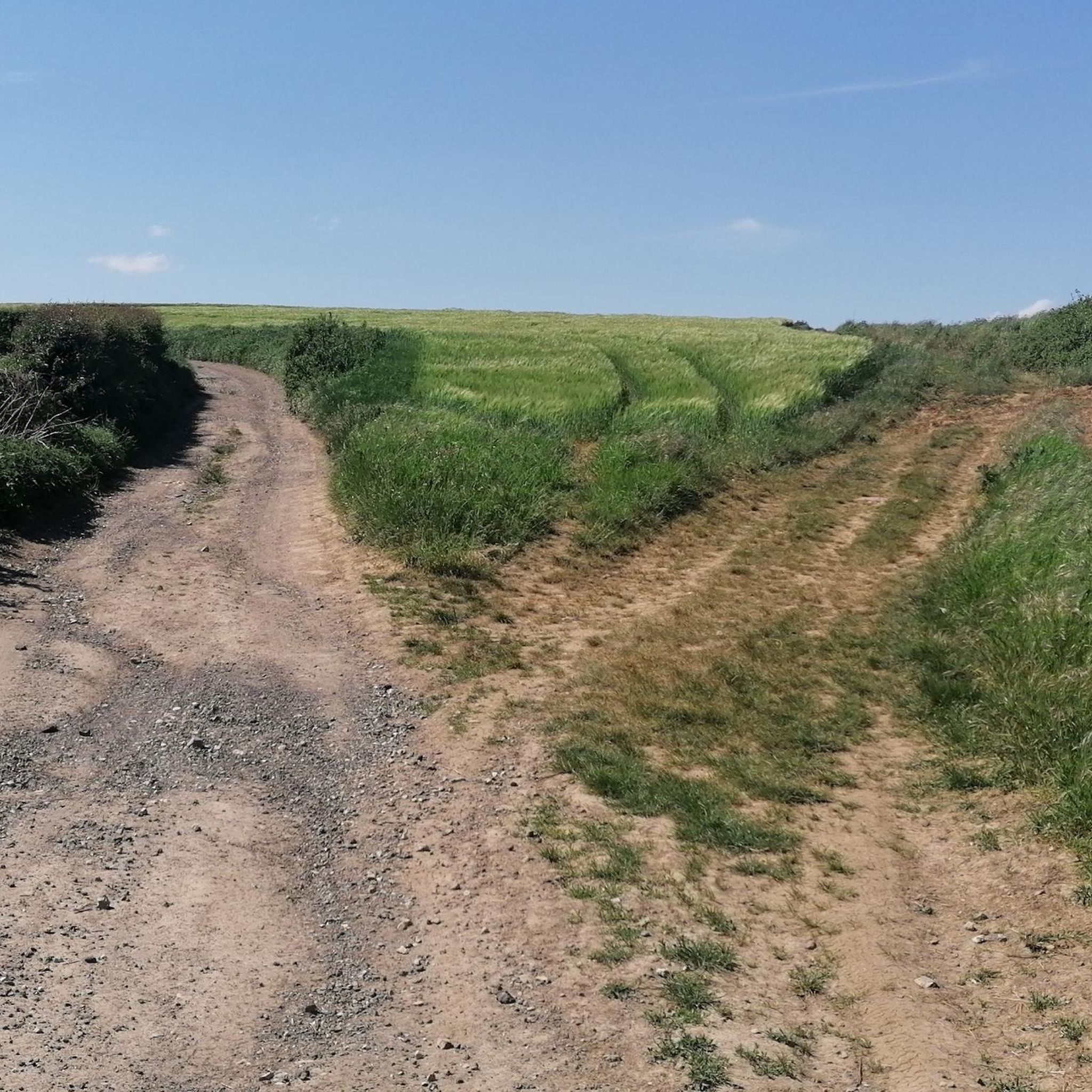
丘の上の入り口、丘の端にある美しい挑戦的なトレイルに突然接続します。
1
0


Interesting route for walking and cycling (gravel/mountain biking).
0
0

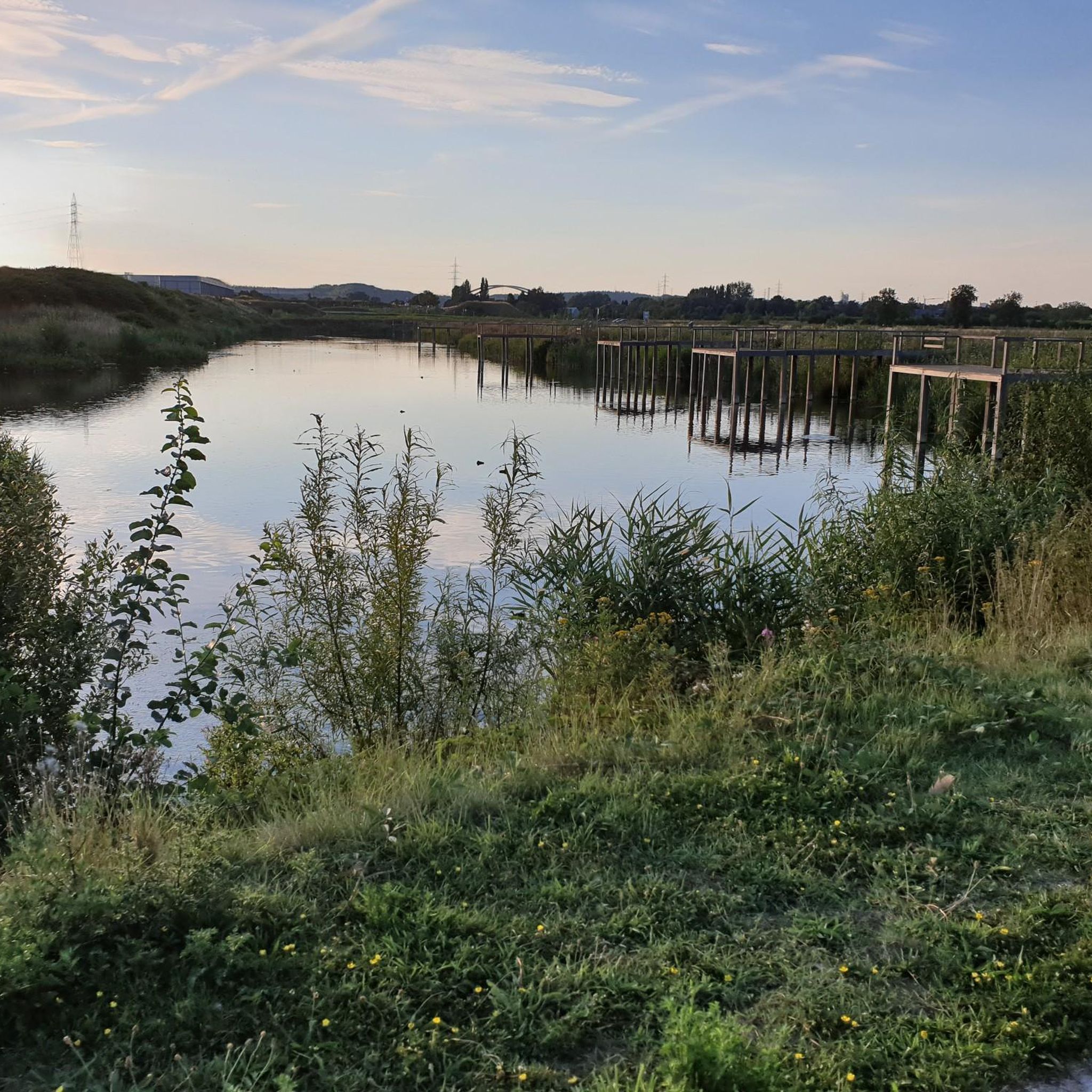
The Blaarmolen is an old watermill on the Jeker River near Tongeren-Borgloon (Flemish Limburg) and forms an interesting part of the industrial heritage in the landscape surrounding the river. The mill is located on the Kevieweg near the De Kevie nature reserve and is a recognizable witness to centuries-old business activities that once used the Jeker river. The complex consists of the mill itself, outbuildings, and a so-called "woelkom" (a pond or channel) that formed part of the water management system around the mill. This pond regulated the water level and supplied the mill wheel with running water. This structure is still visible in the landscape, surrounded by meadows and tree growth. Historically, the Blaarmolen was used as a grain or corn mill, harnessing the power of the river to grind grain. Such mills were essential for local farming communities before modern energy sources were available, and farmers from the surrounding area brought their grain to the mill to be turned into flour. The Blaarmolen mill is recognized as a building heritage site by the Flanders Heritage Agency, demonstrating that it is not only an industrial monument but also of architectural and cultural-historical value to the region. The mill has been out of use since the Jeker river was diverted in 1968, but its structure and turning basin remain a striking feature in the landscape and recall the time when water power played a significant role in daily life.
1
0
Rosmeulen Castle is a historic country house and estate of great architectural and heritage value, located at Neremstraat 229 in Nerem, a sub-municipality of Tongeren. Dating back to the early 20th century, the building represents a unique combination of Neo-Rococo and Art Nouveau architecture, designed for chocolate and gingerbread manufacturer Florent Rosmeulen. Construction of the manor house, originally named La Brise, began around 1911, opposite the Rosmeulen chocolate factory. However, the founder himself never fully occupied the building, partly due to financial difficulties and the impact of the First World War. The building is situated amidst a romantic castle garden in the English landscape style, featuring ponds, lawns, mature trees, walking paths, and a walled vegetable garden, all contributing to the estate's unique atmosphere. The imposing entrance hall features a majestic staircase and stained-glass windows, while the exterior facades are richly ornamented with features such as bay windows, colonnades, and a round tower under a domed roof. During the First and Second World Wars, the castle was used by German and later American troops, respectively, reflecting its strategic location and the building's role during that time. After the war, the manor changed owners several times. Families such as Duesberg-Bossen Blijweert and Riskin lived there, and the Riskin family, in particular, carried out maintenance and renovation work for many years. In mid-2020, the castle was purchased by Dirk and Bie D'haese, who began a thorough restoration to restore the dilapidated building to its former glory. Their goal is not only to preserve the heritage but also to open the castle and park for use by associations and for events, with spaces such as a large hall of over 300 m² available. The castle is included in the Inventory of Immovable Heritage of Flanders for its architectural value, rich ornamentation, and its location in a historic park with a pond. Rosmeulen Castle, together with the former Rosmeulen chocolate factory and the surrounding landscape, forms a recognizable and valuable ensemble in Nerem with ties to the local industrial culture of the early 20th century, the social history of the region, and today's heritage conservation.
0
0
Under the old railway bridge at the De Kevie nature reserve in Tongeren, a striking mural catches the eye of everyone entering the walking and recreation area. Designed and executed by British-Australian street artist James Cochran, better known by his stage name Jimmy C., the mural measures approximately 18 meters wide and 4 meters high. The artwork was installed as a tribute to Adeline Valkenborg, the founder of the Belgian Centre for Guide Dogs (BCG) in Tongeren. The centre celebrated its 30th anniversary in 2020, and when regular festivities were cancelled due to the coronavirus pandemic, the initiators decided to create a lasting and socially meaningful artwork to commemorate her work and vision. The location under the railway bridge was carefully chosen. On the one hand, the place is literally and figuratively a bridge in the landscape, a passage for walkers and dogs near a dog park. On the other hand, it has symbolic value: Adeline herself was seen as a bridge-builder who paved the way for visually impaired people by establishing an institute that trains and connects guide dogs. The mural features, among other things, a portrait of Adeline with a guide dog and also integrates elements that visualize the journey of a scent hound from puppy to fully-fledged guide dog. The work functions not only as an artistic eye-catcher but also as an inspiring and educational element, raising visitors' awareness of the importance of guide dogs and the mission of the BCG. There are plans to place an information board with a QR code near the mural, directing passersby to information about Adeline and the BCG and how people can get involved, for example, as a foster family for puppies or by supporting the organization. This mural thus perfectly combines street art, social engagement, and local identity. In a place where people experience nature, relaxation, and history, an important story about independence, guidance, and inclusion also has space to be seen and read.
1
0
A large mural has been installed at the entrance gate under an old railway bridge in the De Kevie nature reserve (Tongeren) to commemorate the thirtieth anniversary of the Belgian Guide Dog Centre. This mural is not just a random drawing but a meaningful work of art, commissioned by the centre and intended as a lasting tribute to Adeline Valkenborg, the founder of the Belgian Guide Dog Centre. The mural was designed by James Cochran, also known as Jimmy C, a British-Australian street artist internationally renowned for his large and detailed works. The mural covers an area of approximately 18 meters wide and 4 meters high, giving it a prominent position under the bridge near De Kevie. The choice of this location is symbolic, as the railway bridge is located near a dog park and is a frequent sight for both walkers and dog owners. Moreover, the bridge itself represents a metaphor for connection and guidance, which aligns with the mission of the Belgian Centre for Guide Dogs to support and connect people with visual impairments with their environment. The artwork thus combines nature, social function, and art experience. On the one hand, it is part of the experience value of De Kevie as a nature reserve, and on the other, it tells a story about the commitment to partnership and support of people with disabilities through their guide dogs. Adeline Valkenborg was a Belgian woman and the founder of the Belgian Centre for Guide Dogs (BCG vzw) in Tongeren. Born in 1959, she experienced a sudden, total loss of her sight at the age of 14, leaving her completely blind. Visually impaired herself and confronted with the daily challenges this entailed, Adeline noticed that there was no local supply of well-trained guide dogs in Belgium. In the 1980s, guide dogs were virtually impossible to find in Belgium, and people with visual impairments struggled to maintain the mobility that others take for granted. She decided to change this. Through acquaintances and contacts, she connected with the British organization Guide Dogs for the Blind Association and obtained her first guide dog, a Labrador named Snowy, to help her with her daily commute. This made a deep impression on her and gave her the idea to establish a Belgian guide dog training program. On March 15, 1990, Adeline officially founded the Belgian Guide Dog Center in Tongeren. The center partially followed the British training model, using English commands for the dogs, making it the first organization in Belgium to systematically train and pair guide dogs with people with visual impairments. Adeline saw the need for true independence and mobility in daily life, both for herself and for others with visual impairments. Guide dogs are not only tools for avoiding obstacles, but they also provide people with a sense of confidence, security, and social connection in a society that is typically highly visual. The center she founded offers these dogs free of charge to people with visual impairments, with careful training and long-term support. Her efforts meant that for the first time, visually impaired people in Belgium could, on a large scale and professionally, follow a program to become independent and actively participate in social life, together with a guide dog. Adeline Valkenborg remained involved with the center even when her health sometimes hampered her work, and she continued to advocate for the integration of visually impaired people into society. Her vision was always focused on growth and improvement of services so that as many people in need as possible could be helped. She passed away on June 16, 2016, at the age of 56, but the center still bears her name and continues to grow. To mark important milestones, such as the center's 30th anniversary, artworks (such as the mural at De Kevie) have been installed to permanently honor her work and memory.
1
0
よくある質問
オウペイ周辺にはどのくらいのマウンテンバイクトレイルがありますか?
オウペイには20以上のマウンテンバイクトレイルがあり、様々なスキルレベルに対応しています。これらのルートは、森、川沿いの谷、運河など、多様な景観を横断します。
オウペイには、あらゆるスキルレベルに対応したマウンテンバイクトレイルがありますか?
はい、オウペイの地形は多様で、様々なレベルに対応するオプションがあります。初心者向けの簡単なルート、中級トレイル17本、大きな標高差を伴うより挑戦的なコース3本があり、初心者から経験豊富なライダーまで、誰もが楽しめるものがあります。
オウペイには、家族向けのトレイルはありますか?
ご家族や初心者の方には、オウペイにはいくつかの簡単なルートと緩やかな坂道があります。これらのトレイルは、この地域の風光明媚な田園地帯でのマウンテンバイク体験の心地よい導入となります。
オウペイでマウンテンバイクに乗っていると、どのような景観が期待できますか?
この地域は、なだらかな丘、緑豊かな森、趣のある村々が特徴です。また、ムーズ川沿いやアルベール運河沿いのルートもあり、風光明媚な景色と多様な自然環境を楽しめます。
トレイル沿いにある注目すべき自然の魅力や展望スポットはありますか?
多くのルートが重要な自然の特徴を通過しています。生物多様性で知られるジュリアン池を探索したり、高原からの広大な景色を提供するENCI採石場展望台を通り過ぎたりすることができます。
オウペイには、マウンテンバイク用の周回ルートはありますか?
はい、オウペイのマウンテンバイクトレイルの多くはループとして設計されています。例えば、ホゥタン=サン=ティメオン発の、中級レベルのマーケットスクエア、トンゲレン – ロスメーレン城ループは、地元の田園地帯を巡る人気の周回ルートです。
オウペイでマウンテンバイクに乗るのに最適な時期はいつですか?
春と秋は、オウペイでのマウンテンバイクに特におすすめです。気候は穏やかで、自然の景色は鮮やかで、楽しいライディング体験ができます。
オウペイのマウンテンバイクトレイルでは、犬を連れて行っても良いですか?
ベルギーの多くの屋外エリアは犬に優しいですが、マウンテンバイクトレイルの具体的な規則は異なる場合があります。犬を連れて行く前に、必ず現地の標識や特定のトレイルのガイドラインを確認することをお勧めします。
オウペイのトレイルについて、他のマウンテンバイカーが最も楽しんでいる点は何ですか?
オウペイのマウンテンバイクトレイルは、komootコミュニティから高く評価されており、平均スコアは4.6つ星です。ライダーは、多様な景観、森林地帯と川沿いの谷の組み合わせ、そして様々なレベルに対応するオプションを高く評価しています。
サイクリング中に見られる歴史的な場所やランドマークはありますか?
はい、いくつかのルートは歴史的な関心のある場所を通過します。例えば、ヴィヴェニース発のヴァル=デュー修道院 – ダルヘム旧鉄道トンネルループは、歴史的な場所や自然の景観を巡ります。また、サイクリングパスの近くには、フォールト・エベン・エマエルやオウペイ城などの場所も見られるかもしれません。
オウペイ地域に関する追加情報はどこで見つけられますか?
オウペイとその周辺地域に関する一般的な観光情報については、この地域の公式観光ウェブサイトをご覧ください:visitezliege.be。

komootモバイルアプリでインスピレーションを得よう


さらに探索
他の地域の最高のMTBトレイルを見てみましょう。
