ベルトリの洞窟・トップ13
ハイキングの途中で偶然見つけた場合でも、ガイドブックに沿ってたどり着いた場合でも、いつも特別な体験をもたらしてくれる城。ベルトリには訪れるべき 13
の美しい城があります。一覧から行きたい城を見つけて、次の冒険では歴史にも触れてみましょう。
最終更新日: 9月 26, 2026
ブイヨン城
ハイライト • 城
翻訳者 Google •
役立つ情報 は

エルブモンの城塞
ハイライト • 城
翻訳者 Google •
役立つ情報 は
今すぐサインアップして、こんな場所を発見しよう
最高のシングルトラック、ピーク、その他のエキサイティングなアウトドアスポットのおすすめを受け取ろう。
シャトー・デ・フェの遺跡
ハイライト • 歴史的な場所
翻訳者 Google •
役立つ情報 は

ポルシェレス城
ハイライト • 城
翻訳者 Google •
役立つ情報 は

シャトー・ド・ルーモン
ハイライト • 城
翻訳者 Google •
役立つ情報 は
無料でサインアップして、さらに多くの城を発見しましょう ベルトリでの。
すでにアカウントをお持ちですか?
無料アカウントで今日から始めよう
次の冒険が待っています。
ベルトリ周辺で人気
自然とガストロノミー — トラピスト修道院の小径 パート2
Train & Sac à dos: hiking between stations in southern Belgian forests
Hiking in the Belgian Ardennes: GR16 through the Semois Valley

Rucksack auf und los – Weitwandern mit deuter in Belgien und den Niederlanden
ベルトリでのハイキング
ベルトリのロードバイクルート
ベルトリのMTBトレイル
ベルトリのランニングコース
ベルトリでのサイクリング

ベルトリでののグラベルライド


コミュニティからのヒント

The fortified castle of Bouillon is situated on three rocky ridges and offers stunning views of the city. During your visit, you can also take in a falconry performance. Falconry was a true art form during the Middle Ages. You can conclude your visit with the Scriptura Museum, which chronicles the history of education, and the exhibition of the fresco "The Armed Pilgrimage of Godfrey of Bouillon." The castle is open daily.
11
0
The medieval ruins of Herbeumont Castle, perched on a rocky ridge overlooking the village and the Semois River, offer many remarkable views of the meandering river. The fortress's foundation stones were laid in 1268 by Jehan de Rochefort, son of the House of Walcourt. Over the centuries, the castle was inhabited by various families: the House of Orgeo, the House of la Marck-Rochefort, the House of Stolberg, and the House of Löwestein. The natural steepness of the mountain made the castle inaccessible from three sides for a long time. In the 15th century, Herbeumont's walls were reinforced with a sturdy round tower at each southern end. Unfortunately, this did not prevent the castle from being destroyed by French troops on August 21, 1657. (Visit Wallonia)
15
0

At 1 there is also a small parking lot. The route is signposted with yellow rectangles,
0
0

A highlight of any walk through Herbeumont is definitely Herbeumont Castle, a medieval ruin that towers high above the village. The castle dates back to the 12th century and was once a strategic defense point in the region. Although the castle ruins are not completely intact, they still offer a fascinating glimpse into the past. Some of the original castle's towers and walls have been preserved.
3
0

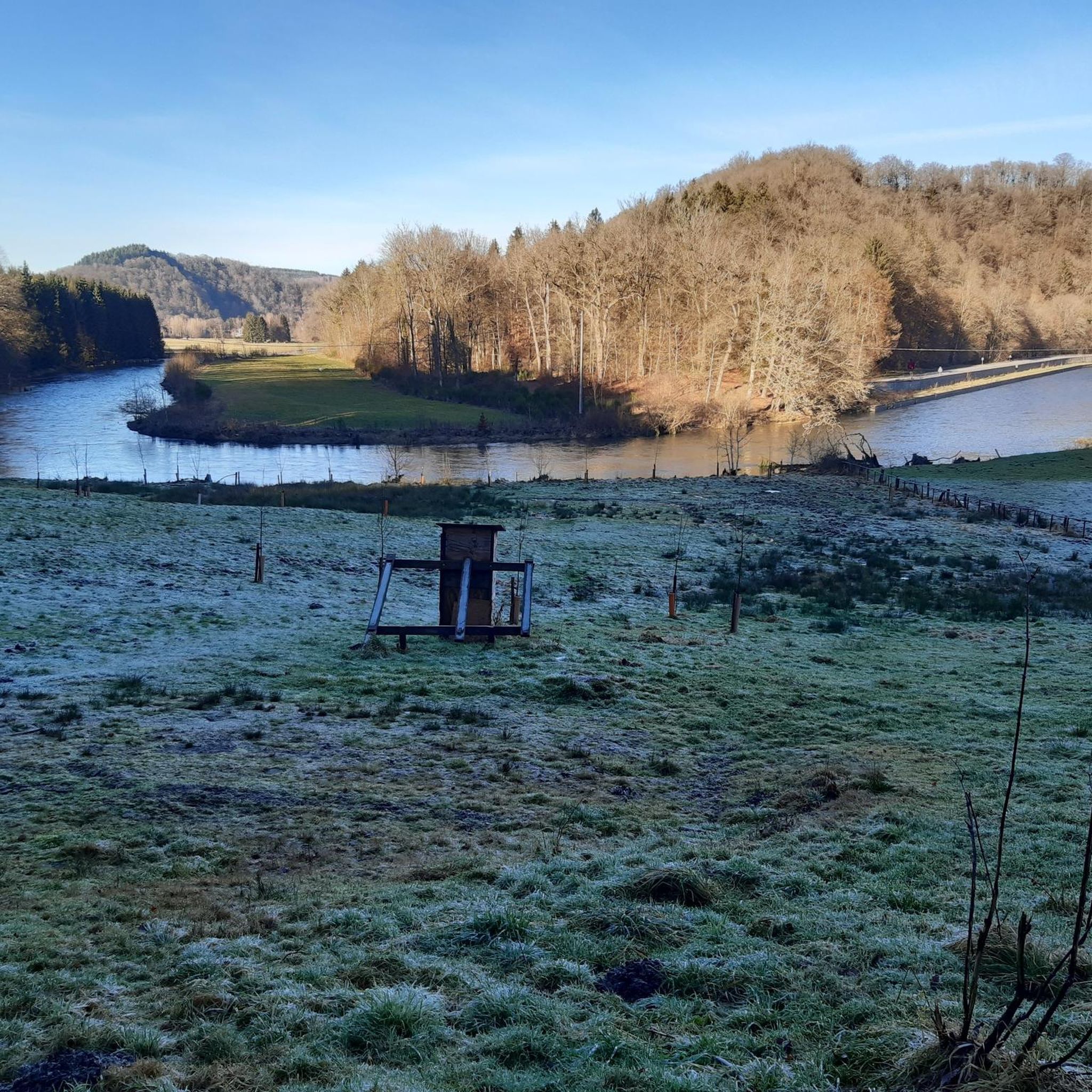
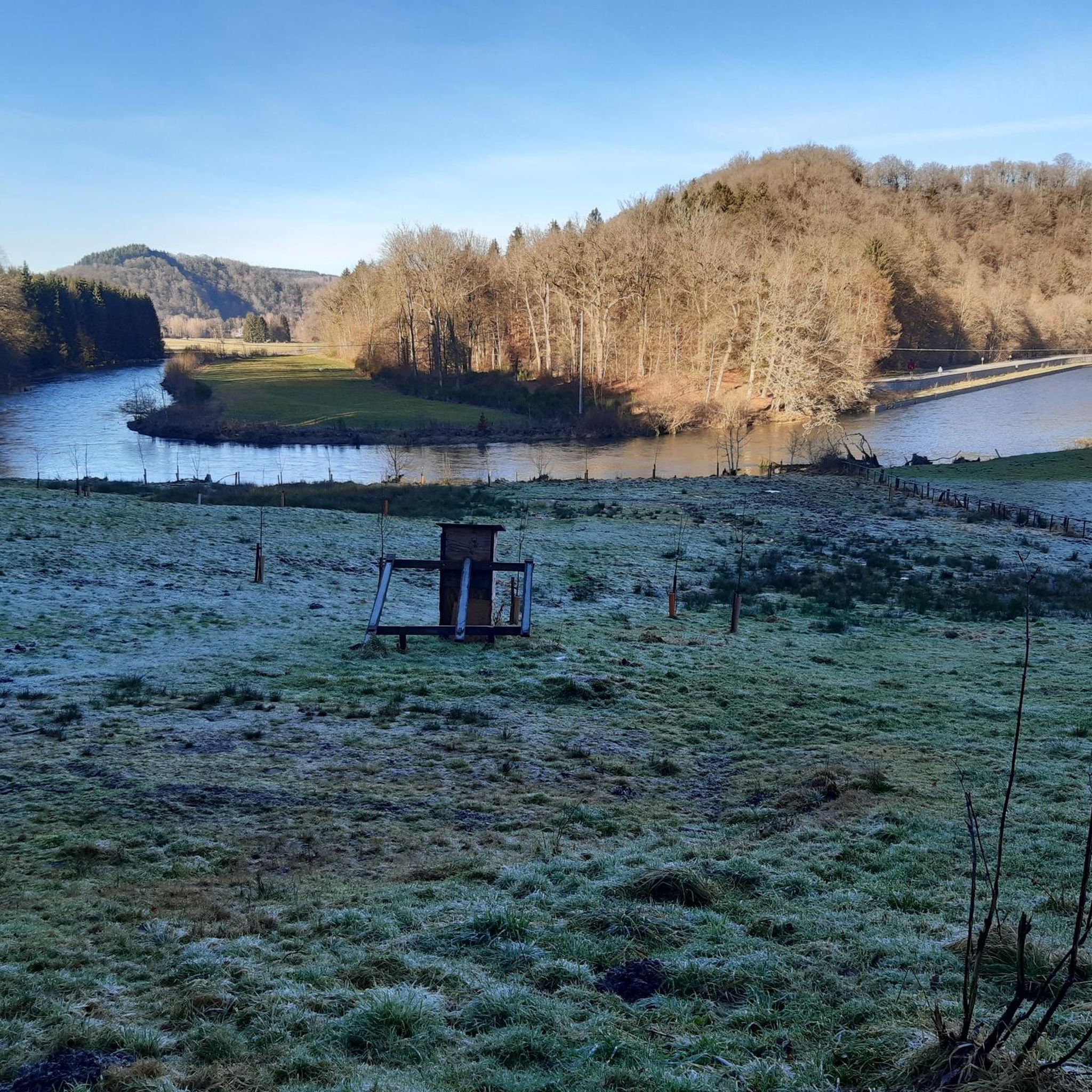
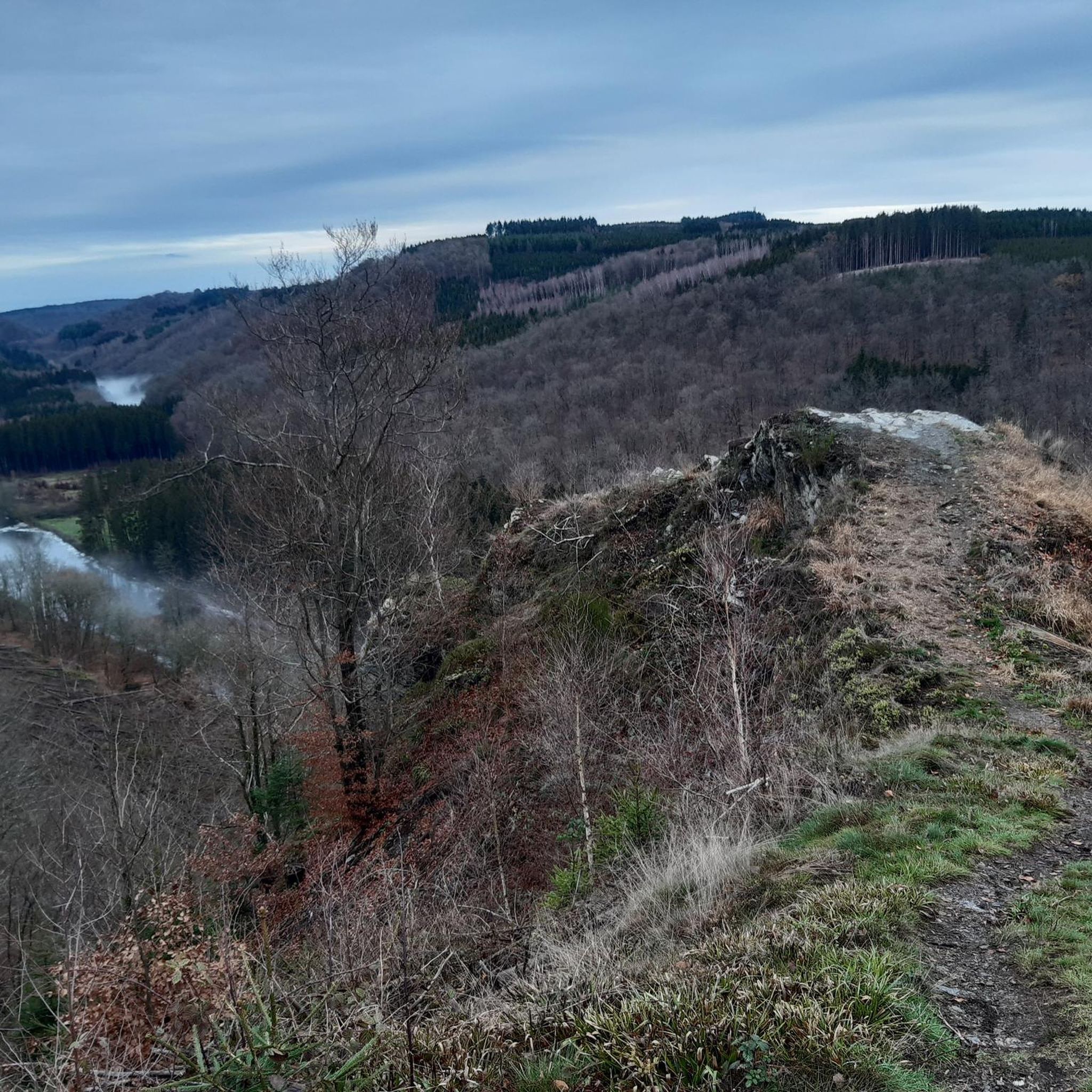
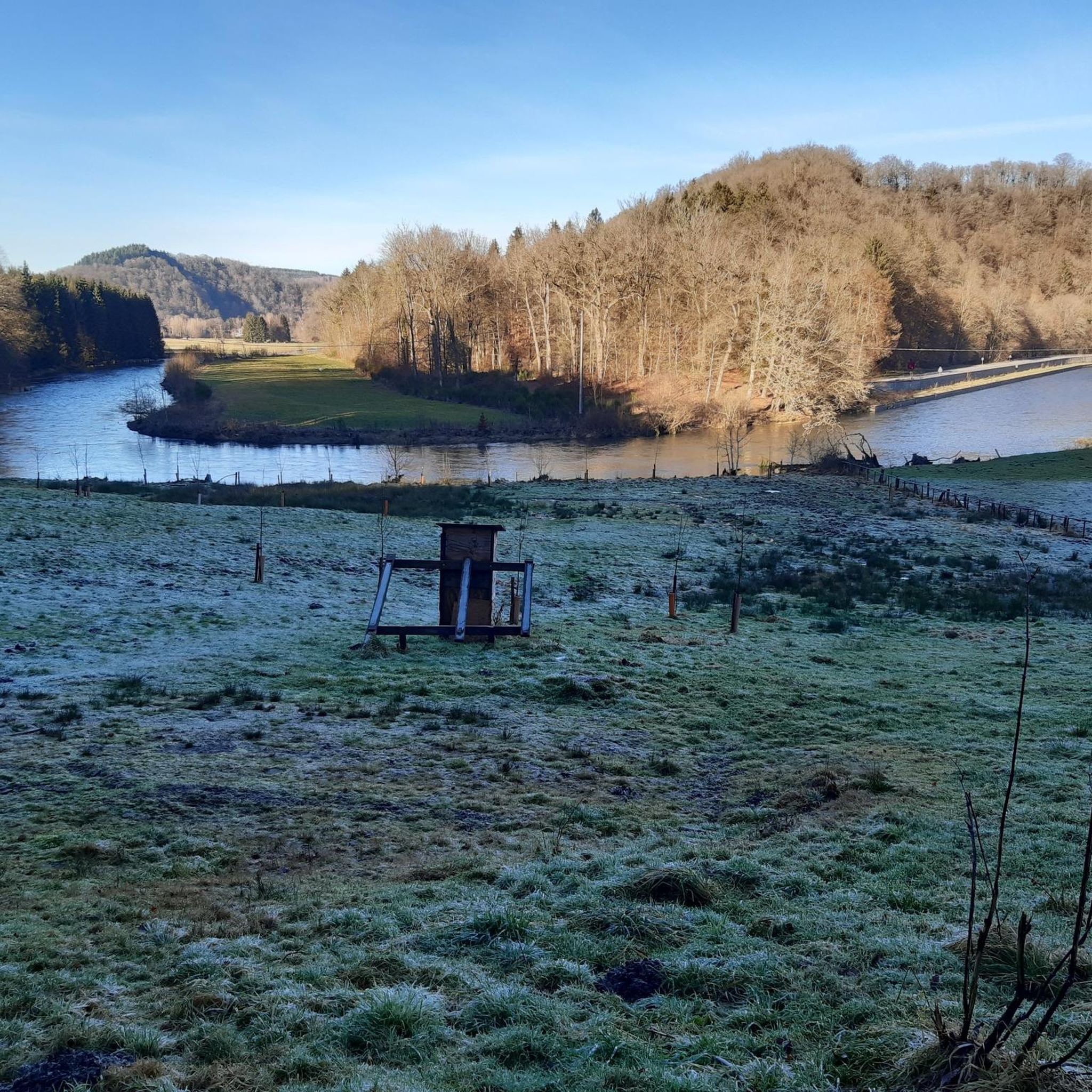
If you're looking for a scenic and challenging route, the ruins of Château fort d'Herbeumont are one of the most impressive medieval sites in Belgium. The castle is located on a steep schist hill, overlooking the village of Herbeumont and the Semois. As you climb and descend the rocky slopes, you can admire the panoramic views of the river and the surrounding forest. The ruins were renovated in 2010 and offer a glimpse of the original 13th century fortification.
5
0

On this walking path you have a beautiful view of the garden and meadows of Roumont castle.
8
0
In 1885, the De Coppee family acquired an impressive estate of 100 hectares with castle on the territory of Ochamps. Baron Évence III Coppee decides to build a new castle on the site of the manor. Alblan Chambon, highly sought after as an architect at the time, was commissioned to realize the plans for the castle in Renaissance style. It was built in 1912 after an example of the castle of Azay-le-Rideau from the Loire region. Towers were added to the original building, using a combination of natural stone and brick. This beautiful and excellently maintained castle of Roumont, together with four surrounding castle farms, complete this beautiful domain.
7
0
Information board where extensive explanation is given about Porcheresse and its inhabitants before the tragedy of the Great War. In 1914 Porcheresse is a village of clog makers. The inhabitants live mainly from agriculture. the construction of the tram connection opens up new possibilities. However, their living conditions will change dramatically due to the impending war. It is a small village with 460 inhabitants, located in an open place in the forest. THE area is hilly, crossed by the Lesse and the Almache. What do the inhabitants live on? Around 1900, 70% of men were clog makers in their main or secondary occupation. In the lower part of Porcheresse, along the Almache, mills for grain and oil, a sawmill, a tannery and a paper mill were also under development. In short, the inhabitants lived from agriculture and iron mining. How do the inhabitants move? After a long period of containment, the village was connected in 1908 to the tram line Rochefort-Wellin-Graide, as well as to the railway.
6
0
ベルトリでのの人気観光スポット

komootモバイルアプリでインスピレーションを得よう


