リエムストの峡谷・トップ10
リエムストには 10
の息を呑むほど美しい峡谷があります。以下に紹介する必見の峡谷一覧に掲載されている写真、おすすめ情報、その他のデータを参考にして、次の冒険でリエムストの美しい峡谷を訪れる際に役立てましょう。
最終更新日: 6月 4, 2026
Trichterberggroeve 石灰岩採石場
ハイライト • 自然記念物
サヴェルスボスの砂利採石場
ハイライト • 自然記念物
翻訳者 Google •
役立つ情報 は

今すぐサインアップして、こんな場所を発見しよう
最高のシングルトラック、ピーク、その他のエキサイティングなアウトドアスポットのおすすめを受け取ろう。
無料新規登録
グローヴェ・ブロム
ハイライト • 峡谷
翻訳者 Google •
役立つ情報 は
Thier des Vignes の燧石洞窟
ハイライト • 洞窟
Source: mini-ardenne.be/poi.card.php?id=6036&language=fr
翻訳者 Google •
役立つ情報 は

ストローベルググローヴェ(ベメレンの洞窟)
ハイライト • 洞窟
翻訳者 Google •
役立つ情報 は

無料でサインアップして、さらに多くの峡谷を発見しましょう リエムストでの。
無料新規登録
すでにアカウントをお持ちですか?



コミュニティからのヒント


There are old flint quarries in this area: the “Carrières de silex du Thier des Vignes”.
1
0

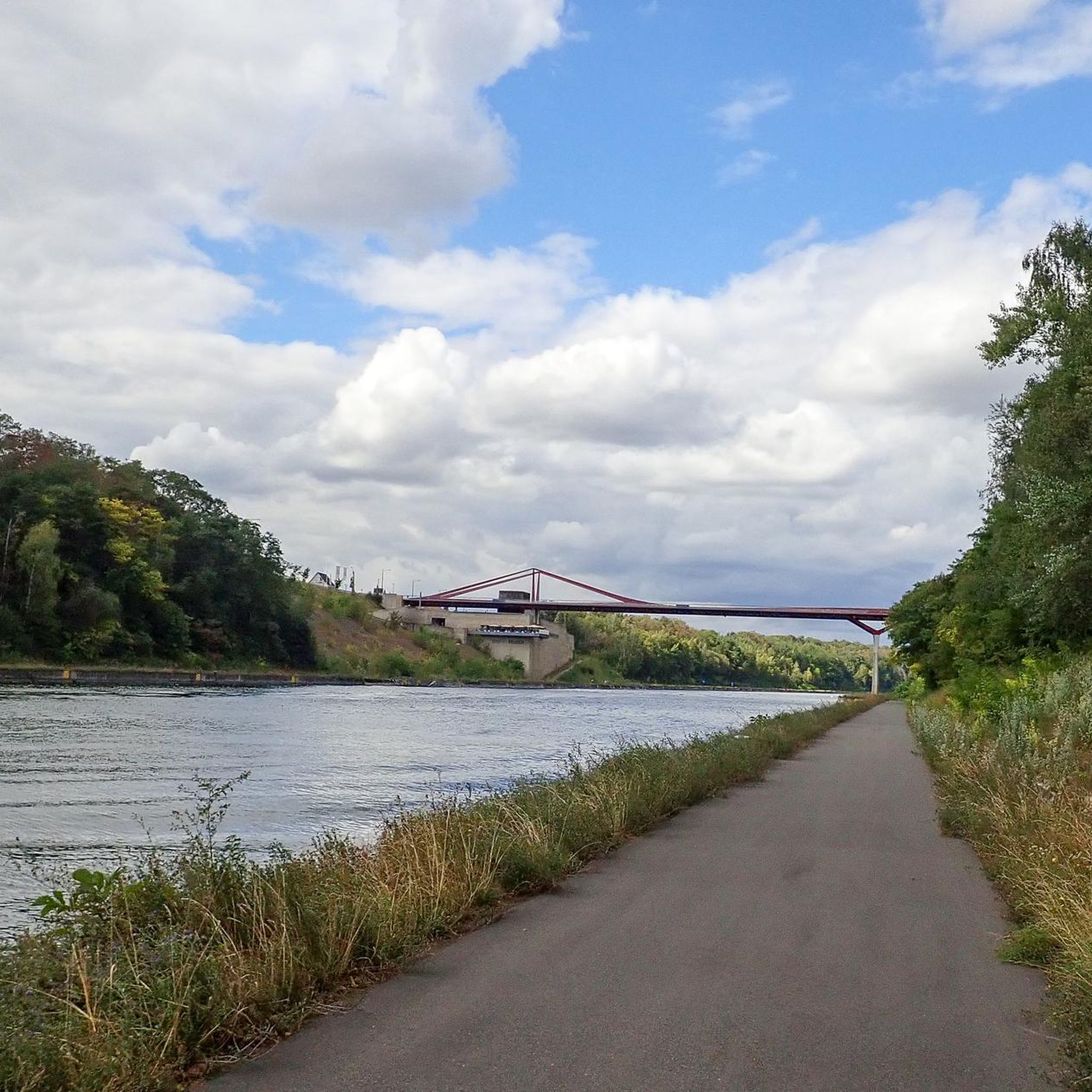
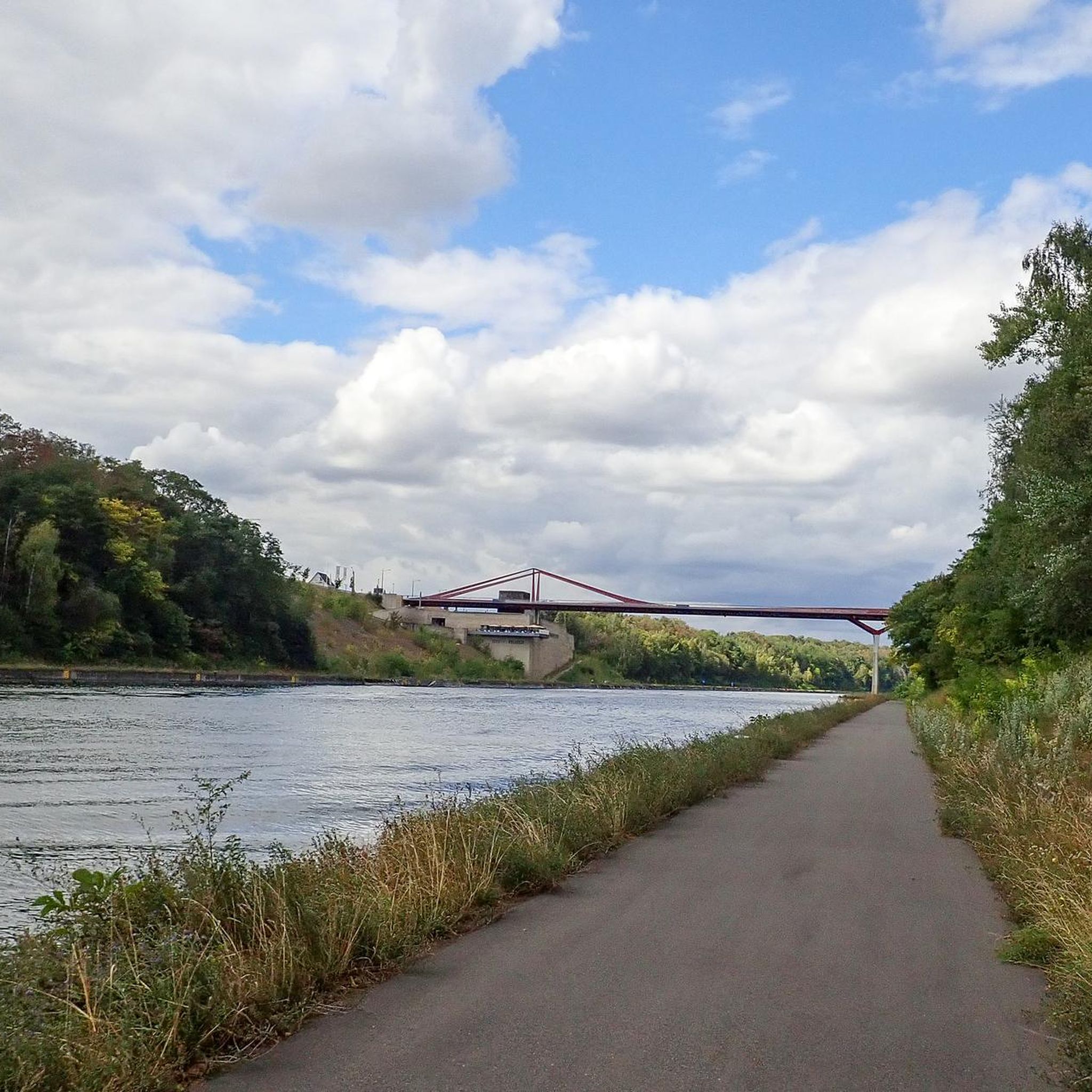
A mysterious flint cave on the edge of the Albert Canal, near the locks at Klein Ternaaien. You reach the entrance via a steep path through the woods. The caves are dark, cool, and full of atmosphere—perfect for those who love hidden natural spaces. Bring a flashlight and good walking shoes!
2
0

Info about these caves: https://nl.wikipedia.org/wiki/Strooberggroeve
1
0

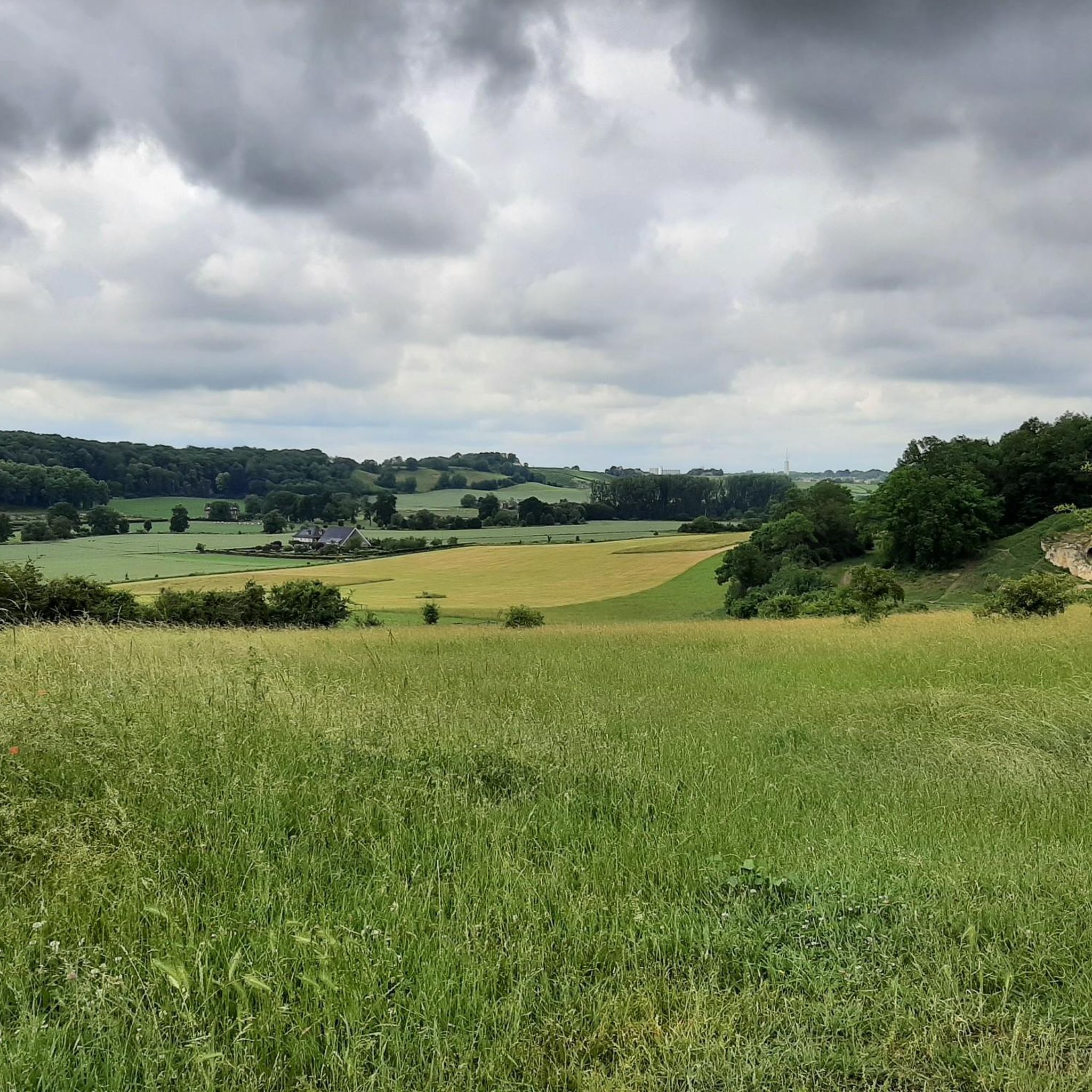
Impressive, you can see some caves.
1
0

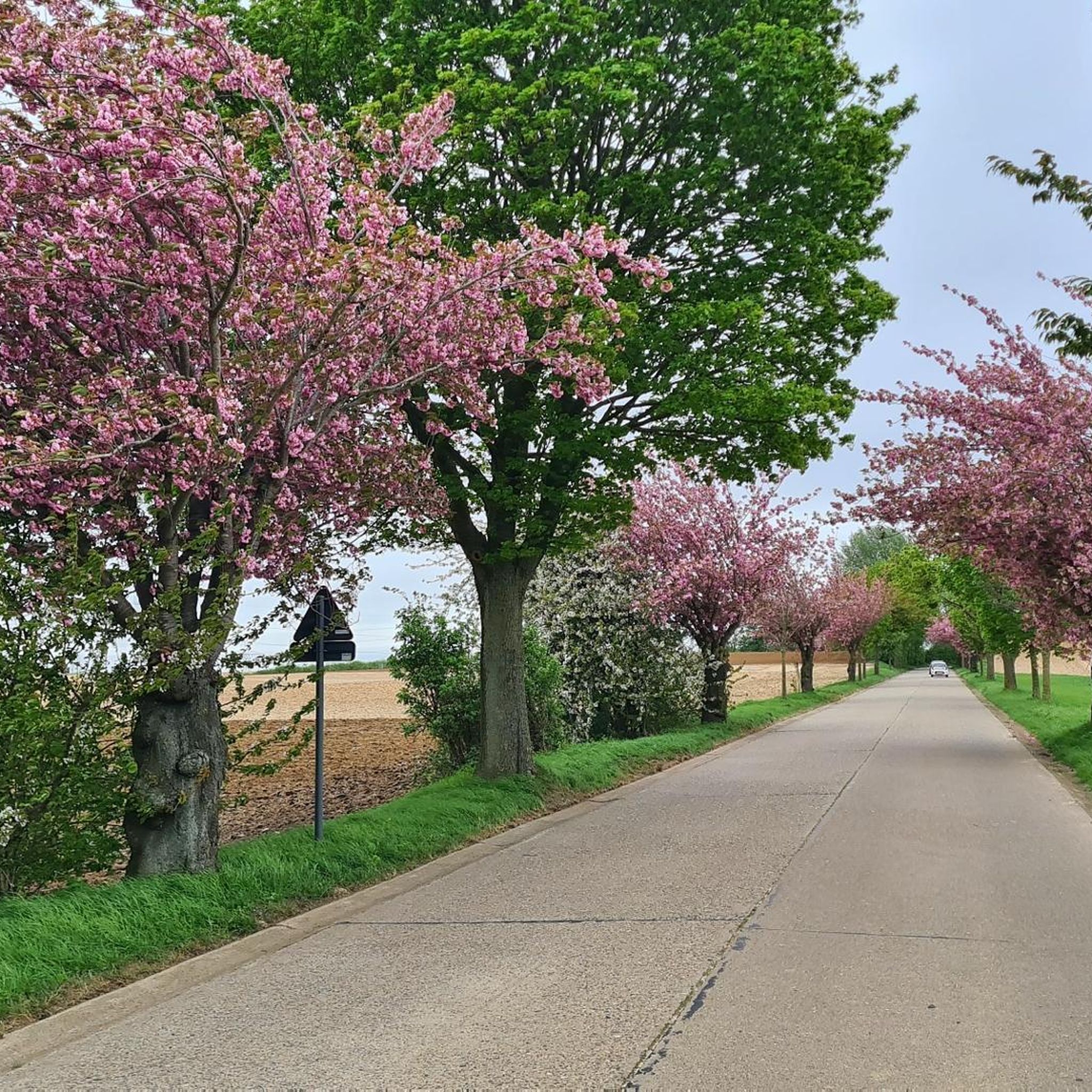
Wonderful single track with deliciously scented wild garlic on both sides.
1
0

Text board [see photo] Limestone quarry Trichterberg Geological Monument Limestone quarry Trichterberg In the past, limestone was mined at this location. This limestone was used as building blocks and at a later time for fertilizing (oenergelen) fields and meadows ` In the upper Cretaceous (80 to 65 million years ago) the whole of South Limburg was flooded by a 'Cretaceous sea'. Many plants and animals that are now extinct lived in this tropical sea. The limestone visible here consists of countless skeletons of small plants and animals that formed the plankton. Many large animals also lived in this Cretaceous sea, such as the ten-meter-long 'Mosasaur'. Flint Flint is a hard rock that can form in pure limestone under very special circumstances. Flint consists of pure silica (SiO2). In the Stone Age, this rock was used for making stone tools. Until the last century, flint was used to make fire using the Tinderbox.
2
0
Text board [see photo] Gravel pit Savelsbos Geological monument 'Gravel pit Savelsbos'. From Roman times until around 1950, a mixture of sand and gravel was excavated in this pit to improve and harden roads. Around 1 million years ago, the Maas flowed from Eijsden towards Cadier en Keer. At the end of this period, the Maas valley was filled with a mixture of sand and gravel. The sand, gravel and stones present come from the Vosges and the Ardennes.
3
0
リエムストでのの人気観光スポット

komootモバイルアプリでインスピレーションを得よう


