イクセル-Elseneのおすすめウォーキング&ハイキングルート
4.6
(793)
4,458
ハイカー
64
ハイキング
イクセル-Elsene周辺でのハイキングは、景色を満喫するのに最適な手段のひとつですが、適切なハイキングルートを見つけることは簡単ではありません。 イクセル-Elsene周辺の人気ハイキング&ウォーキングコースを参考にすれば、行きたいルートをすぐに見つけられます。
最終更新日: 9月 10, 2026
4.7
(160)
633
ハイカー
17.8km
04:45
190m
190m
中程度のハイキング. ある程度のフィットネスレベルが必要です。 進みやすいルートです。あらゆるスキルレベルに適しています。
4.8
(225)
784
ハイカー
9.43km
02:31
100m
100m
中程度のハイキング. ある程度のフィットネスレベルが必要です。 進みやすいルートです。あらゆるスキルレベルに適しています。

無料新規登録
4.5
(31)
170
ハイカー
19.1km
05:04
190m
190m
難しいハイキング. 標準以上のフィットネスレベルが必要です。 進みやすいルートです。あらゆるスキルレベルに適しています。
4.5
(23)
117
ハイカー
中程度のハイキング. ある程度のフィットネスレベルが必要です。 進みやすいルートです。あらゆるスキルレベルに適しています。
4.9
(28)
90
ハイカー
中程度のハイキング. ある程度のフィットネスレベルが必要です。 進みやすいルートです。あらゆるスキルレベルに適しています。
さらに多くのルートや他のユーザーのおすすめ情報を確認できます。
無料新規登録
すでにアカウントをお持ちですか?
おすすめのツアーは他のkomootユーザーが実際に経験した何千ものアクティビティに基づいています。
無料アカウントで今日から始めよう
次の冒険が待っています。
ログインまたは登録
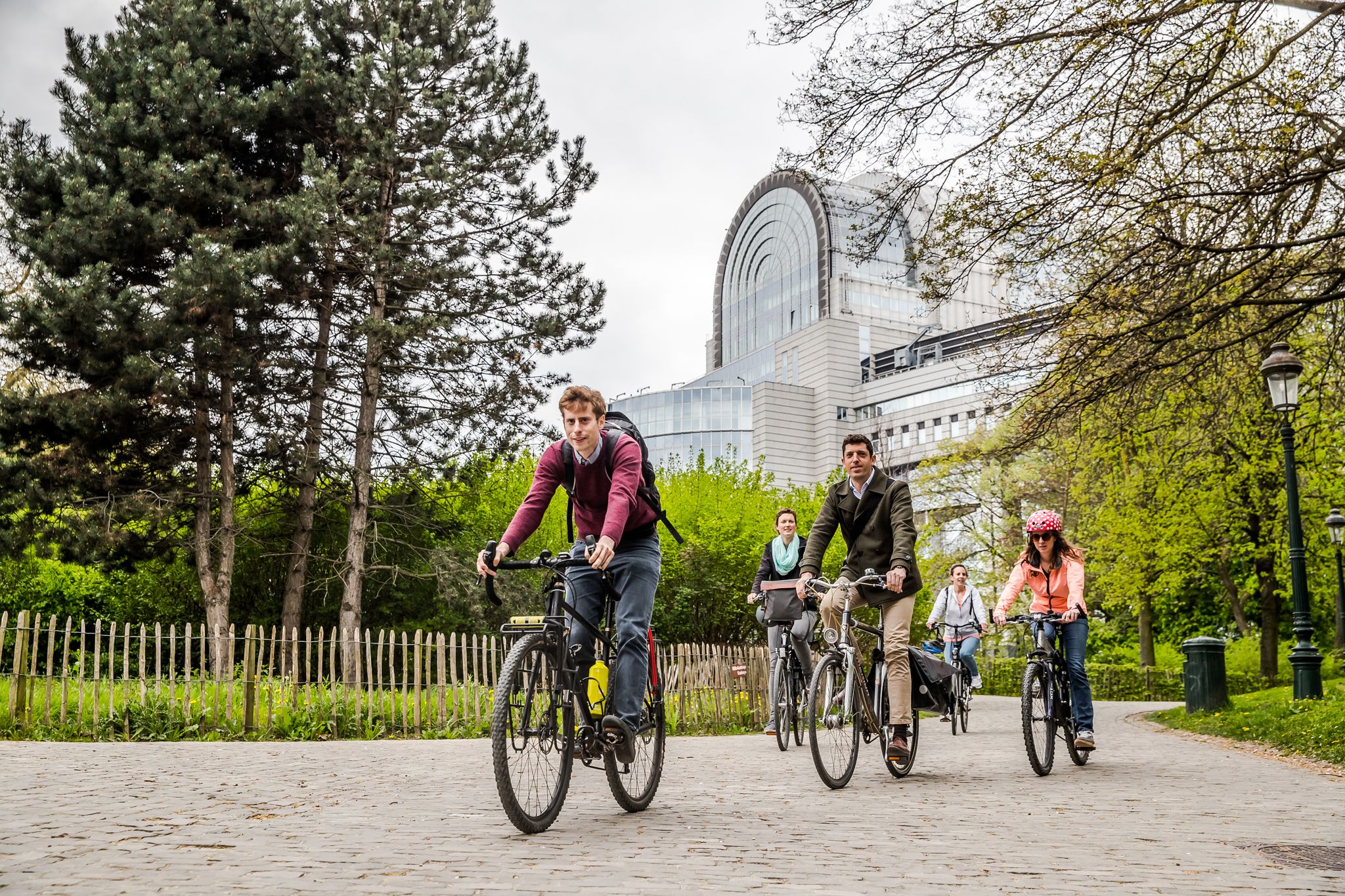
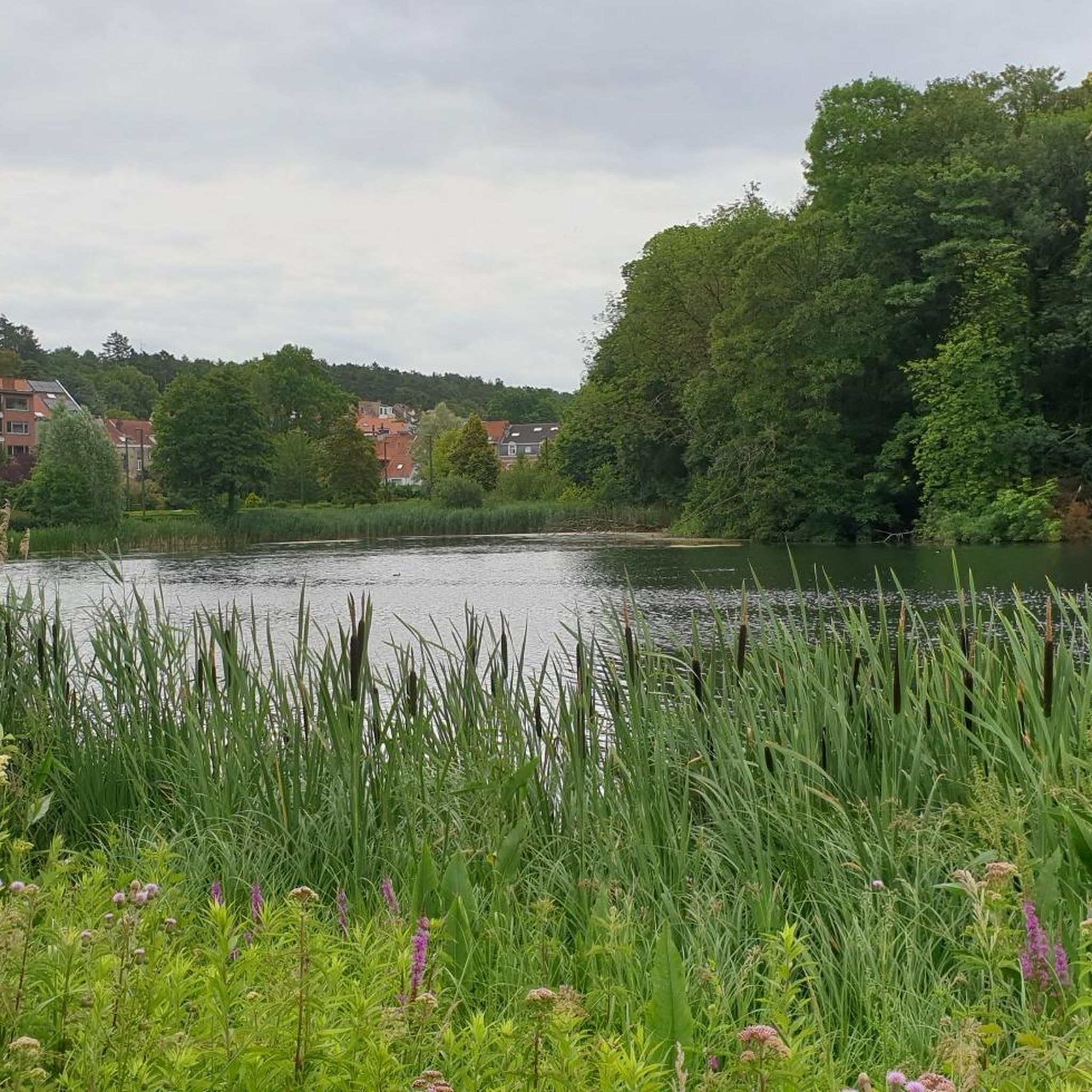
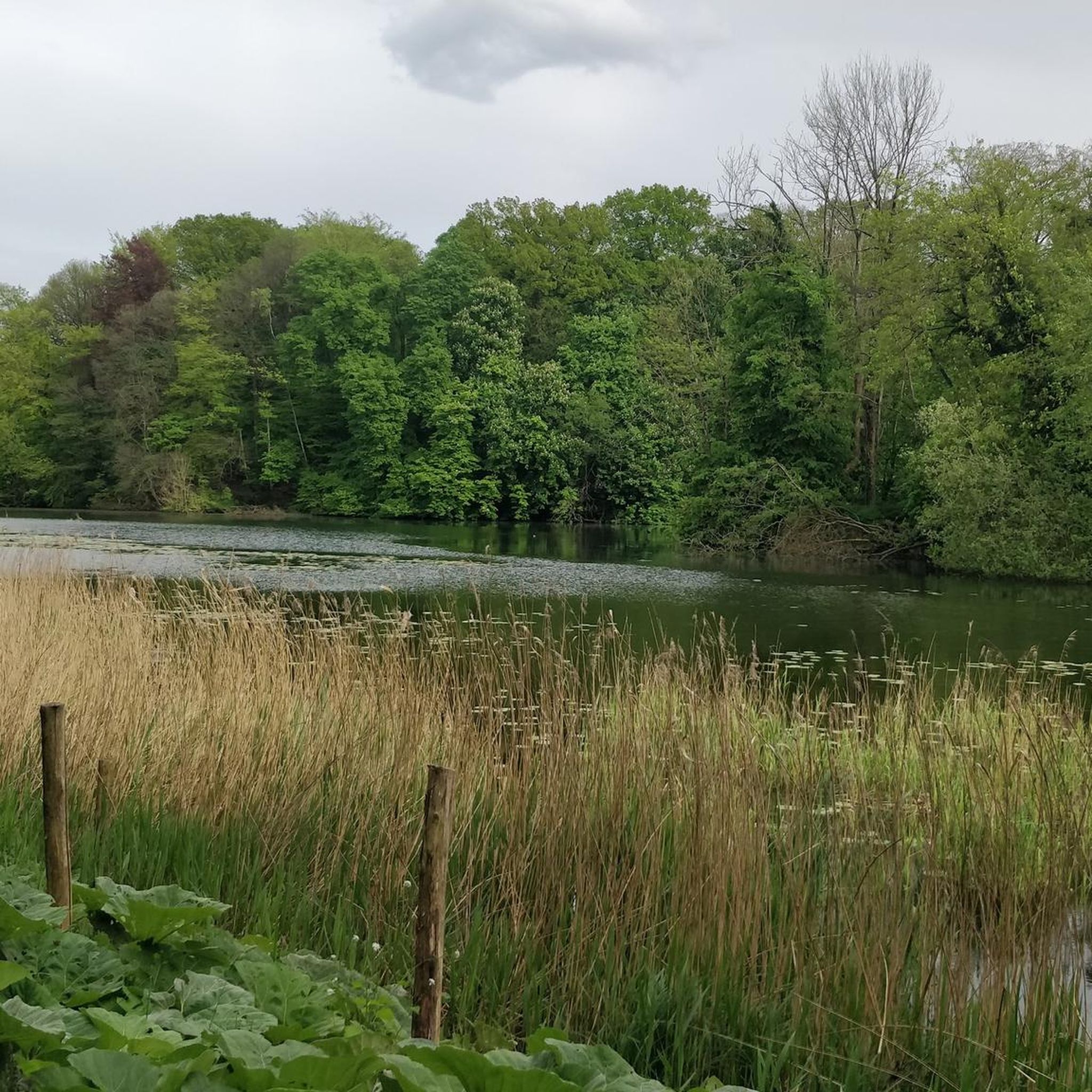
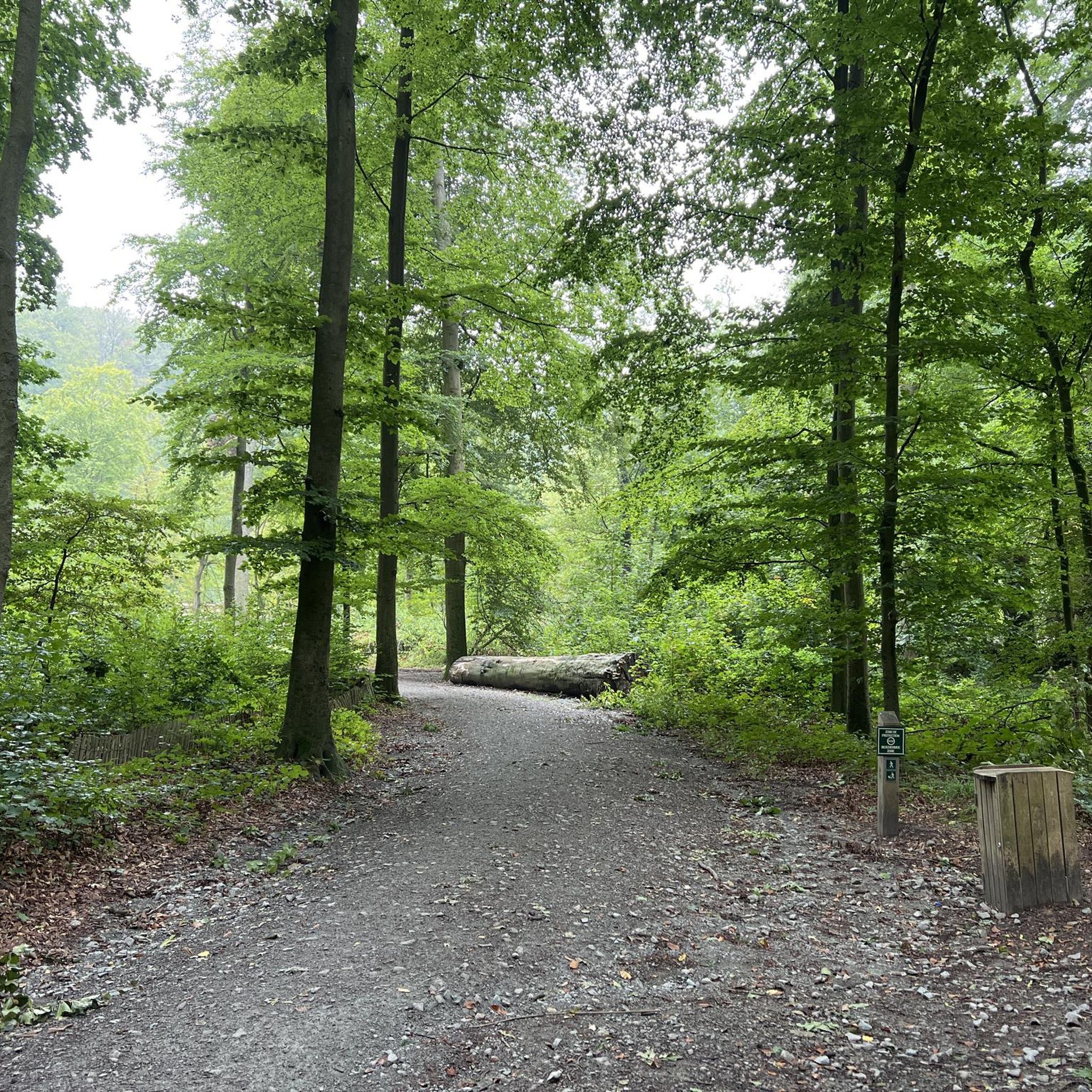
イクセル-Elseneでのの他の冒険

コミュニティからのヒント

Known for its distinctive shape with three protrusions that resemble the toes of a goose foot.
3
0

A solid wood bridge crosses the Horseshoe Pond, which is thus divided into two parts.
3
0


one of the most beautiful trails in the Soignies forest
0
0

Any time of year... here with goldenrod. Bosvoorde pond, Vuursteenweg near IS. Just review it.
1
0

A 1600m long racecourse ideal for interval training. It has a fine gravel surface.
0
0

Here we see a watercourse, which is enough for a beaver. If the beaver builds a dam here, it can become a pond or a lake in two or three years. The animal can change an entire ecosystem, simply because its dam retains water and rain. These natural beaver dams are very efficient in combating floods and droughts, because they regulate the flow of small watercourses. Locally, they can shape the forest through flooding by flooding parts of the forest, causing the tree vegetation to die. When the beavers leave their dam and their beaver pond, a succession from pioneer forest to climax forest can start again after the reservoir has drained.
1
0
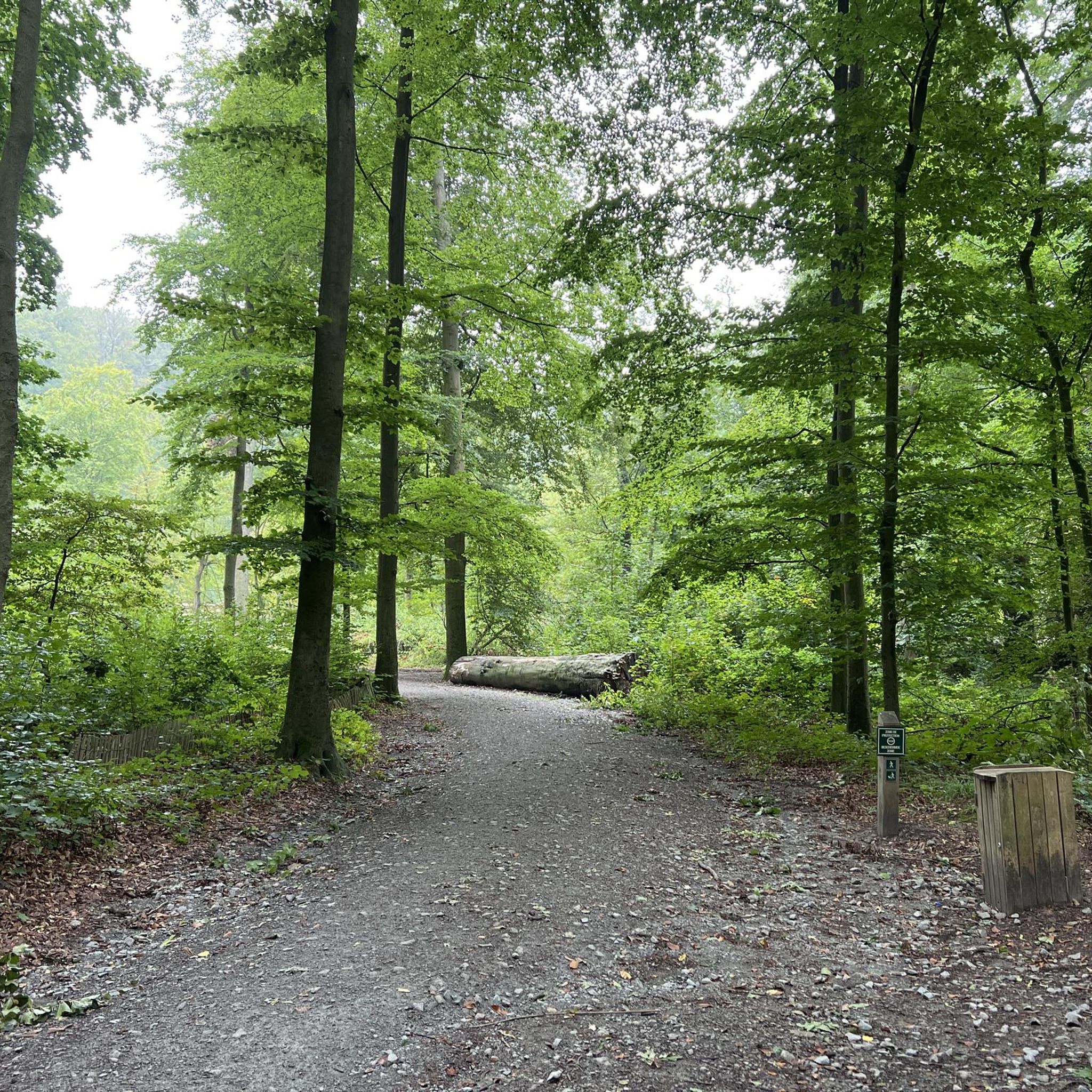
A beech tree likes shade in its youth. They can establish themselves in the shade of other more light-loving tree species. Conversely, no tree is able to establish itself under a closed canopy of beeches. We therefore call the beech the climax tree species. It closes off the natural forest succession and can maintain it for a very long time, provided that no large-scale and brutal disturbances disrupt its kingdom. This place is very typical of the forest management of the Sonian Forest: all the trees are the same age and of the same species. In this part you see monospecific forest management, they are all beeches.
1
0
イクセル-Elseneでのの人気観光スポット

komootモバイルアプリでインスピレーションを得よう


さらに探索
他の地域の最高のハイキングを見てみましょう。
