スピエーレヘルキンのおすすめウォーキング&ハイキングルート
4.5
(147)
830
ハイカー
44
ハイキング
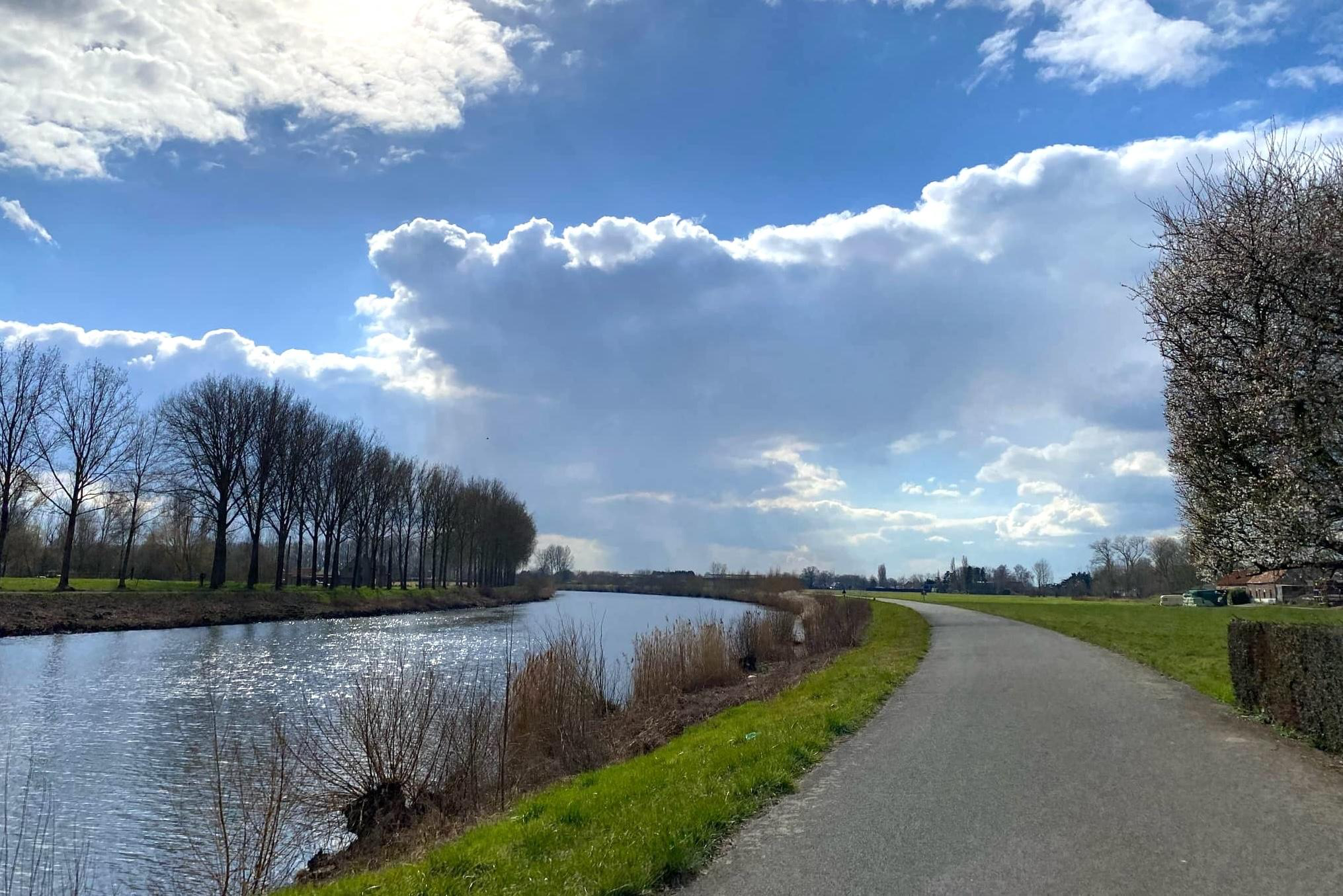
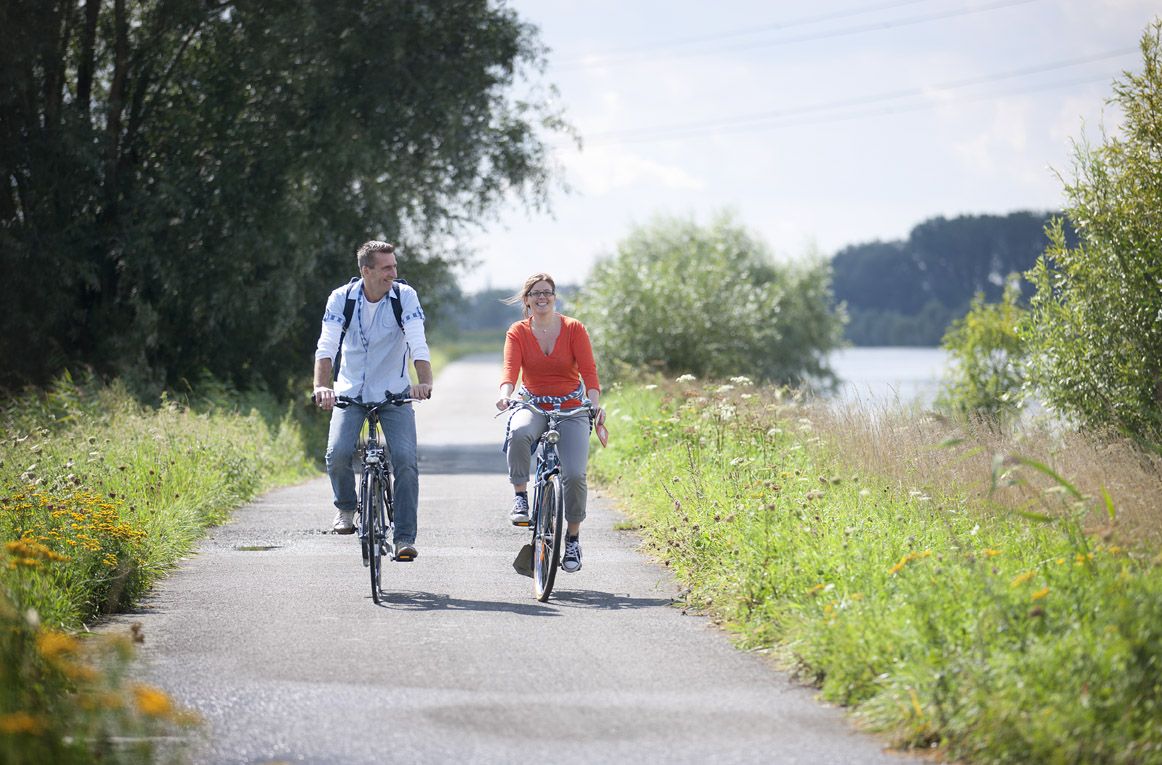
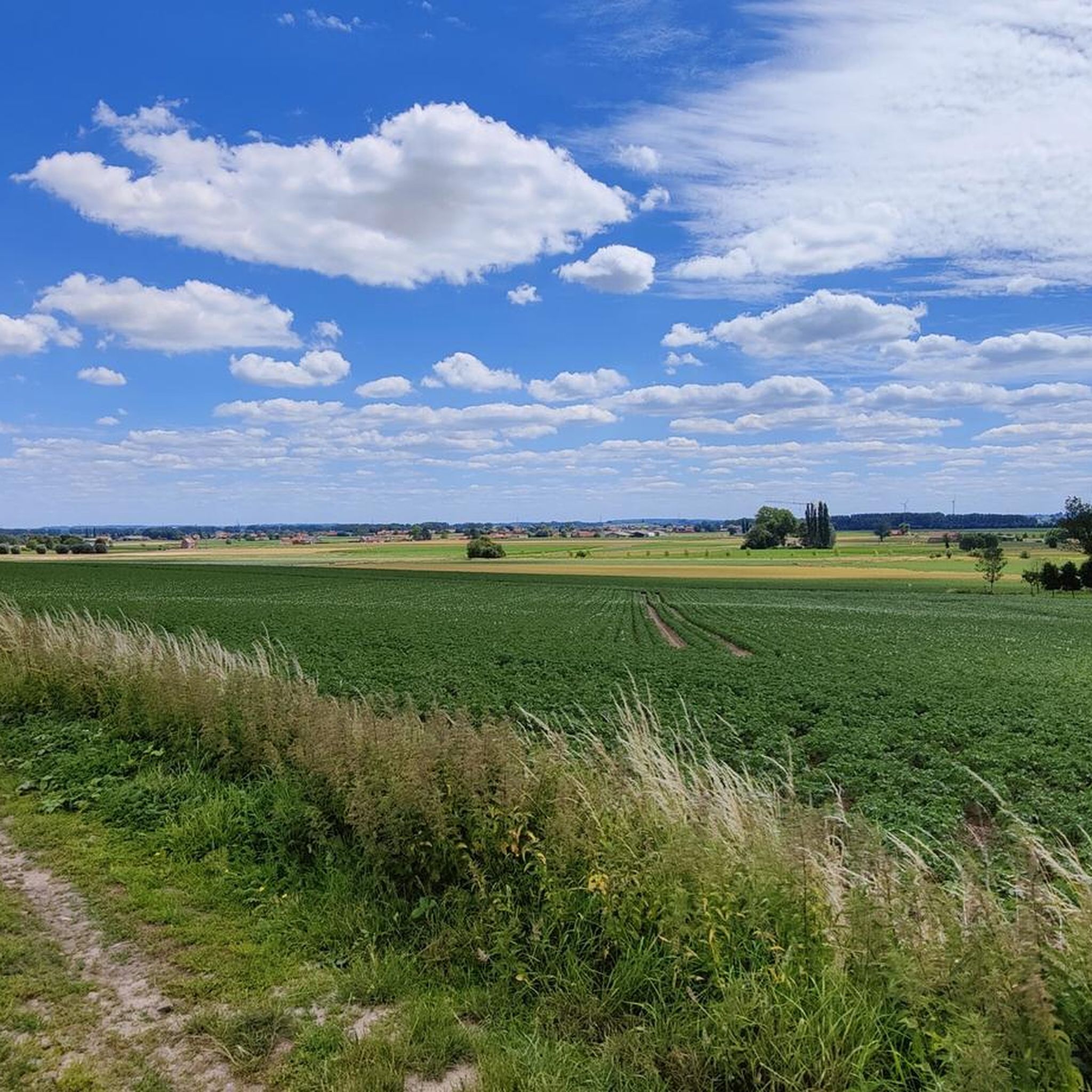
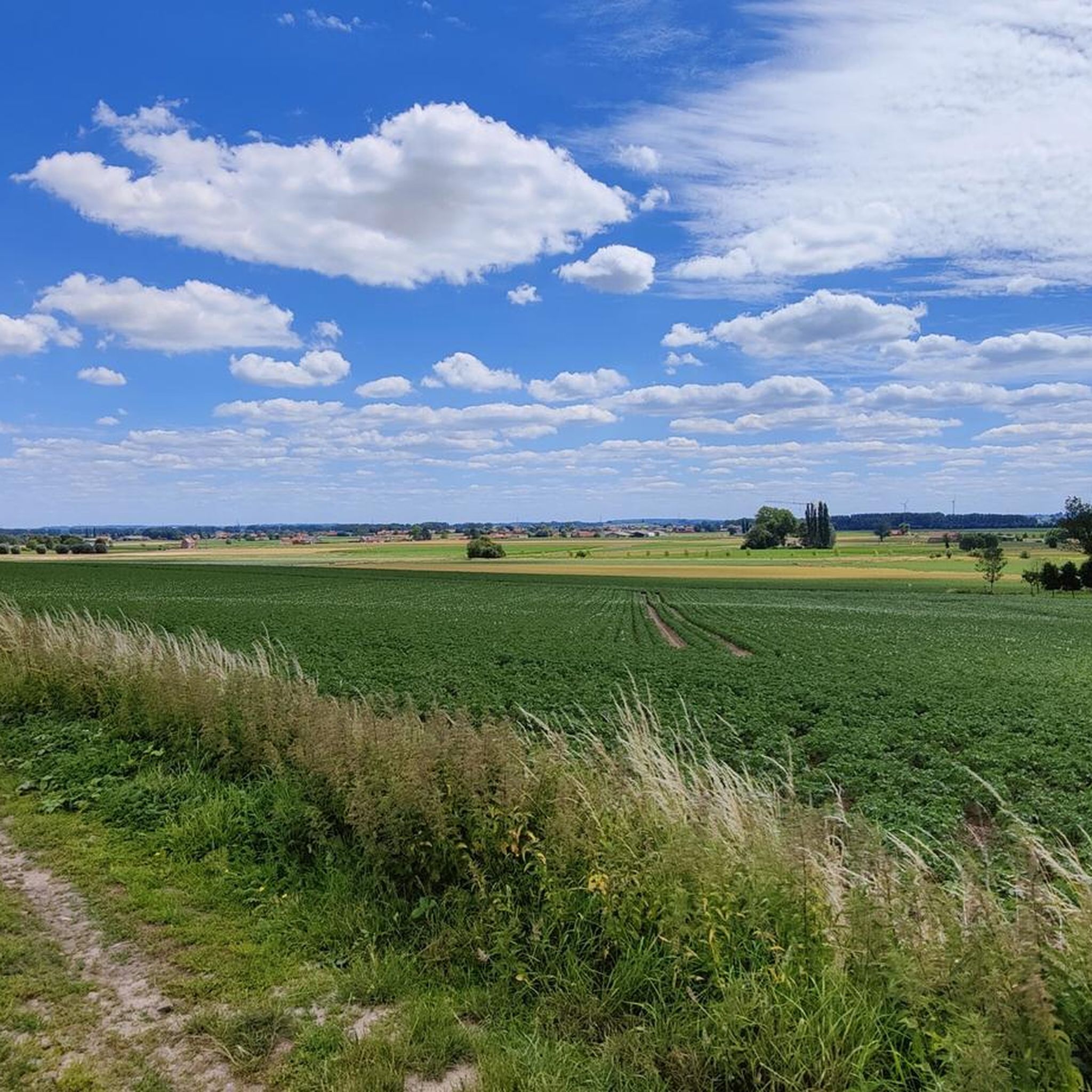
スピエール・ヘルキン周辺のハイキングは、緑豊かで田園風景が広がる起伏のある地形を探索する機会を提供します。この地域は、畑、森林地帯、水路を含む、変化に富んだパノラマビューが特徴です。主な自然の特徴には、静かなルートを提供するスヘルデ川とスピエレ運河があります。また、この地域には古い鉄道跡地と数多くの農道があり、アウトドアアクティビティのための広範なネットワークを形成しています。
スピエール・ヘルキン周辺の最高のハイキングコース
- 最も人気のあるハイキングコースは、Trimaarzate Countryside Path – Under the Sun loop from Spiere-Helkijn - Espierres-Helchinです。このコースは12.7km(7.9マイル)で、所要時間は3時間13分です。田園風景と水路沿いを巡ります。
- 地元のハイカーに人気のもう一つのコースは、Old Swimming Pool of Spiere-Helkijn – Jacquetbosstraat Cobbled Road loop from Spiere-Helkijn - Espierres-Helchinです。このコースは10.0km(6.2マイル)の中程度の難易度で、史跡や特徴的な石畳の道を探索します。
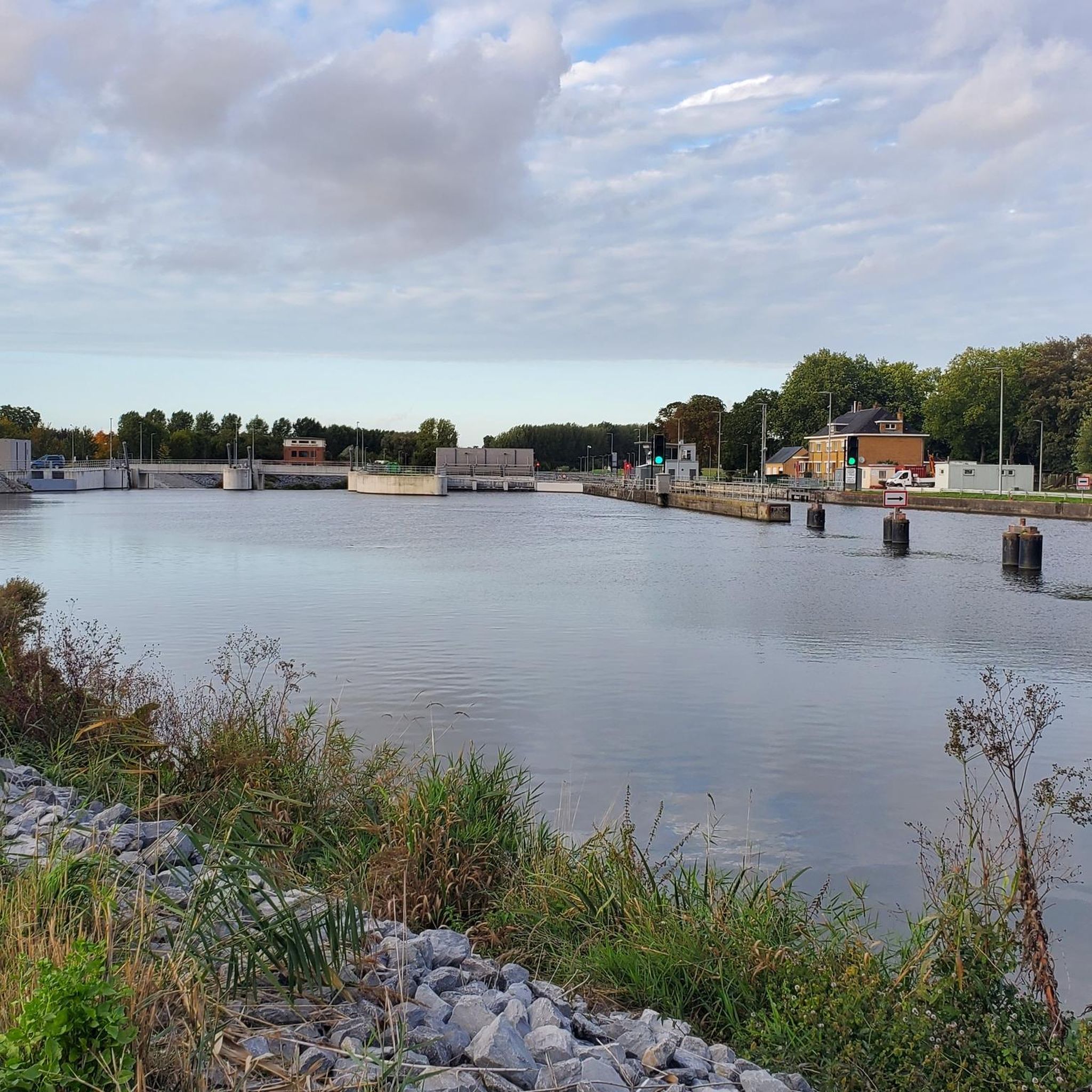
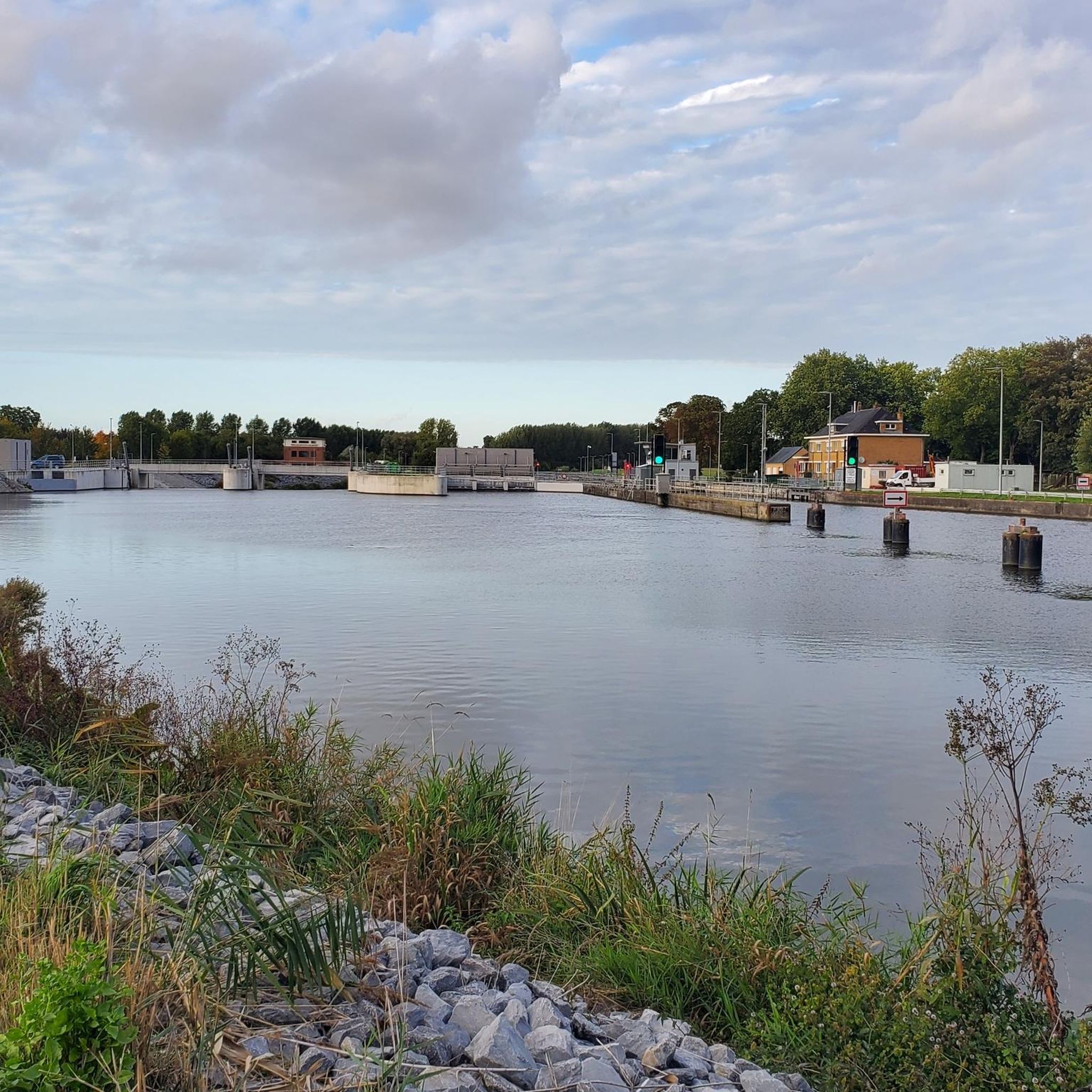
- 地元のハイカーに愛されているのは、Hoeve 't Wit Hof – Sluizencomplex van Spiere loop from Spiere-Helkijn - Espierres-Helchinです。この8.5km(5.3マイル)のコースはスヘルデ川地域を通り抜け、所要時間は約2時間9分です。
- スピエール・ヘルキン周辺のハイキングは、起伏のある田園地帯、スヘルデ川、広範な農道によって特徴づけられます。このネットワークは、簡単な散歩からより挑戦的なルートまで、さまざまなレベルのオプションを提供します。
- スピエール・ヘルキンのルートは、120件以上のレビューで平均4.5つ星という高い評価をkomootコミュニティから受けています。700人以上のハイカーがkomootを利用して、スピエール・ヘルキンの多様な地形を探索しました。
最終更新日: 8月 25, 2026
4.4
(40)
252
ハイカー
中程度のハイキング. ある程度のフィットネスレベルが必要です。 進みやすいルートです。あらゆるスキルレベルに適しています。
4.3
(15)
78
ハイカー
中程度のハイキング. ある程度のフィットネスレベルが必要です。 進みやすいルートです。あらゆるスキルレベルに適しています。

無料新規登録
4.3
(7)
23
ハイカー
7.27km
01:50
10m
10m
初級者向けハイキング. あらゆるフィットネスレベルに適しています。 進みやすいルートです。あらゆるスキルレベルに適しています。
4.3
(6)
19
ハイカー
初級者向けハイキング. あらゆるフィットネスレベルに適しています。 進みやすいルートです。あらゆるスキルレベルに適しています。
4.3
(6)
15
ハイカー
中程度のハイキング. ある程度のフィットネスレベルが必要です。 進みやすいルートです。あらゆるスキルレベルに適しています。
さらに多くのルートや他のユーザーのおすすめ情報を確認できます。
無料新規登録
すでにアカウントをお持ちですか?
おすすめのツアーは他のkomootユーザーが実際に経験した何千ものアクティビティに基づいています。



コミュニティからのヒント


Ellestraat付近の壁の亀裂により、1959年に運河は完全に空になりました(運河のほぼ中間地点)。この損害は後にマスクラットの掘削作業に関連付けられました。 (Wikipedia)
7
0
Vespabarは、4月から9月にかけて水曜日の午後と土曜日、日曜日、祝日は終日営業しています。イースター休暇と夏休み期間中は、天気が良ければ毎日営業しています。
7
0

1944年4月22日、アメリカのB-24爆撃機「Liberator K fort King」がここに墜落しました。それ以前に、乗組員はパラシュートで脱出することに成功していました。一部は地元のレジスタンスの助けを得ました。
1
0

On March 4, 1944, the Spitfire "HOT-BOX" serial number MJ306 of No. 412 Squadron of the Royal Canadian Air Force was hit by German anti-aircraft fire during mission "Ramrod 623" over Belgium. The Spitfires were supposed to protect American B-17 bombers on their return flight from a raid on Berlin. The aircraft attempted to return but developed engine problems and crashed near the Scheldt River in Helkijn. The 22-year-old Canadian pilot, Flight Lieutenant Andrew Boyd Ketterson, bailed out too late and did not survive the jump. His body was found along the riverbank in Pottes and initially laid out in this mortuary before being transferred to the municipal cemetery in Wevelgem. Andrew Boyd "Ketty" Ketterson was buried there with military honors by the German occupying forces in grave 451. The list of theaters of war of No. 412 Squadron is impressive: Defence of Great Britain 1941-43, English Channel and North Sea 1942-43, Fortress Europe 1941-44, Dieppe, France, Belgium, the Netherlands and Germany 1944-45, Normandy 1944, Arnhem, Bastogne and the Rhine. The squadron was disbanded on 21 March 1946. From the D-Day landings in Normandy (6 June 1944) until the end of the war in 1945, Squadrons 411, 401, and 412 (together No. 126 (RCAF) Wing) were the most efficient fighter units of the 2nd Tactical Air Force, with an incredible score of 336 German aircraft destroyed and thousands of vehicles, locomotives, and railway wagons. Dedicated to Flight Lieutenant A.B.M. Ketterson, 22, born in Montreal, Canada, and pilot of the "HOT-BOX" Spitfire with serial number MJ306 and squadron code VZ-M. This memorial stone is a tribute to all Canadian crew members, pilots, and ground personnel who helped liberate Europe during World War II. Source: Information board on site
2
0
Tradition has it that the first church was built here around 650, consecrated by Saint Eloi himself. The first church in Helkijn was supposedly served by the monks of St. Martin's Abbey in Tournai. The patronage of the parish church belonged to the Bishop of Tournai, who was also the feudal lord and partial owner of the Lordship of Helkijn. The oldest verifiable church building dates from 1200. Archaeologists discovered the remains of a single-nave Romanesque structure made of Tournai stone in the substructure of the current St. John's Church. Due to its strategic location on the border between the County of Flanders and the French-aligned Tournai, Helkijn repeatedly played an important military role. Consequently, the church was destroyed many times. During the Nine Years' War between France and Austria (1688-1697), the church treasures were plundered, and in 1694, French troops burned the building to the ground. Thanks to a special subsidy from the Sun King (Louis XIV), likely due to the warm welcome he received at La Folie (see Maes farm), the church's reconstruction was completed in 1705. The brick bell tower was added to the complex in 1716. During the French Revolution, the church was closed and its contents sold at public auction. The church was destroyed again during the First World War. In 1990, the interior was completely restored with the support of the municipality, the diocese, and the King Baudouin Foundation. The interior is now the result of a compromise between contemporary elements, differentiated white walls, a soft blue choir canopy, and original 18th-century Baroque style. Church Treasures: A remarkable silver dish made in Bruges at the end of the 17th century; a stylish silver ceremonial staff, topped with a silver statuette depicting Saint John the Baptist. The patron saint of the church, Saint John the Baptist, is invoked against "vreze" (bad dreams) and is celebrated on June 24th. Source: www.spiere-helkijn.be
2
0
"The Ship Hunter" is a bluestone sculpture by Wilfried Gheysen and symbolizes the boat pullers or boat hunters (les satcheux) who towed boats along the towpath at the beginning of the last century. Near locks or waterway junctions (e.g., the Scheldt-Spiere Canal), skippers could hire a boat hunter who towed the boat on horseback or on foot. These were usually small farmers who lived nearby and were eager to earn some extra income. Source: spiere-helkijn.be
2
0
Until 1955, people used to swim here, but now it's a fascinating spot on your walking tour. You'll see the old pool with the original changing rooms and The Fisherman: a 10-meter-high sculpture by Tom Herck, previously displayed on the Grand Canal during the Venice Biennale. There's also a permanent outdoor exhibition. Eight artists were inspired by the former swimming pool and display their work on panels between the changing rooms, along with nostalgic archive photos. In the summer, relax at the summer bar and linger a little longer. Fun fact: in 1935, a water purification testing factory stood here. King Leopold III even visited. The project was canceled, and the pool closed in 1955, but it did receive protected monument status. Source: www.toerisme-leiestreek.be
2
0
スピエーレヘルキンでのの人気観光スポット

komootモバイルアプリでインスピレーションを得よう


さらに探索
他の地域の最高のハイキングを見てみましょう。
