ウルメンのおすすめMTBライド
4.7
(120)
331
ライダー
40
ライド
マウンテンバイクでウルメン周辺を走ると、アイフェル地方の火山活動の歴史によって形作られた多様な地形を楽しめます。この地域には、火山の噴火口湖である象徴的なマール湖のほか、鬱蒼とした森やなだらかな丘陵地帯が広がっています。これらの要素が組み合わさることで、自然な高低差のある変化に富んだルートが生まれ、挑戦的な登りや満足感のある下り坂の機会を提供します。この地域のユニークな地質が、ダイナミックなライディング体験を演出します。
ウルメン周辺のベストマウンテンバイクコース
- 最も人気のあるマウンテンバイクコースは、ホルツマール – ウルメンからのシャルケンメーラーマール湖ビューループです。このコースは24.6マイル(39.6 km)で、所要時間は3時間24分です。この適度な難易度のルートからは、アイフェルのマール湖の景観を眺めることができます。
- 地元のマウンテンバイカーに人気のもう一つのコースは、ラウシュの滝 – ウルメンからのウルマーマール湖ループです。これは難易度の高い16.0マイル(25.7 km)のコースです。このルートは、ウルマーマール湖や滝のそばを通り、変化に富んだ地形を走ります。
- 地元のマウンテンバイカーに愛されているのは、ユンファー池 – ウルメンからのザッセン展望台ループです。この32.6 km(20.2マイル)のコースは、丘陵地帯を抜け、ユンファーヴァイハーのそばを通り、所要時間は約2時間28分です。
- ウルメン周辺のマウンテンバイクは、火山性のマール湖、鬱蒼とした森、そしてなだらかな丘陵地帯が特徴です。このネットワークは、適度な難易度のコースから、かなりの高低差を伴うより挑戦的なルートまで、さまざまなスキルレベルに対応するオプションを提供しています。
- ウルメンのルートは、komootコミュニティから高く評価されており、100件以上のレビューで平均4.7つ星を獲得しています。300人以上のマウンテンバイカーがkomootを利用して、ウルメンの多様な地形を探索しています。
最終更新日: 10月 16, 2026
4.3
(15)
55
ライダー
39.2km
03:22
720m
720m
中程度のマウンテンバイクライド. ある程度のフィットネスレベルが必要です。 高度なライディングスキルが必要です。
4.7
(31)
53
ライダー
37.8km
02:59
500m
500m
難しいマウンテンバイクライド. ある程度のフィットネスレベルが必要です。 高度なライディングスキルが必要です。ツアーの一部で自転車を押して歩く必要があるかもしれません。

4.6
(8)
29
ライダー
32.2km
02:29
490m
490m
難しいマウンテンバイクライド. ある程度のフィットネスレベルが必要です。 高度なライディングスキルが必要です。ツアーの一部で自転車を押して歩く必要があるかもしれません。
4.3
(7)
15
ライダー
25.7km
01:58
390m
390m
難しいマウンテンバイクライド. ある程度のフィットネスレベルが必要です。 高度なライディングスキルが必要です。ツアーの一部で自転車を押して歩く必要があるかもしれません。
4.8
(11)
28
ライダー
29.3km
02:07
480m
480m
中程度のマウンテンバイクライド. ある程度のフィットネスレベルが必要です。 あらゆるスキルレベルに適しています。
さらに多くのルートや他のユーザーのおすすめ情報を確認できます。
すでにアカウントをお持ちですか?
おすすめのツアーは他のkomootユーザーが実際に経験した何千ものアクティビティに基づいています。
無料アカウントで今日から始めよう
次の冒険が待っています。
ウルメン周辺で人気
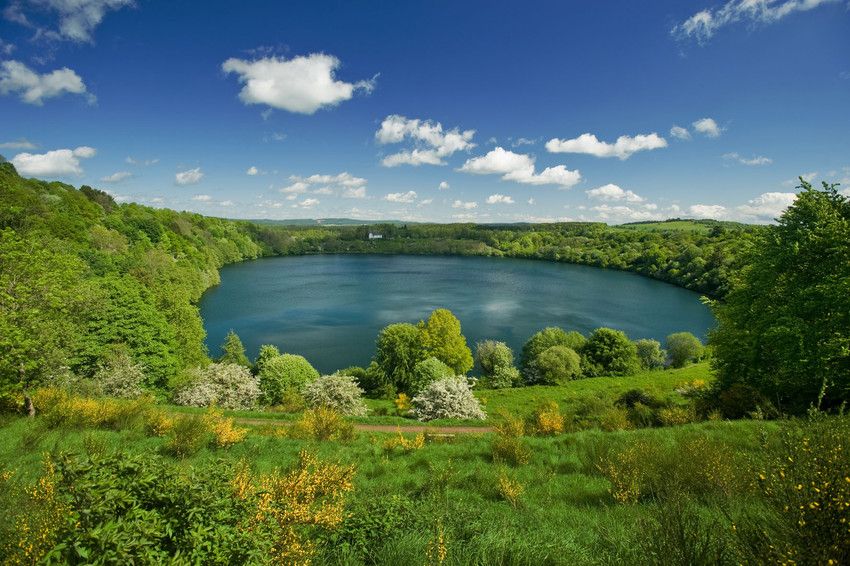
Vulkan Eifel — bike and hike
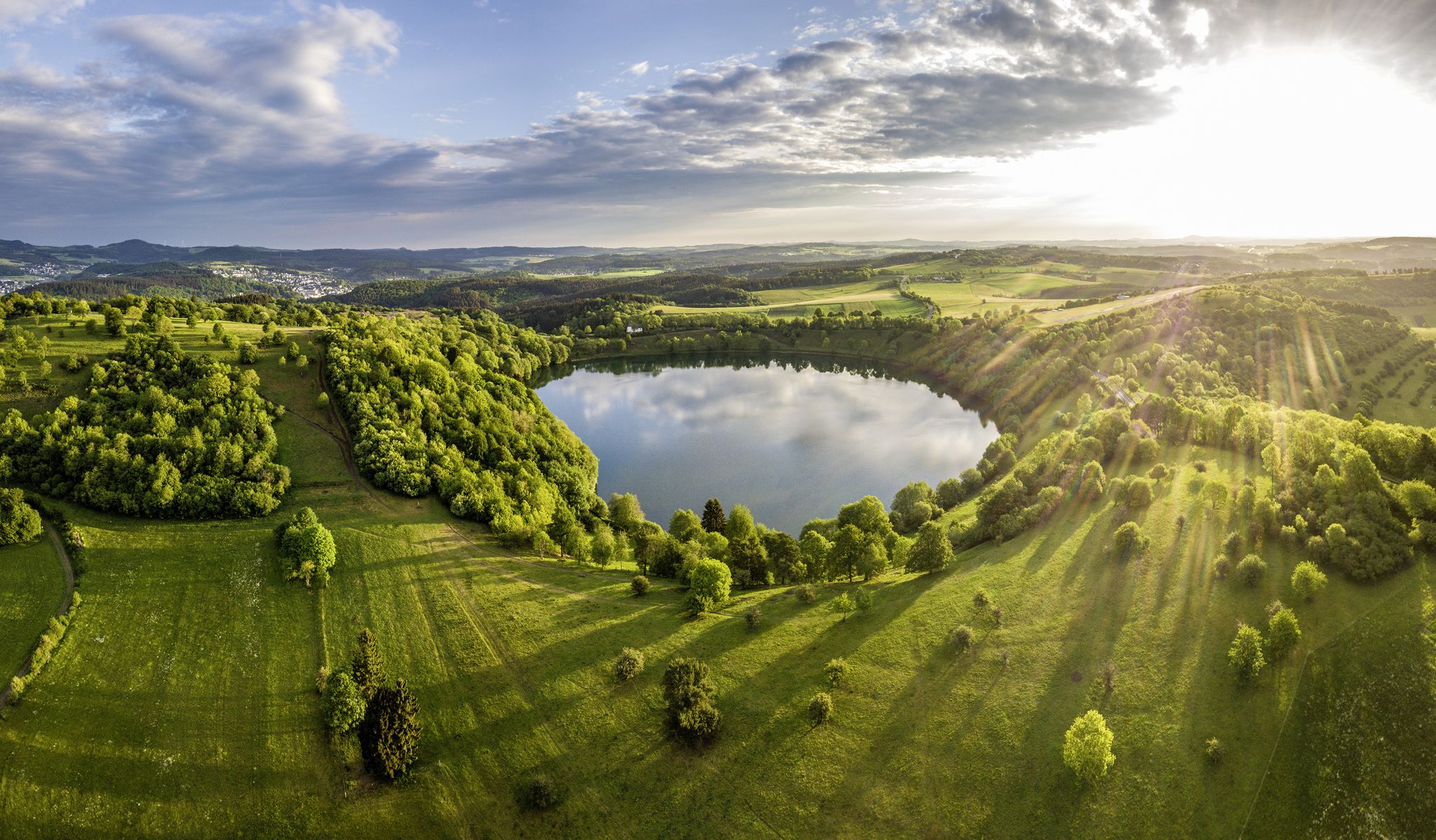
Germany’s Most Beautiful Hiking Trails in the Vulkaneifel
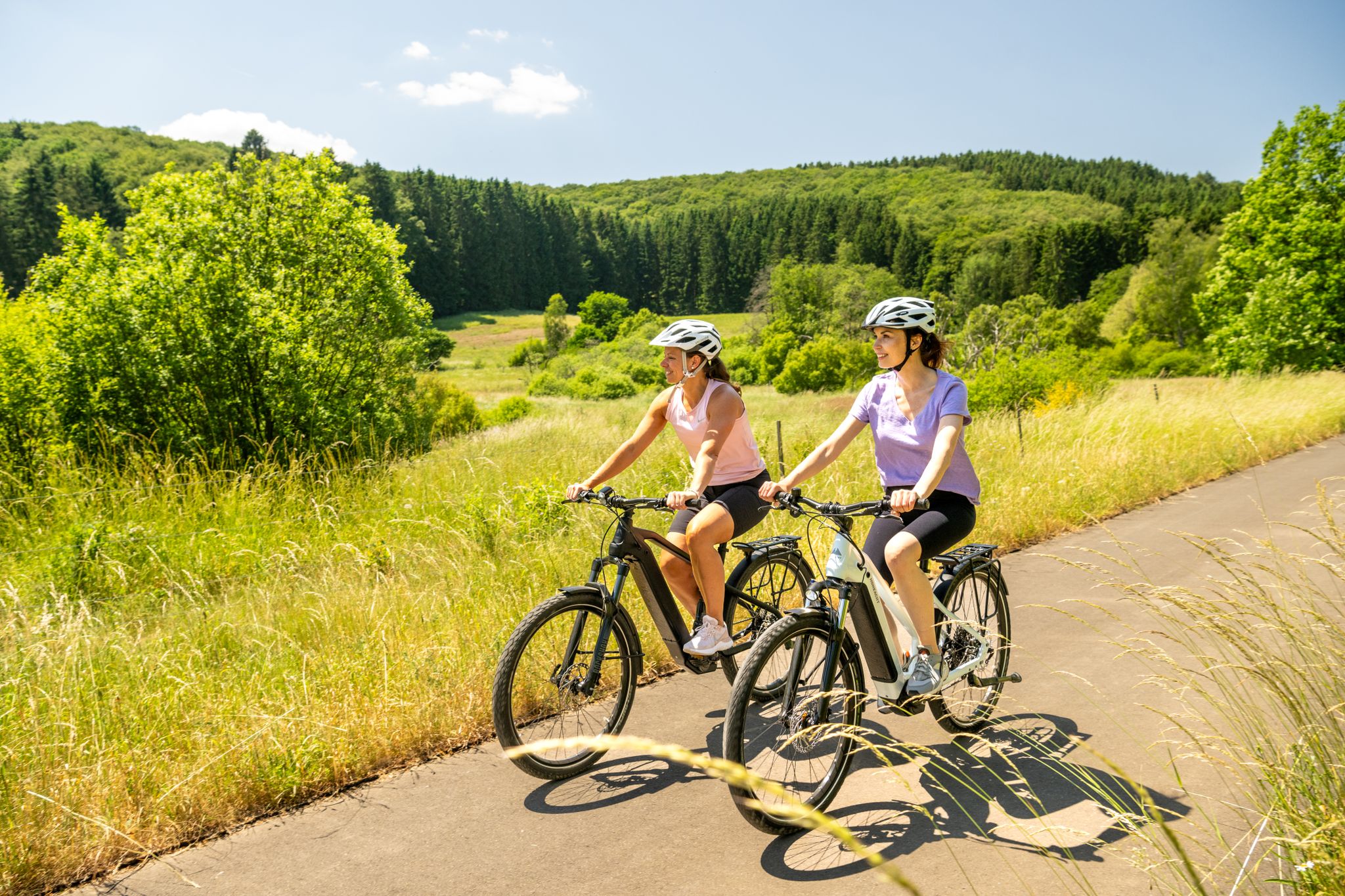
E-biking through the Volcanic Eifel
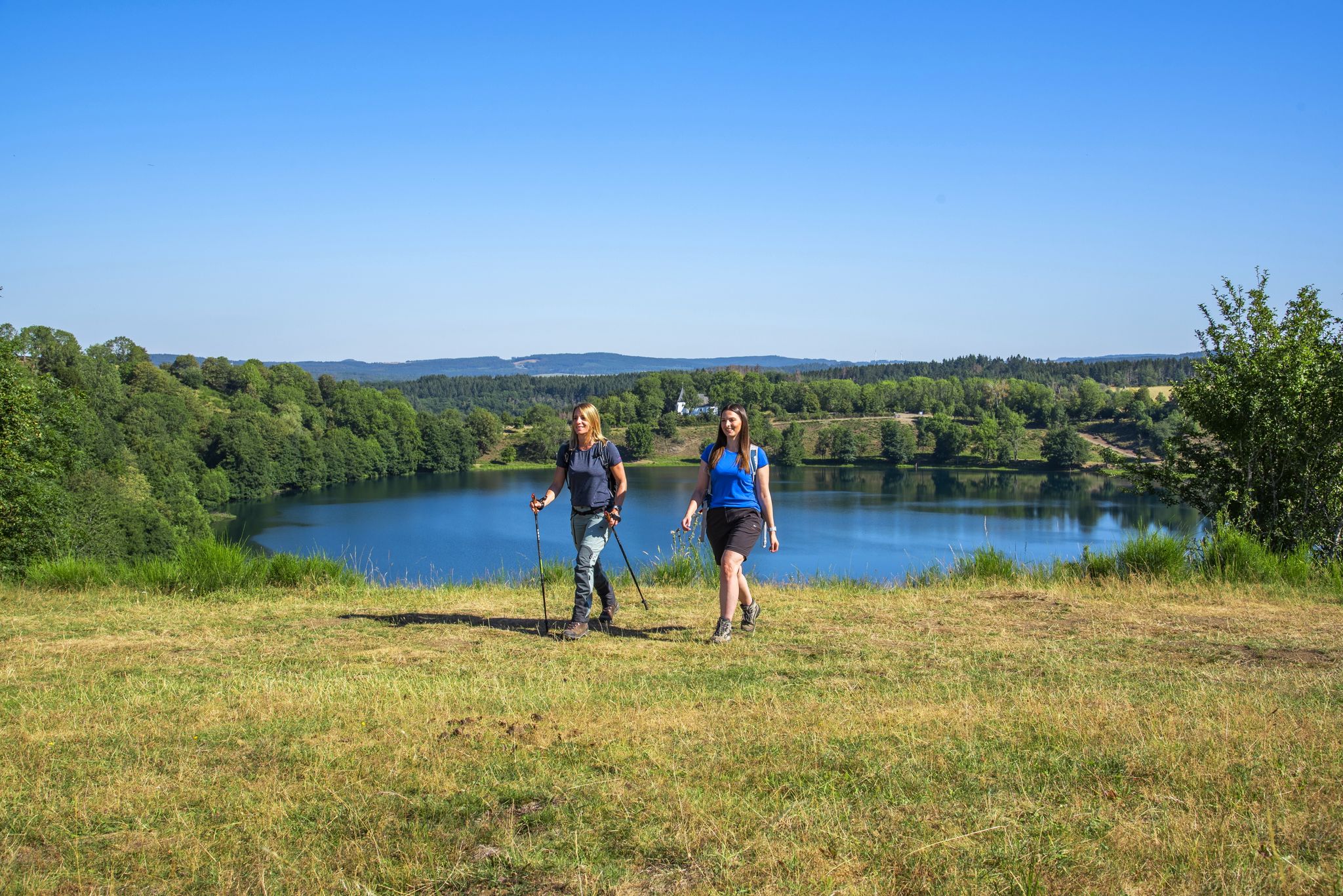
Excellent paths in the Vulkaneifel – Explore the HeimatSpuren
Award-winning hikes – explore the Volcanic Eifel on acclaimed trails
ウルメンでのハイキング
ウルメンのロードバイクルート
ウルメンでのサイクリング
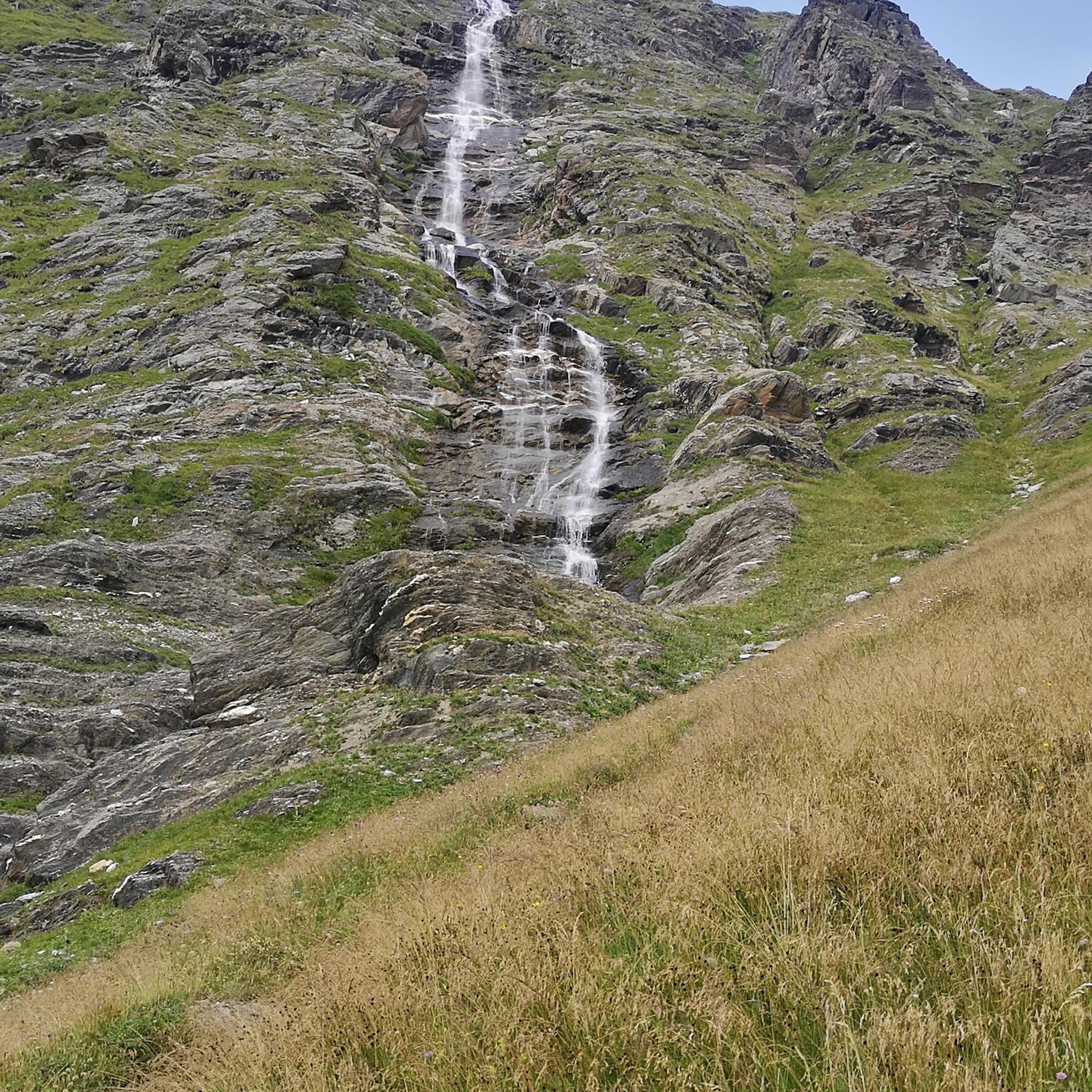
ウルメンでののグラベルライド
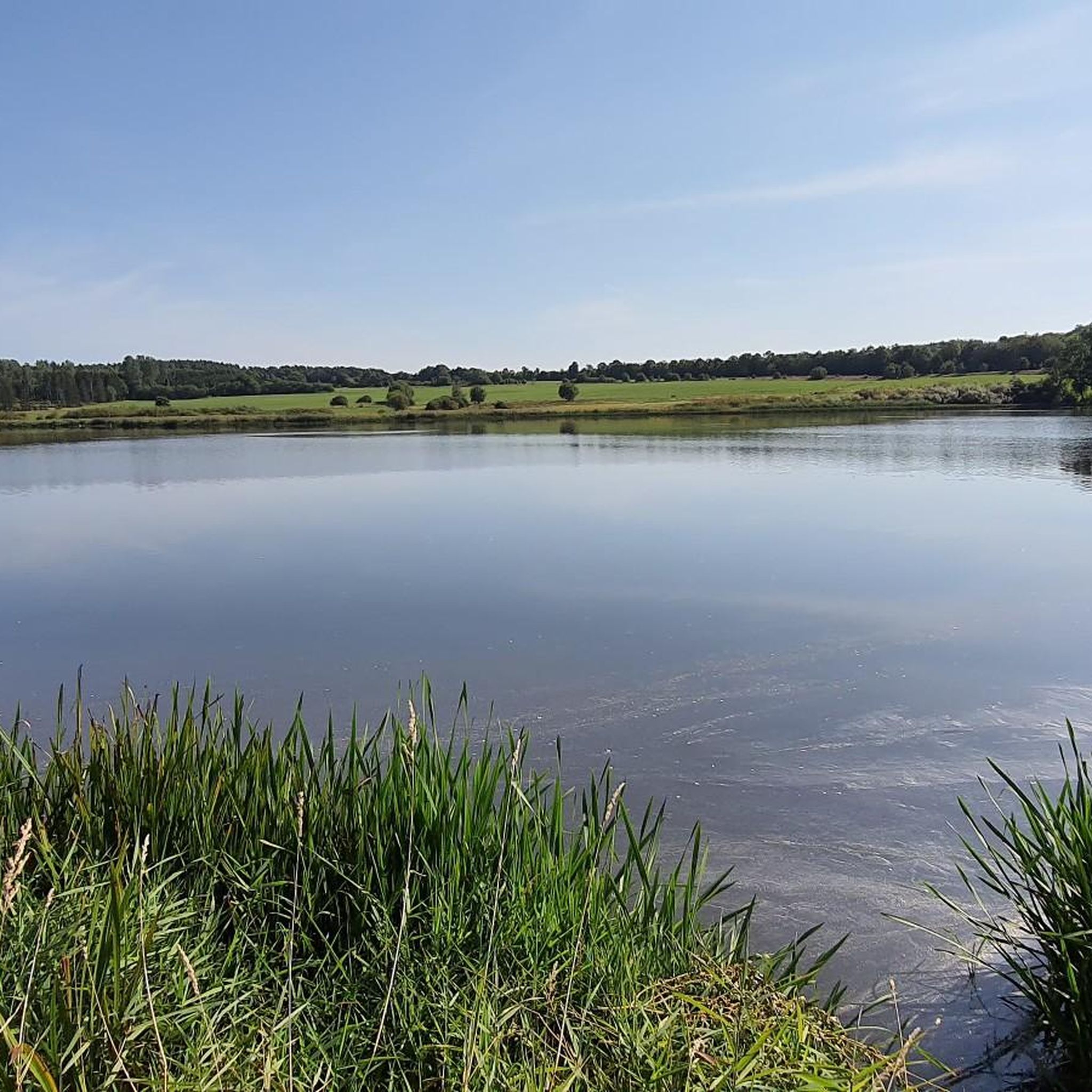
ウルメンのランニングコース


コミュニティからのヒント

素晴らしいシーティングエリアのあるとても美しいマール、そしてそれほど遠くないところにとても素敵なアイスクリームパーラーがあります
1
0


アイフェル火山活動に関する地質学的な情報価値が高い、のどかな場所。
1
0

One of the youngest maars in the Eifel region nestles picturesquely against the small town of Ulmen with its castle ruins and church right on the shore - idyllic and simply beautiful!
1
0

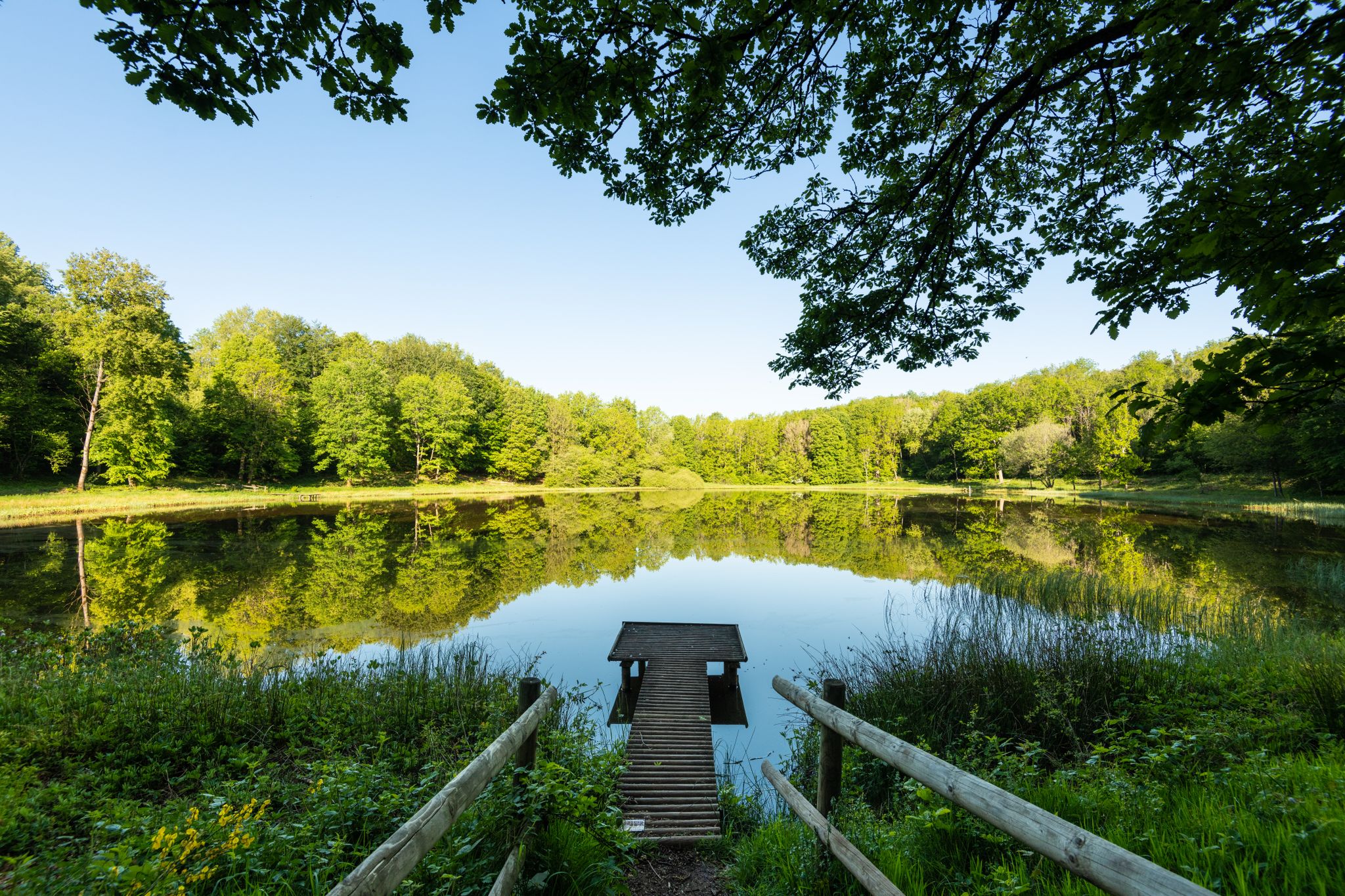
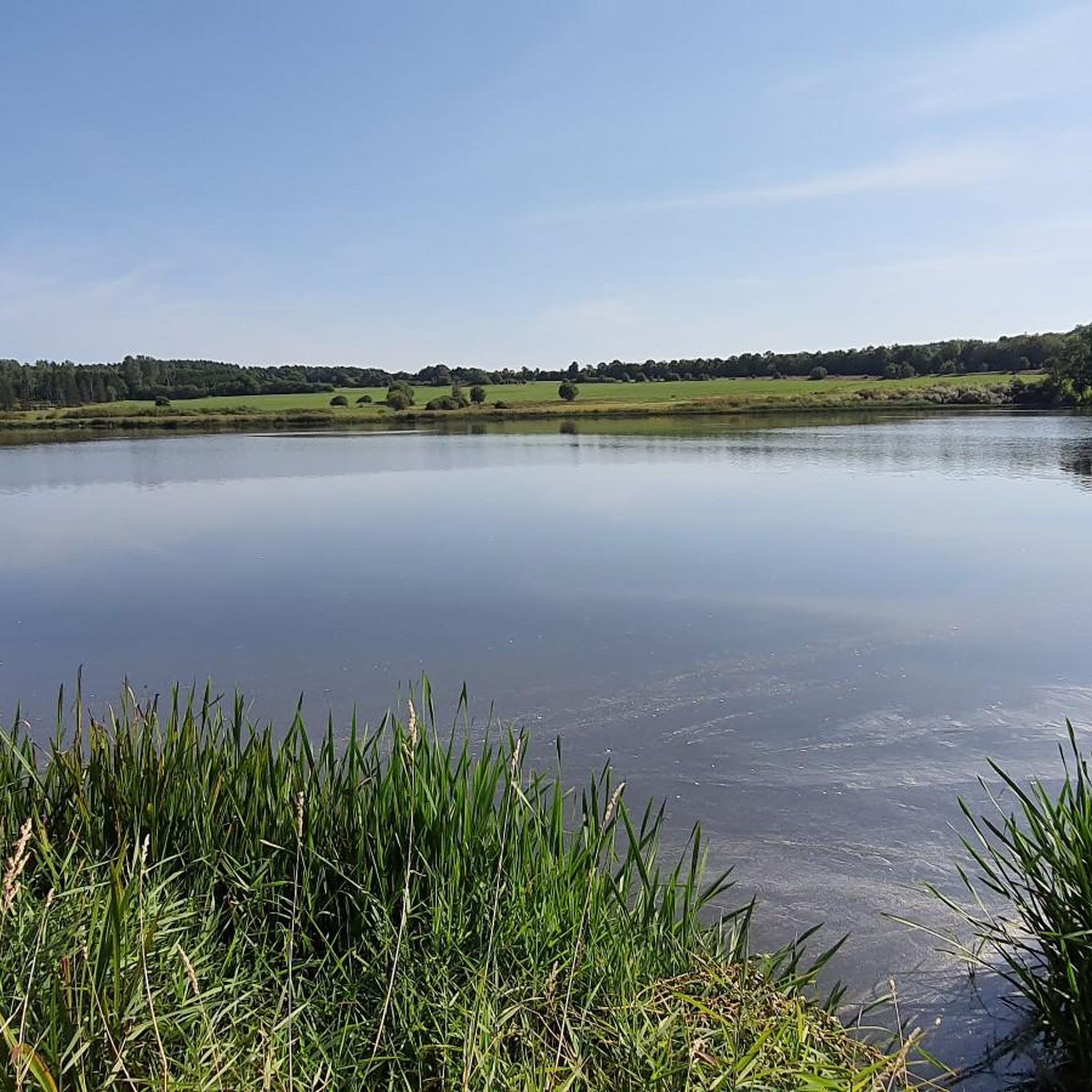
A true paradise stretches out on the edge of the village of Ulmen on a plateau beneath the Steimelskopf, where a volcano once erupted with a tremendous bang, forming a deep crater with a maar lake, which now serves as a renowned bird sanctuary. The exact age of the Jungferweiher lake cannot be determined, but its morphological shape suggests it is several hundred thousand years old. In early modern times, the Lords of Ulmen used the lake as a fishpond for carp breeding, until it gradually silted up over time, and the residents of Ulmen harvested peat from the former maar for heating purposes. However, in 1942, the decision was made to flood the area again by damming the Ulmener Bach to secure the drinking water supply for the Cochem-Zell district. Today, the Jungferweiher lake, located at an altitude of 428 meters above sea level, covers an area of approximately 170,000 square meters with a depth of 0.8 meters. The pond, along with the Ulmener Maar, is protected for its rare flora and fauna. Many endangered species, such as the snipe and the meadow pipit, breed in the reed-rich banks, while ospreys have been observed hunting. Migratory birds such as cranes, teals, and great grey shrikes roost in the meadows near the Ulmener Jungferweiher every year. Therefore, a walk along the approximately 3-kilometer loop is a must, especially during the migration periods in spring and autumn. At the bird observatory on the western bank, you can observe the birds in their natural habitat. Nowadays, a wide variety of fish species thrive in the shallow waters of the Ulmener Weiher, which can be fished from a fishing pier on the southern bank. Swimming and other water sports are prohibited, however. Fishing permits are issued by the local municipal administration in Ulmen. Since 2023, the Ulmener Maar Tunnel has connected the Jungferweiher underground to the Ulmener Maar. A visit to the 126-metre-long tunnel is highly recommended!
7
0
The Ulmen Maar lies 420 meters above sea level today, covers an area of 5.5 hectares, and is 36 meters deep. The bubbles at the maar's edge demonstrate that volcanism is still active. They bear witness to a turbulent past—but rest assured, there's no eruption in sight! A wall of various rocks and ash, up to 20 meters thick, surrounds the cone. For those interested, these testimonies to this explosive past are beautifully displayed in St. Matthias Church. This unique wall, with its different colored layers and rounded inclusions, is worth seeing for more than just geologists. The slopes of the maar basin are covered with a beautiful forest, which can be explored on a circular walk. A detour to the medieval castle ruins, from which the Crusaders once launched their campaigns, is recommended. The view from the crater rim over the maar and the Eifel beyond will take your breath away. Whether after a sweaty hike or a long drive, the blue of the Ulmer Eifel lake is all too tempting in summer. However, bathing in the maar is prohibited because it is designated as a nature and water protection area.
7
0

komootモバイルアプリでインスピレーションを得よう


さらに探索
他の地域の最高のMTBトレイルを見てみましょう。
