カメラータ・ピチェーナ周辺のアトラクション&必見スポット - トップ20
カメラータ・ピチェーナには必見のスポットがたくさんあります。ハイキング愛好家やサイクリング愛好家の方は、ぜひカメラータ・ピチェーナを探索してこのエリアにある20
の隠れたスポットを訪れてみてください。このエリアの必見スポットを確認し、次の冒険に出かける計画を立てましょう。
最終更新日: 8月 31, 2026
サンタ・マリア・デッラ・ピアッツァ教会
ハイライト • 宗教的な場所
翻訳者 Google •
役立つ情報 は

サン・チリアコ大聖堂
ハイライト • 宗教的な場所
翻訳者 Google •
役立つ情報 は
今すぐサインアップして、こんな場所を発見しよう
最高のシングルトラック、ピーク、その他のエキサイティングなアウトドアスポットのおすすめを受け取ろう。
無料新規登録
パラッツォ・デッリ・アンツィアーニ
ハイライト • 歴史的な場所
翻訳者 Google •
役立つ情報 は
モーレ・ヴァンヴィテリアーナ
ハイライト • 歴史的な場所
翻訳者 Google •
役立つ情報 は


無料アカウントで今日から始めよう
次の冒険が待っています。
ログインまたは登録

コミュニティからのヒント


サン・チリアーコ大聖堂は、グアスコの丘の頂上に雄大にそびえ立つ、アンコーナの壮大なランドマークです!🏛️🌊 この印象的な大聖堂は、ロマネスク様式とビザンチン様式を融合させ、有名な2頭の赤い大理石のライオンがお迎えします🦁✨ プロのヒント:特に景色のために、上る価値があります!大聖堂の広場からは、アドリア海と港のにぎやかな様子を遮るものなく360度見渡せます📸⛵ 夕暮れ時に訪れるのがおすすめです。白い石壁に当たる暖かい太陽の光と背景の海は、まさに息をのむほどです!🌅💙
0
0

サンタ・マリア・デッラ・ピアッツァ教会は、その建築的価値とアンコーナ市におけるキリスト教の起源に関する証言的価値の両方において、特に重要な例となっています。 12世紀末、最初のキリスト教殉教者である聖ステファノに捧げられた教会の遺跡の上に建てられたこの教会(彼の遺物は教区博物館に保管されています)は、私たちに伝わった記念碑を通して表現されたキリスト教の歴史的連続性を表しており、同時に都市の歴史の進化を示す文書でもあります。 この教会はロマネスク建築の宝石です。長方形の平面を持ち、ラテン十字の構造で、3つの身廊に分かれています。鐘楼は元々戦略的な機能を持ち、背後の丘と接続された要塞に寄り添う塔でした。装飾豊かなポータルは、小さなアーチと小柱の動きと繊細な絡み合いで印象的です。 1972年の地震後に開始された補強工事を経て、この教会の歴史を2世紀から4世紀にかけてのアンコーナにおける最も古いキリスト教崇拝の記憶と結びつけることが可能であると思われ、その名称をトラヤヌス時代の建物の遺跡の上に建てられた、最初の殉教者ステファノに捧げられた古代のバシリカの名称と同一視しています。
1
0
1947年まで、そして2007年から現在に至るまで市の市庁舎であったパラッツォ・デッリ・アンツィアーニは、ピエトラ・ベンヴェヌート・ストラックにあります。その起源は非常に古く、西暦425年にまで遡り、ローマ帝国時代の行政機関の sede でした。この最初の建物は839年にサラセン人の侵攻により深刻な被害を受けました。 現在の建物は、マルガリトーネ・ダレッツォの設計に基づき、1270年にゴシック様式で建てられました。非常に急な斜面に建てられたこの建物は、かなり独特な建築構造をしており、斜面に寄りかかり、当初は港側が6階建て、丘側が3階建てでした。主な正面は2つあり、一つは西側の海に面した正面、もう一つは東側の前の広場に面した正面です。港側の正面は、おおむね元の形を保っていますが、コンエロ石灰岩で完全に造られていた上の正面は、17世紀に改築されました。 1348年の壊滅的な火災で、市の大部分が焼失した際、この宮殿も深刻な被害を受けました。教皇領支配下で、ついに修復作業が行われ、再び市の行政機関の sede として使用されるようになりました。第二次世界大戦の被害が修復された後、この宮殿はまず市立絵画館の sede となり、その後アンコーナ大学経済商学部 の sede となりました。 内部の最後の修復が完了した後、2011年11月21日に市議会は再びこの古い宮殿で会議を開くようになりました。
1
0
The Lazzaretto of Ancona, also known as the Mole Vanvitelliana, is an 18th-century monumental complex designed by architect Luigi Vanvitelli. It stands on a specially constructed artificial island in the southern part of the port basin. Originally completely isolated from the mainland, over the two centuries following its construction, it was connected to the shore by three bridges. Covering a surface area of 20,000 m², it was originally a multipurpose medical and military facility and has been a national monument since 1909. Today, it is a cultural center, home to the Omero Tactile Museum, an auditorium, and events and art exhibitions. The canal separating it from the mainland is called the Mandracchio, and houses the city's fishing fleet. The main building consists of two pentagonal structures, both designed by Vanvitelli; the two structures are adjacent, one inside the other, sharing a perimeter wall. The building occupying the ravelin dates back to the early decades of the 20th century. The main portal is made entirely of Istrian stone and is located on the side facing Porta Pia. A second, simpler, masonry portal still faces the Mandracchio side, and is therefore known as the "Water Gate." The gate remained closed for decades and opens onto a short dock that once housed clam traps. At the center of the courtyard stands the Temple of San Rocco, a small Doric-style sacred building, also built of Istrian stone, with transitional forms between Baroque and Neoclassicism. https://anconatourism.it/arte-e-cultura/monumenti/mole-vanvitelliana/
1
0
The Cathedral of Ancona, dedicated to Saint Cyriacus, is the metropolitan cathedral of the Archdiocese of Ancona-Osimo. It is a medieval church blending Romanesque and Byzantine styles, evident in its Greek cross plan and in the many works of art housed within. It stands in a scenic location atop Colle Guasco, formerly occupied by the acropolis of the Greco-Doric city, overlooking the entire city of Ancona and its gulf. It was designated a basilica in May 1926 by Pope Pius XI, and has been a national monument since 1940. Inside is the painting of Our Lady Queen of All Saints, the subject of an event considered "miraculous" by Catholic tradition, known as the Marian Miracle of Saint Cyriacus. The building has a history of over 2,000 years, during which five major events can be distinguished: - 4th-2nd century BC - Construction of the Temple of Aphrodite, whose perimeter corresponds exactly to the transept and the left wing of the current church; - 6th century AD - Construction of the early Christian Basilica of San Lorenzo, built on the ruins of the ancient temple; - 11th century AD - The Basilica of San Lorenzo became a cathedral and was expanded. With the translation of the body of Saint Cyriacus, it changed its name and took on its current title; - 12th century AD - Transformation of the plan into a Greek cross, giving the church an oriental layout, its main characteristic. - 13th century AD - Construction of the dome and porch, interventions that gave the building its current appearance.
1
0

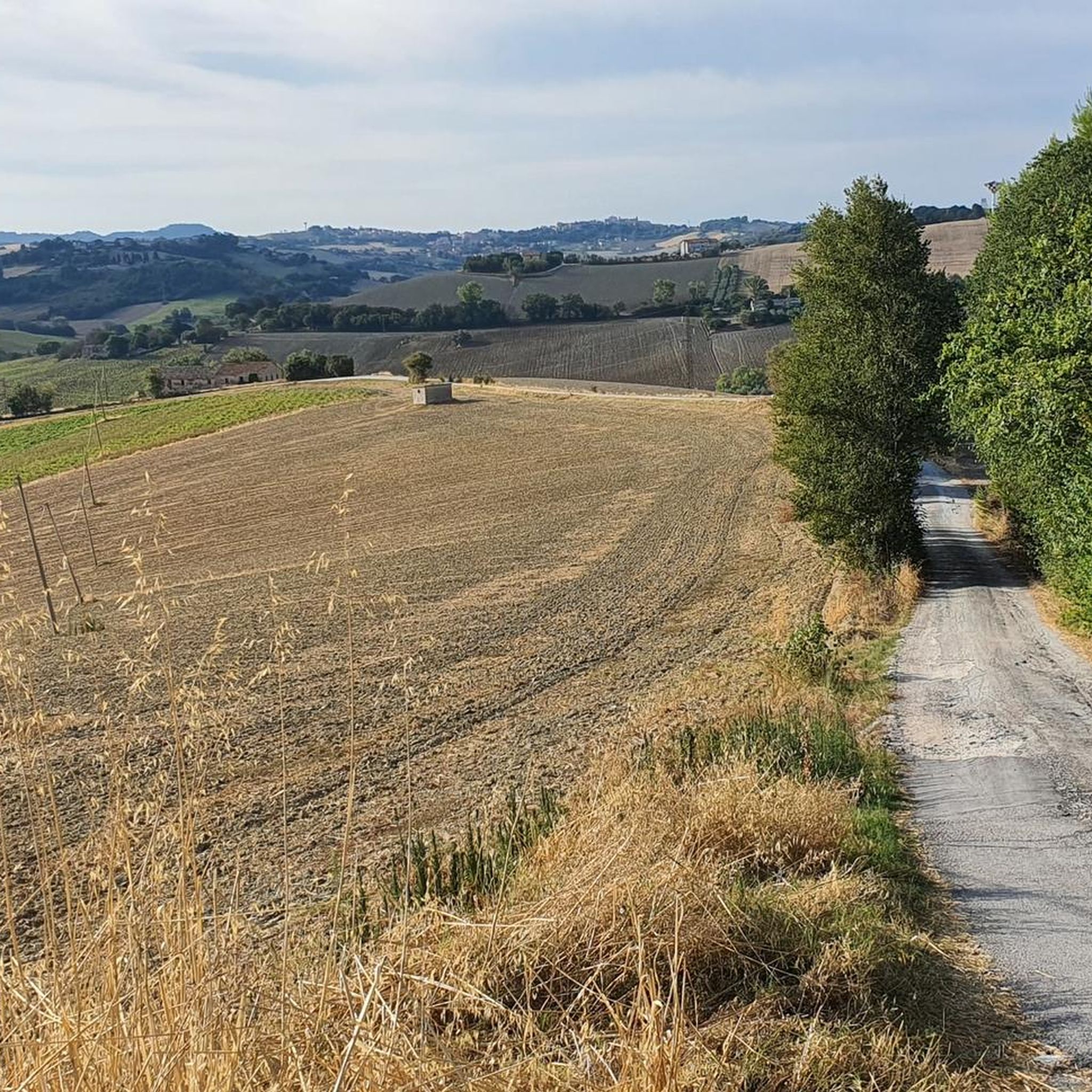
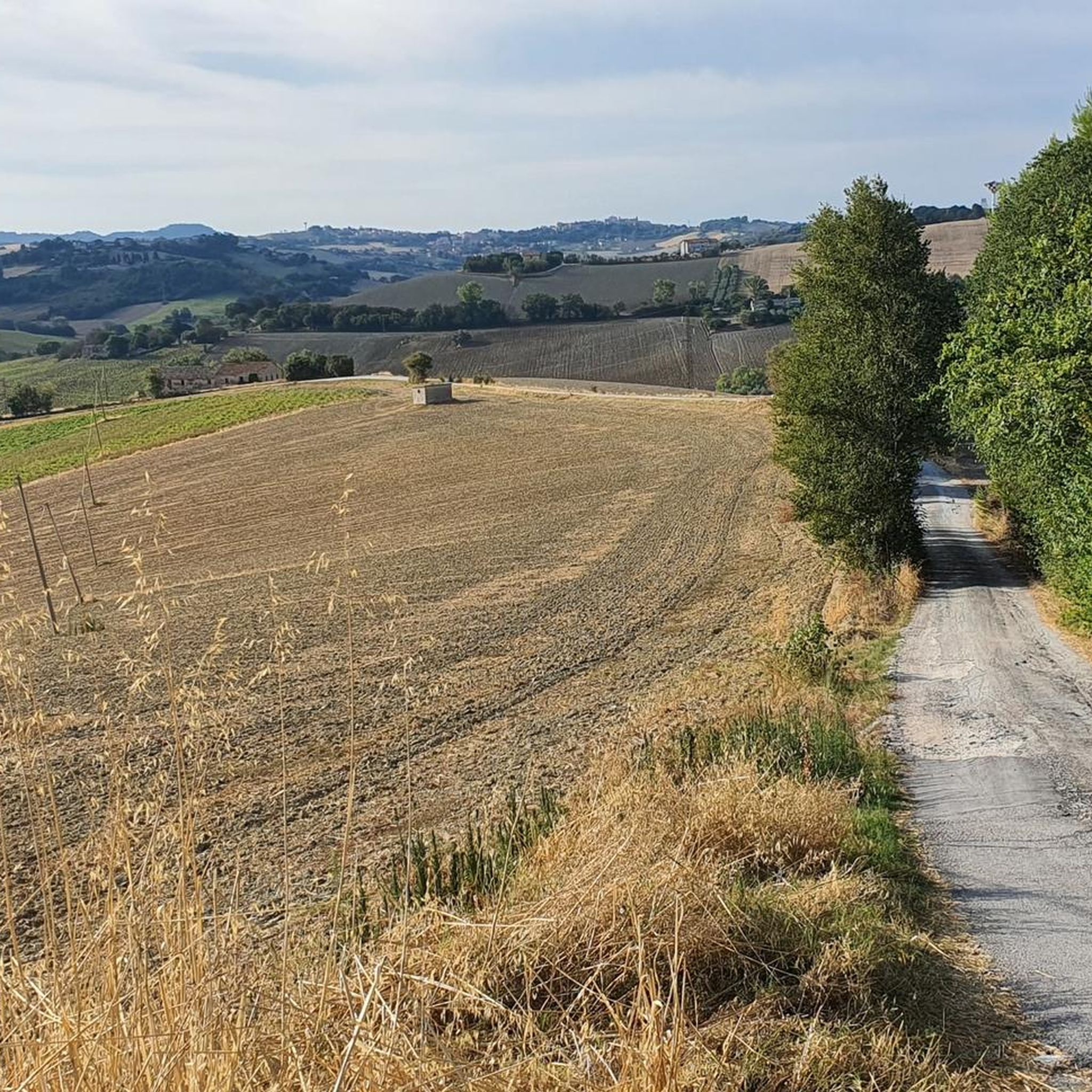
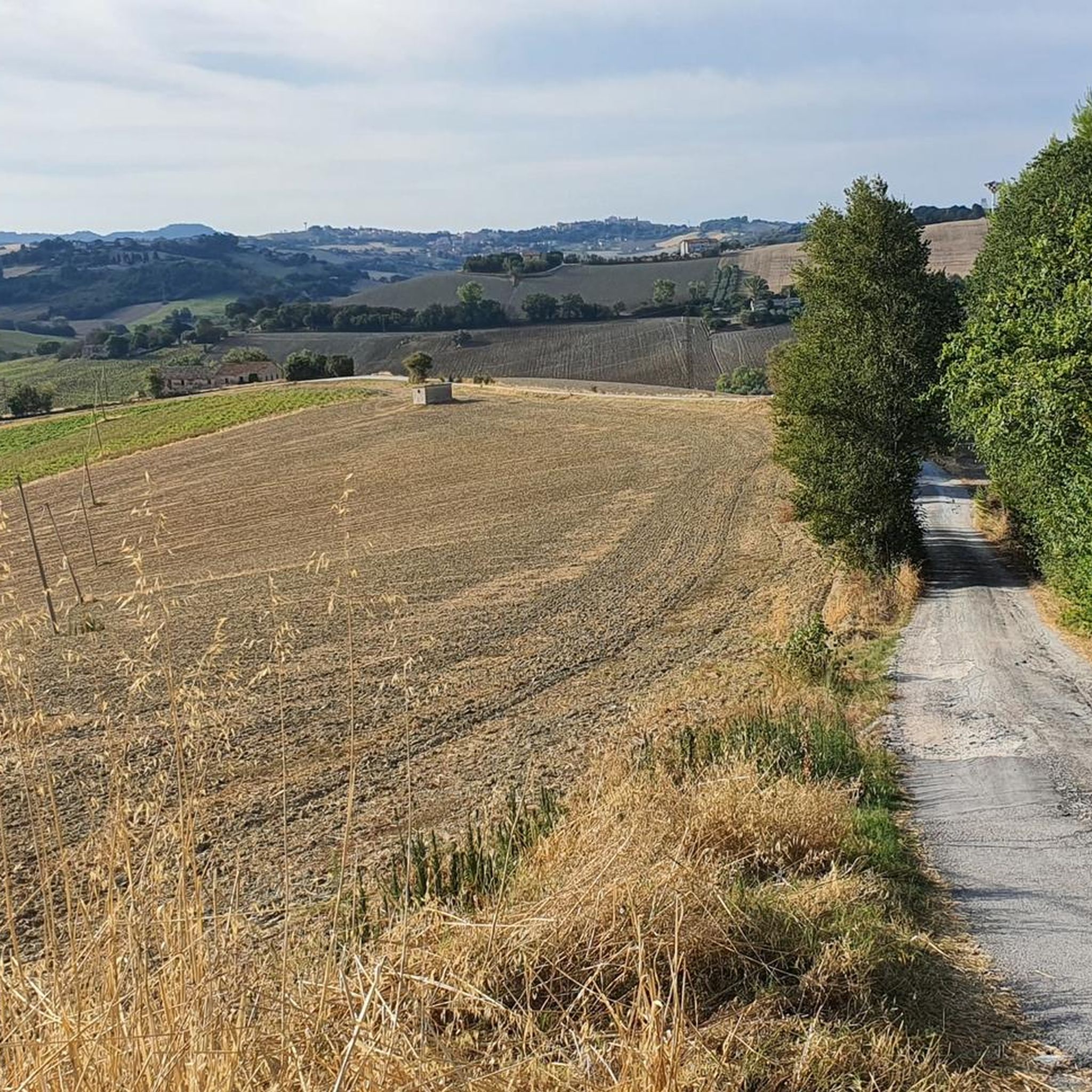
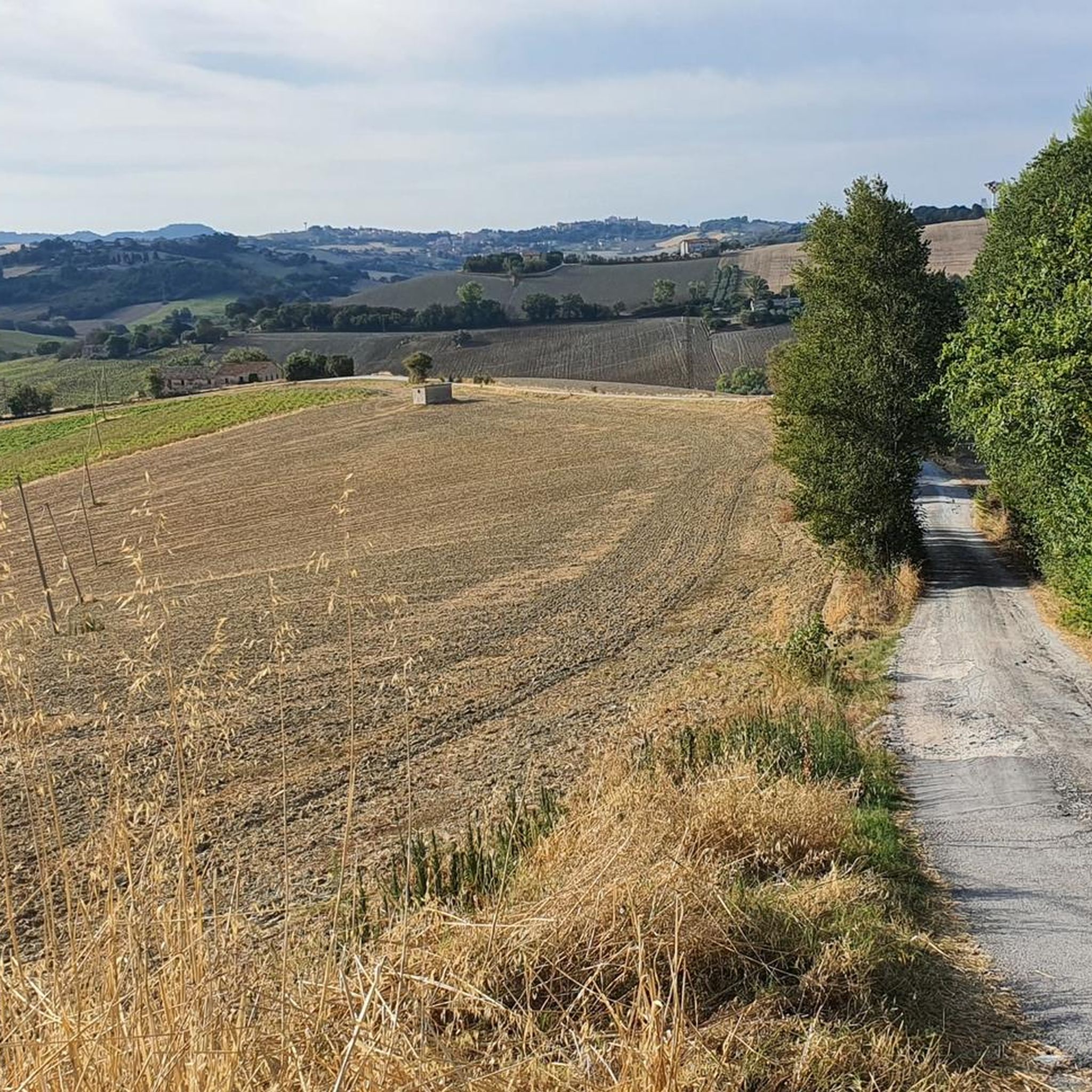
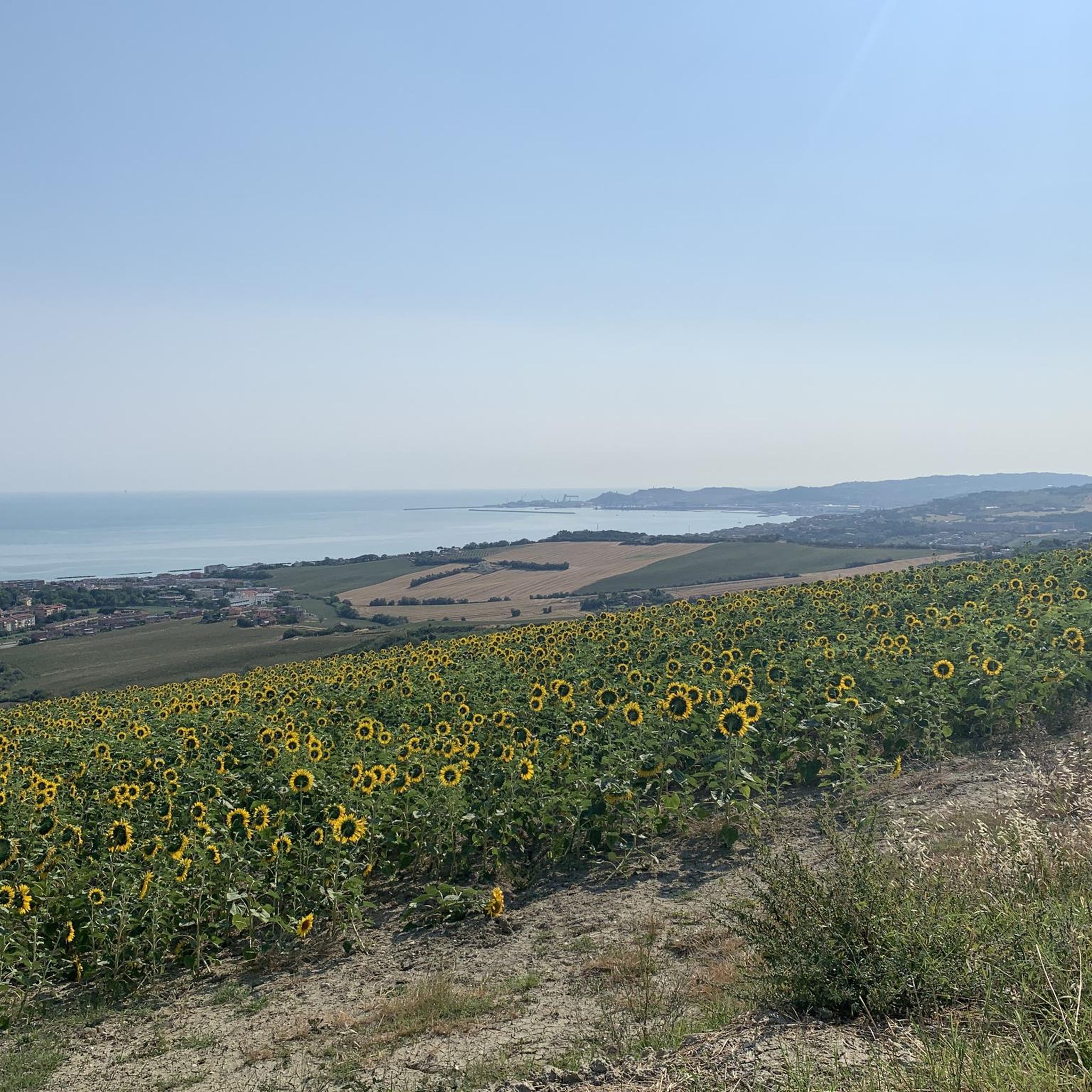
Beautiful view of the Ancona hills and the port
0
0

komootモバイルアプリでインスピレーションを得よう


さらに探索
まだ探しているハイライトが見つかりませんか?他の地域のトップアトラクションのガイドを見てみましょう:
