4.6
(86)
1,780
ライダー
25
ライド
サンタンティオコ/サンタンティオコ周辺のロードバイクルートをお探しですか?ここでは、komootが提供するサンタンティオコ/サンタンティオコでのロードバイクライドのコレクション全体を評価して選び抜いた人気ルートをご紹介します。各ライドの詳細をぜひご覧ください。
最終更新日: 8月 30, 2026
4.6
(21)
375
ライダー
59.5km
02:29
320m
320m
中程度のロードライド. ある程度のフィットネスレベルが必要です。 全般的に舗装状態が良好で走行しやすい道です。
4.5
(8)
124
ライダー
55.5km
02:51
630m
630m
中程度のロードライド. ある程度のフィットネスレベルが必要です。 全般的に舗装状態が良好で走行しやすい道です。

無料新規登録
4.7
(3)
42
ライダー
29.0km
01:26
290m
290m
中程度のロードライド. あらゆるフィットネスレベルに適しています。 ツアーの一部に、未舗装のため走行が難しい箇所があるかもしれません。
23
ライダー
38.5km
01:42
130m
130m
初級者向けロードバイクライド. あらゆるフィットネスレベルに適しています。 全般的に舗装状態が良好で走行しやすい道です。
4.5
(4)
20
ライダー
69.7km
03:19
720m
720m
中程度のロードライド. ある程度のフィットネスレベルが必要です。 全般的に舗装状態が良好で走行しやすい道です。
さらに多くのルートや他のユーザーのおすすめ情報を確認できます。
無料新規登録
すでにアカウントをお持ちですか?
おすすめのツアーは他のkomootユーザーが実際に経験した何千ものアクティビティに基づいています。
無料アカウントで今日から始めよう
次の冒険が待っています。
ログインまたは登録
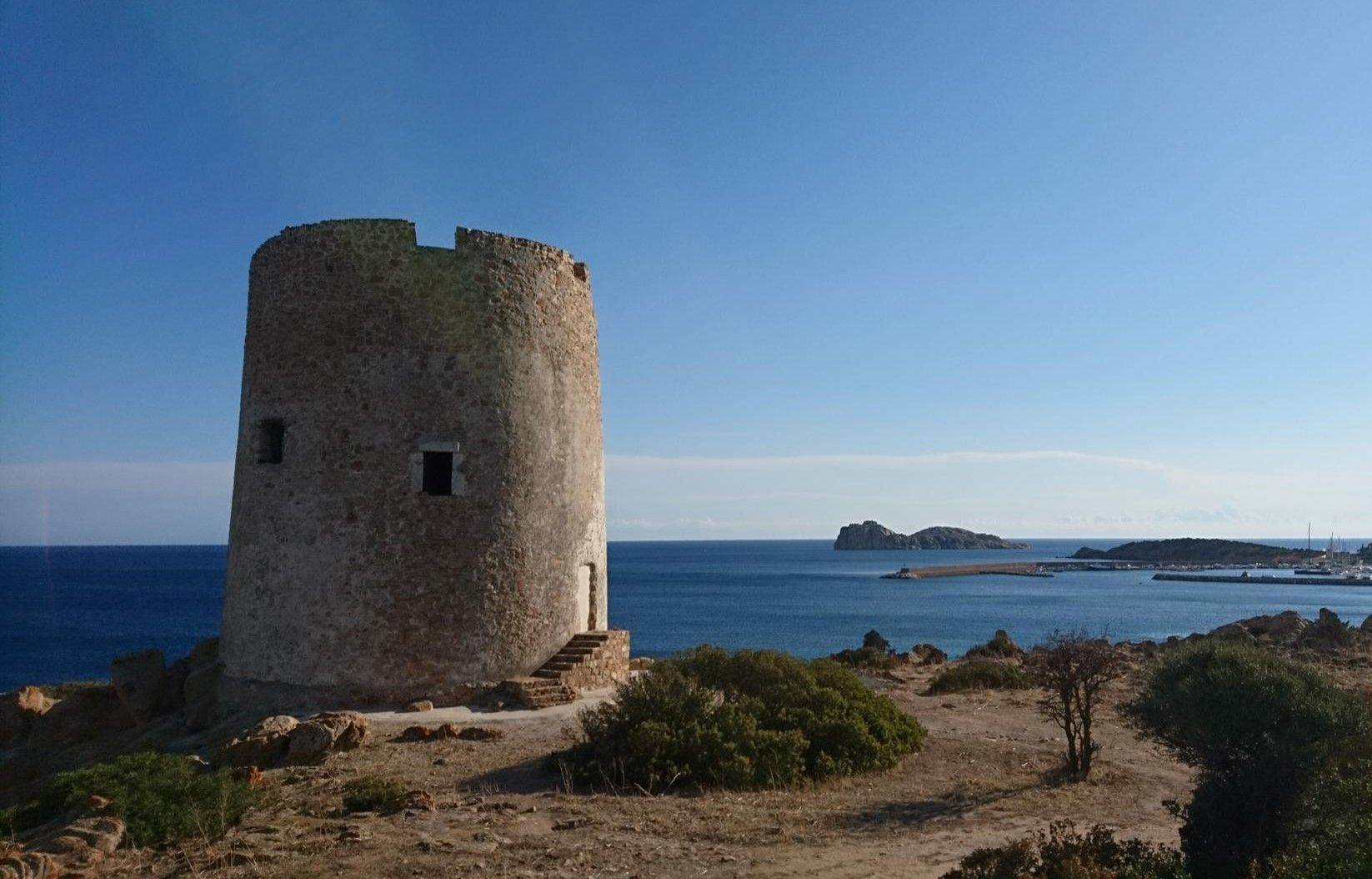
Carloforte, still closely linked to Pegli and Genoa, is the island's only center, with 6,000 inhabitants. It enchants with its many narrow streets rising up a gentle slope, its colorful corners and sea views, its small harbor, and its former defenses, of which watchtowers and sections of walls with forts can still be seen, including La Porta del Leone. Among the architectural highlights of this town, which is included in the Club of the Most Beautiful Towns in Italy, are U Palassiu, dating from the early 20th century and now the Giuseppe Cavallera Cinema, and the Church of the Madonna del Naufrago, which houses the wooden statue venerated by the Tabarkin people, a symbol of the faith and solidarity of the community.
5
0
The Basilica of Sant'Antioco Martire, in the historic center of the island of the same name, is one of the oldest places of worship in Sardinia. Built between the 4th and 7th centuries over a Punic necropolis, it houses the relics of Sardinia's patron saint, a physician originally from Mauretania. The building, enlarged by the monks of Saint Victor of Marseille and remodeled in the Baroque period, preserves a complex complex of early Christian catacombs beneath the altar, which are still open to visitors.
1
0
A pleasant, scenic walk along the harbor and the calm waters of the lagoon. From here, you can admire the sunset over the gulf, watch the fishing boats return, or simply enjoy the relaxed atmosphere of the seaside village.
1
0
The village of Sant'Antioco is full of alleys, you reach the highest point where you can admire the panorama
0
0
I recommend the Sant Antioco-Calasetta trek, walking all along the coast and passing through Cussorgia, 24 km round trip, an experience not to be missed!!
0
0
The language of the Tabarchians essentially corresponds to the Ligurian language of the 15th century. Through personal and trade connections - both from Tunisia and from the island of San Pietro - it has developed just as much as the actual Ligurian and Genoese languages. Due to its geographical location, the port of Carloforte was of considerable importance in shipping and as a transshipment point for medium tonnage until the beginning of the 19th century. Carlofortine Ligurian preserves some nouns and rare grammatical forms that only occur in the outdated Genoese. It does not contain any Gallicisms that Genoese has adopted in recent centuries; for example, the accent (còccina) is typical of Pegli and not of pure Genoese. Only a few nouns from Sardinian, Arabic and Tuscan can be identified as external influences. More than 80 percent of the population still speak this dialect in everyday life today. The architecture, culture, customs and traditions of Carloforte still correspond to those of Liguria. Due to its historical, economic and cultural ties with the Ligurian capital, especially with Pegli, Carloforte was recognized as an honorary municipality of the province of Genoa on November 10, 2004. In 2006, the neighboring municipality of Calasetta received the same honor. Carloforte celebrates twin festivities with Pegli every year.
2
0
In 1542, the inhabitants of Pegli and the neighbouring communities left their home on the Ligurian coast in the wake of the Lomellini, a powerful trading family from Pegli and Genoa, and settled on the island of Tabarca off the coast of Tunisia, where they dived for coral until 1735. When coral mining and thus the tribute to the Lomellini continued to decline and was no longer profitable for all sides, and the conflicts with the Muslims intensified, King Charles Emmanuel III of Savoy, on the initiative of the Piedmontese architect Augusto de la Vallée, made the offer to settle the still uninhabited island of San Pietro. A part of the Tabarchini under the leadership of Agostino Tagliafico accepted the offer and settled on the island off Sardinia in 1738. In honour of the king, they named the new place Carloforte ("Charles the Strong"). Over time, other emigrant families arrived directly from Liguria and helped to strengthen the small, thriving community. In 1798, Carloforte was attacked by pirates and around 900 inhabitants were captured and held as slaves in Tunis; one of them became the mother of Bey Ahmad I al-Husain. After five years, they were finally ransomed. The parts of the old city walls and the fortress that still remain today are evidence of this barbarian invasion. The population, also known as the Tabarchines because of their origins, united the towns of Carloforte on the island of San Pietro and the neighboring community of Calasetta on the nearby island of Sant'Antioco. A smaller part of the emigrants from Tabarca headed towards the Spanish coast to Alicante and founded the town of Nueva Tabarca there. Although this colony retained some of the original surnames, it was absorbed by the Spanish-speaking community in terms of language and customs. The Tabarchini are scattered all over the world, mainly in Genoa, on the Ligurian coast, in Gibraltar, in Boca near Buenos Aires and in other port cities. They are estimated to number 18,000 people in total.
2
0


他の地域の最高のロードサイクリングルートを見てみましょう。