Rive周辺のアトラクション&必見スポット - トップ20
Riveには必見のスポットがたくさんあります。ハイキング愛好家やサイクリング愛好家の方は、ぜひRiveを探索してこのエリアにある20
の隠れたスポットを訪れてみてください。このエリアの必見スポットを確認し、次の冒険に出かける計画を立てましょう。
最終更新日: 10月 11, 2026
ボスコ・デッラ・パストローナのポー川
ハイライト • 川
翻訳者 Google •
役立つ情報 は

ランゲ、モンフェッラート、ロエロのブドウ畑の風景
ハイライト (セグメント) • 展望台
翻訳者 Google •
役立つ情報 は

今すぐサインアップして、こんな場所を発見しよう
最高のシングルトラック、ピーク、その他のエキサイティングなアウトドアスポットのおすすめを受け取ろう。
モンフェッラート城(カステッロ・デル・モンフェッラート)
ハイライト • 城
翻訳者 Google •
役立つ情報 は

マルナのトロッコ運搬サービスとトンネル
ハイライト • 歴史的な場所
翻訳を表示中
役立つ情報 は

ピアッツァ・マッツィーニと市民の塔(カザーレ・モンフェッラート)
ハイライト • 歴史的な場所
翻訳者 Google •
役立つ情報 は
無料でサインアップして、さらに多くの観光スポットを発見しましょう Riveでの。
すでにアカウントをお持ちですか?
無料アカウントで今日から始めよう
次の冒険が待っています。

コミュニティからのヒント

「マルヌのトロッコとトンネルの移動サービス」という用語は、カザーレ・モンフェッラート近郊の「Rive – street artの国」ルートの休憩地点または興味深い地点として、いくつかのハイキングコースや地域のツアーに登場し、他の景勝地や自然の小道とともに場所として言及されています。
14
0

Giovanni II Paleologo, Marquis of Monferrato, ordered the current castle to be built and work continued until 1357. When Casale assumed the role of capital of the Margraviate of Monferrato and obtained the title of city in 1474, it also changed castle, seat of the court, after the restoration with the marquises Guglielmo VIII (1464-1483) and Bonifacio V (1483-1494). When Giovanni II Paleologo died, the Gonzaga of Mantova took control of Casale. The castle was strengthened by new military techniques, so the walls and the plan shape were adjusted so that it became hexagonal (which we can still see today). The towers were also strengthened and four new ravelins were added. At the beginning of the seventeenth century, the castle returned to its role as the seat of the court. The Dukes of Mantova, who were busy negotiating with Savoia, stayed there. Later it became the principality of Duke Carlo II Gonzaga-Nevers (1637-1665), who holidayed there many times with his entire court, which gave a boost to the cultural life in Casale. Due to the crisis of the Gonzaga dynasty, the castle was on the verge of decline. The city fell to Savoia in 1708 and the castle became a barracks. In the mid-19th century, Casale was fortified in preparation for a war against Austria and the castle became a defensive structure. The eastern ravelin was demolished, creating the current Piazza Castello, which became an open-air market zone. With the unification of Italy, the other three ravelins were also demolished.
1
0

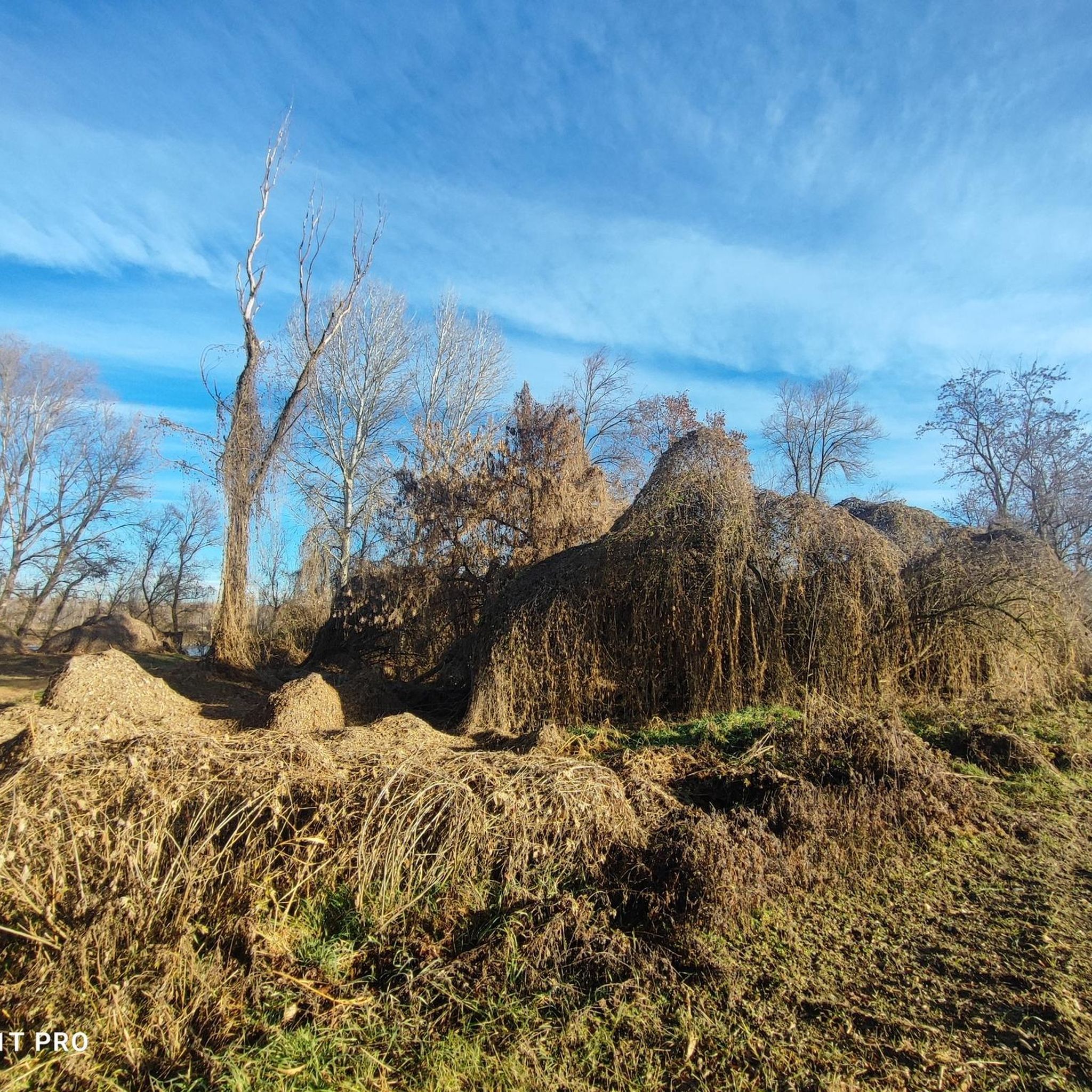
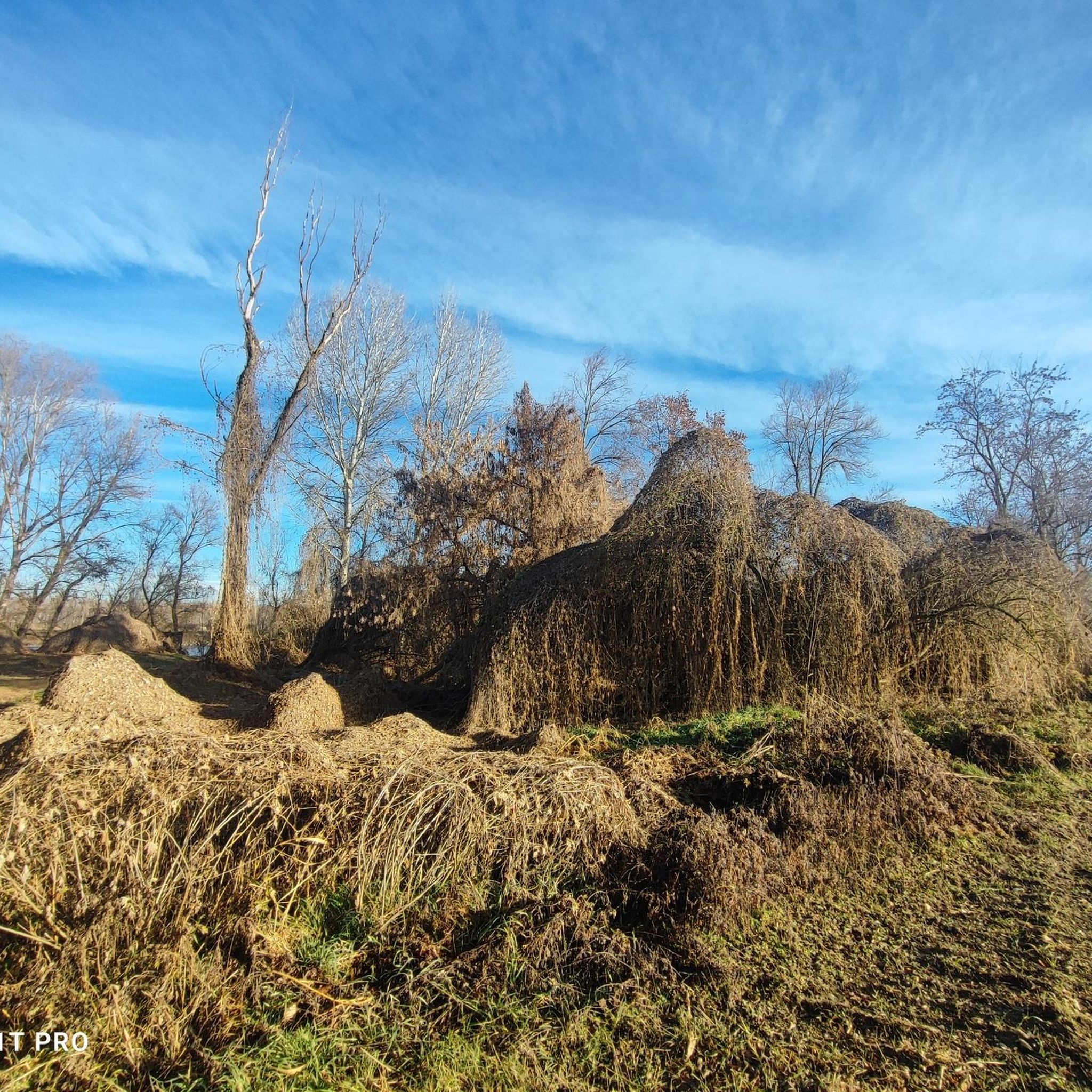
We are in the heart of the territory that between the end of the 19th century and the first decades of the 20th century, thanks to its geological conformation, gave birth to the Italian cement epic; here you can still see the service building for moving the trolleys that transported the marl into the underground tunnels
3
0

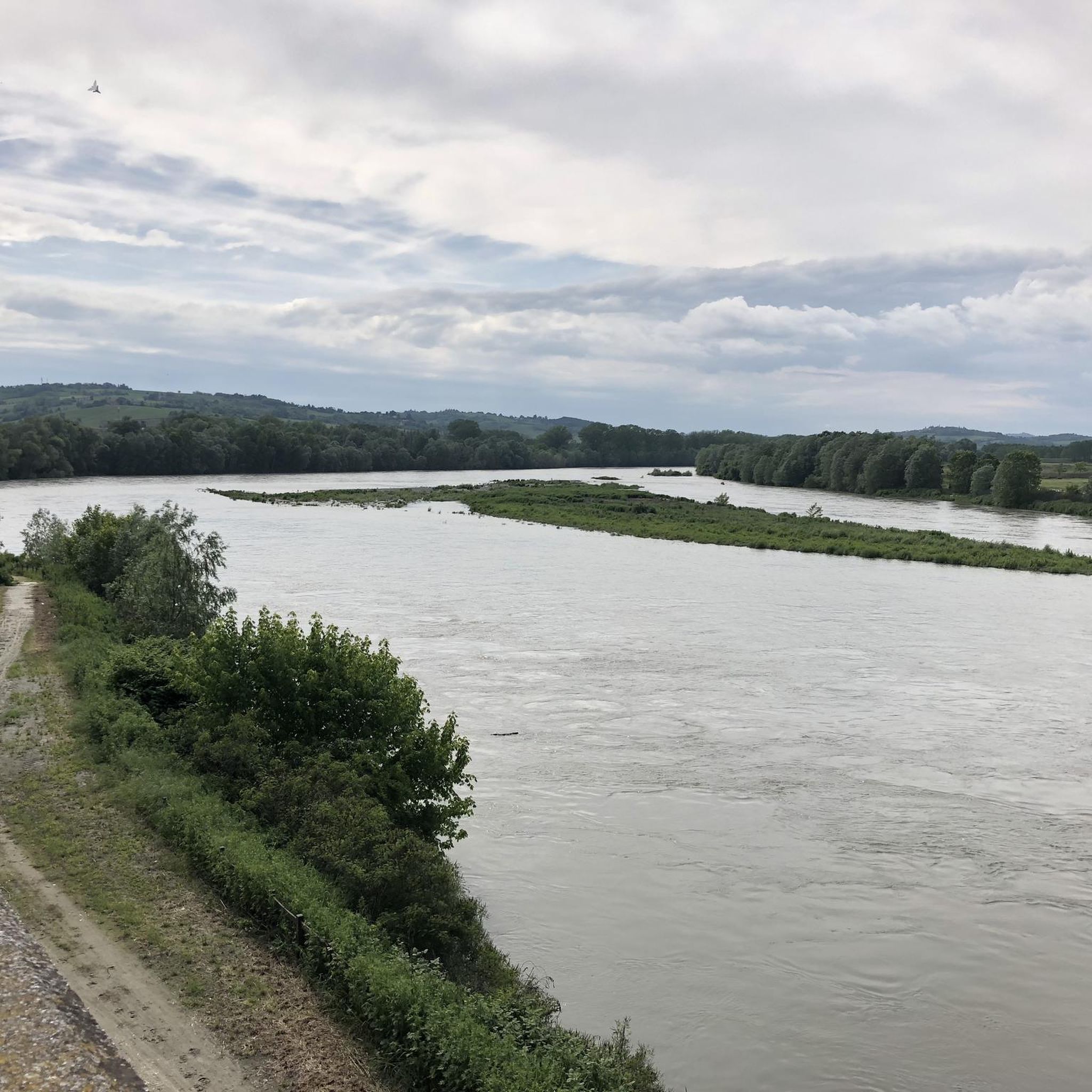
The Bosco della Pastrona, a green area of approximately 50 hectares, connects the river with the city of Casale Monferrato. Partly managed by the Po Park, it includes a picnic area and a mountain biking and running trail called "Kintana". This 10 km route was inaugurated in May 2014 after a redevelopment period supported by the Piedmont Region and private volunteers. Thanks to an agreement with the Municipality of Casale Monferrato, the area is managed by private individuals for maintenance and the organization of events. Currently managed by the non-profit association "Fiab Monferrato Bike", the route is challenging but accessible to all. The terrain is suitable for all seasons, except for adverse weather conditions. During the excursion, you can enjoy the flora and fauna along the Po and choose where to stop at the technical points. The route has three rings with different levels of difficulty and connections to other paths, starting from the Monferrato Castle and ending at the pier. The management of the area involves the local community and offers an opportunity to reconnect with the Po river.
1
0

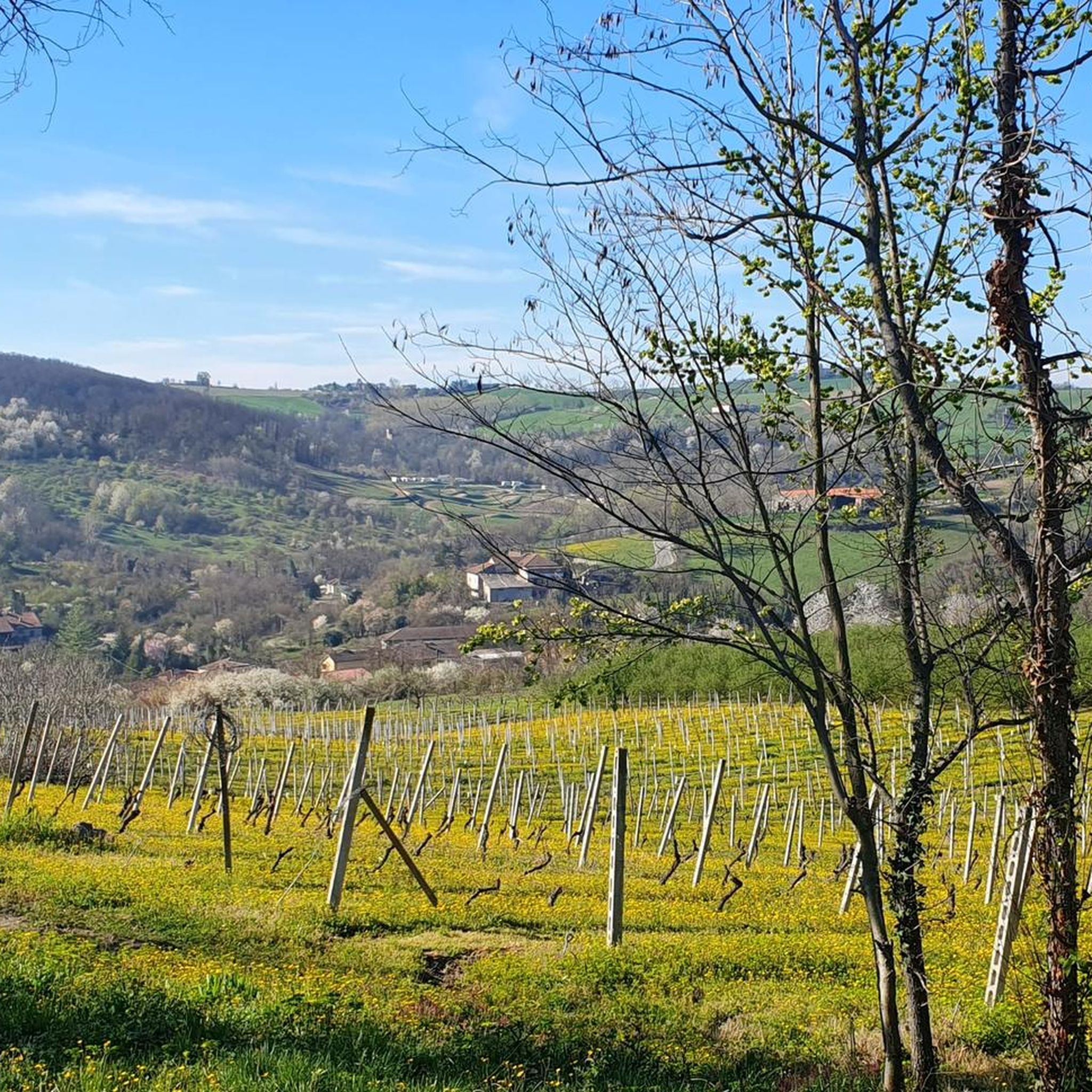
The UNESCO site of the wine-growing landscapes of Langhe, Monferrato and Roero is made up of six areas in the provinces of Alessandria, Asti and Cuneo and twenty-nine municipalities. The areas represent the exceptional quality of the Piedmontese wine-growing landscape and its profound and lively wine culture. The site is characterized by a rich and diversified system of farmhouses, wineries, wine industries, cooperative wineries, public and private wine shops, which in some cases constitute symbolic places for the history and development of national and international viticulture and enology.
1
0
Casale Monferrato is a city of great historical and cultural interest, located in Piedmont. Its historic center is full of monuments and sites of interest, including the cathedral of Sant'Evasio, the synagogue, the Monferrato castle, the civic tower, the civic museum and the Bistolfi plaster cast gallery. The city also hosts numerous cultural events and events. Among the typical products of Casale Monferrato we highlight the red krumiri of Portinaro, the agnolotti and the wine of Monferrato, which is a wine-growing area of great importance.
4
0

Panoramic road among the Monferrato hills with views of the surrounding hills, the Po Valley and on good weather days up to the Alps.
3
0
Riveでのの人気観光スポット

komootモバイルアプリでインスピレーションを得よう


さらに探索
まだ探しているハイライトが見つかりませんか?他の地域のトップアトラクションのガイドを見てみましょう:
