ヴァルフォルトーレのカステルヴェーテレのおすすめライド
5.0
(1)
27
ライダー
6
ライド
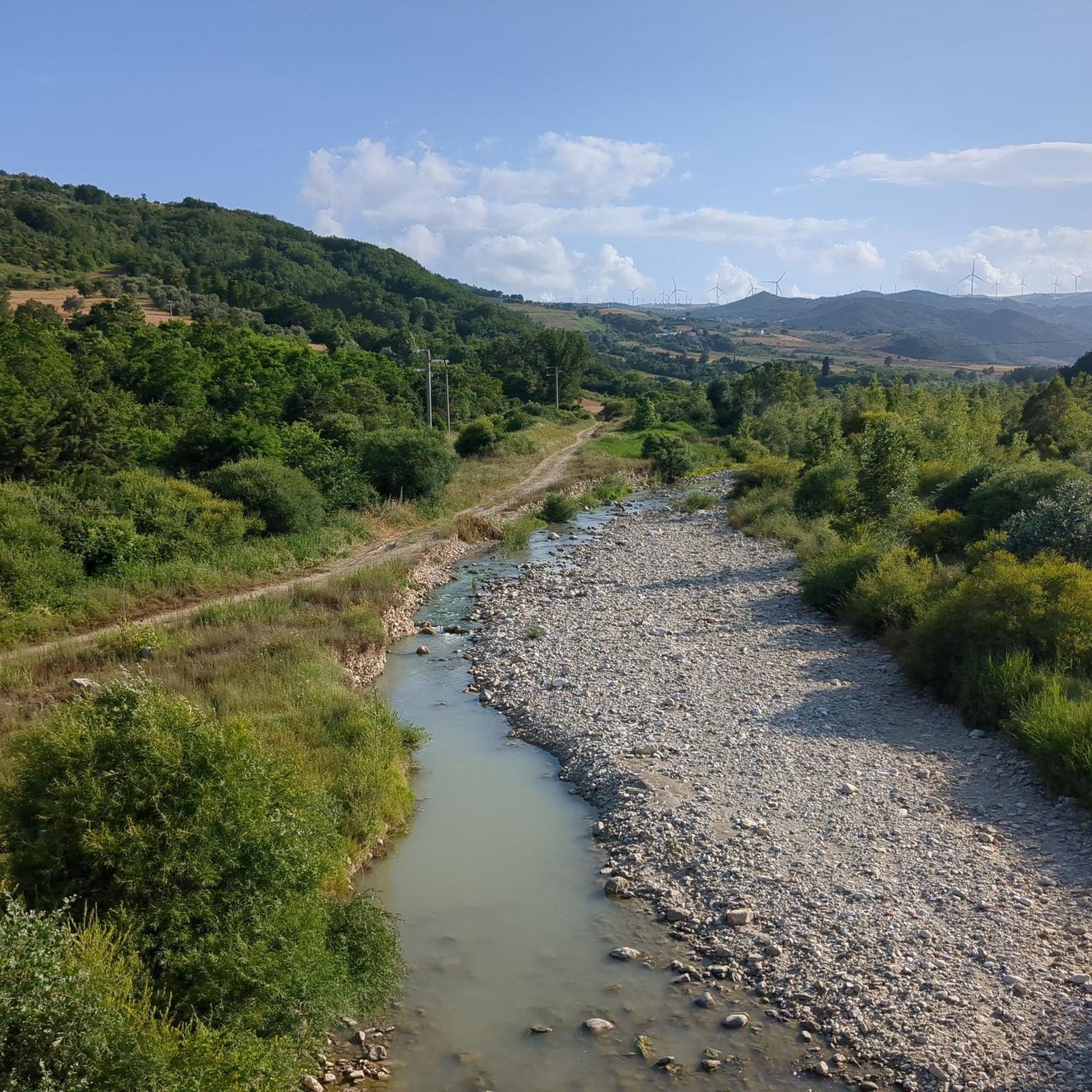
カステルヴェーテレ・イン・ヴァル・フォルトーレ周辺のロードサイクリングルートは、標高約706メートルの上部フォルトーレ川渓谷に位置する町の高い位置を特徴としています。この地域は起伏のある山岳地帯が混在し、様々な勾配とパノラマビューを提供します。 municipial forest のエリアとともに、「カランキ」バッドランドのようなユニークな地質学的形成が景観に視覚的な興味を加えています。
カステルヴェーテレ・イン・ヴァル・フォルトーレ周辺のベストロードサイクリングルート
- 最も人気のあるロードサイクリングルートは、ボスコ・マッツォッカ発の「トラヤヌス帝の凱旋門(ベネヴェント)~トラヤヌス帝の凱旋門(ベネヴェント)ループ」で、距離67.1マイル(107.9 km)、所要時間5時間19分、獲得標高が大きいトレイルです。
- 地元のロードサイクリストに人気のもう一つのルートは、フォイアーノ・ディ・ヴァル・フォルトーレ発の「ラゴ・ディ・デコラタ~サン・ジョルジョ湖ループ」で、難易度が高く、距離44.6マイル(71.8 km)のコースです。このルートは、地域の景観を抜ける挑戦的な登りと下りを含みます。
- 地元のロードサイクリストは、コル・サンニータ発の「ボスコ・マッツォッカループ」も気に入っています。距離24.1マイル(38.8 km)のこのトレイルは、様々な地形を通り抜け、所要時間は約1時間53分です。
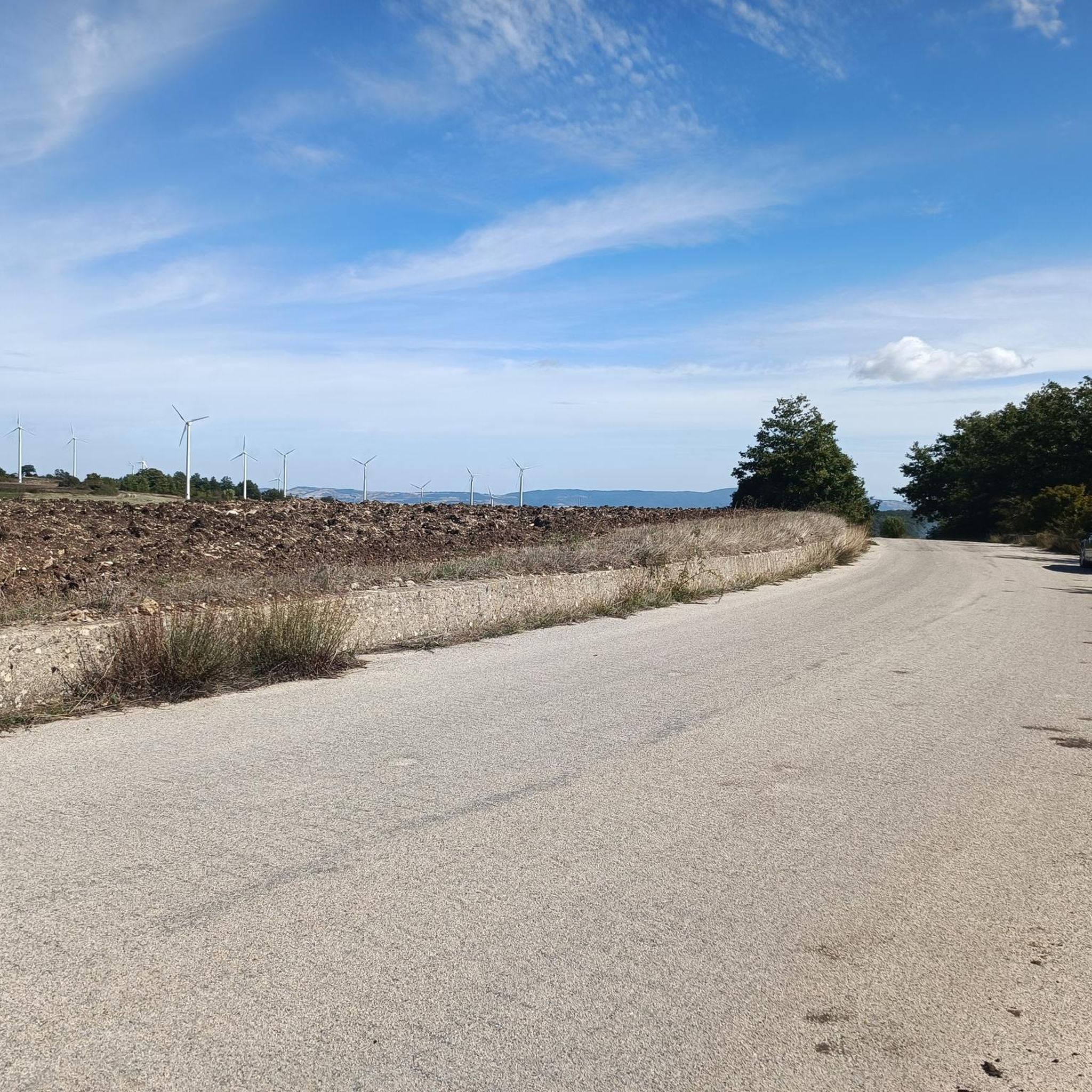
- カステルヴェーテレ・イン・ヴァル・フォルトーレ周辺のロードサイクリングは、フォルトーレ川渓谷、なだらかな丘、山岳地帯によって特徴づけられます。このネットワークは、適度な登りからより挑戦的な登りまで、様々なレベルのサイクリストに対応するオプションを提供します。
- カステルヴェーテレ・イン・ヴァル・フォルトーレのルートは、komootコミュニティから高く評価されており、4件のレビューで平均5.0つ星を獲得しています。80人以上のロードサイクリストがkomootを利用して、カステルヴェーテレ・イン・ヴァル・フォルトーレの多様な地形を探索しています。
最終更新日: 8月 28, 2026
7
ライダー
29.3km
01:27
450m
450m
中程度のロードライド. ある程度のフィットネスレベルが必要です。 全般的に舗装状態が良好で走行しやすい道です。
4
ライダー
46.3km
02:55
1,060m
1,060m
難しいロードライド. 標準以上のフィットネスレベルが必要です。 ツアーの一部に、未舗装のため走行が難しい箇所があるかもしれません。

無料新規登録
5.0
(1)
7
ライダー
難しいロードライド. 標準以上のフィットネスレベルが必要です。 全般的に舗装状態が良好で走行しやすい道です。
4
ライダー
45.7km
02:36
990m
990m
難しいロードライド. 標準以上のフィットネスレベルが必要です。 全般的に舗装状態が良好で走行しやすい道です。
5
ライダー
87.5km
05:13
1,880m
1,870m
難しいロードライド. 標準以上のフィットネスレベルが必要です。 ツアーの一部に、未舗装のため走行が難しい箇所があるかもしれません。
おすすめのツアーは他のkomootユーザーが実際に経験した何千ものアクティビティに基づいています。
無料アカウントで今日から始めよう
次の冒険が待っています。
ログインまたは登録
ヴァルフォルトーレのカステルヴェーテレ周辺で人気
コミュニティからのヒント

The Sanctuary of the Madonna Incoronata, built in 1761, stands in a rural area linked to the historic wheat festival, one of the most characteristic rituals of the Fortore area. Every April, farmers and young people of the village dig furrows in the fields and carry the "verghe" (long poles decorated with wheat and flowers) in procession. In ancient times, this was followed by the release of a dove as a propitiatory gesture for the harvest. This tradition combines ancient agricultural symbols with Marian devotion, making the sanctuary a deeply rooted place for San Bartolomeo in Galdo.
1
0

San Bartolomeo in Galdo is an Italian town in the province of Benevento, located in Campania, near the border with Puglia and Molise. It has ancient origins, dating back to the Roman and medieval periods, and has numerous historic buildings and churches, including the Church of San Bartolomeo Apostolo. The town is located in the hilly area of Val Fortore, surrounded by an agricultural landscape. Among the local traditions, there are religious celebrations and cultural events that involve the community.
0
0
Article from Sanbartolomeo.info Chapel built in 1761 by the priest Don Nicola Reino. The celebrations in honor of the Crowned Madonna are particularly interesting for their union between the sacred and the profane. This festival is celebrated on the last Sunday of April in the rural village of the same name. Here, the statue of the Virgin is carried in procession, watched over with songs and prayers. In the days leading up to the festival, the farmers dig furrows in the land that reach from the horizon to the small church, putting all their effort into making them as straight as possible, both for competition between the various groups and out of devotion and thanksgiving for the harvest. During the ritual, the farmers raised tall poles made of wheat, grass, and flowers. At the top was placed a representation of the sanctuary—a box containing a dove that will be released at the end of the ceremony. This ritual is kept alive today thanks to the many groups of young people who, throughout the year, prepare the poles covered in colorful crepe paper flowers, which they carry on their shoulders following the procession and then raise in front of the church in honor of the Madonna. The festival is characterized by vigils, prayers, and quick breakfasts consumed on the grass surrounding the church or at the various kiosks set up for the occasion. The historical sources of the wheat festival are helpful in trying to trace all the stages of a phenomenon that over the years has acquired new meanings and adapted to new religious dictates. The origins of the ritual of offering grain to the deities are lost in the mists of time and date back to cults associated with agricultural life in pagan times and the sense of fear and insecurity associated with the precarious return of the lost seed. Indeed, the success of the harvest depends on superior forces beyond human control, such as adverse weather, so it is these forces that must be thanked for the abundant harvest and encouraged to be generous the following year with donations and devotion. The first historical records of the grain festival in Campania date back to the times of the Roman Empire. During the month of August, agricultural work was halted and Ceres, goddess of the harvest, was thanked with offerings and dances in the threshing floors, and propitiatory rites were performed for the coming harvest. Later, with the advent of Christianity, cartloads of grain were carried as offerings to a saint as a sign of devotion and gratitude for the harvest. This ritual perhaps conceals the questionable custom of the clergy, who during the feudal era forced farmers to donate part of their harvest. It was during this period that the first attempts to weave straw into decorations emerged. Even today, thanksgiving for the harvest is dedicated to the saints and Madonnas to whom the inhabitants of various Campanian towns still attached to agricultural traditions are devoted: the Madonna del Carmine in San Marco dei Cavoti, the Madonna Incoronata in San Bartolomeo in Galdo, the Assunta in Fontanarosa, and the Addolorata in Mirabella Eclano, towns where the female deities of the fields have been revived in the Christian figure of the Madonna.
0
0

Biccari is a municipality on the slopes of Monte Cornacchia, the highest peak in Puglia in the Northern Dauni Mountains. It has ancient origins and retains a characteristic historic centre, with stone houses, narrow alleys and many stairways.
1
0
Montefalcone di Val Fortore is a town in the province of Benevento, near the border between Campania and Puglia. The Fortore river is born in the municipal area and is the highest municipality in the province with the historic village located more than 800 meters above sea level.
2
0

nice ride with 1100m of altitude in 100km ... recommended
0
0
よくある質問
Castelvetere In Val Fortore周辺には、ロードサイクリングルートはいくつありますか?
Castelvetere In Val Fortore周辺には16件のロードサイクリングルートがあり、中程度から難易度の高いものまで、さまざまな体験ができます。
この地域でロードサイクリングをする際、どのような地形が予想されますか?
この地域は丘陵地帯と山岳地帯が混在しており、標高約706メートルのフォトーレ川上流域という高所に位置するため、勾配は様々です。起伏のある丘や、しばしば舗装された路面での挑戦的な登り坂に遭遇するでしょう。これは、より広範なサンニオ地方の特徴です。
特に難しいロードサイクリングルートはありますか?
はい、多くのルートが大きな挑戦を提供します。例えば、ボスコ・マッツォッカ発、トラヤヌスの門(ベネヴェント)~トラヤヌスの門(ベネヴェント)周回ルートは、獲得標高1500メートル超えの難易度の高い107.9kmのトレイルです。もう一つの厳しい選択肢は、フォアーノ・ディ・ヴァル・フォルトーレ発、ラゴ・ディ・デコラタ~サン・ジョルジョ湖周回ルートで、71.8kmのコースには厳しい登りと下りがあります。
サイクリング中に見られる自然の特徴やランドマークは何ですか?
ルートからはフォトーレ川の谷のパノラマビューが楽しめます。また、ラマランネの「カランキ」バッドランドのようなユニークな地質学的特徴に出会うこともでき、ドラマチックな背景を提供します。この地域には、絵のように美しい小さな湖であるラゴ・ディ・デコラタや、地域の歴史を物語る古代ルートである歴史的なルチェラ~カステル・ディ・サングロの牧畜道もあります。
Castelvetere In Val Fortoreでのロードサイクリングについて、他のロードサイクリストが最も楽しんでいる点は何ですか?
この地域はkomootコミュニティから高く評価されており、4件のレビューで平均5.0つ星を獲得しています。サイクリストは、適度な登りから厳しい登りまでの変化に富んだ地形と、フォトーレ川の谷のパノラマビューをしばしば賞賛しています。
利用可能な円形のロードサイクリングルートはありますか?
はい、多くのルートがループ状に設計されています。例としては、ボスコ・マッツォッカ発、トラヤヌスの門(ベネヴェント)~トラヤヌスの門(ベネヴェント)周回ルート、フォアーノ・ディ・ヴァル・フォルトーレ発、ラゴ・ディ・デコラタ~サン・ジョルジョ湖周回ルート、そして短いコレ・サンニータ発、ボスコ・マッツォッカ周回ルートなどがあります。
Castelvetere In Val Fortoreでのロードサイクリングに最適な時期はいつですか?
標高が高く起伏のある地形のため、春と秋は一般的にロードサイクリングに最も快適な時期であり、気温も穏やかで景色も美しいです。夏は特に谷間では暑くなることがあり、冬は標高の高い場所では気温が低くなり、雪が降る可能性があります。
家族向けのロードサイクリングオプションはありますか?
この地域の多くのルートはかなりの獲得標高があり、中程度から難易度が高いと評価されていますが、ルートの短い区間や、それほどきつくない地元の道路は、家族連れに適している可能性があります。ご家族の体力レベルに合っているかを確認するために、特定のルートの標高プロファイルと距離を確認することをお勧めします。
ロードサイクリングルートの駐車場はどこで見つけられますか?
駐車場は、一般的にCastelvetere In Val Fortoreの町とその周辺で利用可能です。特定のルートについては、ボスコ・マッツォッカやフォアーノ・ディ・ヴァル・フォルトーレなどの村や興味深い場所の近くによく見られる指定駐車場がある出発点を確認することをお勧めします。
この地域でカフェや宿泊施設を見つけることはできますか?
Castelvetere In Val Fortoreは、歴史的な町の中心部があり、カフェやレストランなどの地元の施設があります。宿泊施設については、町や周辺の村にホテルやB&Bなど、サイクリングの拠点として便利なさまざまなオプションを見つけることができます。
ここのロードサイクリングルートの典型的な獲得標高はどのくらいですか?
Castelvetere In Val Fortoreのロードサイクリングルートは、丘陵地帯と山岳地帯のため、しばしばかなりの獲得標高があります。例えば、ボスコ・マッツォッカ発、トラヤヌスの門(ベネヴェント)~トラヤヌスの門(ベネヴェント)周回ルートは1500メートル以上の登りがあり、フォアーノ・ディ・ヴァル・フォルトーレ発、ラゴ・ディ・デコラタ~サン・ジョルジョ湖周回ルートは1250メートル以上の登りを含んでいます。
歴史的な場所を通るルートはありますか?
Castelvetere In Val Fortoreを含むより広範なサンニオ地方は、歴史が豊かです。古代遺跡を直接通る特定のロードサイクリングルートは詳細には記されていませんが、町自体は、ノルマン様式の城塔の遺跡、18世紀のパラッツォ・マルケサーレ、サン・ニコラ教会などの特徴的な歴史的中心部を保存しています。ルートはしばしば歴史的に重要な村を通過またはその近くを通り、文化的な立ち寄り先を提供します。
ヴァルフォルトーレのカステルヴェーテレでのの人気観光スポット

komootモバイルアプリでインスピレーションを得よう


さらに探索
他の地域の最高のロードサイクリングルートを見てみましょう。
