シャアルビーのおすすめライド
4.6
(288)
3,817
ライダー
375
ライド
サイクリングロードでのシュールビー周辺のサイクリングは、シュライ湾と様々な湖に近接していることが特徴で、緩やかな起伏と風光明媚な水辺の景色を楽しめるルートを提供しています。景観は、開けた野原、小さな森林地帯、荒野が混在しており、サイクリングの多様な背景を提供します。標高は一般的に低く、一部のルートには200メートル未満の丘があり、水辺や周囲の田園地帯のパノラマビューを楽しめます。地形は平坦から緩やかな起伏が多く、多くのサイクリストがアクセスしやすいです。
シュールビー周辺の最高のサイクリングロード
- 最も人気のあるサイクリングロードは、The Cake House – シュレースヴィヒからのシュライ湾を見下ろすループで、距離16.1マイル(25.9 km)、所要時間1時間4分です。このルートはシュライ湾の景色を望むエリアを通り抜けます。
- 地元のサイクリストに人気のもう一つのルートは、シュレースヴィヒからのトースベルガー・ムーア・ループで、距離28.6マイル(46.0 km)のイージールートです。このルートはトースベルガー・ムーア地域を探索し、多様な自然景観の中を走ることができます。
- 地元のサイクリストに愛されているのは、Auguste Windmill – Sande Bathing Area, Wittenseeループ、ファールドルフ発で、距離36.7マイル(59.1 km)、ヴィッテンゼー周辺を走り、所要時間は約2時間29分です。
- シュールビー周辺のサイクリングロードは、フィヨルド沿いの道、湖の周回コース、そして緩やかな起伏のある丘が特徴です。このネットワークは、ゆったりとしたライドから長距離のサイクリングまで、さまざまなレベルのサイクリストに対応するオプションを提供しています。
- シュールビーのルートは、komootコミュニティから高く評価されており、250件以上のレビューで平均4.6つ星を獲得しています。4000人以上のサイクリストがkomootを利用して、シュールビーの多様な地形を探索しています。
最終更新日: 10月 22, 2026
3.5
(2)
54
ライダー
25.9km
01:05
150m
150m
初級者向けロードバイクライド. あらゆるフィットネスレベルに適しています。 全般的に舗装状態が良好で走行しやすい道です。
4.6
(5)
31
ライダー
45.6km
01:52
180m
180m
初級者向けロードバイクライド. あらゆるフィットネスレベルに適しています。 全般的に舗装状態が良好で走行しやすい道です。

5.0
(2)
24
ライダー
59.1km
02:29
220m
220m
中程度のロードライド. ある程度のフィットネスレベルが必要です。 全般的に舗装状態が良好で走行しやすい道です。
3.0
(1)
26
ライダー
20.9km
00:54
110m
110m
初級者向けロードバイクライド. あらゆるフィットネスレベルに適しています。 全般的に舗装状態が良好で走行しやすい道です。
19
ライダー
42.7km
01:45
190m
190m
中程度のロードライド. あらゆるフィットネスレベルに適しています。 ツアーの一部に、未舗装のため走行が難しい箇所があるかもしれません。
さらに多くのルートや他のユーザーのおすすめ情報を確認できます。
すでにアカウントをお持ちですか?
おすすめのツアーは他のkomootユーザーが実際に経験した何千ものアクティビティに基づいています。
無料アカウントで今日から始めよう
次の冒険が待っています。
シャアルビー周辺で人気
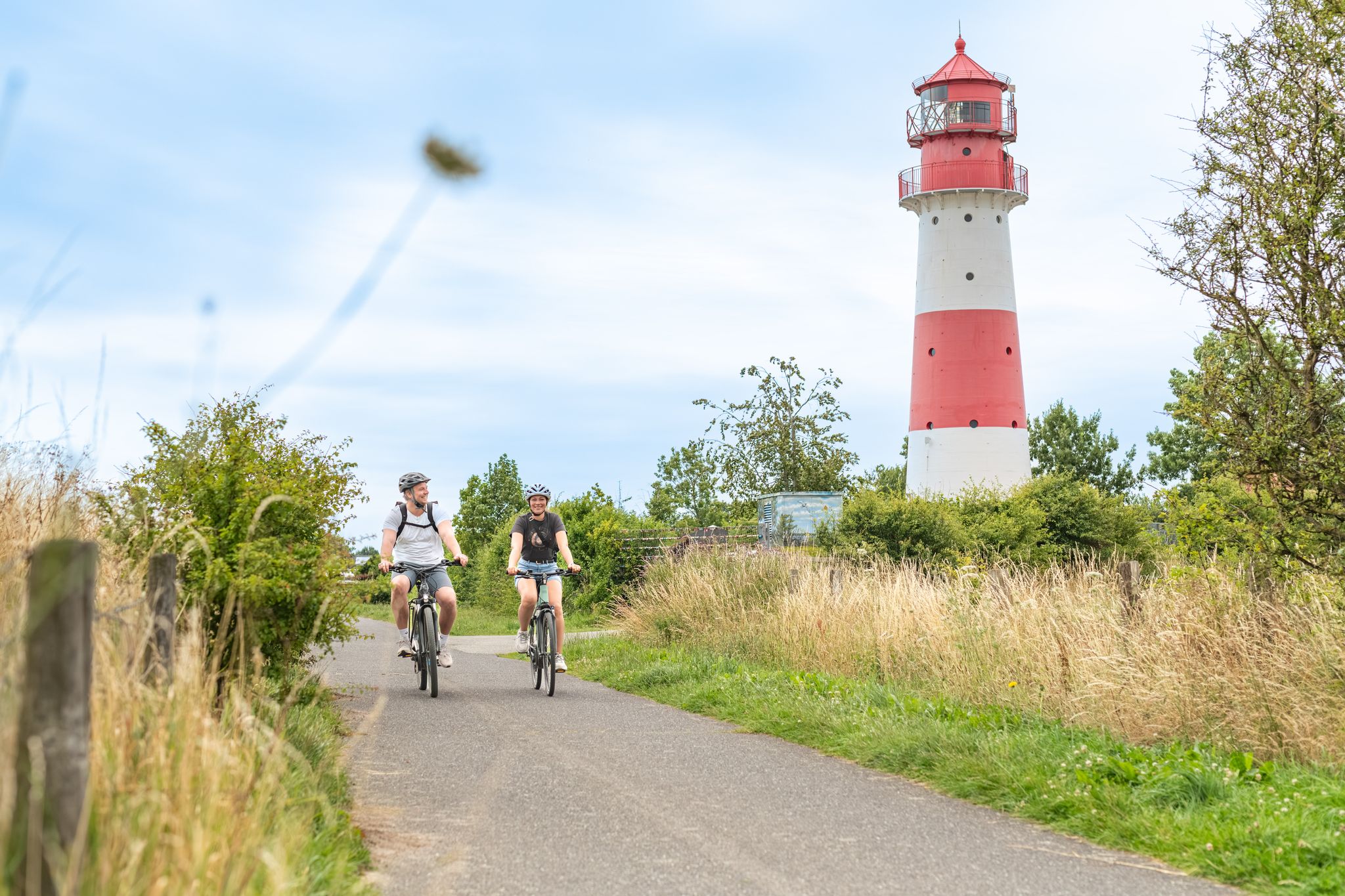
Between the coast and the interior: superb cycling on the Schlei
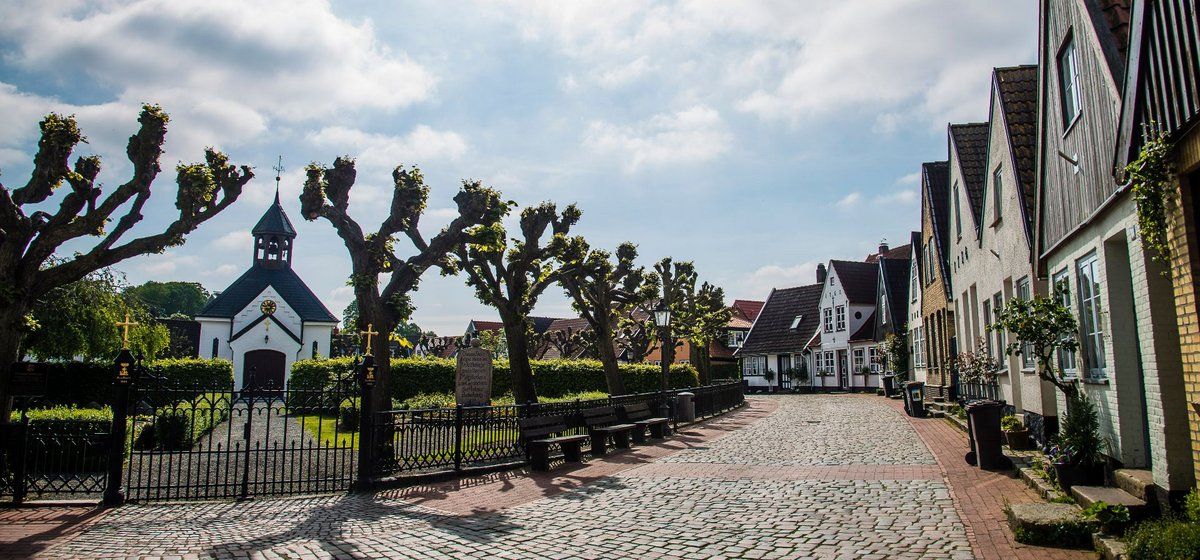
ミニ自転車旅行地区 シュレースヴィヒ
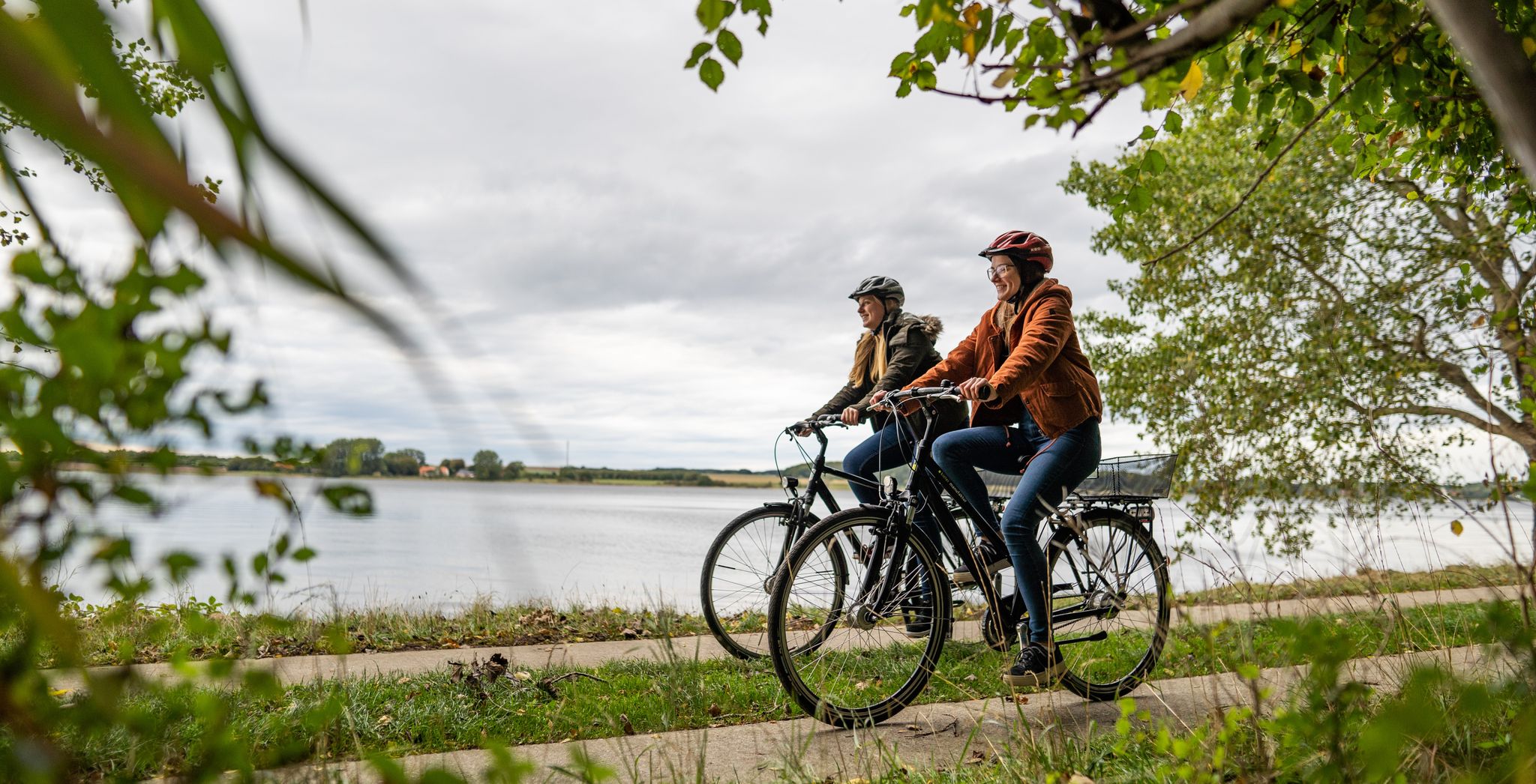
Cycling in Germany’s northern Binnenland – cycle paths through flat landscapes
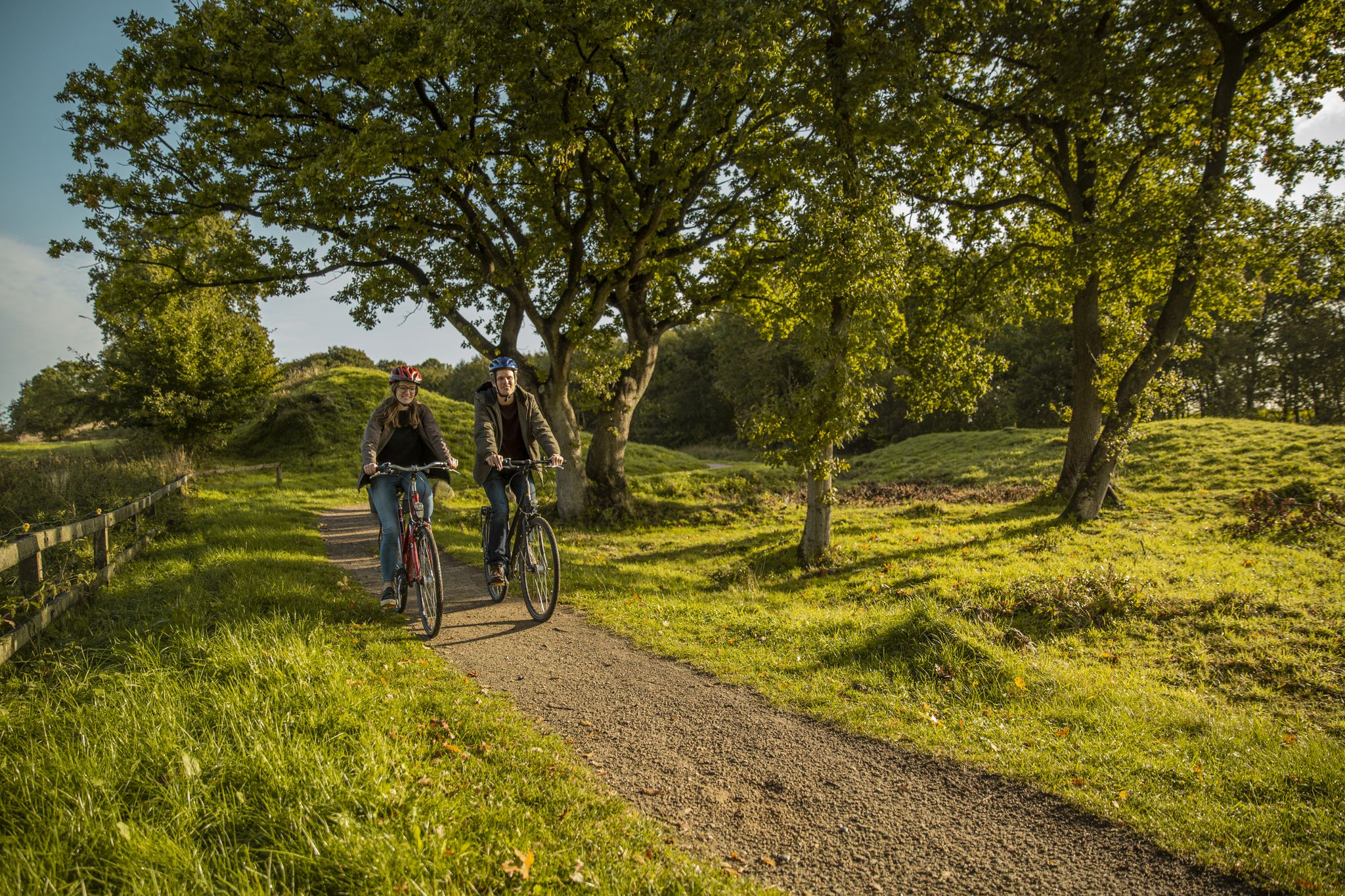
Culture, nature and Vikings – cycling on the Baltic Sea fjord Schlei
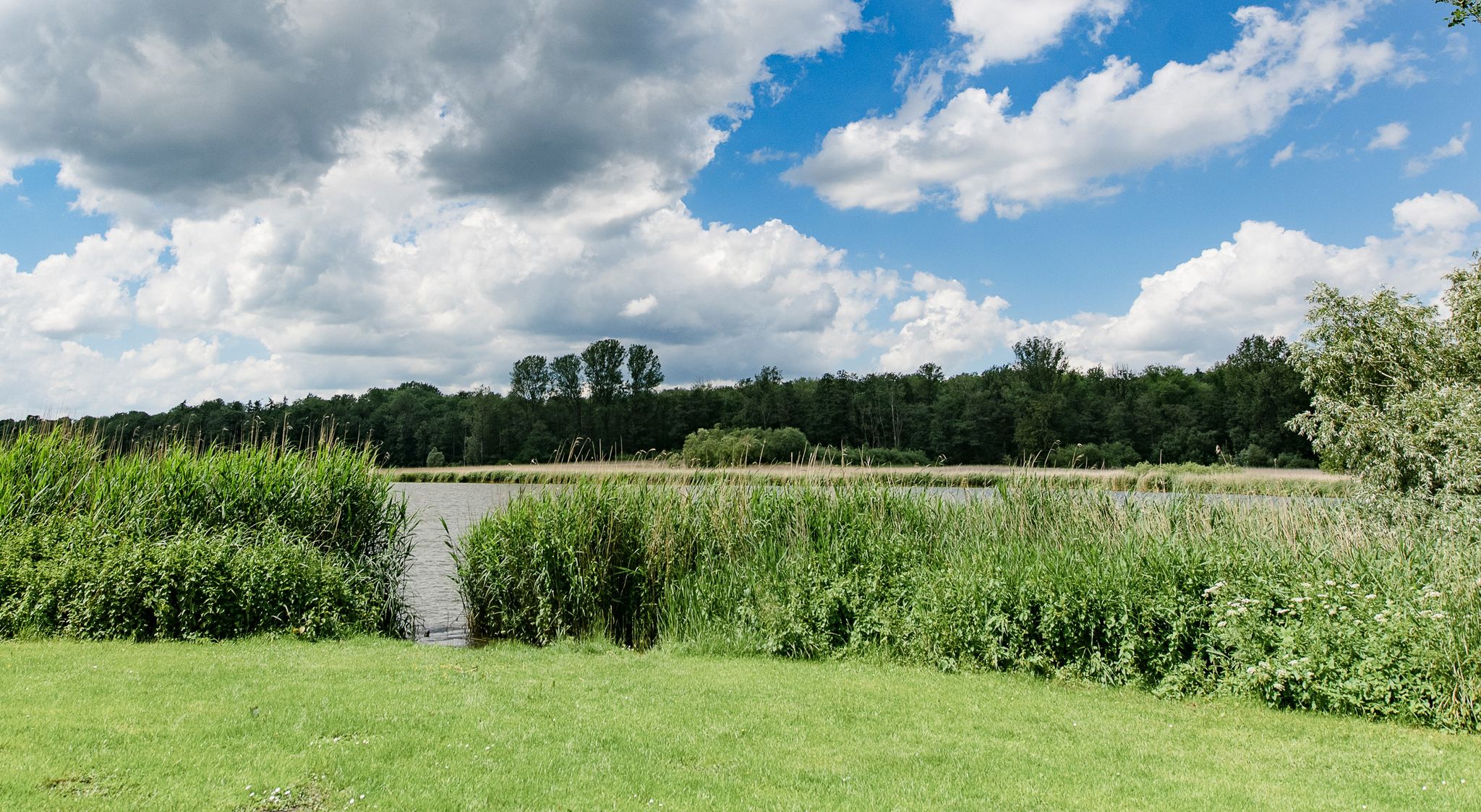
Following in the footsteps of the Vikings – hiking around Schleswig
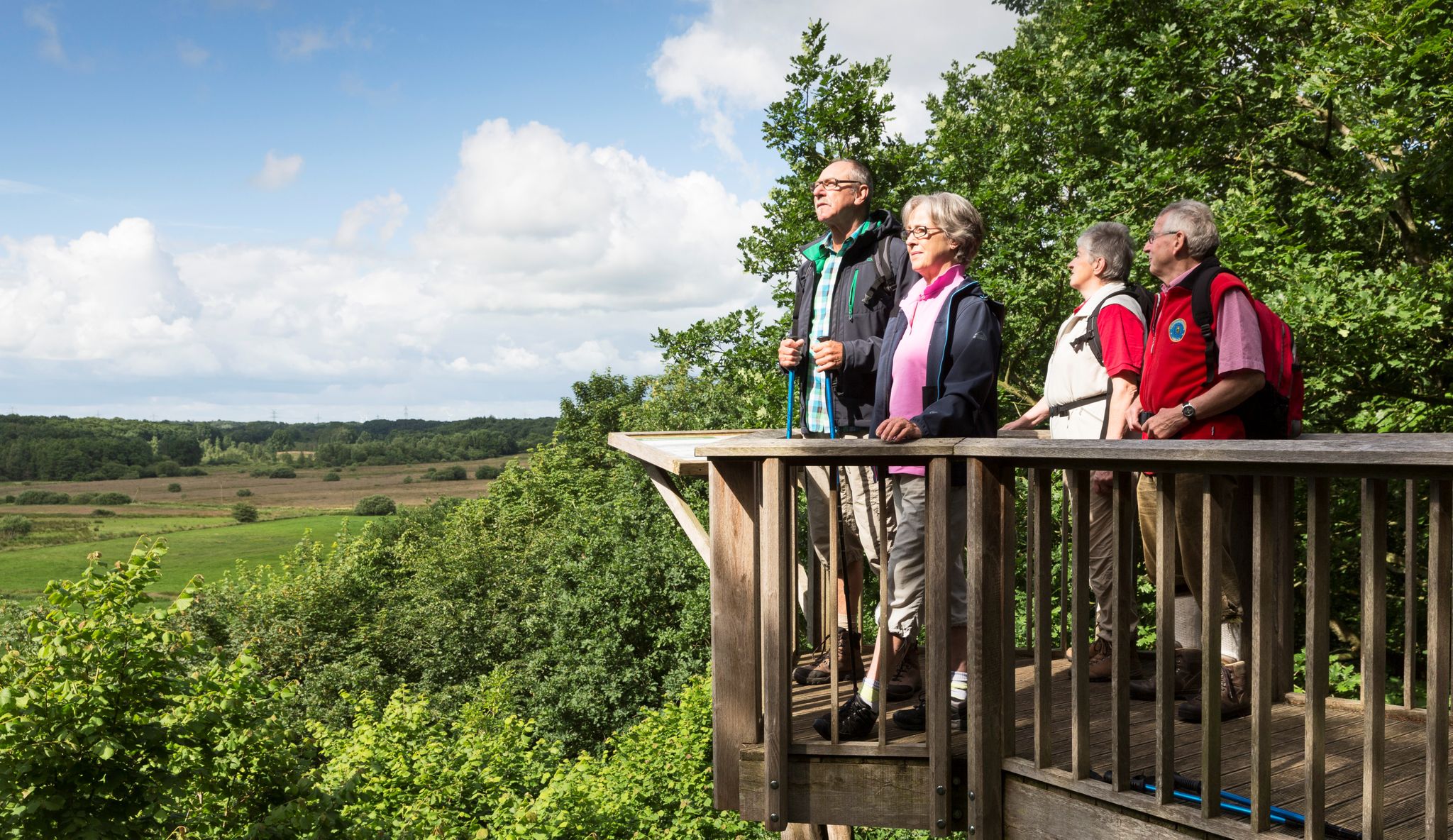
Wandern im Grünen Binnenland
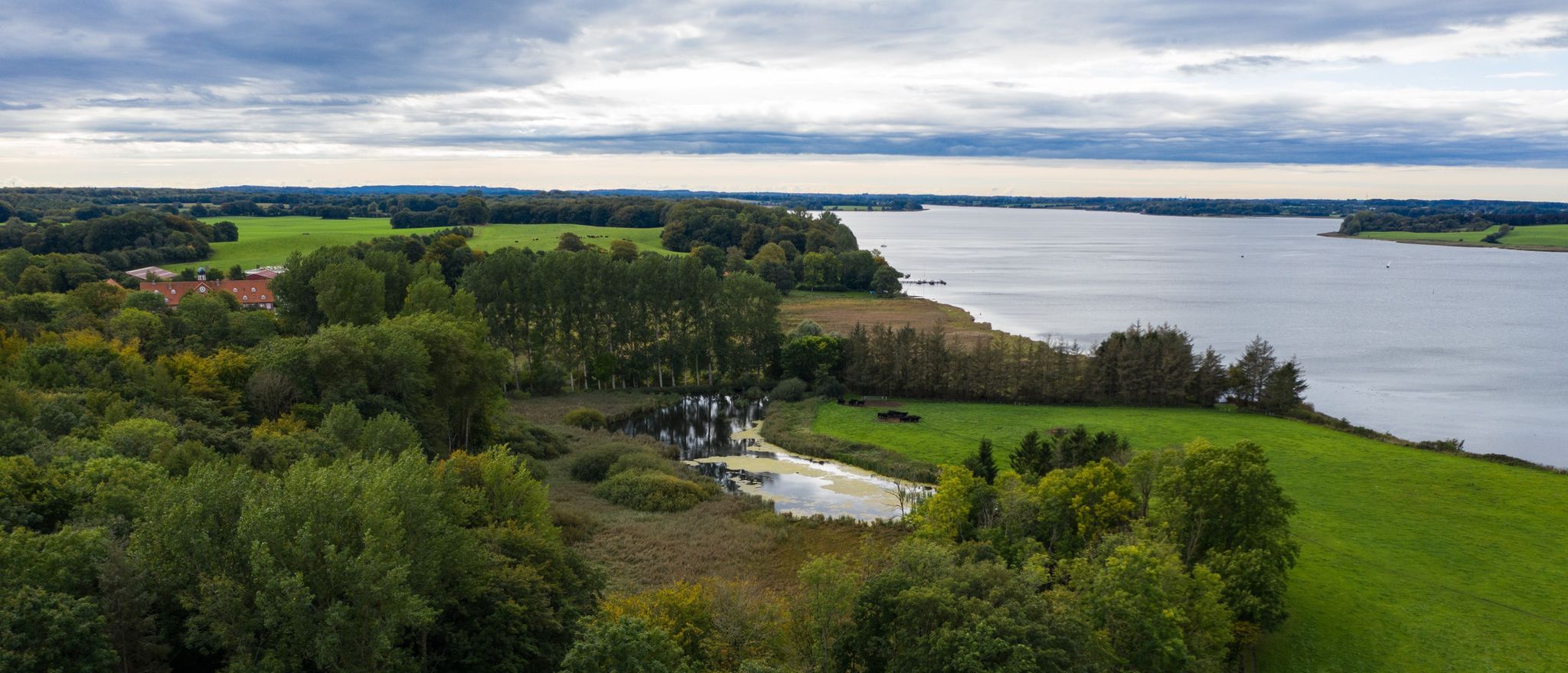
Wandern an der Schlei
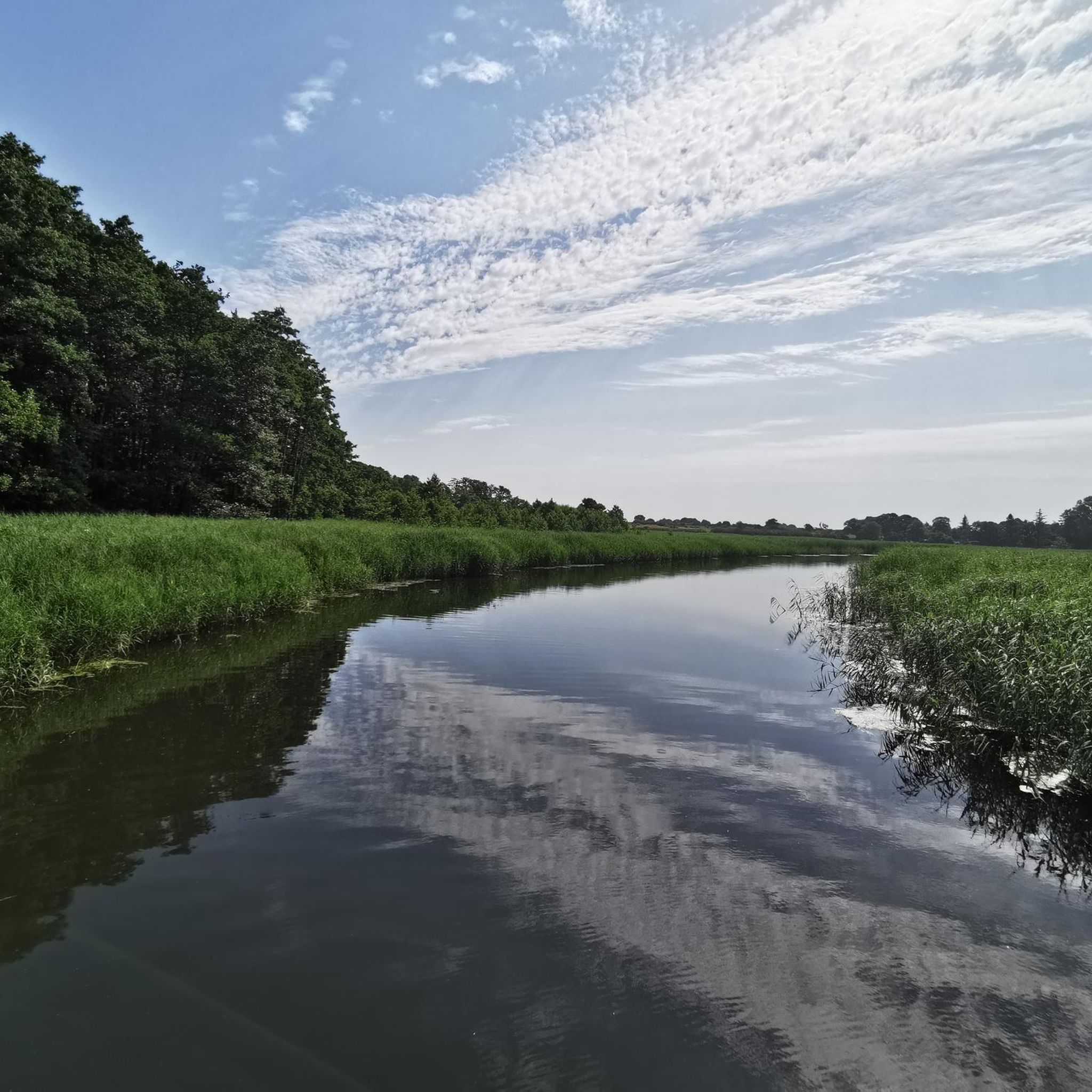
シャアルビーでのサイクリング
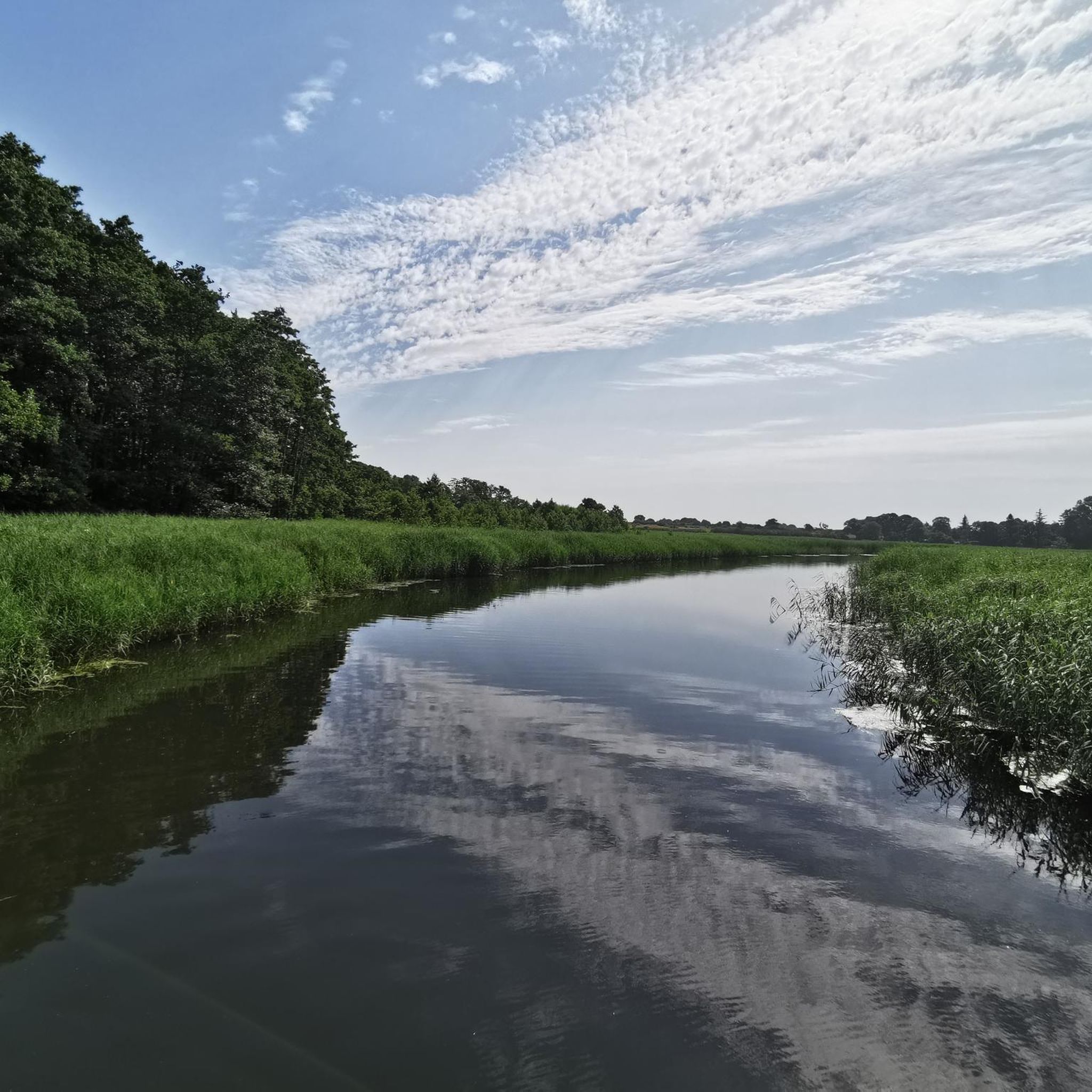
シャアルビーでのハイキング
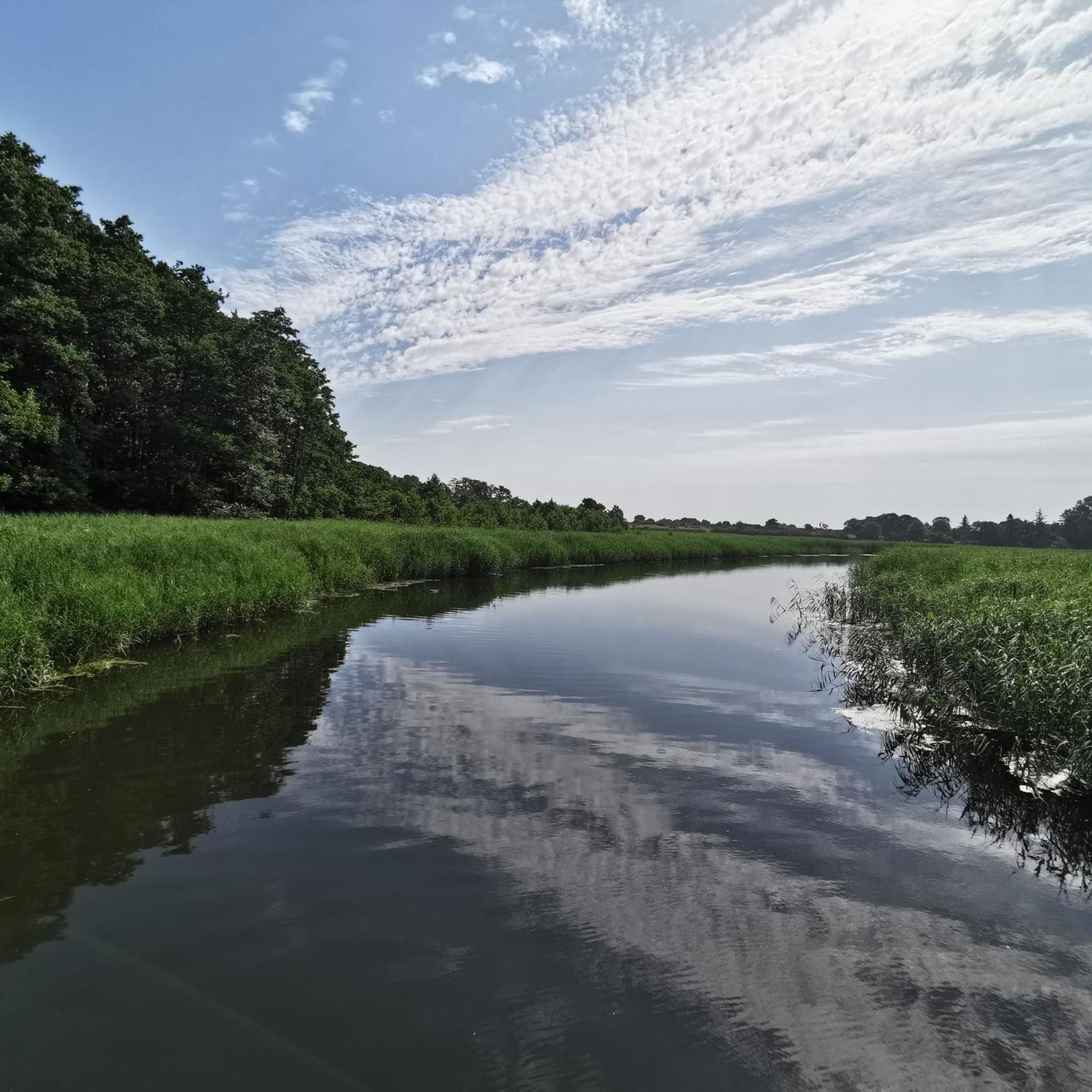
シャアルビーのMTBトレイル
シャアルビーでのの他の冒険


コミュニティからのヒント

12世紀に建てられた小さな石造りの教会は、Angelnで最もオリジナルのロマネスク様式の教会の1つと見なされています。
0
0


必要な時に来てくれるのは嬉しいものです。
1
0
素敵な小さな丘陵地帯の道、交通量は少ないです。
0
0

aphörnchen Am Hafen 9 24837 Schleswig Opening Hours Monday: 10 a.m. - 9 p.m. Tuesday: 10 a.m. - 9 p.m. Wednesday: 10 a.m. - 9 p.m. Thursday: 10 a.m. - 9 p.m. Friday: 10 a.m. - 9 p.m. Saturday: 10 a.m. - 10 p.m. Sunday: 10 a.m. - 9 p.m. Public Holidays: 10 a.m. - 9 p.m. Contact mail@kaphoernchen.de
0
0

The last funeral guild of its kind in the country In 1650, two years after the end of the Thirty Years' War, Schleswig was severely devastated by marauding troops and their followers. At the same time, the plague raged. The high death toll made dignified burials almost impossible in many places. In light of this situation, Holm citizens founded the funeral guild as a mutual insurance scheme. The funeral guild, with its own cemetery and chapel, is the last of its kind in Schleswig-Holstein.
3
0
シャアルビーでのの人気観光スポット

komootモバイルアプリでインスピレーションを得よう


さらに探索
他の地域の最高のロードサイクリングルートを見てみましょう。
