サハベサヨのおすすめライド
4.6
(53)
3,262
ライダー
95
ライド
サハベサヨでのでおすすめのロードバイクルートをお探しですか?トゥダンカ-カブエルニガが誇るこの美しい自然公園周辺で楽しめるライドを集めたkomootコレクションを参考にしてください。次のアドベンチャーでは、サハベサヨの魅力をもっと発見しましょう。
最終更新日: 7月 17, 2026
52
ライダー
37.5km
02:07
800m
800m
中程度のロードライド. ある程度のフィットネスレベルが必要です。 ツアーの一部に、未舗装のため走行が難しい箇所があるかもしれません。
40
ライダー
中程度のロードライド. ある程度のフィットネスレベルが必要です。 全般的に舗装状態が良好で走行しやすい道です。

無料新規登録
18
ライダー
69.0km
03:18
800m
800m
中程度のロードライド. ある程度のフィットネスレベルが必要です。 ツアーの一部に、未舗装のため走行が難しい箇所があるかもしれません。
172
ライダー
111km
05:39
1,720m
1,720m
難しいロードライド. 標準以上のフィットネスレベルが必要です。 ツアーの一部に、未舗装のため走行が難しい箇所があるかもしれません。
107
ライダー
73.3km
04:03
1,290m
1,290m
難しいロードライド. 標準以上のフィットネスレベルが必要です。 全般的に舗装状態が良好で走行しやすい道です。
さらに多くのルートや他のユーザーのおすすめ情報を確認できます。
無料新規登録
すでにアカウントをお持ちですか?
おすすめのツアーは他のkomootユーザーが実際に経験した何千ものアクティビティに基づいています。
無料アカウントで今日から始めよう
次の冒険が待っています。
ログインまたは登録
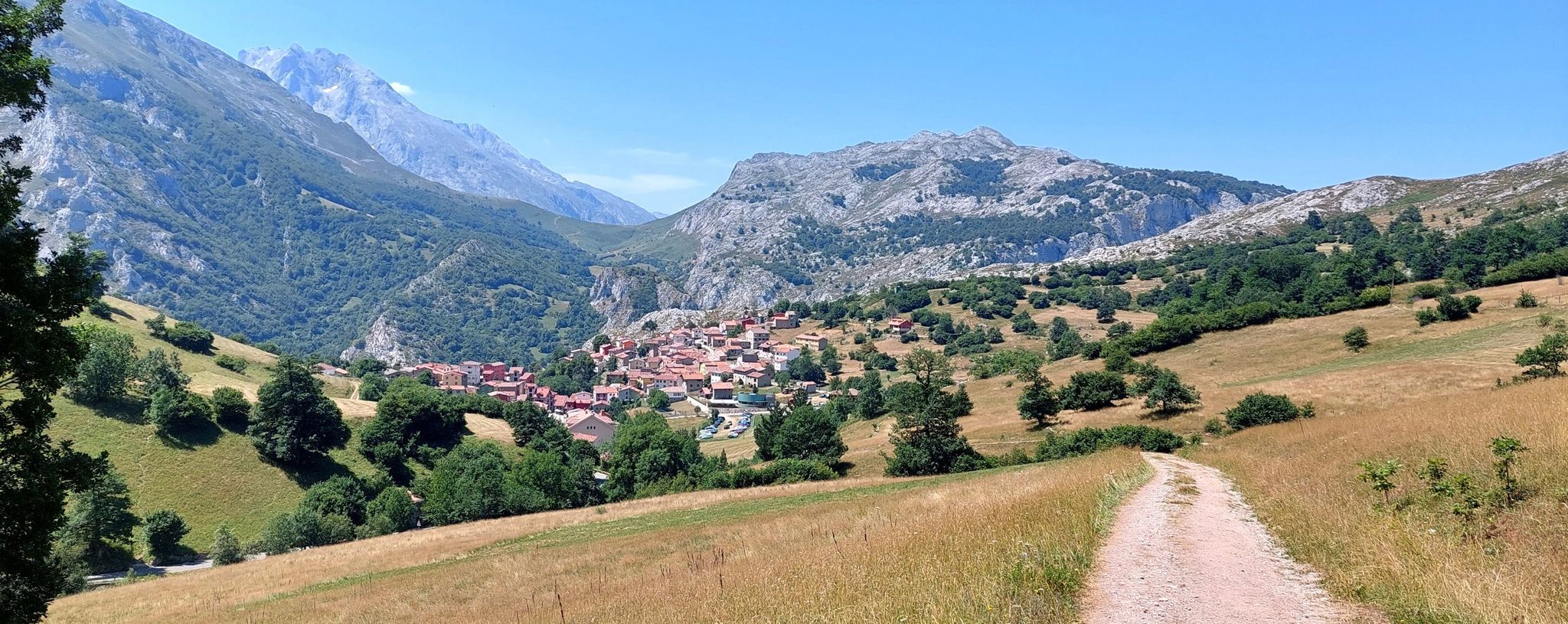
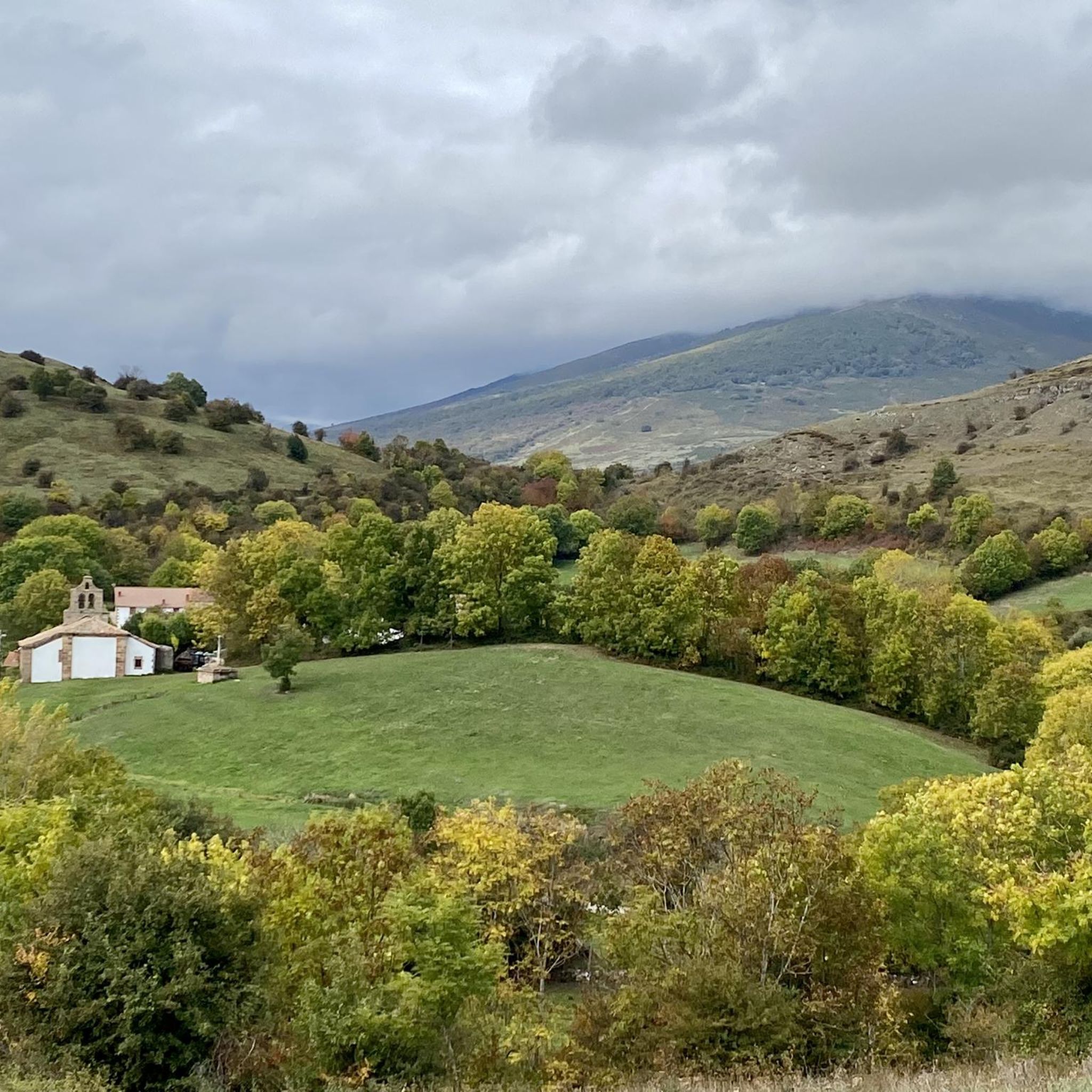
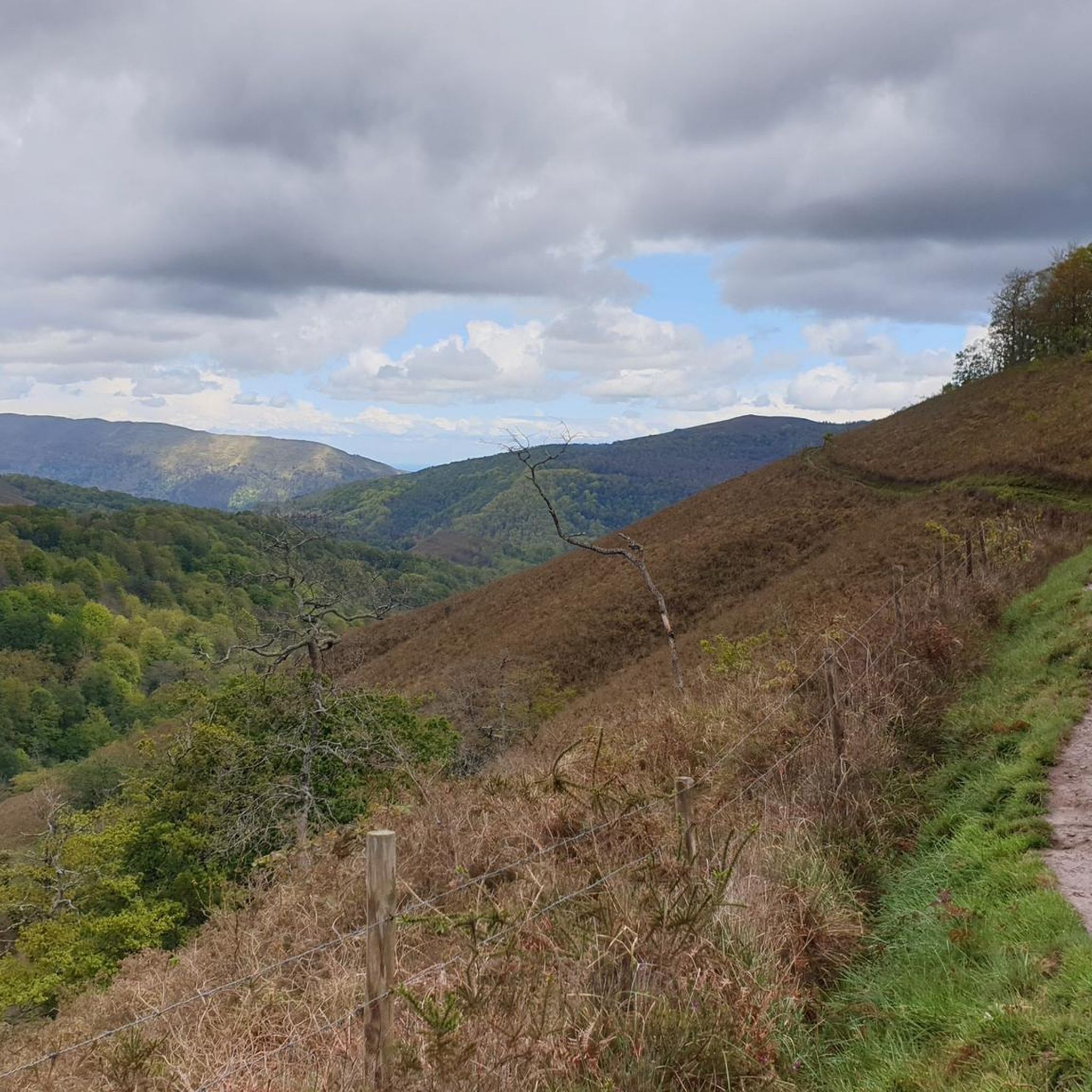
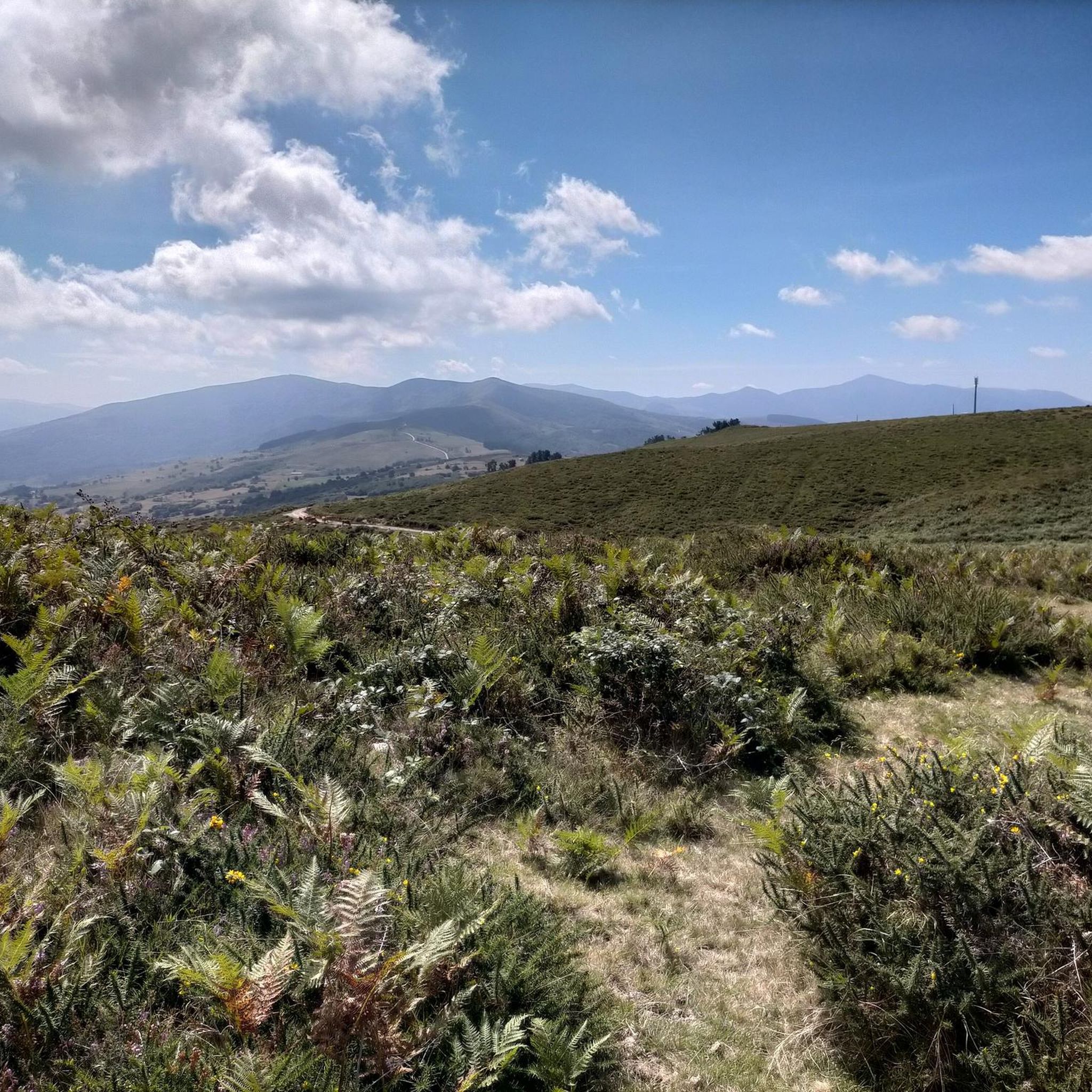
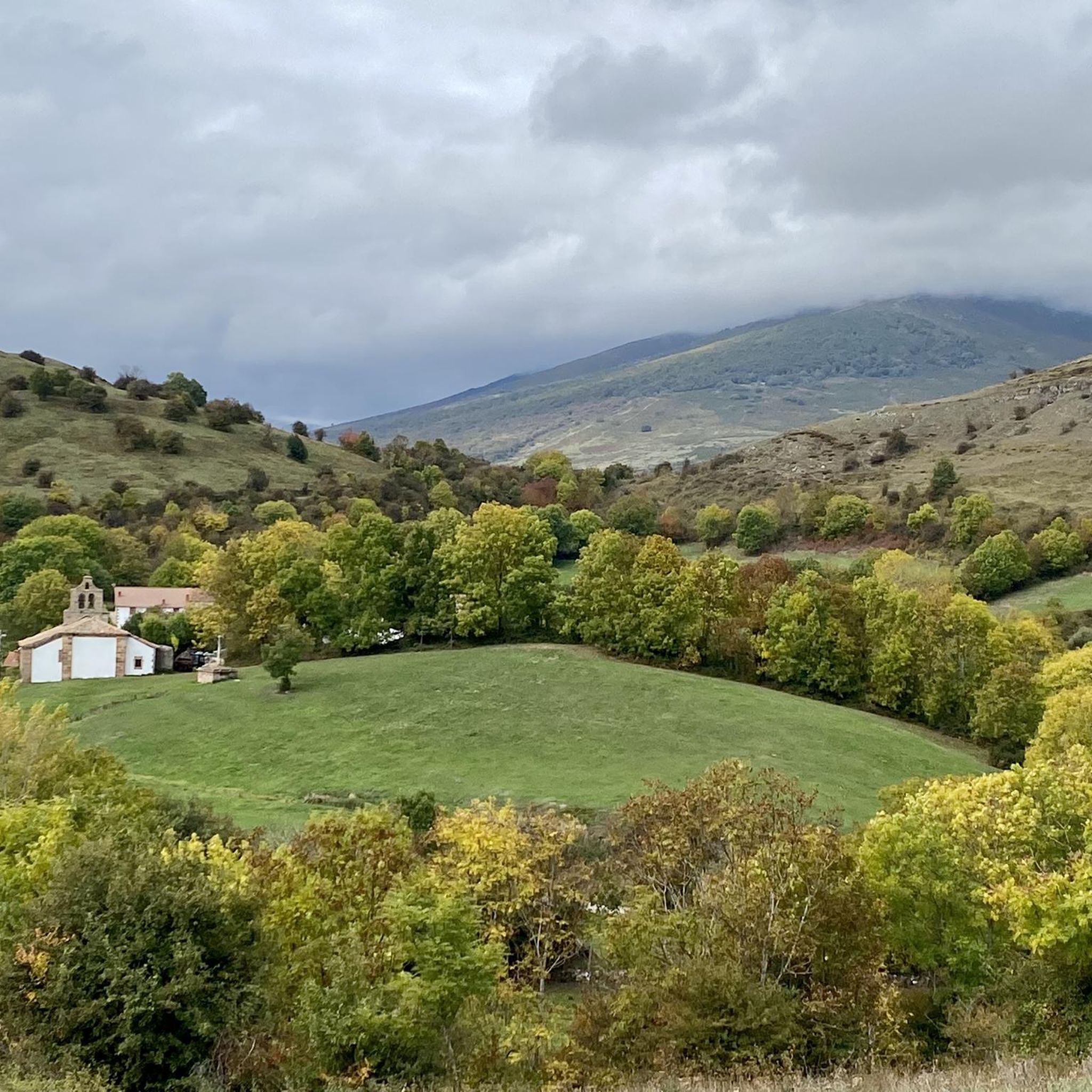


コミュニティからのヒント

レイノーサのスペイン広場は、他の多くの広場と同様に、集まりや祭りの会場となっています。 ぜひ訪れて、時間があれば地元のタパスを味わいながらテラスでリラックスしてみてください。
0
0

At the foot of the road you begin to see the water from the Ebro reservoir
0
0
We set out with the hope of ascending to the summit of Tresmares, where the Hijar-Ebro River begins and flows into the Mediterranean, the Pisuerga River (a tributary of the Duero River) flows into the Atlantic, and the Nansa River flows into the Cantabrian Sea. But a thick, damp fog covering the landscape forced us to give up and head back down the same way we came up. The road is partially covered by a bike lane and very little traffic. A steady climb of around 10%. Absolutely recommended. A few years ago, the Alto Campoo pass was the final stage of La Vuelta a España.
0
0
Officially, it's the source of the Ebro River, in Fontibre. However, according to what we were told at the tourist office, the waters of the spring pools come underground from the Hijar River, which rises in Alto Campoo. Specifically, in Tresmares, where the Hijar-Ebro begins, flowing into the Mediterranean; the Pisuerga (a tributary of the Duero) flows into the Atlantic; and the Nansa flows into the Cantabrian Sea.
0
0

You can climb from Cieza or Los Llares. The road is dirty and somewhat broken through Cieza (be careful when descending on a road bike).
0
0

The San Andrés Bridge is in Somahoz (Los Corrales de Buelna) over the Besaya River, which gives access to the San Andrés neighbourhood. It is divided into a narrow lane for vehicles and a pedestrian crossing, and from it we see a railway bridge that we have to go under to enter the neighbourhood. And that railway bridge (or overpass) that we crossed is part of the historic "Ferro-carril de Isabel II" (Isabel II Railway) that began to be built in the mid-19th century with the project of joining the towns of Alar del Rey with Santander and whose section from Bárcena de Pie de Concha to the Cantabrian capital must have been finished in 1858.
0
0
The Casa Palacio that the Ceballos had in Barros is today owned by Mr. Herrero and Mr. Martínez de Azcoitia. It is a beautiful mountain architectural complex with a portal between cylindrical cubes, a typical mansion and a chapel. It was restored a few years ago by the current owners who have managed to give its interior a stately and period atmosphere. It dates back to the beginning of the 18th century.
1
0
Giant Barros Stele: Located in the town of Barros, municipality of Los Corrales de Buelna, Cantabria. The Cantabrian Steles found next to the hermitage of the Virgen de la Rueda, in the town of Barros, and the two found in the Lombera neighbourhood, are displayed in a permanent exhibition next to the aforementioned hermitage in what is known as the Parque de las Estelas de Cantabria. These are circular pieces that preserve the base pier, 0.80 metres wide, for vertical placement. The largest one (Barros II), between 2.15 and 2.46 metres in diameter and weighing 3,000 kilos, was found in fragments in 1977 between the walls of the chapel of Nuestra Señora de la Rueda de Barros and was rebuilt in 1999. The Cantabrian stele known as Barros I, also called the Wheel of Santa Catalina or the Wheel of the Virgin, is smaller in size, but its dimensions are still spectacular: 1.75 metres in diameter and 32 centimetres thick. Made of sandstone, easy to work, like the previous one, it has a geometric decoration. Although interpreted by some as religious or funerary testimonies, the steles displayed in the Parque de las Estelas de Cantabria continue to offer researchers numerous questions about their functionality and chronology. There is a possibility that they may belong to the Roman period or even later. They were declared a Site of Cultural Interest in 1985 and since then their image has been part of the coat of arms of Cantabria. Information from: https://www.cantabriarural.com/lugares-de-interes/parque-de-las-estelas-de-cantabria.html
0
0
サハベサヨでのの人気観光スポット

komootモバイルアプリでインスピレーションを得よう


さらに探索
他の地域の最高のロードサイクリングルートを見てみましょう。
