4.4
(113)
1,608
ライダー
86
ライド
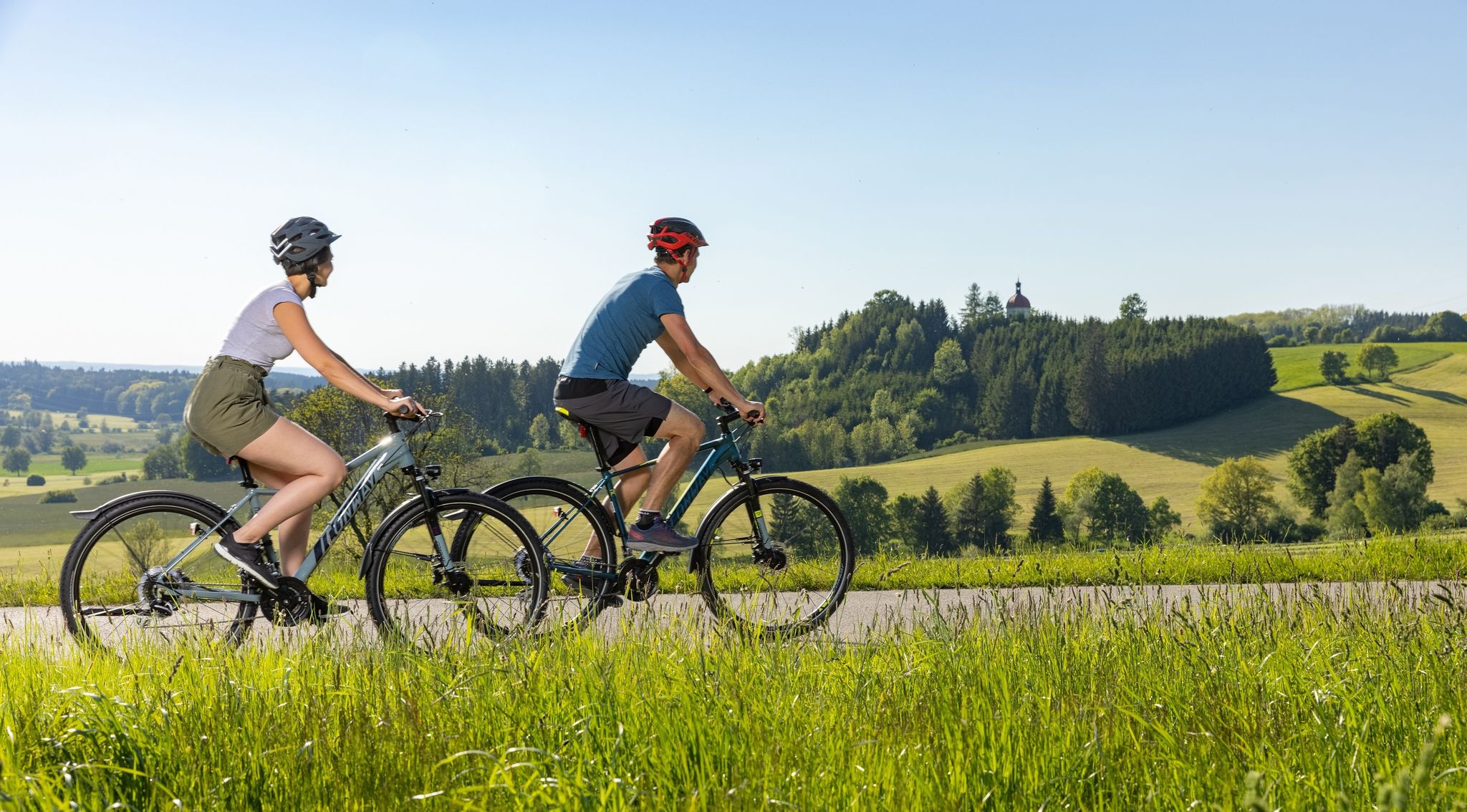
オットーボイレン周辺のロードサイクリングルートは、なだらかな起伏のある地形が特徴の絵のように美しいアルゴイ地方を巡ります。この地域は、サイクリストに多様な地形を提供する広大な草原、森、小さな小川が特徴です。ルートはしばしばギュンツ川沿いに進み、アルゴイアルプスの前山と遠くのアルプスの景色を望めます。このエリアは、ロードサイクリングに適した、ほとんど舗装された表面のネットワークを提供しています。
最終更新日: 4月 5, 2026
5.0
(1)
58
ライダー
107km
05:02
980m
980m
難しいロードライド. 標準以上のフィットネスレベルが必要です。 全般的に舗装状態が良好で走行しやすい道です。
5.0
(4)
91
ライダー
52.2km
02:18
490m
500m
中程度のロードライド. ある程度のフィットネスレベルが必要です。 全般的に舗装状態が良好で走行しやすい道です。
無料新規登録
3.8
(5)
67
ライダー
57.1km
02:38
570m
570m
中程度のロードライド. ある程度のフィットネスレベルが必要です。 全般的に舗装状態が良好で走行しやすい道です。
5.0
(1)
248
ライダー
33.6km
01:38
270m
270m
初級者向けロードバイクライド. あらゆるフィットネスレベルに適しています。 全般的に舗装状態が良好で走行しやすい道です。
5.0
(6)
62
ライダー
34.1km
01:34
340m
340m
中程度のロードライド. ある程度のフィットネスレベルが必要です。 全般的に舗装状態が良好で走行しやすい道です。
さらに多くのルートや他のユーザーのおすすめ情報を確認できます。
無料新規登録
すでにアカウントをお持ちですか?
おすすめのツアーは他のkomootユーザーが実際に経験した何千ものアクティビティに基づいています。
無料アカウントで今日から始めよう
次の冒険が待っています。
ログインまたは登録
オットーベウーレン周辺で人気
With Kneipp through nature – Happiness Trails (Glücksweg) in Allgäu
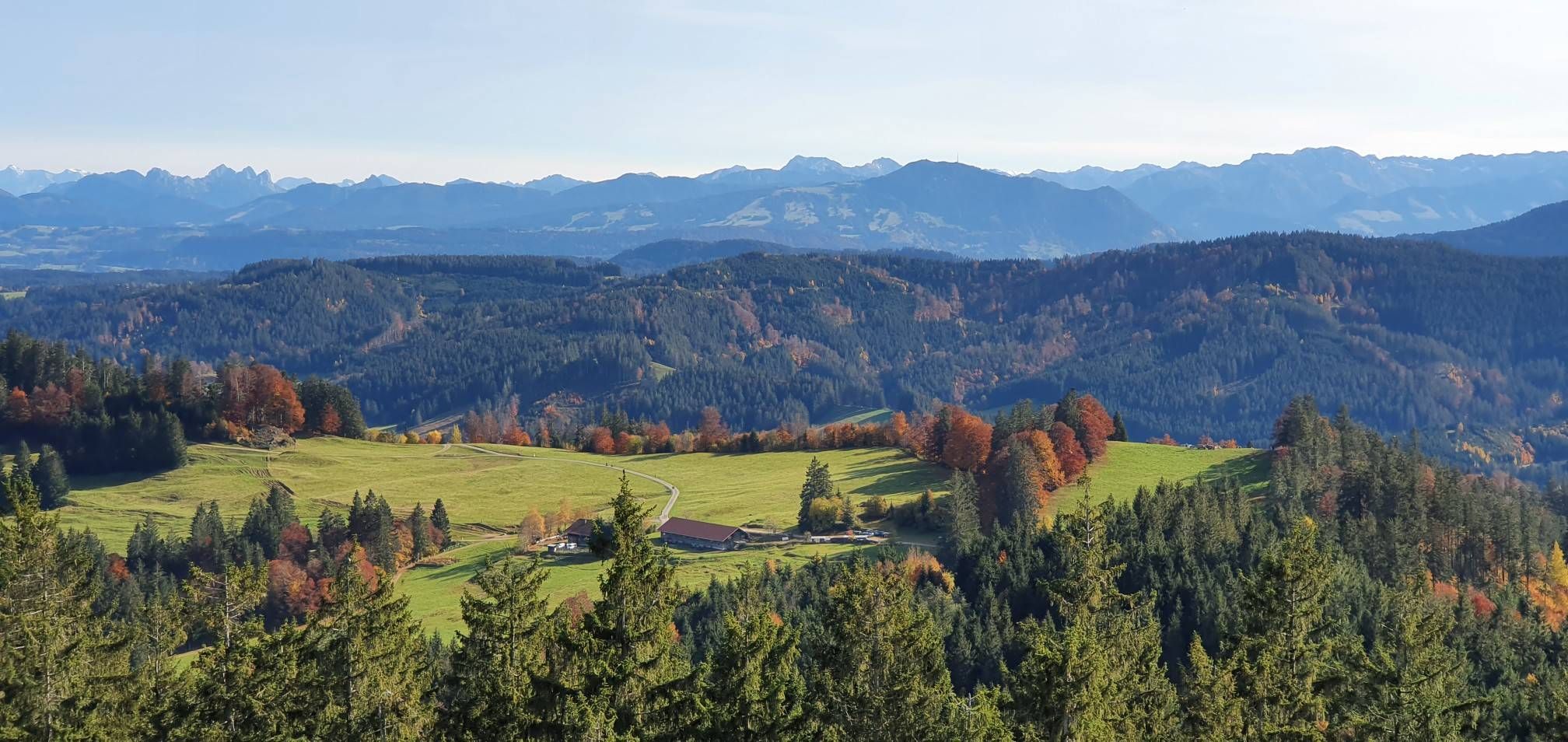
アルプスの丘陵地帯、メドウウォーカーズルート – アルゲウハイキング三部作
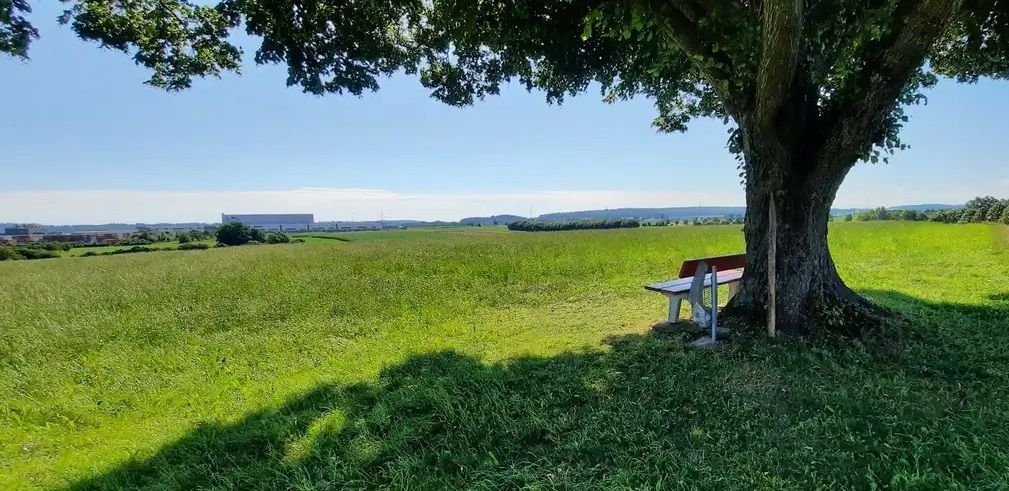
アルゲアウで聖なるハイキング - クレシェンチア聖地巡礼ルート
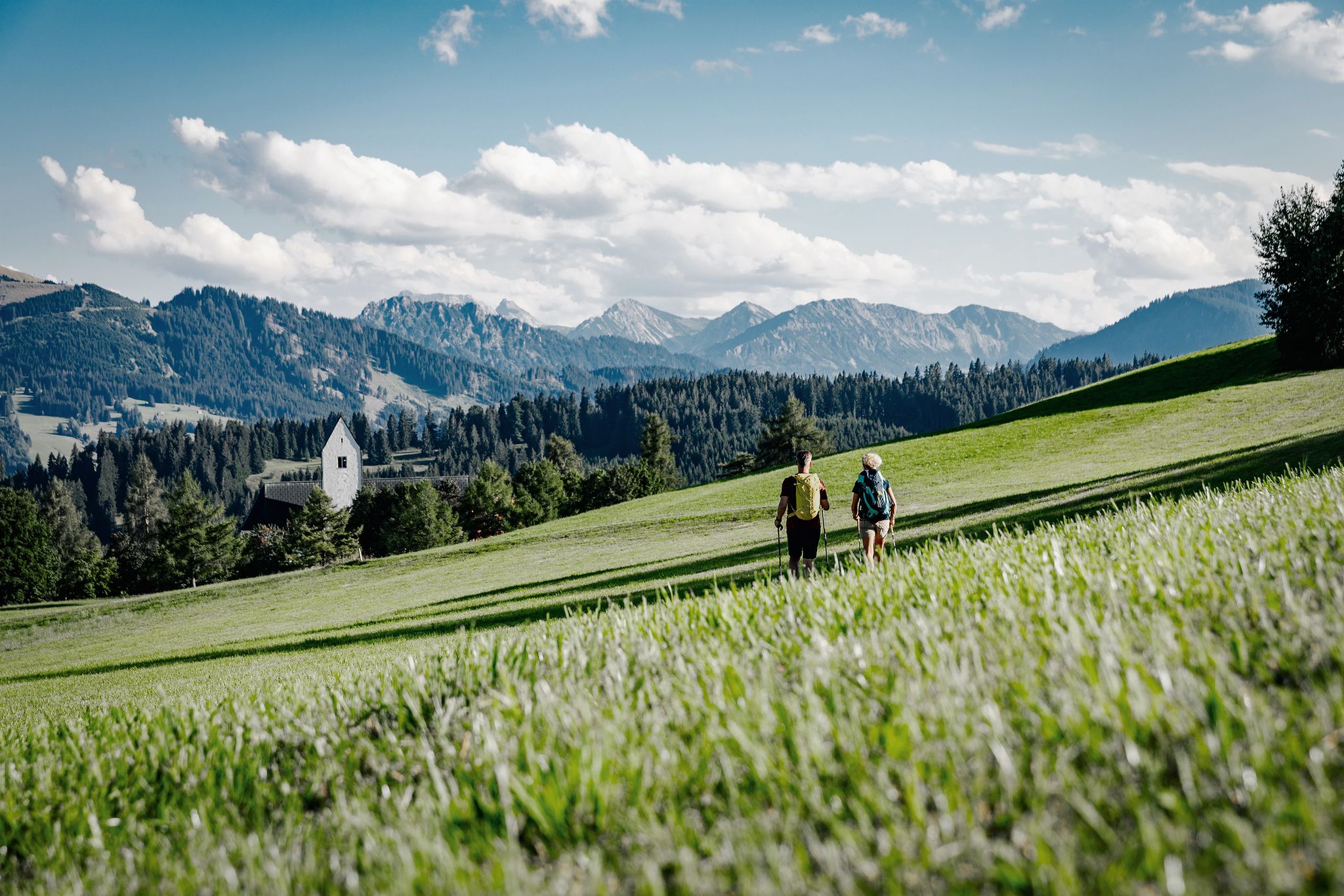
Frühlingsgefühle „loading“ – Halb- & Tagestouren im Allgäu
Radfahren in Ottobeuren - Bayerisches Alpenvorland
Wandern in Ottobeuren - Bayerisches Alpenvorland
Glückswege Allgäu im Unterallgäu
オットーベウーレンでのハイキング
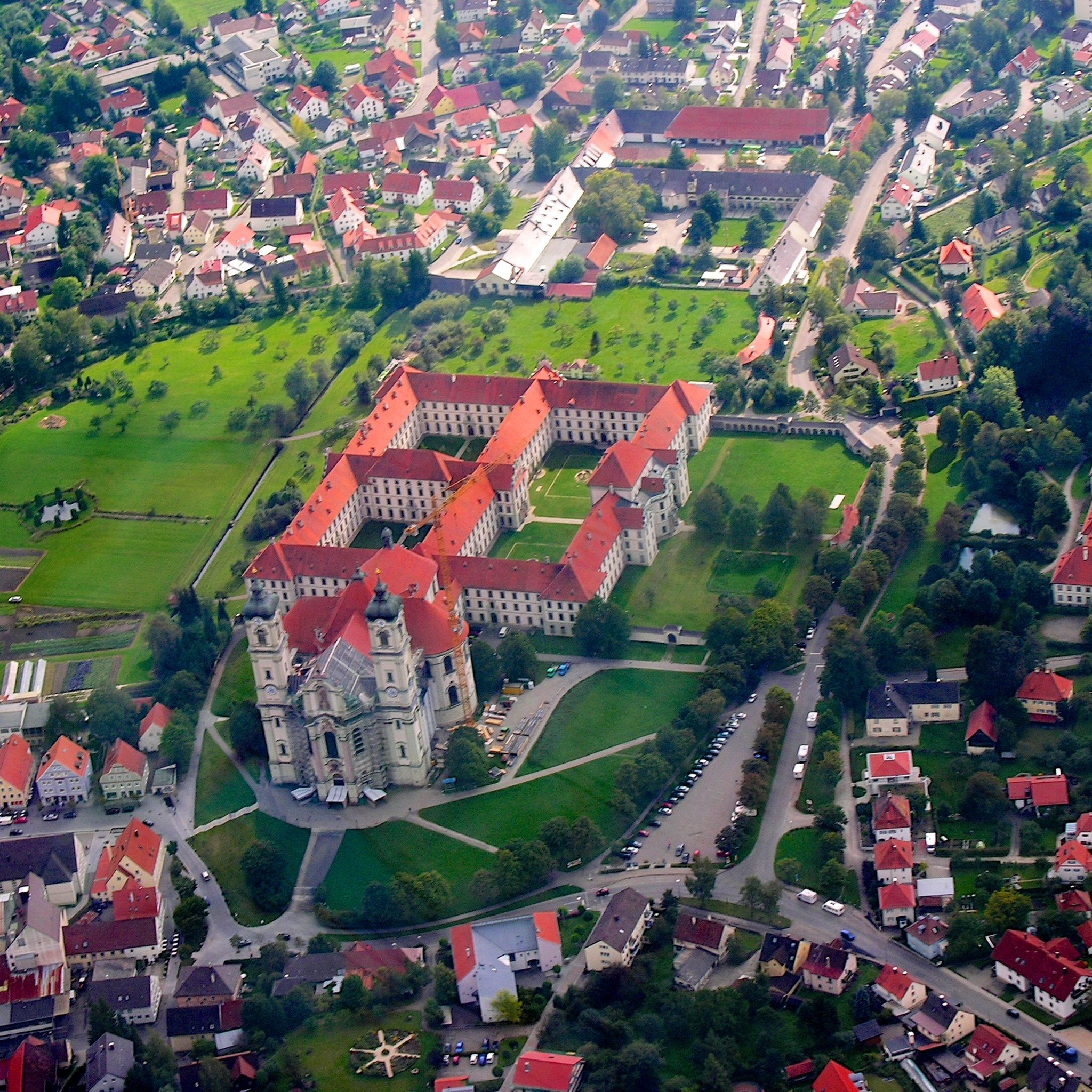
オットーベウーレンでのサイクリング
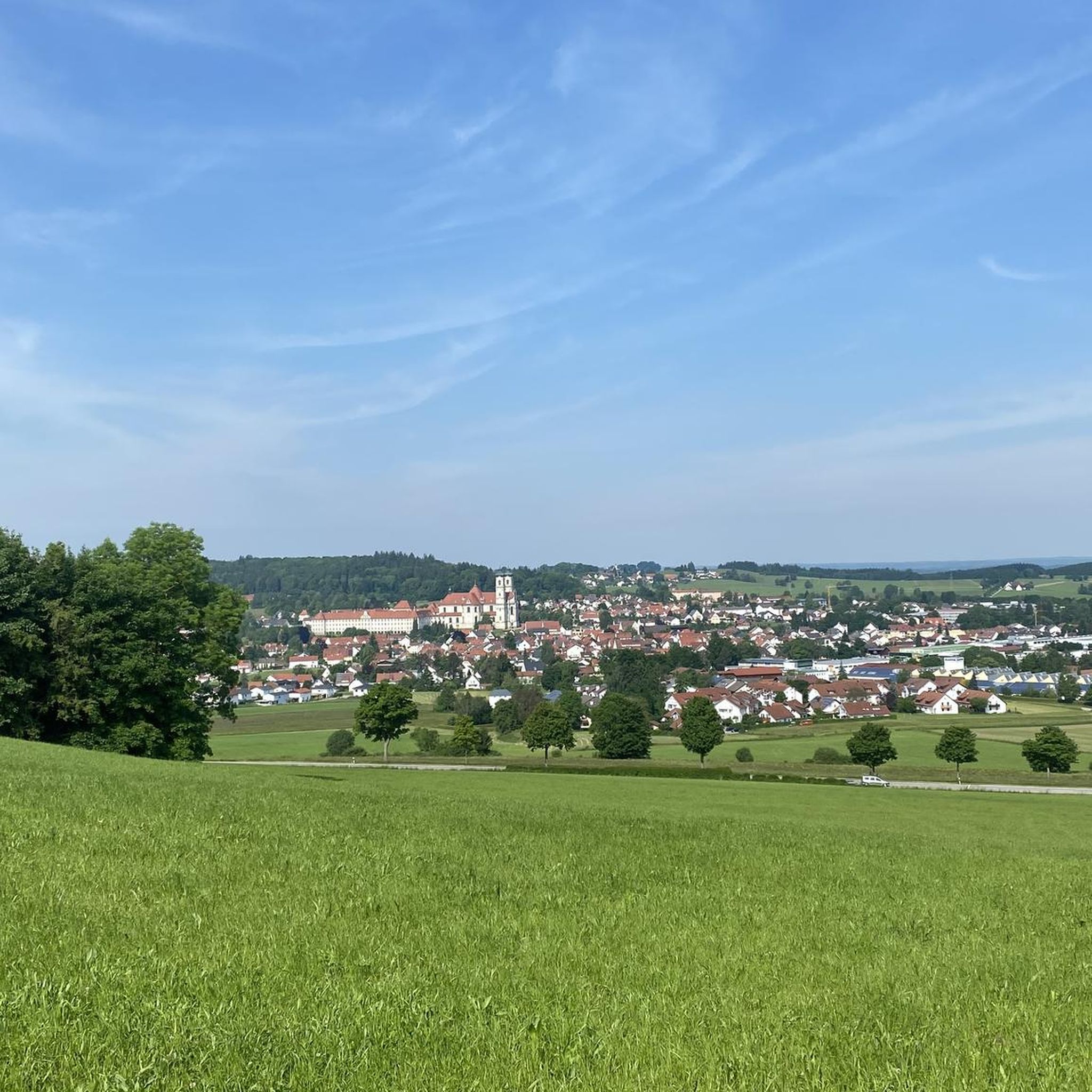
オットーベウーレンのランニングコース
人気のサイクリングルート。交通量はかなり少ない。美しい景色。
0
0
Mindelheim's old town takes you on a journey through time through centuries-old alleys and magnificent town houses. A living history book in the open air.
1
1
Well-paved cycle path along the road between Günzach and Rohr
0
0
A quiet, undulating county road between Binnings and Günzach. Good asphalt. The source of the eastern Günz River is well signposted along the roadside.
0
0
Basilica of St. Alexander and St. Theodore, Ottobeuren The magnificent basilica, dedicated to the two Roman martyrs Alexander (162) and Theodore (306), is certainly one of the most beautiful Baroque churches in southern Germany. With its two 82-meter-high onion domes, it stands on a gently rising ridge west of the market square, visible from afar above the valley of the western Günz River. Due to its dominant, free position within the entire building complex, the basilica plays an undeniable presiding role. This concept of placing the church in front of the monastery was not, however, an Ottobeuren invention. Rather, it can be traced back to the famous Swabian architectural theorist Joseph Furtenbach, who published it in 1628 in his work "Architectura Civilis" as the ideal form for a women's monastery. Other monasteries were also built according to this pattern: Kempten in 1651, Seedorf/CH in 1682, Obermarchtal in 1686, Holzen in 1696, Klosterwald in 1714, Sießen in 1716, and Fiecht/Tyrol in 1707. The foundation stone was laid on September 27, 1737, at the present main portal. During the reigns of Abbots Rupert Neß and Anselm Erb, it was built as a monastery church from 1737 to 1766 by Simpert Kraemer (until 1748) and Johann Michael Fischer. The very rich late-Bavarian furnishings include dome and ceiling frescoes and altarpieces by Johann Jakob and Franz Anton Zeiller from Tyrol, stucco figures by Johann Joseph Christian, and stucco work by Johann Michael Feuchtmayer the Younger. It boasts two widely renowned Baroque choir organs by Karl Joseph Riepp: the four-manual Trinity Organ with 47 stops and the two-manual Holy Spirit Organ with 27 stops, both with a French sound. The choir stalls are by Martin Hermann (carpentry) and Johann Joseph Christian (reliefs). The focal point of the church is the Romanesque crucifix (ca. 1220). The church's unusual north-south orientation is due to its location within the overall complex, whose floor plan is in the shape of a cross. In 1926, the monastery church was elevated to a Papal Basilica/Basilica Minor by Pope Pius XI. Text / Source: Benedictine Abbey of Ottobeuren, Sebastian-Kneipp-Str. 1, Ottobeuren https://www.abtei-ottobeuren.de/content/klosteranlage/die-basilika/
14
0
Ottobeuren Market Square / Market Chronicle Probably none of the visitors who stay in Ottobeuren today, for a shorter or longer period of time, can imagine how this approximately 1,500-year-old, historic town was founded. When visitors arrive in Ottobeuren from all directions by private car, taxi, or bus, their first gaze is usually drawn to the mighty basilica with its monastery buildings. No one considers that the very ground they have just set foot on was once impassable terrain, moorland, swamp, and densely wooded area. Nevertheless, a man had dared to gain a foothold here, clear the forest, and establish a human settlement. What Stone Age hunters and fishers had failed to achieve much earlier—namely, to settle here—had become the life's work of a man named Uot. At the site where the market square stands today, the first giant trees soon collapsed under the axe blows of the Uot farmers. Huts were built from rough beams, livestock was raised, and fields were cultivated. Only a few huts in the middle of the forest housed the Uot clan. Uot, the Swabian, founded Ottobeuren in the 5th century. Text / Source: Ottobeuren Tourist Office, Marktplatz 14, Ottobeuren https://www.ottobeuren.de/de/marktgemeinde/rathaus/markt-chronik.php
14
0
Ottobeuren Market Square / Market Chronicle Probably none of the visitors who stay in Ottobeuren today, for a shorter or longer period of time, can imagine how this approximately 1,500-year-old, historic town was founded. When visitors arrive in Ottobeuren from all directions by private car, taxi, or bus, their first gaze is usually drawn to the mighty basilica with its monastery buildings. No one considers that the very ground they have just set foot on was once impassable terrain, moorland, swamp, and densely wooded area. Nevertheless, a man had dared to gain a foothold here, clear the forest, and establish a human settlement. What Stone Age hunters and fishers had failed to achieve much earlier—namely, to settle here—had become the life's work of a man named Uot. At the site where the market square stands today, the first giant trees soon collapsed under the axe blows of the Uot farmers. Huts were built from rough beams, livestock was raised, and fields were cultivated. Only a few huts in the middle of the forest housed the Uot clan. Uot, the Swabian, founded Ottobeuren in the 5th century. Text / Source: Ottobeuren Tourist Office, Marktplatz 14, Ottobeuren https://www.ottobeuren.de/de/marktgemeinde/rathaus/markt-chronik.php
14
0
他の地域の最高のロードサイクリングルートを見てみましょう。
無料でサインアップ