スヘルデの洞窟・トップ20
Steldt 주변의 성들은 벨기에의 "Scheldeland"로 알려진 스헬더 강 유역에 집중되어 있습니다. 이 지역은 역사적인 성들의 집합체이며, 많은 성들이 건축 양식과 역사적 중요성으로 유명합니다. 스헬더 강은 이 지역의 발전에 중요한 역할을 했으며, 이러한 요새들의 전략적 배치에 영향을 미쳤습니다. 방문객들은 중세의 요새부터 우아한 시골 저택까지 다양한 성들을 탐험할 수 있습니다.
Steldt 주변 최고의 성
- 가장 인기 있는 성은 성이자 역사 유적인 Het Steen입니다. 안트베르펜에서 가장 오래된 석조 건물로, 원래 1200년에서 1225년 사이에 더 큰 요새의 일부로 지어졌습니다. 이 기념물은 감옥과 박물관으로…
最終更新日: 9月 7, 2026
Het Steen
ハイライト • 城
翻訳者 Google •
役立つ情報 は

ベルラーレ城公園
ハイライト • 城
The castle and outbuildings are not open to the public, but the park is.
翻訳者 Google •
役立つ情報 は

今すぐサインアップして、こんな場所を発見しよう
最高のシングルトラック、ピーク、その他のエキサイティングなアウトドアスポットのおすすめを受け取ろう。
フォート・ステーンドルプ
ハイライト • 歴史的な場所
翻訳者 Google •
役立つ情報 は

グラーヴェントーレン - ルーペルモンデ
ハイライト • 記念碑
翻訳者 Google •
役立つ情報 は
ウィセケルケ城
ハイライト • 城
翻訳者 Google •
役立つ情報 は
ボルネム城
ハイライト • 城
翻訳者 Google •
役立つ情報 は

ドメイン・デ・ヘリンック
ハイライト • 歴史的な場所
翻訳者 Google •
役立つ情報 は
デュルセル州立公園
ハイライト • 城
翻訳者 Google •
役立つ情報 は
ルーペルモンデのグラーヴェントーレン
ハイライト • 歴史的な場所
The Graventoren was once owned …
翻訳者 Google •
役立つ情報 は

無料アカウントで今日から始めよう
次の冒険が待っています。
スヘルデ周辺で人気
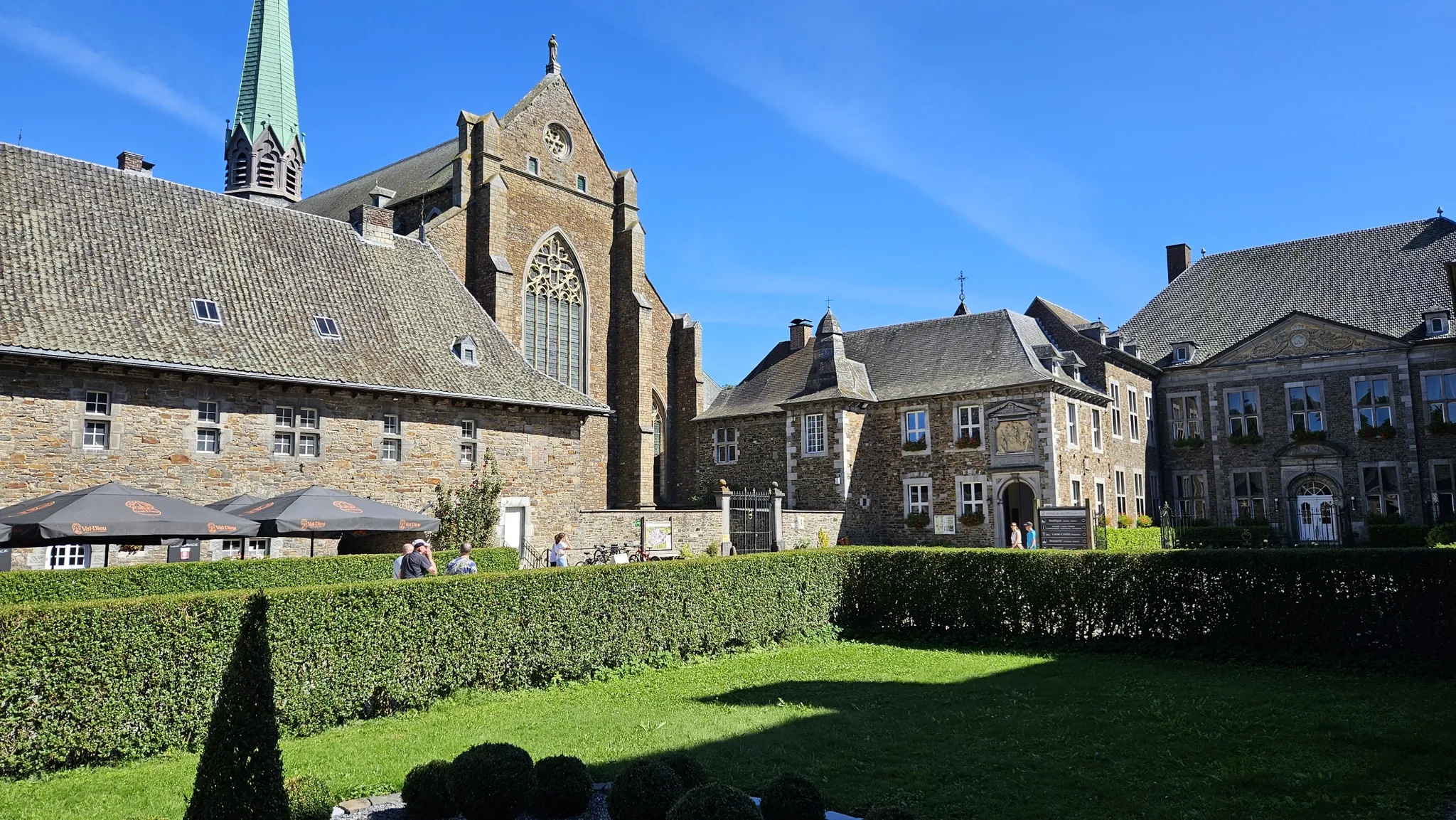
ビールと遺産の間 — トラピスト修道院ヴェロルート

フランダーズ・ディバイド - フランダーズを横切る
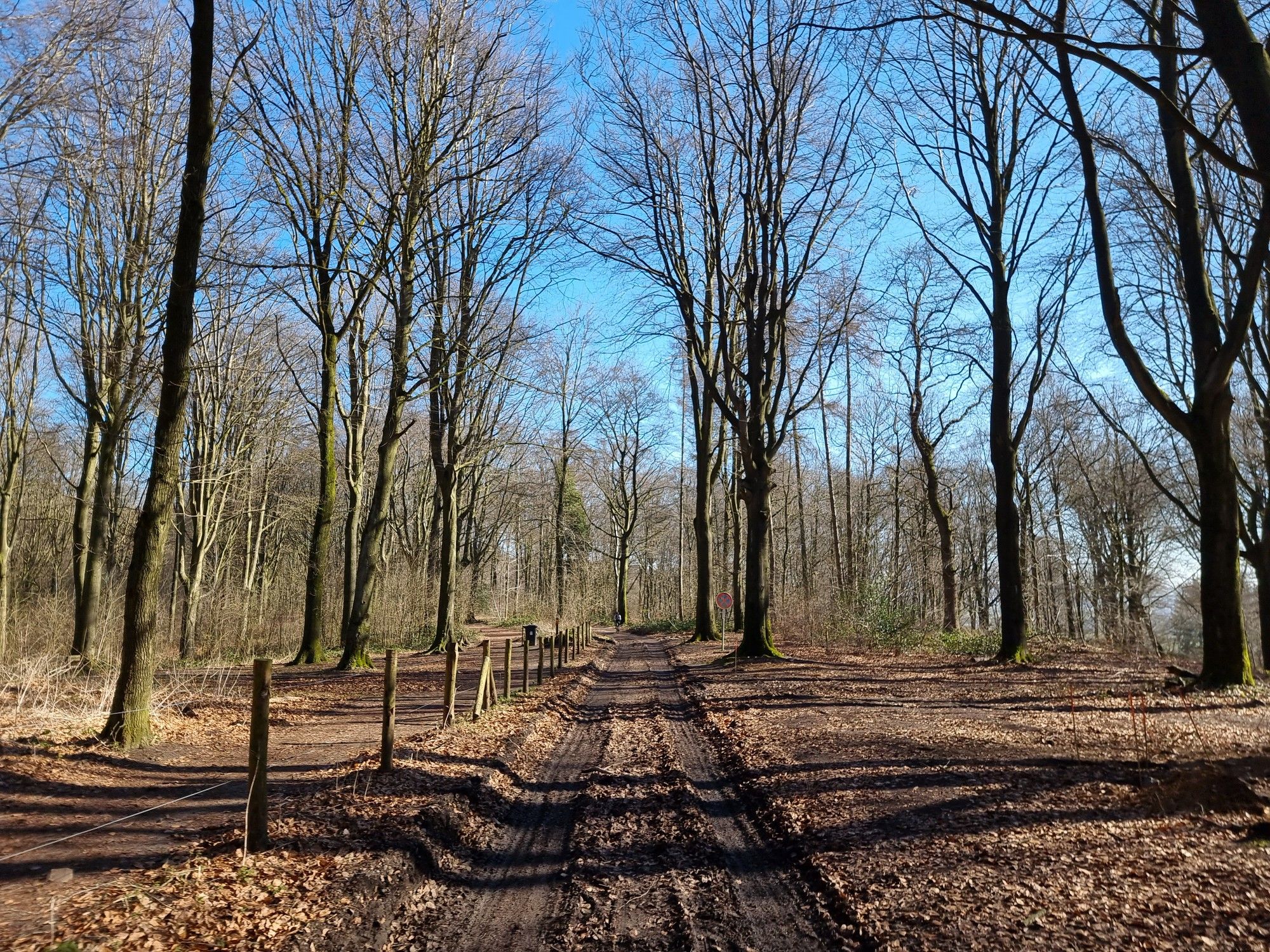
Grande Randonnée GRavel — Hainaut occidental
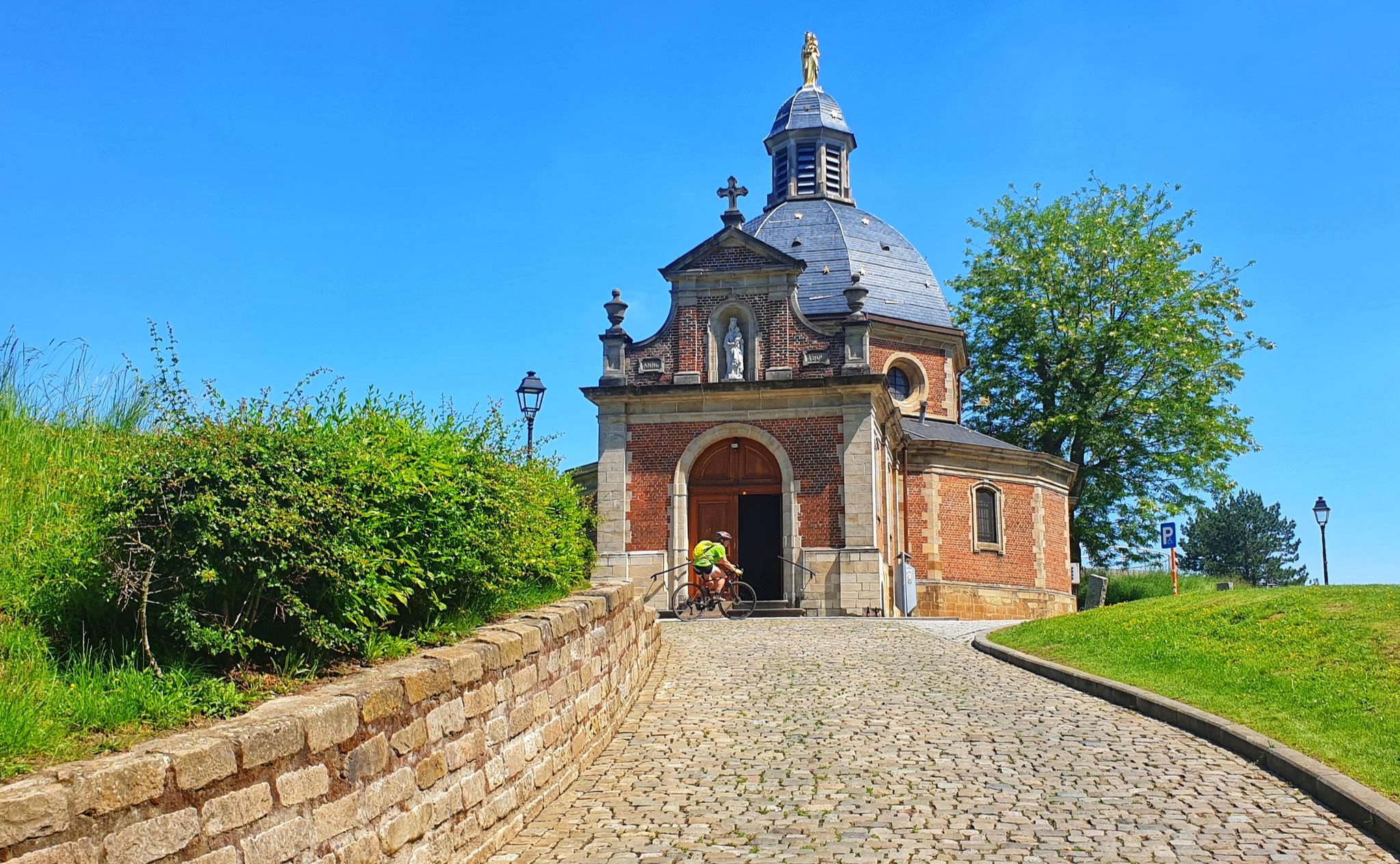
レースバイク 2 日間フランデレンの中心 - スパルタカスルート

七日間の自転車ツアー 南フラームスの丘陵地帯 – 丘陵ルート
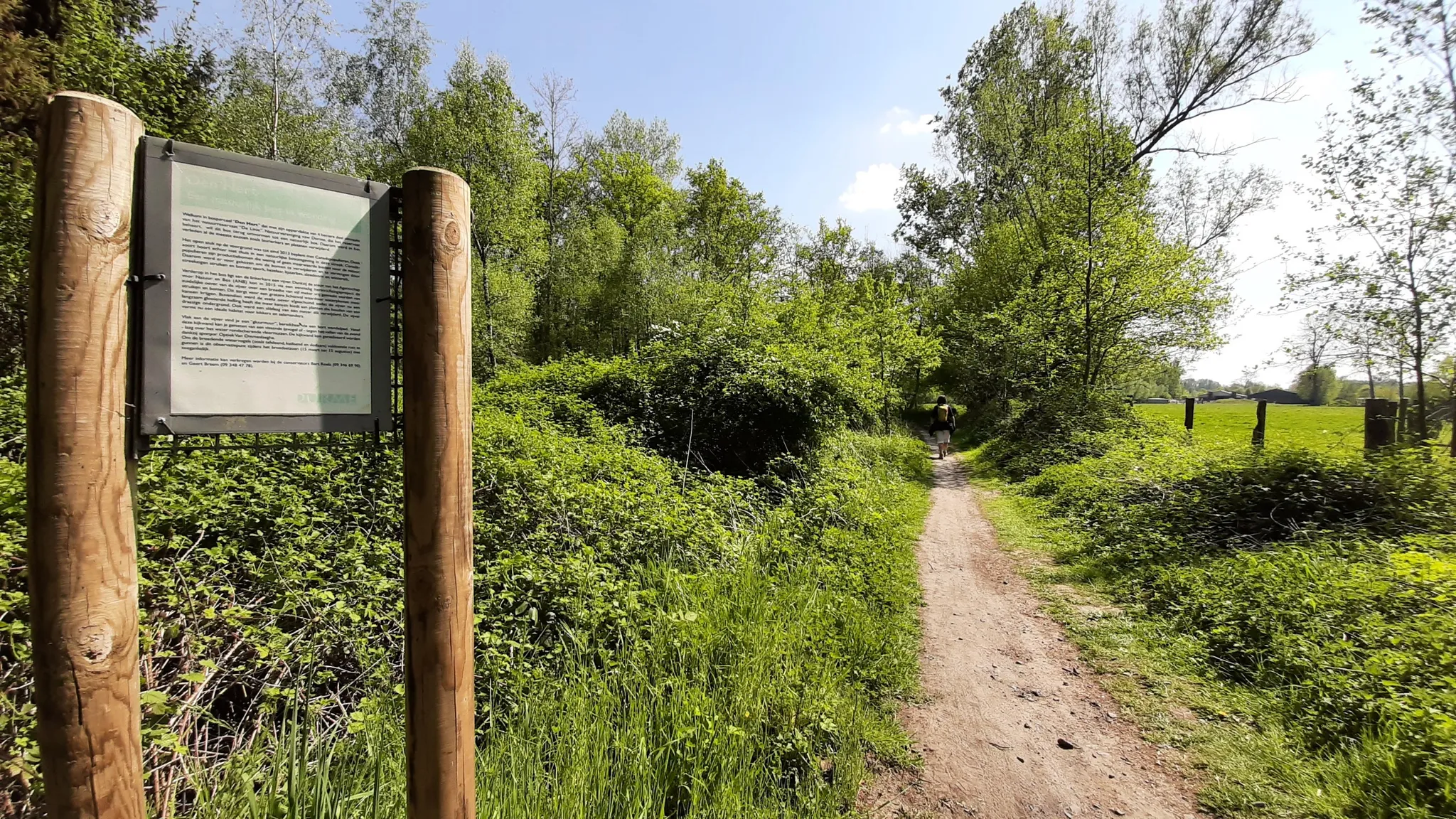
イン・ヘット・スポール・ファン・デン・フォス・レイナールデ – ストレーク-GR ワース エン レイナールトラント
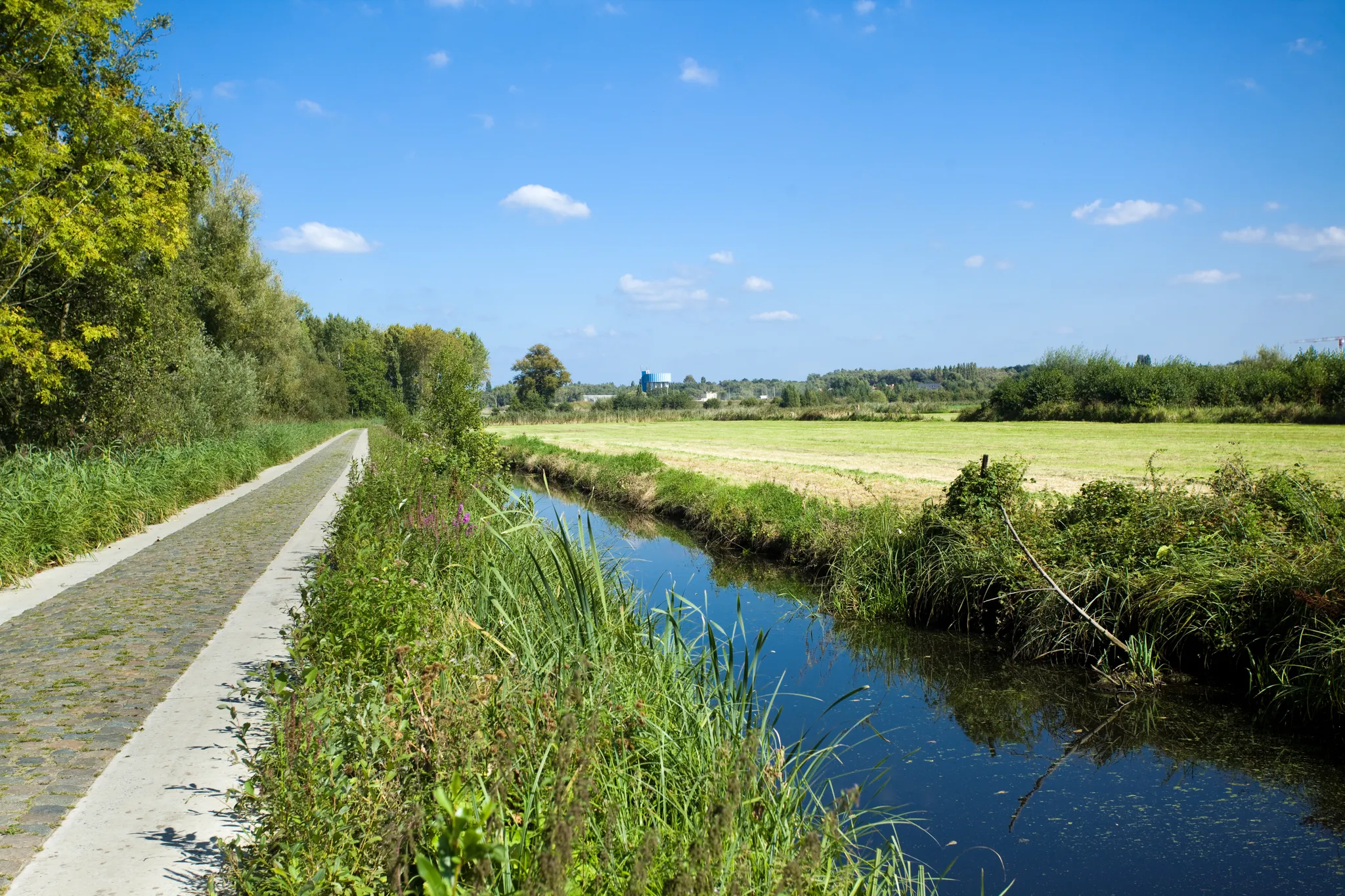
二日間自転車 – スヘルデとゼーラントの間
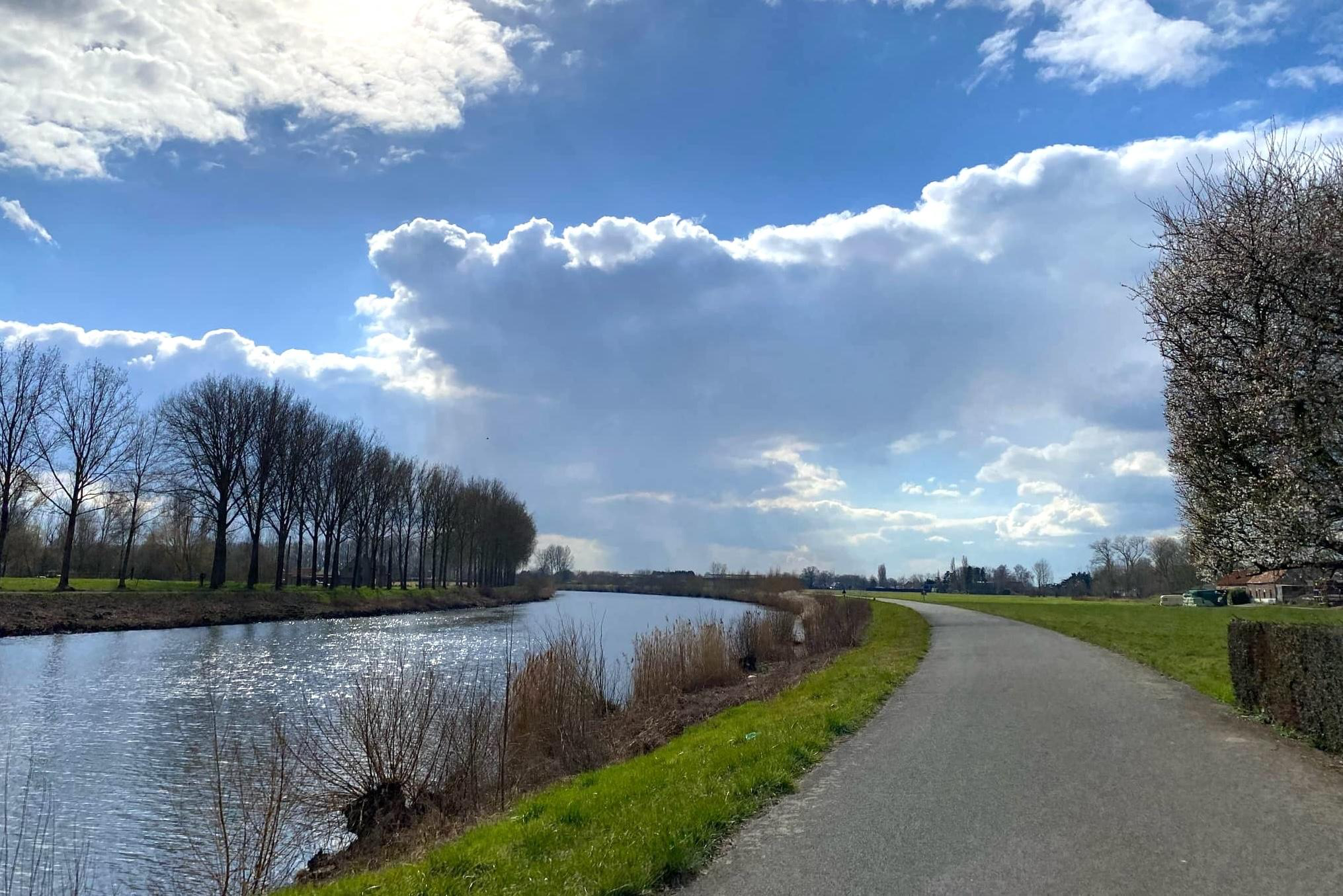
Drie dagen puur Fietsplezier van Spiere tot Zandvliet – Schelderoute
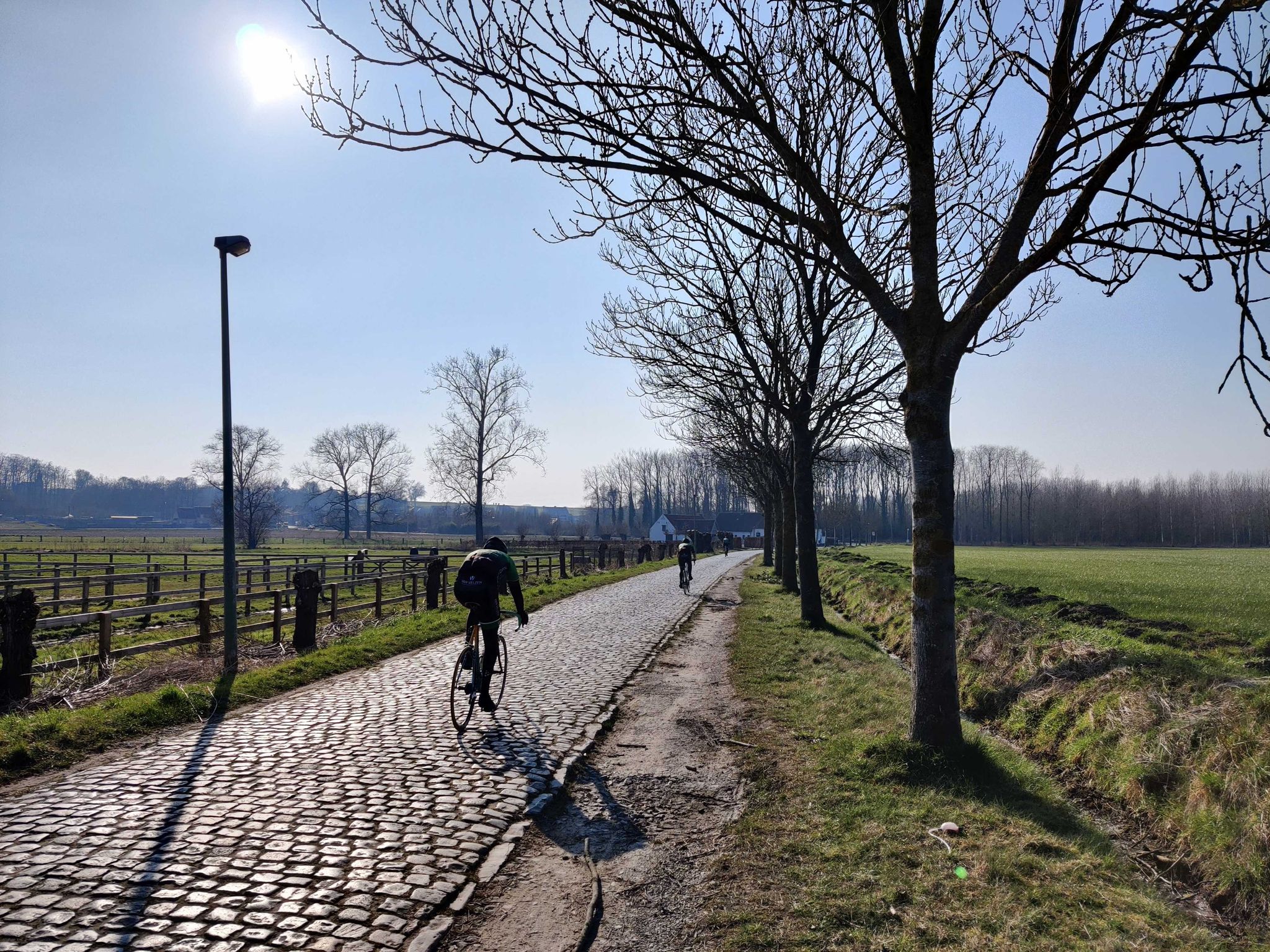
Become a Flandrien – take on climbs in the Flemish Ardennes
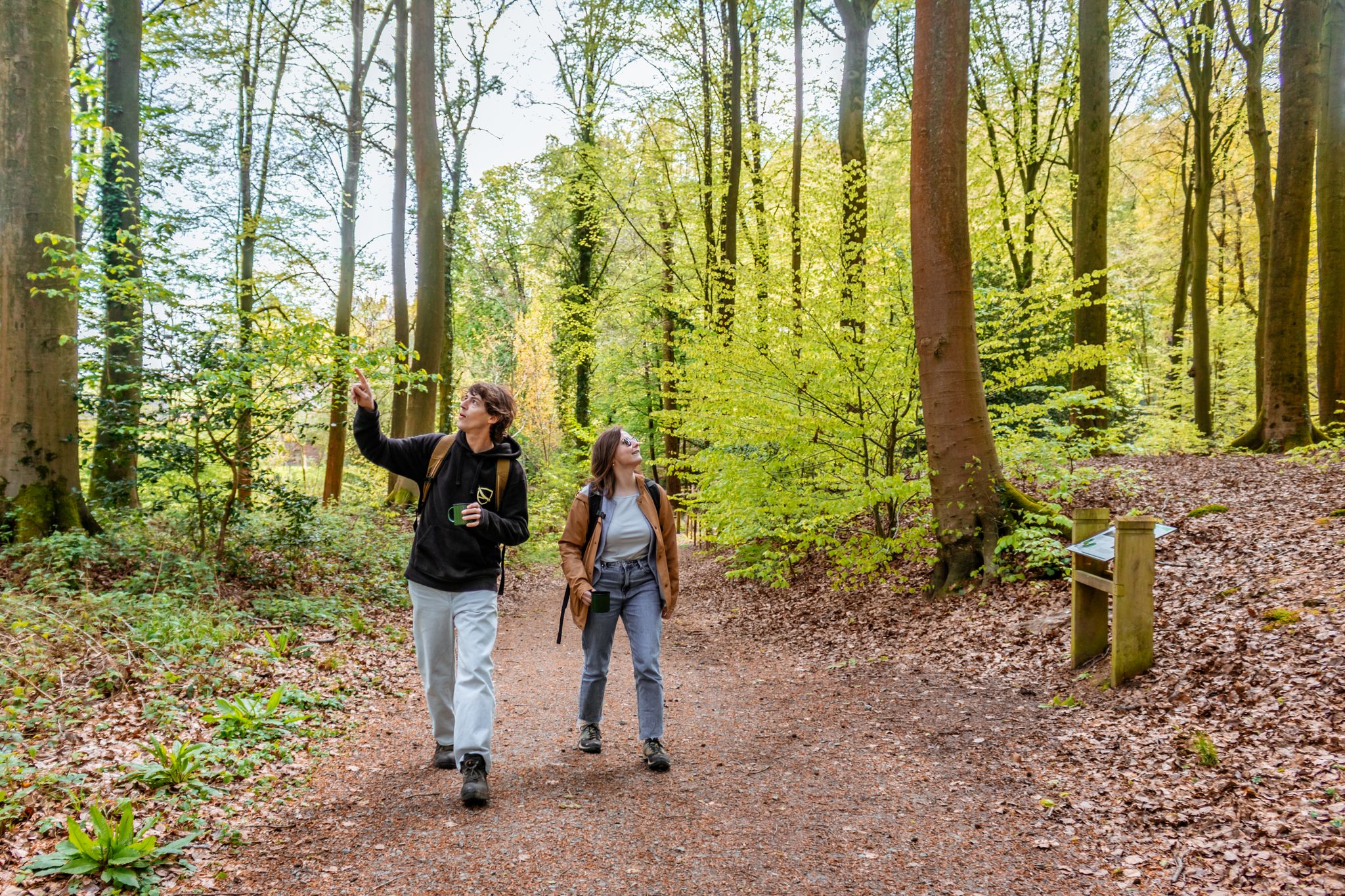
From station to station through nature – station hoppers in East Flanders
スヘルデでのの他の冒険


コミュニティからのヒント

オゥデナールデの要塞が解体された後、解放された土地は売却されました。著名なリエッツ家が「アイントリス」の邸宅を取得し、そこに公園を造成しました。1860年頃、シャルル・リエッツはこの公園に新古典主義様式の白い家を建てさせました。シャルルは、フランスとの外交交渉が成功し、ベルギーとフランスの間に自由貿易協定が結ばれた後、男爵に叙せられた著名なベルギーの法学者であり政治家でした。 彼の息子、アメデ・リエッツは、1883年にこの家を現在のリエッツ城に改築しました。それは主にルネサンス様式の特徴を持つ折衷主義様式で建てられています。建物には、家族のモットー「All for Duty」が刻まれたカートゥーシュで装飾されています。窓枠には、アメデ・リエッツのイニシャルが見られます。
0
0

The castle was built by the Spanish nobleman Don Pedro Coloma and still exudes its former grandeur. Philippe de Marnix, Lord of Sainte Aldegonde, was the right-hand man of Prince William of Orange. He played a key role during the siege and fall of Antwerp in 1585 while mayor of the city. He is also mentioned as a possible author of the Wilhelmus, the Dutch national anthem.
7
0


Today, the castle is home to the Vrijzinnig Centrum Liedts (Liedts Free Centre), which gives the building a contemporary cultural and social function. The park, still open to the public, serves as Oudenaarde's green lung, connecting the rich history of the Liedts family with the daily life of the city. It's a lovely place to stroll.
11
0
Few buildings in the Waasland region hold such a mythical allure as the Graventoren (Counts' Tower) in Rupelmonde. The names associated with it certainly contribute to that. This tower, for example, is the remnant of a moated castle with no fewer than 17 towers, once owned by the Counts of Flanders. This colossal fortress protected the Scheldt River from attackers and conquerors. Mercator's Dungeon Mercator also plays a key role in this story. When he shared his revolutionary insights with the world, he was promptly sent to the dungeon by the church authorities. Guess where that dungeon was located? Exactly, in the cellars of the Graventoren. Here he was imprisoned for seven months, accused of heresy. A Bloody History Mercator, however, was not the only one to enter the cellars of the moated castle. Many dissidents suffered the same fate, and often worse. A stay in the dungeons of the Graventoren (Counts' Tower) often ended with a bloody decapitation. While the Counts of Flanders may have enjoyed legendary status in history, they were certainly not gentlemen. Count Robert of Bethune once even threw his own son in jail here, accused of high treason. A kind of chamber arrest before its time, you might say. At the end of the 17th century, the moated castle came to an end. The fortress was drastically destroyed, and the rubble was reused for other buildings. For example, the church of Rupelmonde was built with materials from the castle ruins.
9
0
When you say Rupelmonde, you say Mercator and the Graventoren. This historic tower is a former moated castle that is linked to a bloody history. The Graventoren was once owned by the Counts of Flanders. This colossal fortress protected the Scheldt from attackers and conquerors. Historical context: Mercator's dungeon Mercator also plays a leading role in this story. When he shared his revolutionary insights with the world, he was promptly sent to the dungeon by the church authorities. Guess where that dungeon was located? Exactly, in the cellars of the Graventoren. He was locked up here for seven months, accused of heresy. A bloody history However, Mercator was not the only one who saw the cellars of the moated castle from the inside. Many dissidents suffered the same fate, and often worse. A stay in the dungeons of the Graventoren often ended with a bloody beheading. The Counts of Flanders may have a legendary status in history, but they were not sweethearts. Count Robrecht van Bethune once even threw his own son in jail here, accused of high treason. A kind of room arrest avant la lettre, you could say. At the end of the 17th century, the curtain fell for the moated castle. The fortress was then drastically destroyed and the rubble was reused for other buildings. For example, the church of Rupelmonde was built with materials from the ruins of the castle.
7
0

Some local bars in this area. Good place to rest
0
0

Liedts Castle After the demolition of Oudenaarde's former city walls, part of this vacant land was sold to the prominent Liedts family. Charles Liedts, one of the founding fathers of Belgium, Minister of Finance in the mid-1800s, and one of the founders of the National Bank of Belgium, had a country house built there around 1860. Originally a white plastered castle, it was rebuilt in 1883 by his son, Amedée Liedts, in an eclectic style. The park, in the English landscape style, was largely laid out between 1865 and 1869. In 1907, the childless Amedée donated Liedts Castle, along with its library, art collection, and park, to the city of Oudenaarde, which opened the estate as a city park. Today, the castle is home to the VCL, the Liedts Liberal Centre. The park is open to the public and is the green lung of the city of Oudenaarde.
9
0

komootモバイルアプリでインスピレーションを得よう


