アンカースハーゲンの天然記念物・トップ20
アンカーシャゲン周辺の最高の自然記念物は、メクレンブルク湖水地方内にあり、主にハーフェル川の源流とそのミュリッツ国立公園への統合を中心に展開しています。この地域は、ヴィスワ氷河期によって形成された広大な森林、数多くの湖、湿地帯を特徴としています。これらの自然の魅力は、地質学的および生態学的な歴史への洞察を提供し、アウトドア探検の機会を提供します。
アンカーシャゲン周辺の最高の自然記念物
- 最も人気のある自然記念物は、ミュリッツ国立公園のパノラマビューを提供する展望台であるケフリングスベルク展望台です。高さ31メートルの展望プラットフォームからは、国立公園、ミュリッツ湖、周辺の湖の広大な景色を眺めることができます。
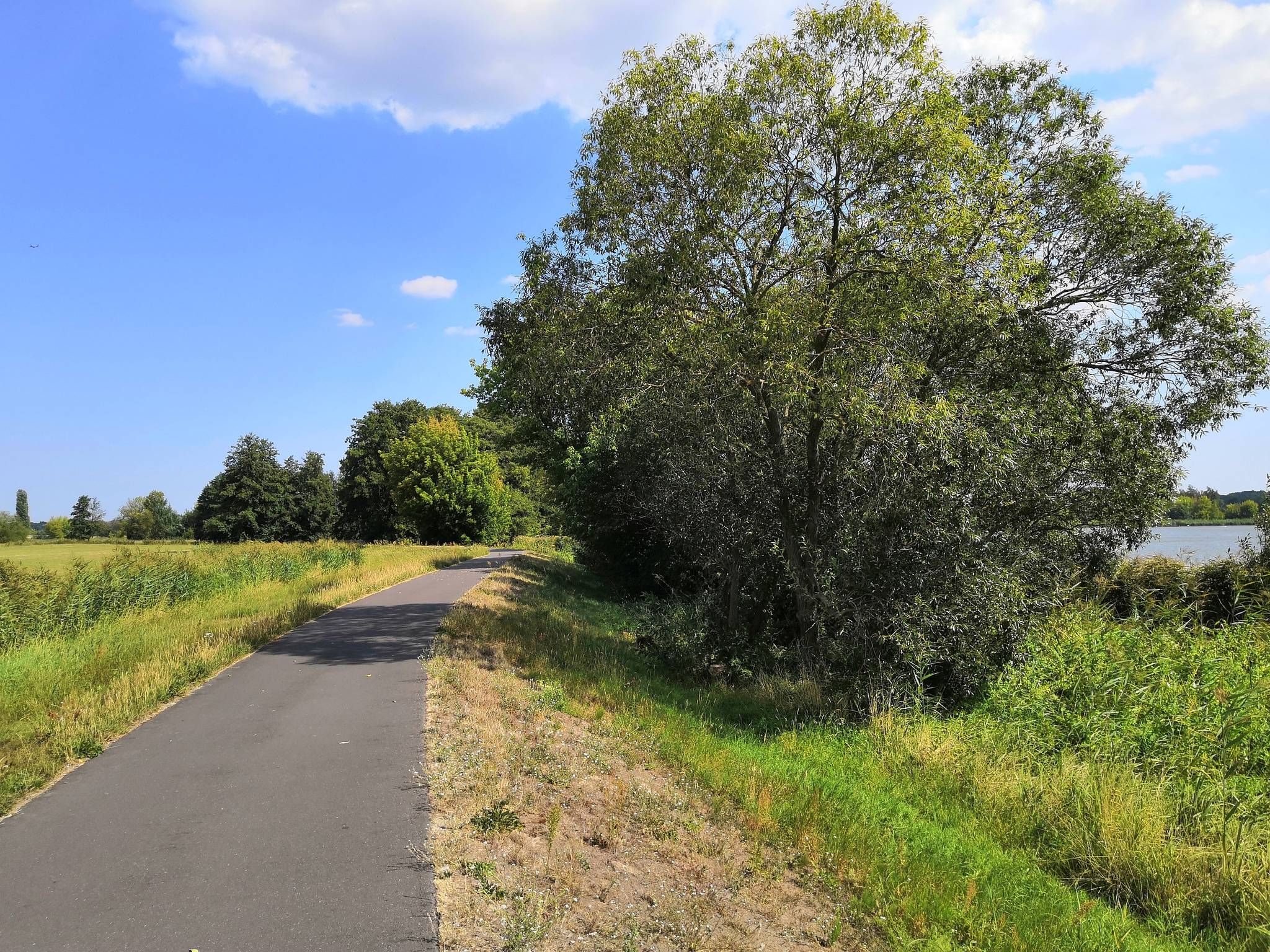
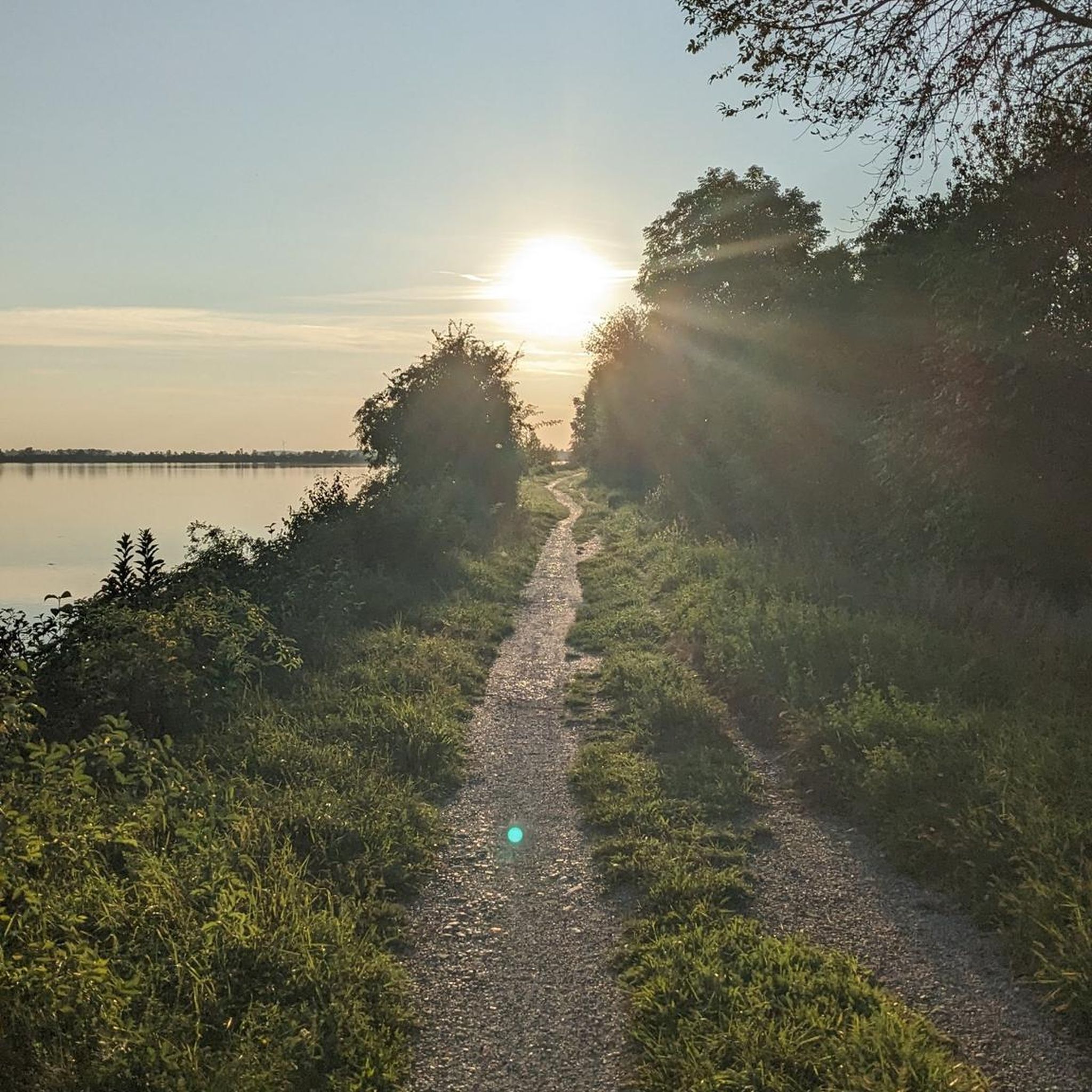
- もう一つの必見スポットは、整備された遊歩道を持つサイクリングロードであるミュリッツ国立公園サイクリングロードです。このトレイルでは、休憩エリアを含む国立公園の自然景観をリラックスして探索できます。
- 訪問者は、川のハイライトであるハーフェル川の源流も気に入っています。この場所には、川の流れやその他の事実に関する情報を提供する石や展示ボードがあります。
- アンカーシャゲンは、サイクリングロード、森林トレイル、展望台で知られています。この地域には、湖、湿地帯、野生生物観察エリアなど、さまざまな自然記念物があり、見て探索することができます。
- アンカーシャゲン周辺の自然記念物は、komootコミュニティによって高く評価されており、2800件以上の「いいね!」と、訪問者から提供された500枚以上の写真があります。
最終更新日: 9月 14, 2026
ミュリッツ国立公園 サイクリングコース
ハイライト (セグメント) • サイクリングロード
Wonderful cycle paths lead through the Müritz National Park; you can drive here completely relaxed and let nature work its magic on you. There are also rest areas and a great place to stop for a break.
翻訳者 Google •
役立つ情報 は によるものです

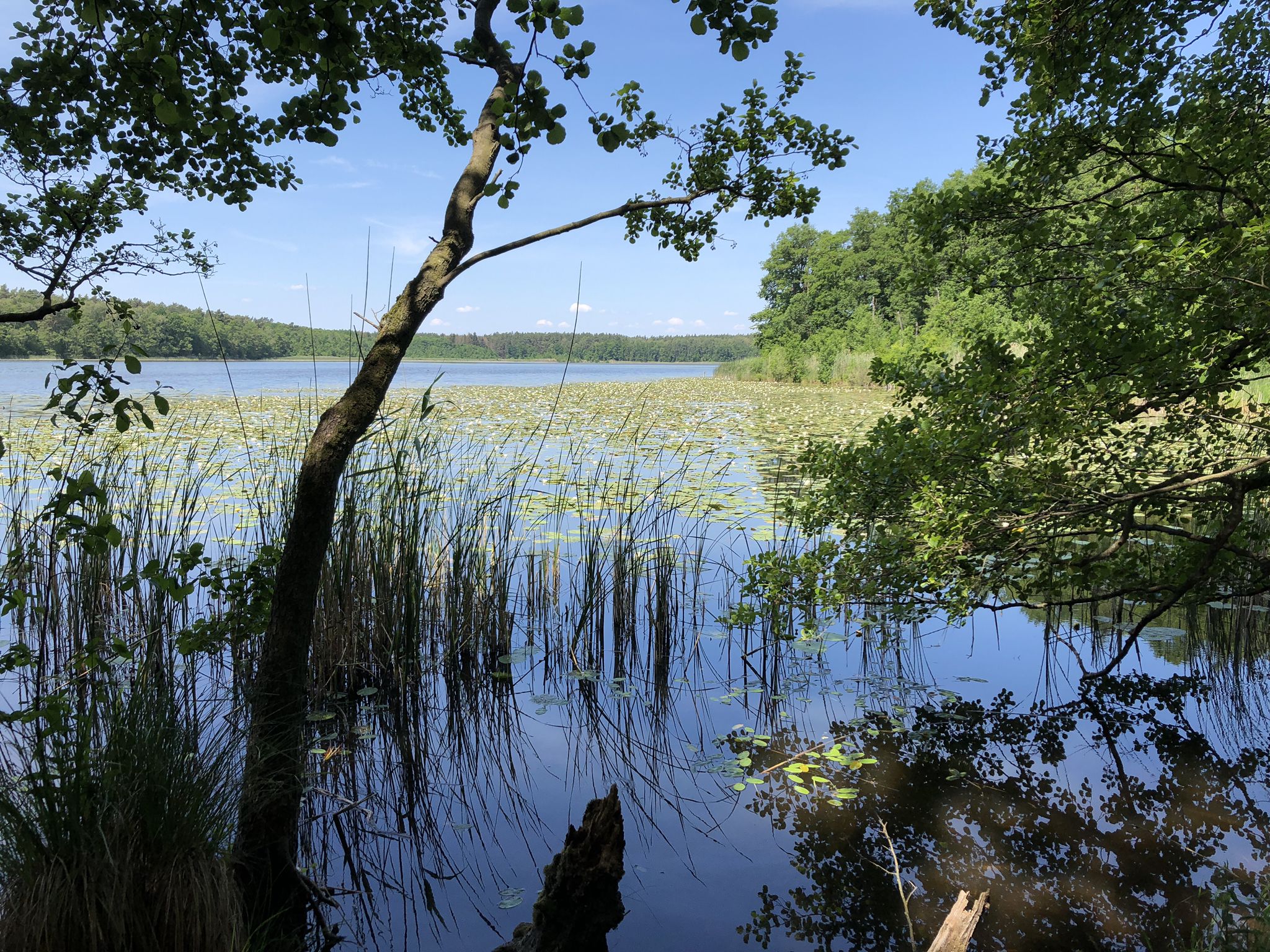
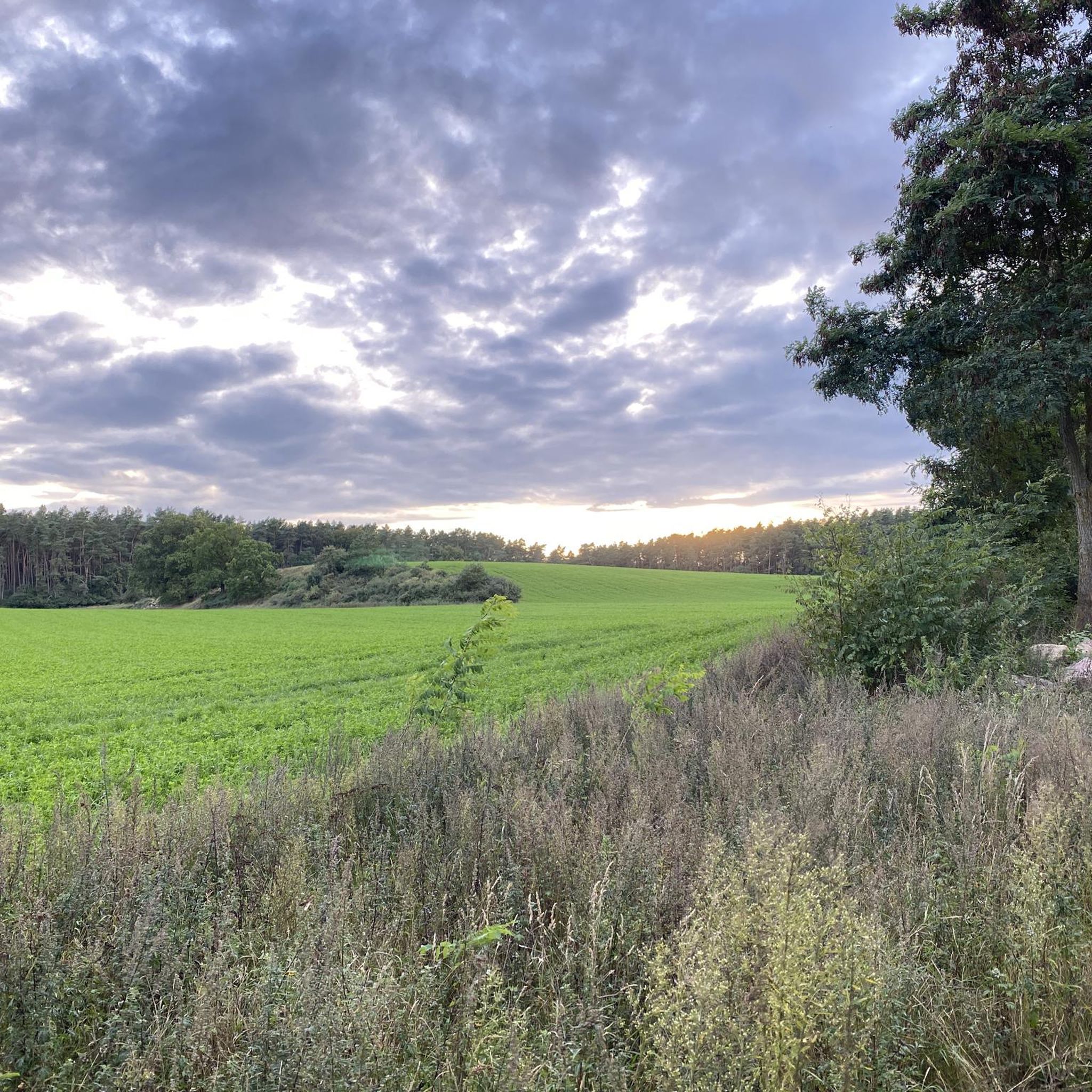
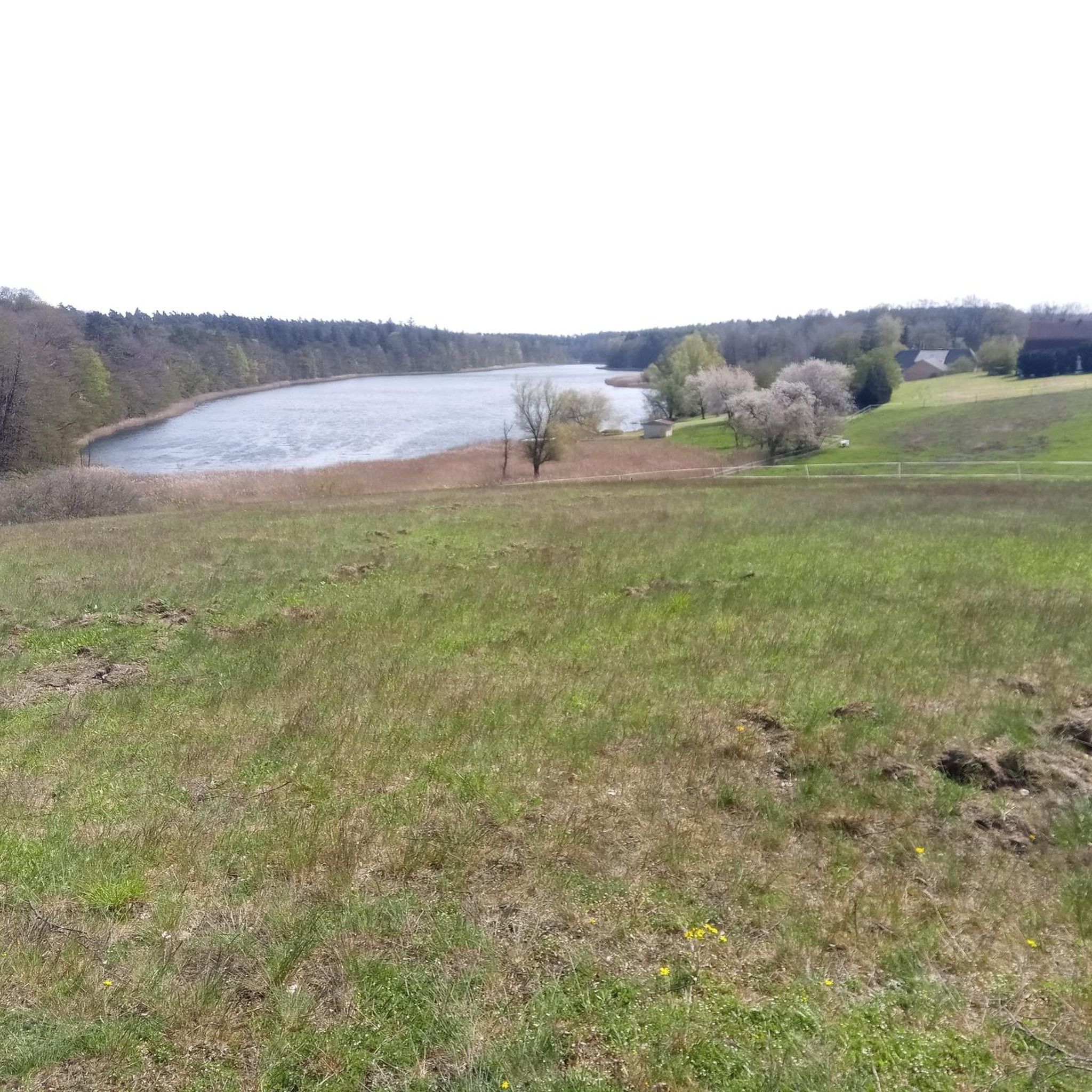
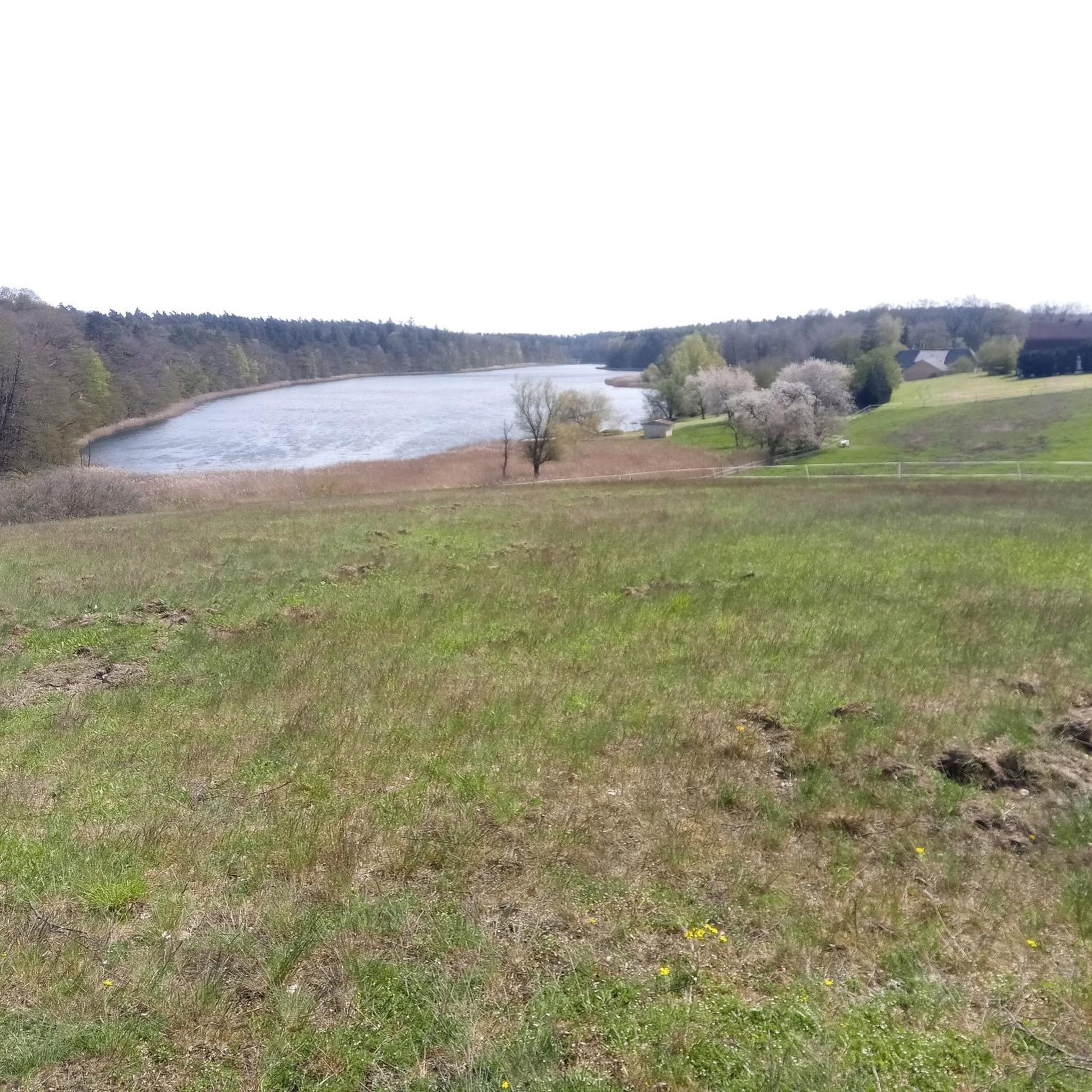
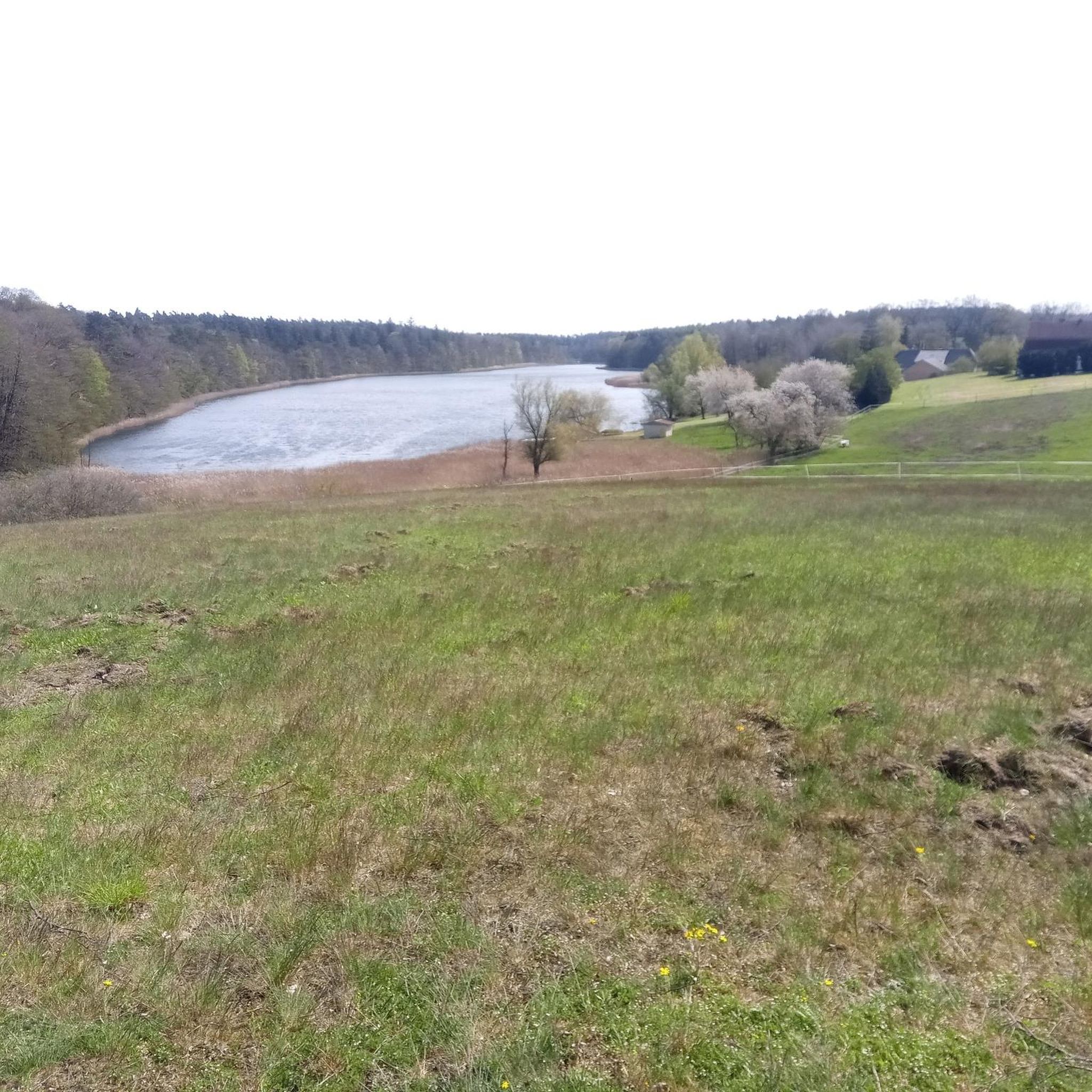
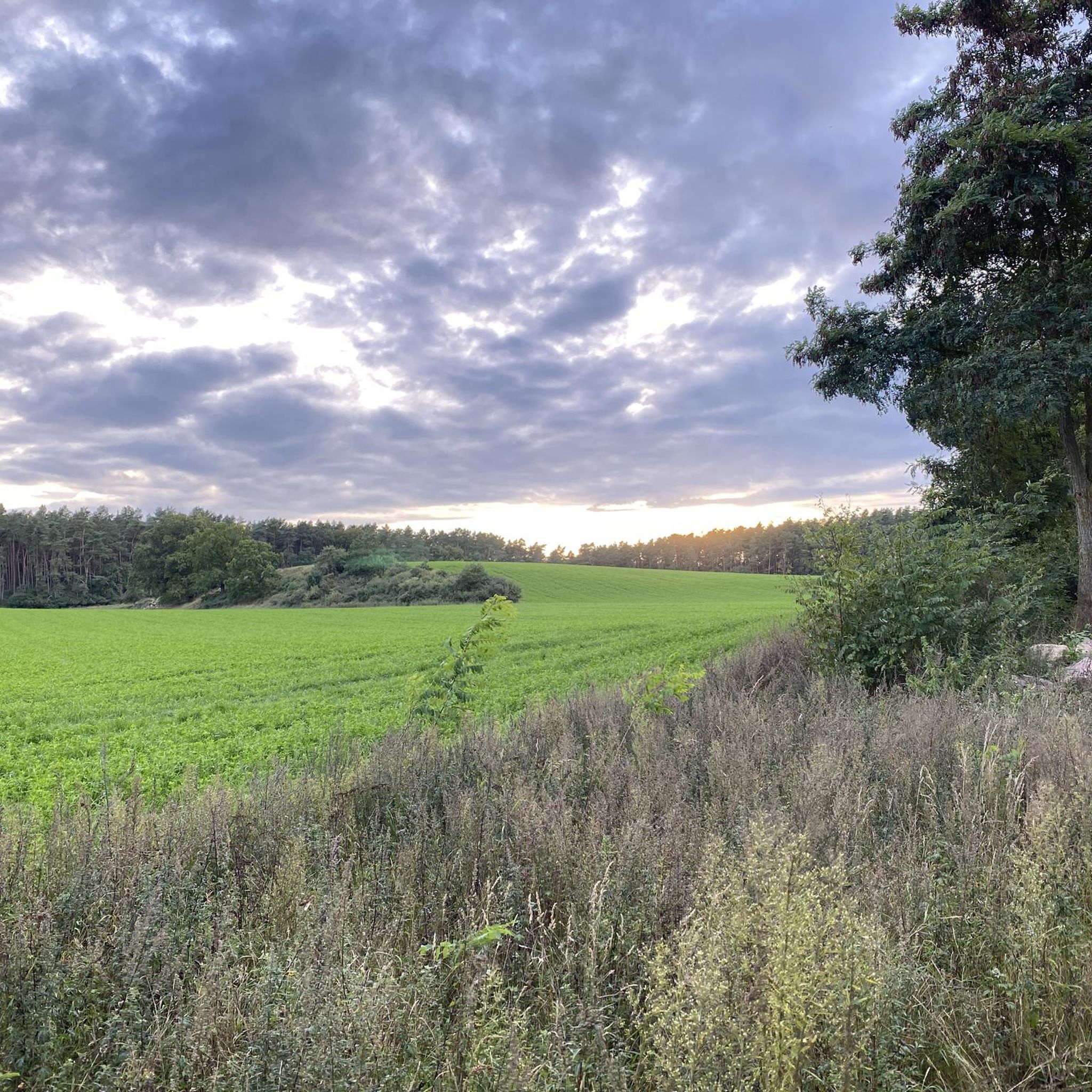
シュペッカー湖の湿原
ハイライト • 自然
The Specker See is located in the municipality of Kargow, southeast of Waren, in the west of the Müritz National Park in the Mecklenburgische Seenplatte district in southeast Mecklenburg. Only …
翻訳者 Google •
役立つ情報 は によるものです

今すぐサインアップして、こんな場所を発見しよう
最高のシングルトラック、ピーク、その他のエキサイティングなアウトドアスポットのおすすめを受け取ろう。
ミュリッツ国立公園の森林トレイル – 山火事警報:アクセス一時制限中
ハイライト • 森
Compared to the circumnavigation of the Plauer See, the journey around the Müritz is like traveling on the Autobahn. Ideal and almost perfectly maintained paths - a dream.
翻訳者 Google •
役立つ情報 は によるものです

ミュリッツ国立公園
ハイライト • 自然記念物
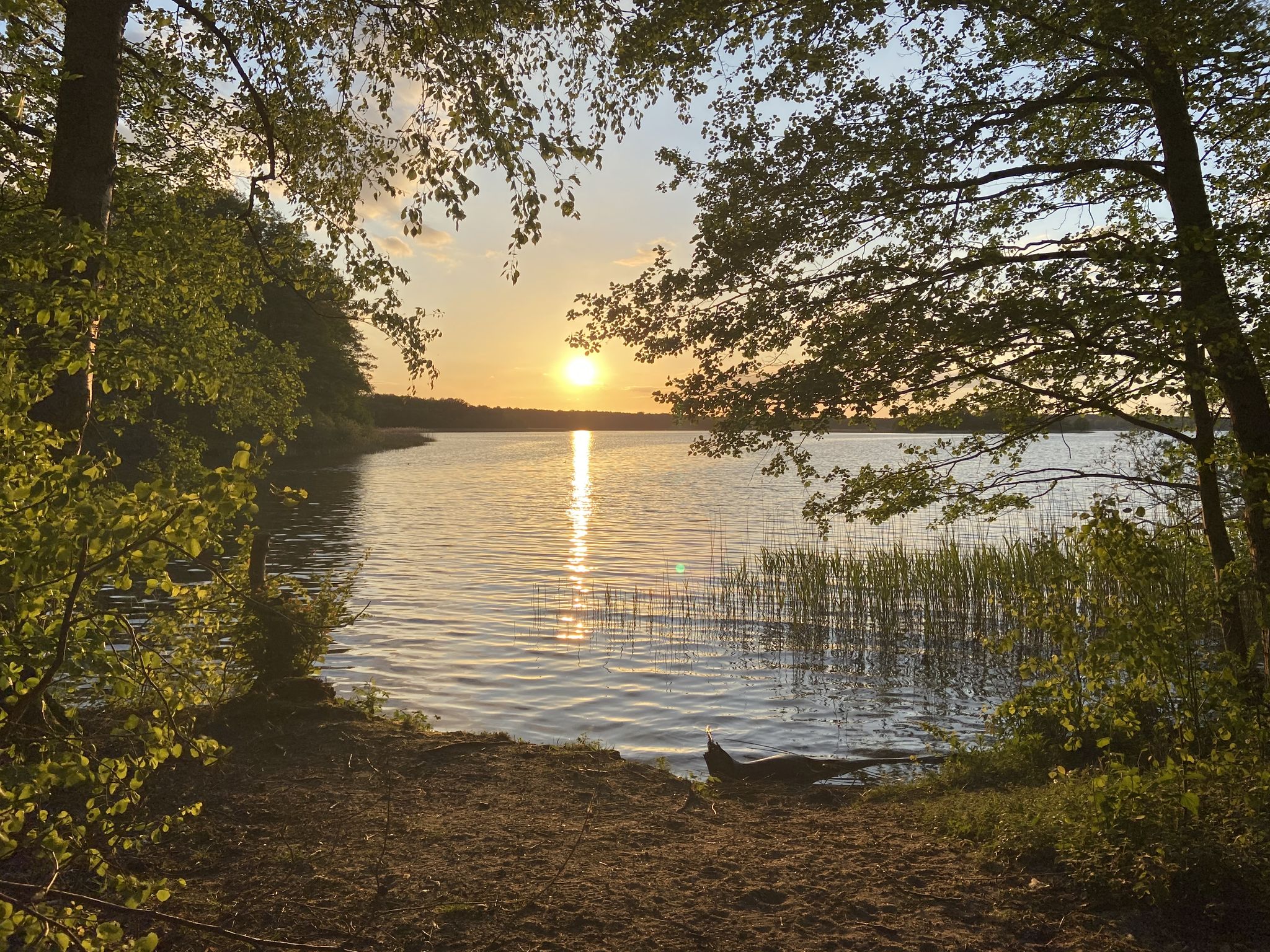
Dreamlike landscapes and cycle paths in the national park, which extends over the Mecklenburger Seenplatte and the Feldberger Seenlandschaft.
翻訳者 Google •
役立つ情報 は によるものです

ケーフリングスベルク塔
ハイライト • 展望台
At 100 meters, the Käflingsberg is the highest elevation in the area. There is a 55 meter high observation and mobile communications tower on the mountain. The viewing platform is …
翻訳者 Google •
役立つ情報 は によるものです

無料でサインアップして、さらに多くの自然記念物を発見しましょう アンカースハーゲンでの。
無料新規登録
すでにアカウントをお持ちですか?


コミュニティからのヒント


Holger 🥾 🚴🏼♂️ 🇩🇪🇺🇦
8月 14, 2024, Specker See Moorland
A fantastic moorland area, you don't know where to stop first.
Google翻訳による翻訳•
0
0

アンカースハーゲンでのの人気観光スポット

komootモバイルアプリでインスピレーションを得よう
無料のkomootアカウントがあれば、無限のアウトドアコースを簡単に見つけてカスタマイズし、ナビで案内できます。


さらに探索
これらのガイドで、最高の洞窟を探す範囲を広げましょうアンカースハーゲンでの:
カルグフミューリッツシュレン=ドラトフヴァーレン(ミュリッツ)ミロールードルフレヒリンメレンハーゲンクラッツェブルクTorgelow am Seeノイシュトレーリッツプリーペルトグロース・プラステンクリンクゴーデンドルフフェルトベルガーゼーンランズシャフトFeldberger Seenlandschaftゲーレン・レビンヴォクール・ダベロウカーピンMüritz-Nationalparkペンツリーンジャベルクライン・フィーレンゴットヒュングロース・ノメローシュワルツブルーメンホルツジートウヴォルデックブルクシュターガルドホーエンツィリッツマルヒョーレルツRöbel/Müritzアルトシュヴェリンウーゼリンノッセンティナーヒュッテツィスローフュンフセンリンデタールノイブランデンブルクヴルケンツィンクックショッセヴィッパートホルドルフシュトゥアーヴァローペンコウシュポンホルツシェーンハウゼンライゼンプラグスドルフボレヴィックビュトウフォークツドルフシェーンベックガレンベックグロース・ケレフィンケンメルツHullerbusch Und Schmaler Luzinプリボルングロース・ミルッツォウマッソーNemerower Holzノンネンホーフトレンゼ湖ZepkowヴレーデンハーゲンDrewitzerLakemitLübowseeundDreierseeFeldbergerHütteシュマラー・ルジンキーブコルピン
