シュプレントリンゲンの天然記念物・トップ20
シュプレントリンゲンが誇る美しい風景を見てみたいなら、シュプレントリンゲンの素晴らしい天然記念物・トップ20
に行ってみましょう。あなたにぴったりの場所が見つかるよう、素晴らしい天然記念物を探索するために必要なすべての情報を集めました。次のアウトドアの冒険に出かける計画の参考にしましょう。
最終更新日: 9月 28, 2026
ライングラーフェンシュタイン城の眺め
ハイライト • 展望台
View from the town of Bad Münster am Stein.
Its origins are legendary: the devil is said to have built the castle on the steep, 245 m …
翻訳者 Google •
役立つ情報 は

ガンス(バート・クロイツナッハ)からの眺め
ハイライト • 展望台
翻訳者 Google •
役立つ情報 は

今すぐサインアップして、こんな場所を発見しよう
最高のシングルトラック、ピーク、その他のエキサイティングなアウトドアスポットのおすすめを受け取ろう。
フェルゼンエレミタージュ・ブレッツェンハイム
ハイライト • 歴史的な場所
completely in the rock carved place of worship, only Felseneremitage north of the alps
翻訳者 Google •
役立つ情報 は

ジーファースハイマー・ホルンのパノラマベンチ
ハイライト • 展望台
翻訳者 Google •
役立つ情報 は

ミュールベルクの鷲の記念碑
ハイライト • 記念碑
翻訳者 Google •
役立つ情報 は

無料でサインアップして、さらに多くの自然記念物を発見しましょう シュプレントリンゲンでの。
すでにアカウントをお持ちですか?
無料アカウントで今日から始めよう
次の冒険が待っています。
コミュニティからのヒント

👑 Rheingrafenstein Castle Ruins – The Rock Boss on the Cycle Path Tip: Stop here! The Rheingrafenstein ruins sit dramatically perched on a 136-meter-high porphyry cliff above the Nahe River – one of the most impressive sights of the entire tour. The castle was the ancestral seat of the famous Wildgraves and Rhinegraves (until it was blown up in 1689). The view from the cycle path is phenomenal! If you really want to go up (and have enough energy), you can take the small hand-pulled ferry across and take the steep hiking trail to the ruins. It's worth it for the view over the Nahe Valley, but honestly: My legs were already tired enough from cycling. The panoramic view from below is worth its weight in gold! A must-have for your photo collection!
1
0

Rheingrafenstein Castle sits enthroned on a steep porphyry cliff (245 meters high) directly above the Nahe River near Bad Münster am Stein-Ebernburg. Legend has it that the devil himself built the castle—a reference to its dramatic location and mystical aura. In fact, it likely dates back to the 11th century and was the ancestral seat of the Lords of Stein, later the Wildgraves and Rhinegraves. In 1689, it was blown up by French troops under Louis XIV, and since then it has been a ruin—but an extremely impressive one.
3
0

Don't forget sunscreen before going to sleep 🦀 🦀 🦀
1
0

Very beautiful heathland... you feel like you are on the Lüneburg Heath
1
0

Beautiful rock with the Rheingrafenstein castle ruins. It is said that the devil is said to have built the castle. In any case, the castle was blown up by the French troops under Louis XIV.
4
3

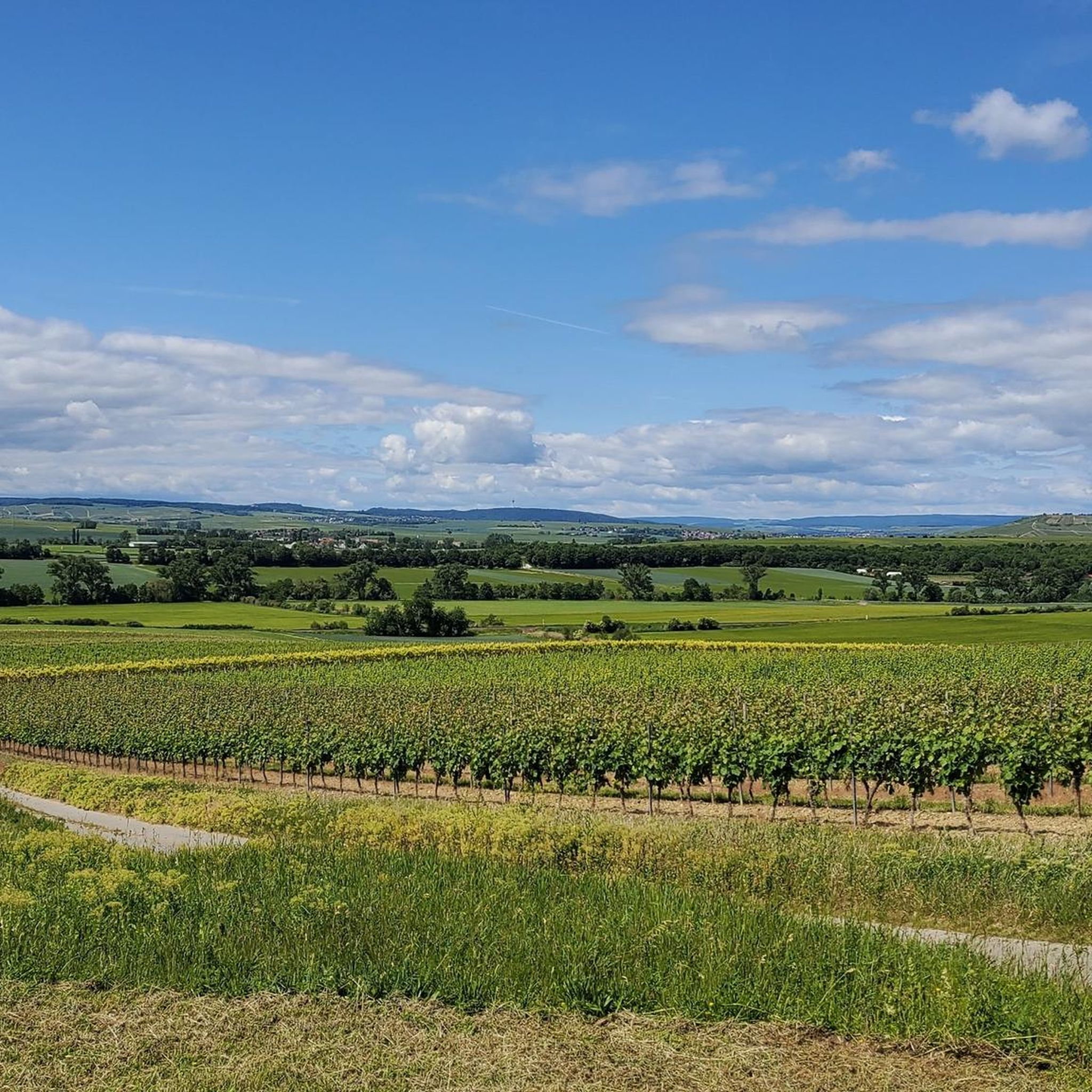
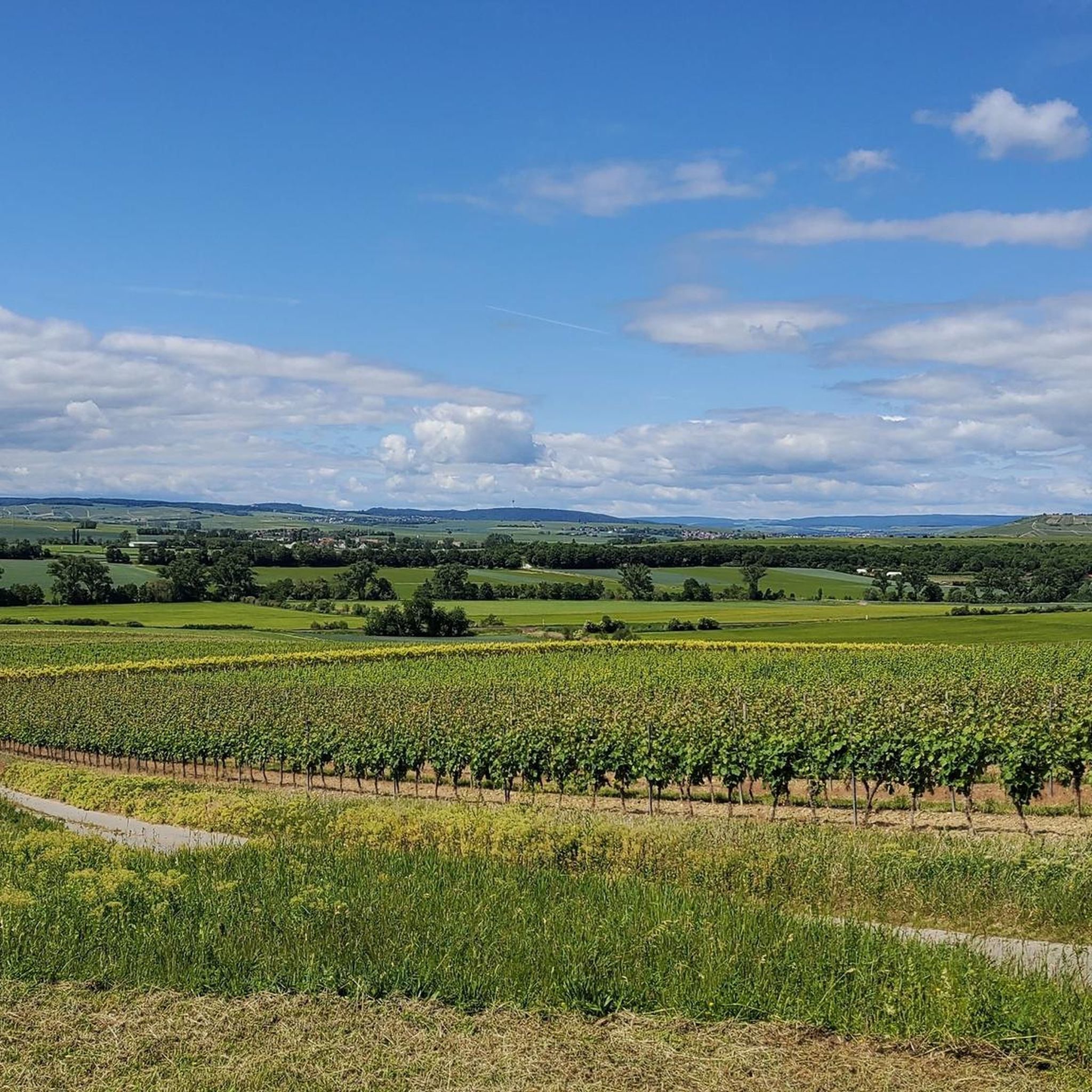
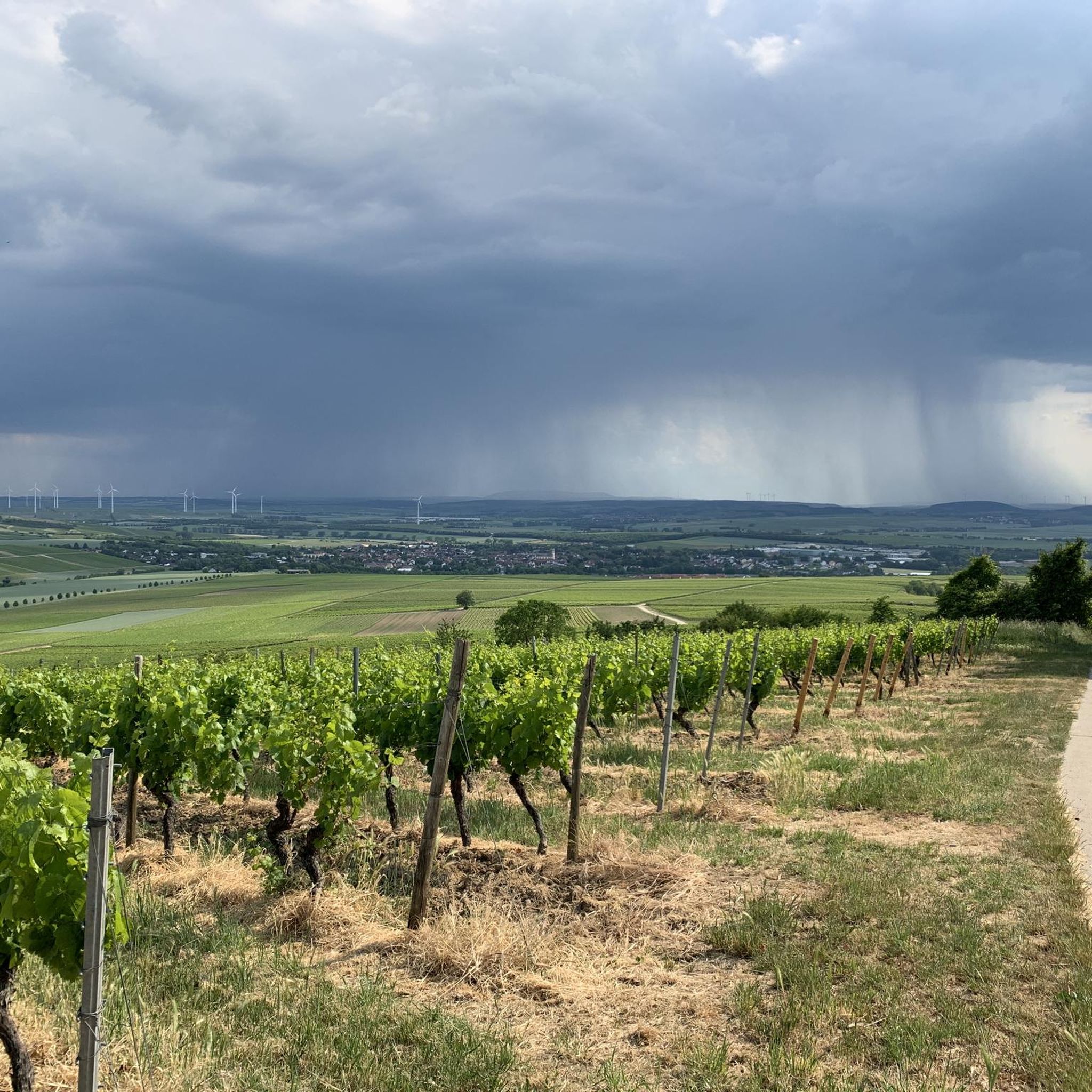
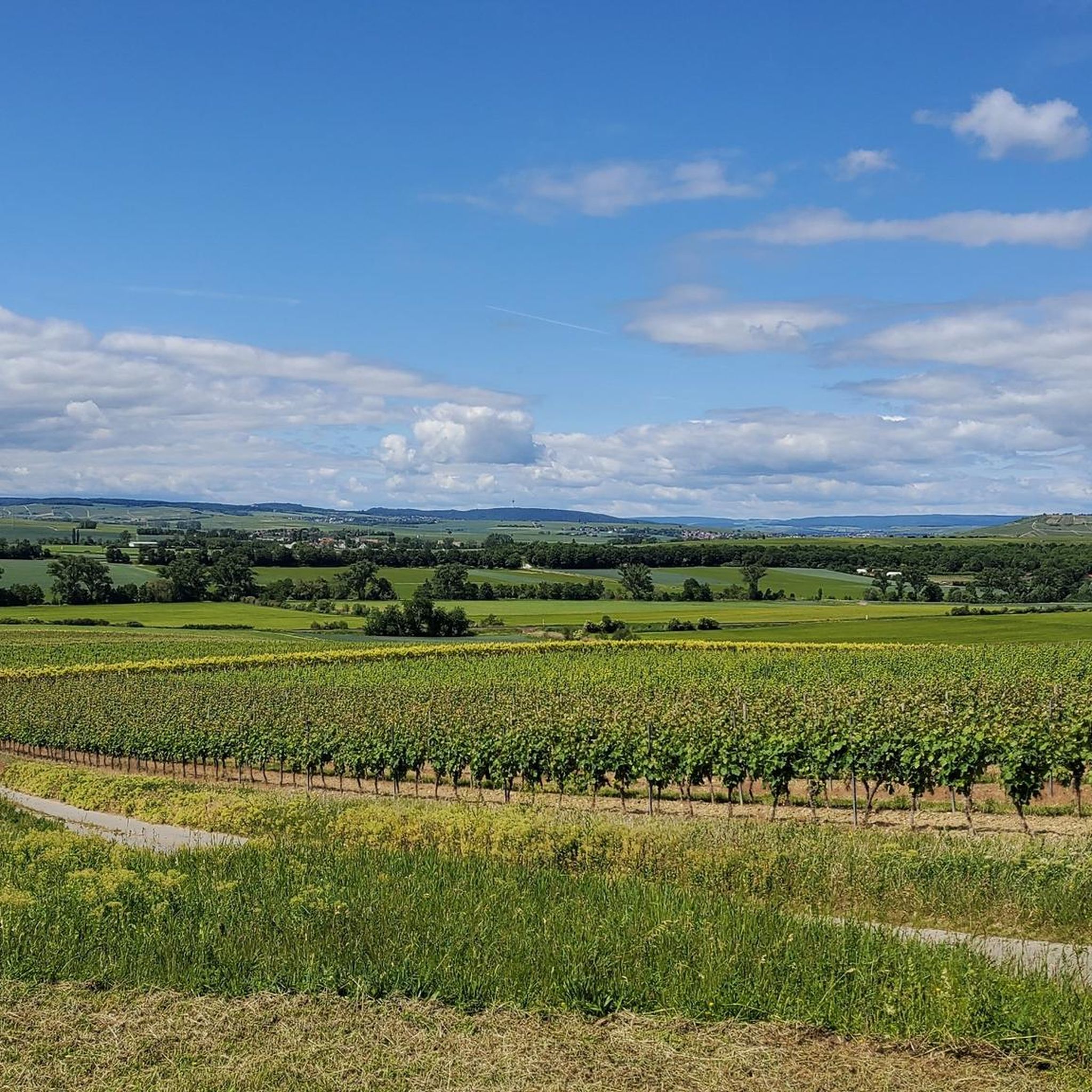
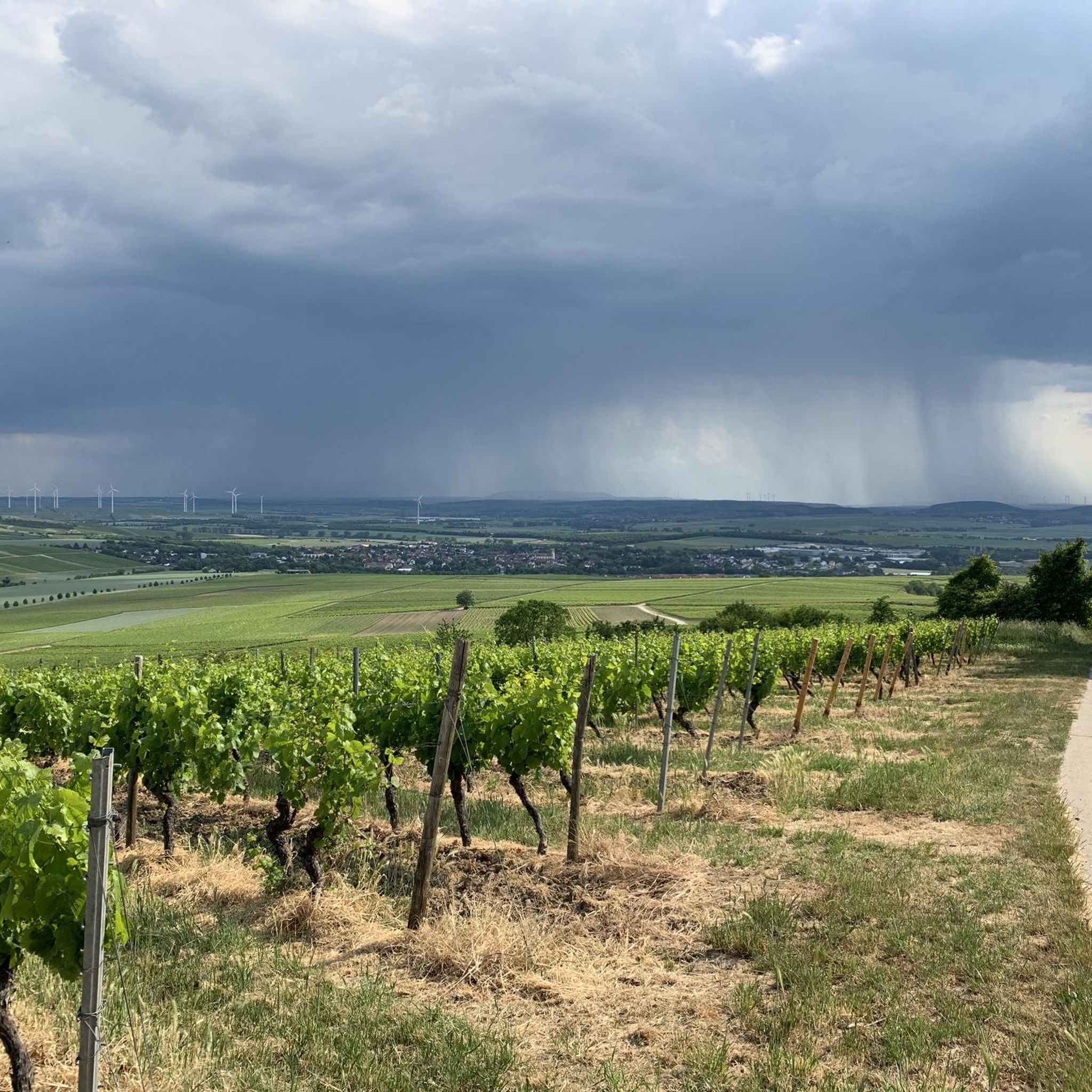
Very nice vineyard lounger. Today, with a stiff breeze and rain, it wasn't occupied either.
2
0

The imposing monument with the stone inscription "Gott mit uns" under the feet of the one-headed imperial eagle at the top is made of coarse porphyry blocks. This memorial was built in 1914 by a replacement battalion for the fallen of the Franco-Prussian War of 1870/71. The eagle looks west to the "evil archenemy". On the pillar the admonition: "To honor the fallen, to teach the living". This conflict was the birth of the German Empire, which was symbolically proclaimed in 1871 in the Hall of Mirrors at Versailles. With the founding of the empire, the old dream of a unified nation state came true for many; it permanently changed the balance of power on the European continent.
9
1

everything good has already been written. Unfortunately, there is only one bench, but in the route that follows there are other beautifully situated seating options, also with a great view
2
0
シュプレントリンゲンでのの人気観光スポット

komootモバイルアプリでインスピレーションを得よう


さらに探索
これらのガイドで、最高の洞窟を探す範囲を広げましょうシュプレントリンゲンでの:
